
离境退税优化

Search documents
“免签+免税”黄金组合将流量变增量 “中国游”“中国购”呈现新亮点、新变化
Yang Shi Wang· 2025-12-18 01:59
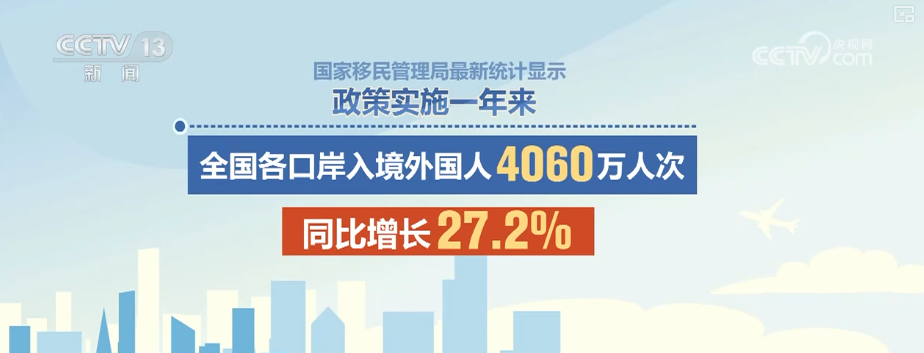
Core Viewpoint - The implementation of the 240-hour visa-free transit policy in China has significantly increased foreign traveler inflow and transformed tourism consumption patterns, marking a new era for inbound tourism in the country [1][3]. Group 1: Policy Impact - The 240-hour visa-free transit policy, effective from December 17, 2024, covers 55 countries and 65 open ports across 24 provinces, facilitating easier entry for foreign travelers [1]. - In the first year of implementation, the number of foreign entrants reached 40.6 million, a year-on-year increase of 27.2%, with those utilizing the 240-hour visa-free transit increasing by 60.8% compared to the period before the policy optimization [3][5]. Group 2: Regional Performance - Major entry hubs like Beijing, Shanghai, and Guangzhou have seen substantial growth in foreign traveler numbers, with Beijing receiving over 3.4 million foreign visitors, 55% of whom benefited from the visa-free policy [5]. - Other ports have experienced explosive growth, with Xiamen seeing a threefold increase in foreign entrants, and Liaoning witnessing a 5.7-fold increase [5]. Group 3: Tourism Consumption Trends - The extended stay period of 240 hours has shifted foreign travelers' focus from mere transit to deeper exploration, with 60% opting for cross-province travel [8]. - New tourism patterns such as "transit + deep travel" and "multi-stop journeys" have emerged, enhancing the overall travel experience [6][10]. Group 4: Economic Impact - Inbound tourism spending has surged, with Beijing's foreign visitor spending reaching 41.7 billion RMB, a 48% increase year-on-year [12]. - The combination of the visa-free policy and optimized tax refund services has effectively converted inbound traveler flows into economic growth, with a notable increase in second-time spending [13][15]. Group 5: Collaborative Opportunities - Regions like Guizhou are transforming from "geographical hinterlands" to "open gateways," leveraging the policy to attract foreign business and tourism [12]. - The synergy between visa-free entry and tax-free shopping has led to increased consumer spending, particularly in duty-free zones like Sanya, where average spending per visitor exceeds 8,000 RMB [16].

畅游240小时 外国游客深度解锁“宝藏中国”
Yang Shi Xin Wen Ke Hu Duan· 2025-12-18 01:50
Core Viewpoint - The implementation of the 240-hour visa-free transit policy has significantly enhanced the entry of foreign travelers into China, marking a successful year since its launch, and has created new opportunities for tourism and economic growth [1][2]. Group 1: Policy Impact - The 240-hour visa-free transit policy has led to a 60.8% year-on-year increase in the number of foreign travelers eligible for the policy, contributing to a total of 40.6 million foreign entries across the country, which is a 27.2% increase compared to the previous year [2][4]. - Major entry points such as Beijing, Shanghai, and Guangzhou have seen substantial growth in foreign traveler numbers, with over 340 million, 534.6 million, and 320 million entries respectively, and a significant proportion of these travelers benefiting from the visa-free policy [4][6]. Group 2: Regional Growth - Secondary ports have experienced explosive growth, with Xiamen seeing a threefold increase in foreign entries under the visa-free policy, and Liaoning experiencing a 5.7-fold increase [4][6]. - The policy has facilitated cross-regional travel, with 60% of foreign travelers opting for multi-province tours, indicating a shift from mere transit to deeper exploration of China [9][11]. Group 3: Economic and Cultural Benefits - The policy has stimulated new tourism patterns, such as "transit plus deep travel" and "multi-stop journeys," enhancing cultural and economic exchanges across various regions [7][13]. - In 2025, Beijing's inbound tourist spending reached 41.7 billion RMB, a 48% increase, while Xiamen reported over 154.62 million inbound overnight tourists, with tourism consumption exceeding $1.33 billion, both showing growth rates above 49% [15][16]. Group 4: Service Enhancements - Major entry points have implemented dedicated channels and streamlined processes, such as online reporting and multilingual services, to improve the experience for inbound travelers [6][18]. - The introduction of a "one-click tax refund" service has further enhanced the convenience for foreign tourists, with a 229.8% increase in tax refund claims in the first three quarters of the year [18][21]. Group 5: Future Prospects - The policy is expected to continue driving growth in various sectors, including duty-free shopping and hospitality, with cultural consumption in Hangzhou rising to 45% and hotel occupancy rates increasing by 8% [23]. - With 21 new entry points added to the policy, the potential for inbound consumption growth remains significant, contributing to high-quality economic development [23].
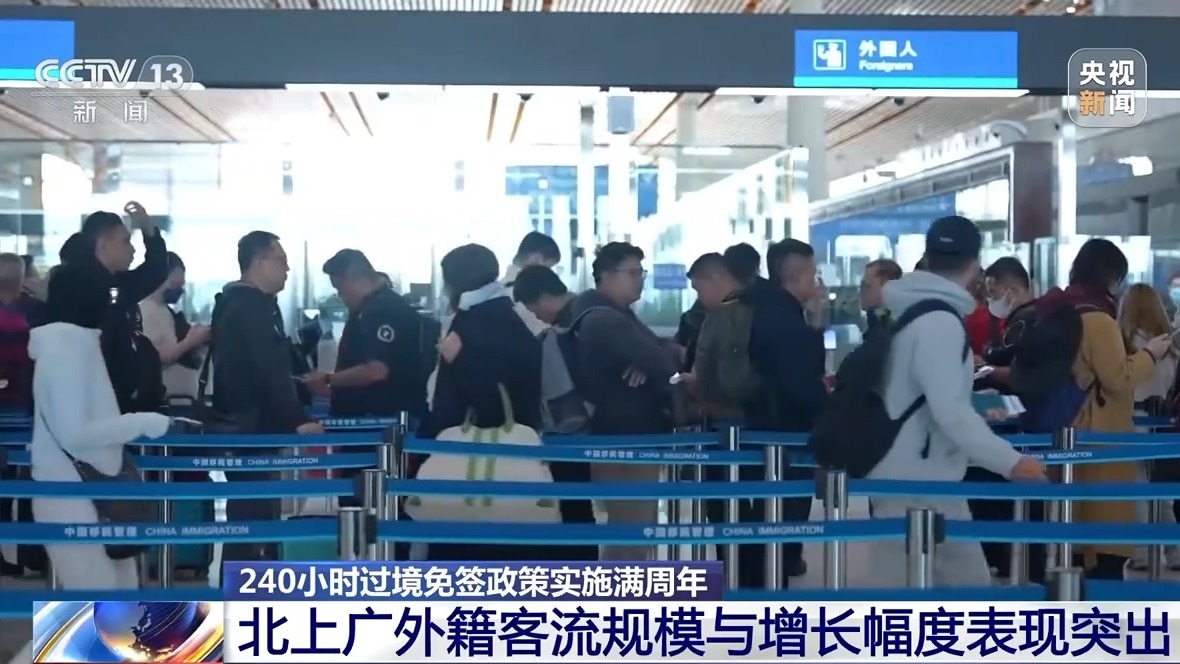
视频丨畅游240小时 外国游客深度解锁“宝藏中国”
Yang Shi Xin Wen Ke Hu Duan· 2025-12-18 01:43
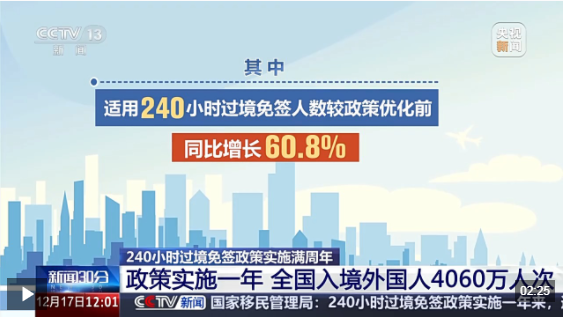
Core Insights - The implementation of the 240-hour visa-free transit policy has significantly enhanced the entry of foreign travelers into China, marking a year since its launch with a 60.8% increase in eligible travelers compared to the previous policy [1][3]. Group 1: Policy Impact - The policy has led to a total of 40.6 million foreign entries across various ports in China, reflecting a year-on-year growth of 27.2% [3]. - Major entry hubs like Beijing, Shanghai, and Guangzhou have seen substantial benefits, with over 340 million, 534.6 million, and 320 million foreign entries respectively, where 55% to 57% of these travelers utilized the visa-free option [5]. - Secondary ports have experienced explosive growth, with Xiamen seeing a threefold increase and Liaoning witnessing a 5.7-fold increase in foreign entries [5]. Group 2: Travel Experience Enhancements - Key ports have introduced dedicated channels and streamlined processes, such as "one-stop services" and online forms, to improve the travel experience for foreign visitors [7]. - The extended stay period has shifted traveler behavior from mere transit to deeper exploration, with 60% of travelers opting for interprovincial travel [10]. Group 3: Economic and Cultural Benefits - The policy has fostered new travel patterns, combining transit with in-depth tourism experiences, thus boosting inbound tourism consumption [8]. - Economic indicators show a significant increase in tourism spending, with Beijing's inbound tourist spending reaching 41.7 billion RMB, a 48% increase year-on-year [16]. - The synergy between the visa-free policy and tax refund services has effectively converted inbound traffic into economic growth, enhancing consumer spending and regional collaboration [17]. Group 4: Innovations in Tax Refund Services - The introduction of a streamlined tax refund process has led to a 229.8% increase in refund claims, with over 60% of refunds being reinvested into secondary purchases [21]. - Various regions have reported significant growth in tourism and retail sectors, with Hainan's duty-free shopping seeing an average spend of over 8,000 RMB per person among visa-free travelers [21]. Group 5: Future Prospects - The inclusion of 21 new ports under the visa-free policy is expected to further unlock inbound consumption potential, contributing to sustained economic growth [23].
商务部:5月份,消费市场总体呈现平稳发展态势
news flash· 2025-06-19 07:57
Group 1 - The overall consumption market in China showed stable development in May 2025, with total retail sales of consumer goods reaching 4.13 trillion yuan, a year-on-year increase of 6.4%, marking the fastest monthly growth rate since 2024 [1] - From January to May, total retail sales amounted to 20.32 trillion yuan, with a year-on-year growth of 5.0%, while service retail sales grew by 5.2% [1] - The growth rate of commodity consumption accelerated, with retail sales of goods increasing by 6.5% in May, driven by strong sales in home appliances and mobile phones [1] Group 2 - Holiday consumption continued to thrive, with domestic travel during the "May Day" holiday reaching 314 million trips, a year-on-year increase of 6.4%, and total spending of 180.27 billion yuan, up 8.0% [2] - During the Dragon Boat Festival, domestic travel reached 119 million trips, with total spending of 42.73 billion yuan, reflecting a year-on-year increase of 5.9% [2] - The optimization of the departure tax refund policy has shown initial results, with the number of tax refund transactions increasing by 116% in the first month of implementation [2] Group 3 - Online retail sales grew steadily, with a year-on-year increase of 8.5% from January to May, while physical goods online retail sales rose by 6.3%, accounting for 24.5% of total retail sales [3] - Physical retail enterprises are innovating diverse consumption scenarios to enhance consumer experience, with retail sales of physical stores increasing by 4.5% year-on-year [3] - Membership warehouse stores saw retail sales growth exceeding 30%, while convenience stores, specialty stores, and supermarkets reported year-on-year increases of 8.5%, 6.3%, and 5.7% respectively [3]