绿电+储能

Search documents
任泽平:癌症、渐冻症等绝症有望在5-10年内被攻克
Xin Lang Cai Jing· 2026-01-26 07:36
Group 1: Key Trends in Technology and Industry - The first major trend is the explosion of autonomous driving, which is expected to solve urban traffic congestion, air pollution, and safety issues within the next 1-2 years. A unified driving standard through large models will enable millions of vehicles to reach or exceed the skill level of experienced drivers, representing a trillion-dollar market opportunity [2][14]. - The second trend involves the significant rise of humanoid robots, which will first take over dangerous and repetitive tasks in factories, then transition into homes as companions, and eventually evolve into silicon-based life forms that deeply understand human society [3][15]. - The third trend highlights breakthroughs in life sciences, where AI will dramatically enhance drug development, potentially curing diseases like cancer and ALS within 5-10 years, and extending human lifespan to 120 years [4][16]. - The fourth trend is the anticipated explosion of AI super applications, with AI assistants expected to become personal secretaries for everyone, covering all aspects of daily life, leading to the replacement of over 90% of existing apps [5][17]. - The fifth trend indicates the rise of China's strength in various sectors such as photovoltaics, new energy vehicles, and power batteries, leveraging a strong supply chain and a market of 1.4 billion people for rapid commercialization [6][19]. - The sixth trend is the emergence of a new energy system characterized by "green electricity + energy storage," with China's installed capacity of green electricity surpassing coal, driving a surge in energy storage demand [7][20]. Group 2: Societal and Economic Trends - The seventh trend points to intensified geopolitical competition and a global arms race, with modern warfare evolving towards aerospace, information, and intelligence, focusing on military technology in aerospace and high-end equipment [8][21]. - The eighth trend discusses the revolution in the food industry driven by biotechnology, where mass production of proteins, starches, fruits, and vitamins will replace traditional agriculture, significantly reducing land use and air pollution [9][22]. - The ninth trend indicates the arrival of a post-real estate era, where the housing market will see a bifurcation: property prices in core areas with 20% population inflow may bottom out or even reach new highs, while areas with 80% population outflow will experience prolonged price declines [11][23]. - The tenth trend highlights the acceleration of aging and declining birth rates, with the baby boomer generation entering old age, creating opportunities in the silver economy and health industries, while declining birth rates will boost markets related to pets, single living, emotional well-being, and cost-effectiveness [12][24].
任泽平:自动驾驶将在未来1-2年爆发,大模型可统一驾驶标准
Xin Lang Cai Jing· 2026-01-26 07:30
Group 1: Key Trends in Technology and Industry - The first major trend is the explosion of autonomous driving, which is expected to solve urban traffic congestion, air pollution, and safety issues within the next 1-2 years. A unified driving standard through large models will enable millions of vehicles to reach or exceed the skill level of experienced drivers, representing a trillion-dollar market opportunity [2][14]. - The second trend involves the significant rise of humanoid robots, which will first take over dangerous and repetitive tasks in factories, then transition into homes as companions, and eventually evolve into silicon-based life forms that deeply understand human society [3][15]. - The third trend highlights breakthroughs in life sciences, where AI will dramatically enhance drug development, potentially curing diseases like cancer and ALS within 5-10 years, and extending human lifespan to 120 years [4][16]. - The fourth trend is the anticipated explosion of AI super applications, with AI assistants expected to become personal secretaries for everyone, covering all aspects of daily life, leading to the replacement of over 90% of existing apps [5][17]. - The fifth trend indicates the rise of China's strength in various sectors such as photovoltaics, electric vehicles, and power batteries, leveraging a strong supply chain and a market of 1.4 billion people for rapid commercialization [6][19]. - The sixth trend is the emergence of a new energy system characterized by "green electricity + energy storage," with China's installed capacity of green electricity surpassing coal, driving a surge in energy storage demand [7][20]. Group 2: Societal and Economic Trends - The seventh trend points to intensified geopolitical competition and a global arms race, with modern warfare evolving towards aerospace, information, and intelligence, focusing on aerospace, communication satellites, and high-end equipment [8][21]. - The eighth trend discusses the revolution in the food industry driven by biotechnology, where essential nutrients will be produced on a large scale in factories, significantly reducing land use and air pollution, aiding carbon neutrality and ecological restoration [9][22]. - The ninth trend indicates the arrival of a post-real estate era, where the housing market will see a bifurcation: property prices in core areas with 20% population inflow may bottom out or even reach new highs, while areas with 80% population outflow will experience prolonged price declines [11][23]. - The tenth trend highlights the acceleration of aging and declining birth rates, with the baby boomer generation entering old age, creating opportunities in the silver economy and health industries, while declining birth rates will boost markets related to pets, single living, emotional well-being, and cost-effectiveness [12][24].
任泽平:未来十大新趋势
Xin Lang Cai Jing· 2026-01-26 07:30
Group 1: Key Trends in Technology and Innovation - The first major trend is the explosion of autonomous driving, which is expected to solve urban traffic congestion, air pollution, and safety issues within the next 1-2 years. A unified driving standard through large models will enable millions of vehicles to reach or exceed the skill level of experienced drivers, representing a trillion-dollar market opportunity [2][14]. - The second trend involves the significant rise of humanoid robots, which will first take over dangerous and repetitive tasks in factories, then transition into homes as companions, and eventually evolve into silicon-based life forms that deeply understand human society [3][15]. - The third trend highlights breakthroughs in life sciences, where AI will dramatically enhance drug development, potentially curing diseases like cancer and ALS within 5-10 years, and extending human lifespan to 120 years [4][16]. - The fourth trend is the anticipated explosion of AI super applications, with AI assistants expected to become personal secretaries for everyone, covering all aspects of daily life, leading to the replacement of over 90% of existing apps [5][17]. Group 2: Energy and Environmental Trends - The sixth trend is the emergence of a new energy system characterized by "green electricity + energy storage." China's installed capacity of green electricity (solar and wind) has surpassed that of coal, driving a surge in energy storage demand. Solid-state batteries are becoming mainstream due to their high energy density, long range, and safety, leading to a boom in demand for new energy minerals like copper and lithium [7][20]. - The eighth trend indicates that biotechnology will revolutionize the food industry, with large-scale production of proteins, starches, fruits, and vitamins in factories, replacing traditional agriculture and significantly reducing land use and air pollution, thus aiding carbon neutrality and ecological restoration [9][22]. Group 3: Demographic and Economic Trends - The ninth trend points to the arrival of a post-real estate era, where the housing market will experience a bifurcation. In the long term, real estate prices in core areas, which will see a 20% population inflow, are expected to bottom out and potentially reach new highs in the medium term, while areas with an 80% population outflow will face prolonged price declines [11][23]. - The tenth trend addresses the accelerating aging and declining birth rates, with the baby boomer generation (born between 1962-1976) rapidly aging. This demographic shift will create significant opportunities in the silver economy and health industries, while declining birth rates will drive the rise of pet economies, single-person economies, emotional economies, and cost-effective economies [12][24].
抢滩AIDC、零碳园区,这一轮储能的新空间来了
2 1 Shi Ji Jing Ji Bao Dao· 2025-12-25 09:46
Core Viewpoint - The energy storage industry is transitioning from being viewed as a cost item to a value asset that generates continuous revenue, driven by policies and emerging scenarios such as green electricity direct connection and data centers [1][3]. Policy and Market Dynamics - The National Development and Reform Commission and the National Energy Administration have issued a notice promoting green electricity direct connection projects, requiring that the self-consumed electricity from renewable sources should account for at least 60% of total available generation and 30% of total electricity consumption, with a target of 35% by 2030 [1][3]. - This high proportion of green electricity consumption presents new challenges for technology and business models, indicating a systemic transformation in the energy sector [1]. Role of Energy Storage - Energy storage is becoming essential to meet the high green electricity consumption targets, with the required renewable energy capacity potentially needing to exceed 1.5 to 2 times the maximum load power of users [3]. - The increasing demand for AI computing power is creating urgent applications for "green electricity + energy storage" systems, as global data center electricity demand is projected to double by 2030, leading to significant increases in carbon emissions [3]. Zero-Carbon Park Development - During the 14th Five-Year Plan, China aims to establish around 100 national-level zero-carbon parks, with policies promoting green electricity direct connection and local renewable energy integration [4]. - Energy storage plays a crucial role in balancing the growing load demands of these parks with ESG requirements, cost control, and supply reliability [4]. - The integration of distributed wind, solar, and energy storage allows parks to achieve refined energy management, enhancing energy autonomy and optimization [4]. Future Directions - The layout of energy storage in national-level zero-carbon parks should focus on specific pain points, considering load characteristics, renewable energy endowments, and grid interaction needs [5]. - Continued policy support is necessary to encourage innovative mechanisms for the large-scale application of "green electricity + energy storage" [5].
云南能投350MW盐穴压缩空气储能示范项目开工
Zheng Quan Ri Bao Wang· 2025-10-31 10:44
Core Insights - Yunnan Energy Investment has officially commenced the construction of a 350MW salt cavern compressed air energy storage demonstration project in Anning City, marking the first high-altitude mountain salt cavern compressed air energy storage project in Southwest China [1][2] - The project aims to support the national "dual carbon" goals and establish a new power system in Yunnan, filling the gap in long-duration physical energy storage technology within the province [1][2] Project Overview - The project will have a single storage capacity of 1.75 million kilowatt-hours, with an energy storage duration of 8 hours, an annual turnover of 300 cycles, and a minimum utilization of 1,500 hours, leading to an annual power generation capacity of 525 million kilowatt-hours [1] - Total investment for the project is 1.872 billion yuan, utilizing retired salt caverns as storage mediums and designed to operate at pressures between 7MPa and 9MPa [1][2] Technical Features - The project includes an air compression system, turbine generator system, heat exchange system, and a 220kV booster station, integrating into the Yunnan power grid with a 42-kilometer connection to the Kunming Pujie substation [2] - It is expected to be completed and operational by the first half of 2027, serving multiple functions such as peak shaving, frequency regulation, and black start capabilities, thus acting as a "stabilizer" for grid safety [2] Strategic Importance - This project is a key component of Yunnan Energy Investment Group's "8+X" large energy industry system, promoting the integration of green electricity and energy storage [2] - The initiative addresses technical challenges in high-altitude environments by collaborating with universities and research institutions to develop a specialized energy storage system, enhancing overall energy utilization efficiency to over 70% [2]

港股异动 | 双登股份(06960)再涨超9% AIDC新型高倍率电芯明年或批量应用 公司为AIDC储能核心标的
智通财经网· 2025-10-30 07:17
Core Viewpoint - Double Power Holdings (06960) has seen a significant stock increase, rising over 9% and currently trading at 23 HKD, with a transaction volume of 73.55 million HKD. The company is collaborating with a research team from the Chinese Academy of Sciences to develop a new type of lithium-ion battery, expected to be commercially available by 2026 [1][1][1]. Company Summary - Double Power Holdings is a key player in the AIDC (Artificial Intelligence Data Center) energy storage sector, serving major internet and data center operators such as Alibaba, JD.com, Baidu, and others [1][1]. - The company has become the main supplier for Alibaba in data center energy storage solutions [1][1]. - The demand for backup power is projected to increase by approximately 10% if AIDC energy consumption grows by the same percentage, indicating a strong market potential for the company [1][1]. - The promotion of green energy and energy storage models in data centers is expected to significantly expand the scale of energy storage systems beyond traditional backup scenarios, providing broader development opportunities for the company [1][1].
云南能投安宁350MW盐穴压缩空气储能示范项目开工
Xin Hua Cai Jing· 2025-10-29 03:12
Core Viewpoint - The Yunnan Energy Investment Group has officially commenced the construction of the 350MW salt cavern compressed air energy storage demonstration project in Anning City, which aims to support the national "dual carbon" goals and enhance the stability of the power grid in high-altitude regions [1][2]. Group 1: Project Overview - The total investment for the project is 1.872 billion yuan, making it a key initiative for Yunnan Province to develop a new power system [1]. - The project will utilize retired salt caverns (An1-An4) as energy storage mediums, with a designed operating pressure of 7MPa-9MPa and a construction scale of 350MW/1750MWh [1]. - The energy storage system is designed to operate on a "low valley storage, high peak release" principle, allowing for flexible energy regulation [1]. Group 2: Technical Specifications - The project will have an annual utilization of at least 1,300 hours, with an expected annual power generation of 465 million kilowatt-hours [1]. - The system can store up to 1.75 million kilowatt-hours of electricity, with a storage duration of 8 hours and an average turnover of 260 cycles per year [1]. - The construction includes an air compression system, turbine power generation system, heat exchange system, and a 220kV booster station, integrating into the Yunnan power grid [2]. Group 3: Strategic Importance - The project is a critical component of Yunnan Energy Investment Group's "8+X" energy industry system, promoting the integration of green electricity and energy storage [2]. - It addresses the technical challenges of high-altitude environments by collaborating with universities and research institutions to develop a specialized energy storage system [2]. - The implementation of this project is expected to stabilize fluctuations in renewable energy generation and enhance the grid's capacity to accept large-scale green electricity [2]. Group 4: Local Government Support - The Anning City government has committed to optimizing the business environment and providing excellent service to support the project's construction [3].
英伟达引领直流架构变革 两类上市公司商机大
Shang Hai Zheng Quan Bao· 2025-10-22 18:16
Group 1: Core Insights - The 800V HVDC architecture introduced by NVIDIA is expected to become a mainstream technology for AI data centers, presenting significant opportunities for both power electronics and renewable energy sectors [1][2] - The transition to 800V HVDC represents a comprehensive upgrade in power supply architecture, impacting the entire industry chain from core components to system integration and operational services [2][3] Group 2: Impact on Power Electronics Companies - Companies like Innoscience and Megmeet are gaining market attention due to their involvement in the HVDC sector, with Innoscience collaborating with NVIDIA to support the 800V DC power architecture [3] - Megmeet has entered NVIDIA's supply chain, extending its server power supply products to HVDC applications, showcasing its advanced technology in high-power, high-efficiency network power supplies [3] Group 3: Renewable Energy and Storage Opportunities - The synergy between "green electricity + energy storage" and 800V HVDC is highlighted, as it allows for more direct integration into data center power systems, enhancing overall efficiency [4][5] - Companies like CATL, Huawei, and BYD are entering the AIDC storage market, with a focus on technology integration and ecological value as key competitive strategies [5][6] Group 4: China's Competitive Advantage - Chinese companies are positioned to lead in the green electricity supply for the HVDC ecosystem, leveraging their strengths in power semiconductors and innovative zero-carbon solutions [6] - The exploration of a "green electricity + energy storage + data center" model is seen as a pathway for China to enhance its competitiveness in the AI data center landscape [6]



英伟达引领直流架构变革两类上市公司商机大
Shang Hai Zheng Quan Bao· 2025-10-22 18:09
Core Insights - The 800V HVDC (High Voltage Direct Current) architecture introduced by NVIDIA is expected to become a mainstream technology direction for future AI data centers, presenting opportunities for both power electronics and renewable energy sectors [1][2] - The adoption of 800V HVDC is seen as a significant upgrade in power supply architecture, which will transform the entire industry chain from core components to system integration and operational services [2] Power Electronics Impact - The 800V HVDC architecture offers advantages over traditional UPS technology, including higher efficiency, greater power density, smaller footprint, and lower total cost of ownership [2] - Key components affected include SiC (Silicon Carbide) power semiconductors, magnetic component design, DC link capacitors, and DC circuit breakers, which will require significant technological upgrades [2] Upstream Component Companies - InnoSwitch, a key player in the upstream component sector, has announced a breakthrough in AI data center power supply architecture, achieving higher efficiency and power density while reducing energy consumption and CO2 emissions [3] - Megmeet's PSU products have entered NVIDIA's supply chain, extending into HVDC power supply segments, showcasing their advanced technology in high-power, high-efficiency network power supplies [3] Renewable Energy and Energy Storage - The integration of "green electricity + energy storage" is expected to complement the 800V HVDC architecture, allowing for more direct connections to data center power systems and reducing energy loss [4][5] - Companies like CATL and Huawei are positioning themselves to meet the growing power demands of AI data centers, with energy storage systems playing a crucial role in managing power fluctuations [5] Future Market Dynamics - The AIDC energy storage market is anticipated to evolve into a "giant-led, ecosystem symbiosis" model, where competition will focus on technology integration and ecological value [5] - Chinese companies are expected to lead in green electricity supply and the development of one-stop zero-carbon solutions, leveraging their strengths in photovoltaic, wind power, and energy storage technologies [5]

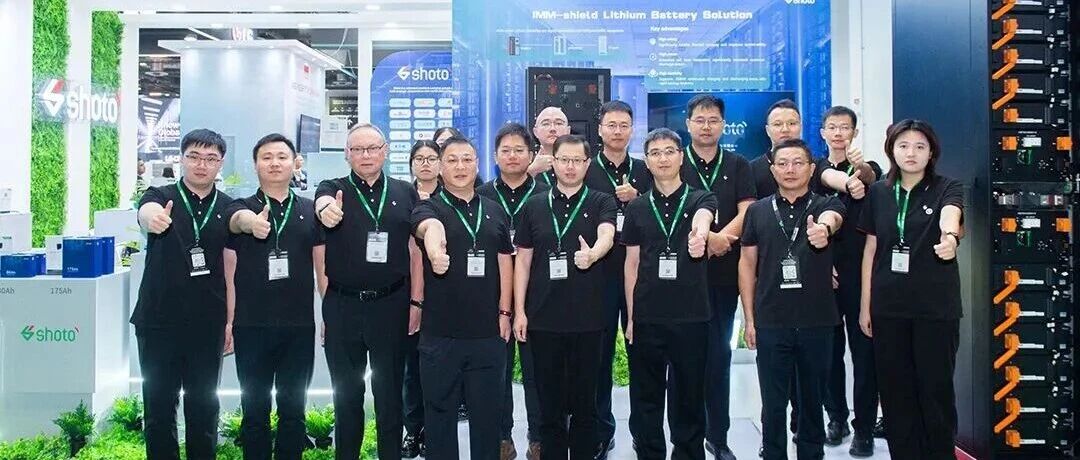
海外首发 闪耀狮城丨双登AIDC智算中心储能系统护航全球数字经济
21世纪经济报道· 2025-10-11 11:29
Core Viewpoint - The article highlights the significant advancements and strategic initiatives of the company, focusing on the launch of the AIDC intelligent computing center immersion lithium battery system, which addresses the critical demands of data centers for high safety and power output [3][5]. Product Innovation - The AIDC intelligent computing center immersion lithium battery system features four core advantages: high safety through immersion technology, high power output of up to 540 kW per cabinet, high flexibility in backup power with over 40% lower temperature rise compared to conventional lithium batteries, and full lifecycle assurance with advanced safety measures [5][7][8]. Strategic Partnerships - The company has signed a strategic partnership agreement with Thailand's Planet Systems to accelerate the development of the AIDC intelligent computing center market in Thailand, enhancing local service networks and project implementation [10][12]. Market Expansion - Southeast Asia is identified as a burgeoning hub for digital economy development, with increasing demands for data centers and energy transformation. The partnership aims to inject vitality into the region's energy transition and digital economy growth [12]. Commitment to Sustainability - The company is dedicated to building a reliable, efficient, and green energy foundation for zero-carbon computing, having established itself as a leader in global data center and communication storage solutions. It focuses on customized solutions and full-cycle guarantees to meet client needs [13].