
网络黑产

Search documents
央视呼吁全行业共治网络乱象、净化行业生态
Hua Xia Shi Bao· 2026-02-03 09:58
Core Viewpoint - The report highlights the rampant online misconduct in the automotive industry, particularly in the electric vehicle sector, and emphasizes the need for collective efforts to combat these issues for the healthy development of the industry [1][3]. Group 1: Online Misconduct in the Automotive Industry - The rapid growth of the automotive industry, especially in electric vehicles, has led to significant online misconduct, which is seen as a major obstacle to healthy industry development [1]. - Various forms of online misconduct include false evaluations, malicious defamation, and misleading information aimed at consumers, creating a complete industrial chain of online black market activities [1]. - The actions of certain self-media accounts, such as "Wang Wukong Says Car," which disseminated false information about BYD and were subsequently penalized by the court, exemplify the harmful impact of these online activities [1]. Group 2: Industry Response and Legal Actions - BYD's brand and public relations manager, Li Yunfei, stated that the root cause of black public relations and media lies with some competitors in the industry, indicating a need for a collective response to these issues [3]. - The program emphasized that addressing online misconduct in the automotive industry requires collaboration among regulatory bodies, car manufacturers, media, and consumers [3]. - BYD has successfully pursued legal action against individuals spreading false information, with a recent case resulting in a court ruling that ordered compensation of 2.01 million yuan for damages to its brand reputation [5]. Group 3: Call for Industry Collaboration - The report serves as a recognition of BYD's legal actions and sets a benchmark for the industry in terms of upholding legal rights and maintaining ethical standards [5]. - There is a call for the entire industry to unite against online misconduct, fostering a fair and orderly competitive environment to promote high-quality development [5].



起底汽车行业网络黑产:新车还没上市 AI黑稿就已刷屏
Yang Shi Xin Wen· 2026-01-30 05:30
Core Viewpoint - The rapid growth of the new energy vehicle (NEV) industry in China is accompanied by malicious competition and misinformation, leading to a significant impact on consumer perception and market health [2][4][22]. Group 1: Industry Growth and Challenges - By 2025, China's NEV production and sales are expected to exceed 16 million units, with NEVs accounting for over 50% of new car sales [2]. - The industry is facing challenges from malicious competition, including the spread of false information by influencers and competitors, which misleads consumers and hinders healthy industry development [2][4]. Group 2: Malicious Activities by Influencers - Influencers with large followings, such as "Wang Wukong Says Car," have been found guilty of defaming car brands, leading to legal consequences including public apologies and compensation [4][6]. - The National Internet Information Office has identified multiple influencers engaging in long-term malicious defamation of car companies, with some attempting to evade regulation by changing their account names [4][6]. Group 3: AI-Driven Misinformation - There is a rise in the use of AI to generate large volumes of misleading content about car brands, making it easier to spread false information while avoiding platform detection [7][9]. - A test demonstrated that AI can quickly produce numerous variations of negative reviews, indicating a low barrier to creating deceptive content [9][11]. Group 4: Impact on Consumer Perception - Misleading automotive reviews and tests have been used as tools to misinform consumers, with some videos going viral despite being based on false premises [12][13]. - The automotive industry is experiencing a significant impact from these deceptive practices, which can lead to consumer distrust and affect sales [12][15]. Group 5: Regulatory Response - In response to the rampant misinformation, multiple government departments have initiated a crackdown on illegal activities in the automotive sector, resulting in the closure of over 3,600 accounts and the removal of more than 111,300 pieces of defamatory content [26]. - The ongoing efforts aim to improve the online environment for automotive companies and restore consumer confidence in the industry [26].
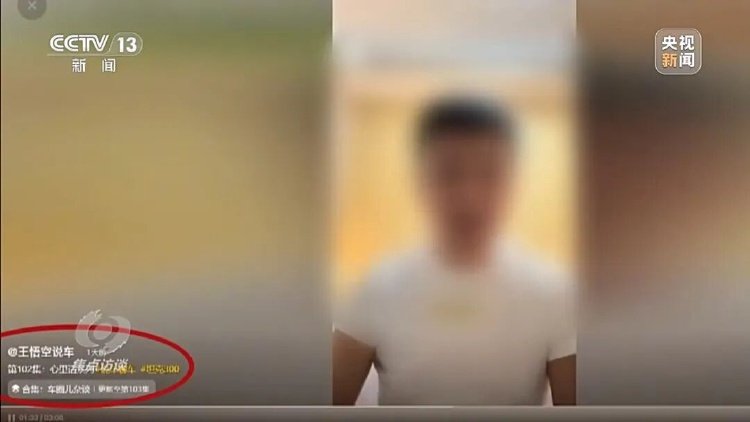
央视焦点访谈定调网络黑产是新能源汽车行业毒瘤, 理想公关人员出镜
理想TOP2· 2026-01-30 03:59
Core Viewpoint - The article emphasizes that the online black market has become a malignant tumor in the electric vehicle industry, harming corporate reputation, misleading consumers, and undermining fair competition, thus polluting the environment for innovation and sustainable development in the industry [40]. Group 1: Industry Overview - In 2025, China's new energy vehicle production and sales exceeded 16 million units, with new energy vehicles accounting for over 50% of domestic new car sales [2]. - The rapid growth of the industry has been accompanied by dissonant phenomena, including malicious competition and the dissemination of false information by some automotive bloggers [2][40]. - The electric vehicle sector has become a major target for large-scale online rumors, especially during high-attention periods such as new car launches and traffic accidents [13]. Group 2: Online Malpractices - The article discusses the emergence of organized attacks on corporate reputation, with some automotive influencers engaging in defamation and malicious commentary [6][12]. - A notable case involved an influencer who was fined for defaming a car brand, highlighting the legal consequences of such actions [4][28]. - The use of AI technology to generate misleading content has lowered the barrier for creating large volumes of false information, making it easier for malicious actors to spread rumors [11][12]. Group 3: Impact on Consumers and Companies - Consumers have reported significant distress due to online attacks, with over 1,700 complaint calls received by a company in less than a month regarding harassment and vandalism against car owners [22]. - The negative impact of these online attacks extends beyond companies to individual car owners, who face labeling and harassment due to their vehicle choices [21][22]. - The article notes that the spread of false information has led to a sharp decline in consumer trust and recognition of technological innovation in the industry [14][30]. Group 4: Regulatory Response - In response to these issues, multiple government departments have initiated a joint crackdown on online malpractices, resulting in the handling of over 28,000 reports and the removal of more than 111,000 pieces of defamatory content [38][39]. - The regulatory efforts aim to restore a healthy competitive environment and enhance the confidence of companies in innovation and development [39][40]. - The article concludes that ongoing high-pressure measures are necessary to combat illegal profiteering, exaggeration, and malicious defamation in the automotive sector [35][39].

车没上市AI黑稿已刷屏,起底新能源车圈黑水军产业链
Xin Lang Cai Jing· 2026-01-29 14:40
Core Viewpoint - The rapid growth of China's new energy vehicle (NEV) industry is accompanied by harmful practices such as malicious competition and misinformation, which hinder healthy industry development [1][9][11]. Industry Overview - By 2025, China's NEV production and sales are expected to exceed 16 million units, with NEVs accounting for over 50% of new car sales [1]. - The industry is experiencing a surge in malicious competition, with some influencers spreading false information to undermine competitors [1][10]. Regulatory Actions - Since September of last year, Chinese authorities have launched a special campaign to combat online misinformation and malicious attacks within the automotive sector [1][9]. - The National Internet Information Office has received over 28,000 complaints related to automotive industry infringements and has removed over 111,300 pieces of harmful content [10][11]. Impact of Malicious Practices - Malicious attacks not only damage individual brands but also threaten the overall integrity of the NEV industry [11][12]. - The prevalence of online misinformation is linked to unhealthy competition among car manufacturers, which has led to a toxic environment for fair competition [12][13]. Characteristics of Online Attacks - The attacks often involve organized efforts to discredit competitors, utilizing social media to spread negative information [10][14]. - Some influencers have been found to engage in coordinated campaigns to manipulate public perception, often for financial gain [15][18]. Use of Technology in Misinformation - The rise of AI technology has facilitated the rapid spread of false information, allowing for the mass production of misleading content [17][18]. - Influencers and content creators are using AI to generate deceptive reviews and comments, complicating the regulatory response [18][19]. Case Studies - A notable case involved the influencer "Wang Wukong Says Car," who was ordered to publicly apologize and compensate for defamation against a car brand [1][19]. - The court found that the influencer's statements contained false descriptions and derogatory evaluations that harmed the brand's reputation [19].
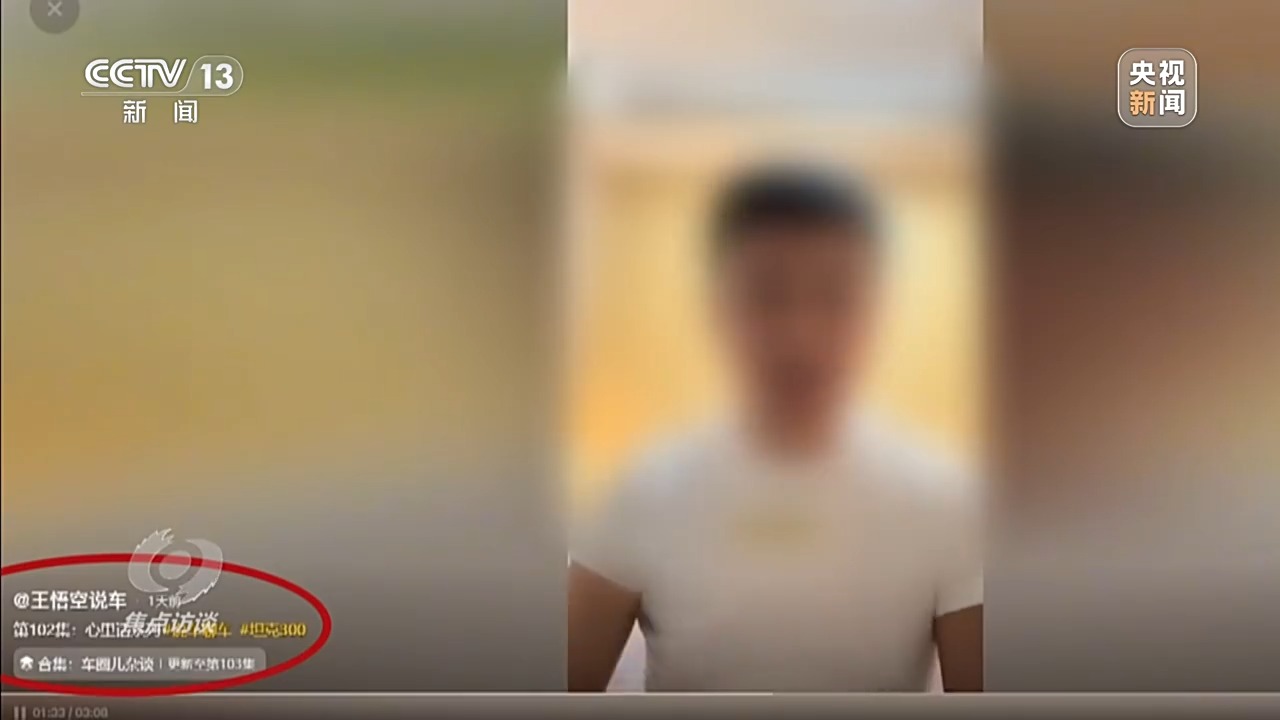
警惕!你的手机号可能正在“打车”
Xin Lang Cai Jing· 2026-01-24 13:23
Core Insights - The article highlights a significant case of personal information theft linked to a fraudulent ride-hailing service, revealing a criminal network that exploits citizens' data for financial gain [1][3]. Group 1: Criminal Activities - A criminal group, led by individuals identified as Zhong and his accomplices, registered numerous fake Didi accounts using stolen personal information, luring customers with low-cost ride services [3]. - The group accumulated over 20,000 yuan in illicit gains within a few months, affecting more than 900 individuals whose personal information was compromised [3]. Group 2: Law Enforcement Response - The police established a special task force and initiated a cross-provincial collaboration to dismantle the criminal network, successfully apprehending two suspects and seizing multiple devices and thousands of stolen phone numbers [5][7]. - The ongoing investigation aims to further address the criminal activities and protect citizens' rights and safety [5]. Group 3: Public Safety Advisory - Authorities urge the public to avoid unofficial ride-hailing services and to safeguard personal information, warning that seemingly attractive offers may lead to data breaches and financial losses [8]. - Citizens are encouraged to report any suspicious activities related to personal information theft or illegal ride-hailing services to law enforcement [8].
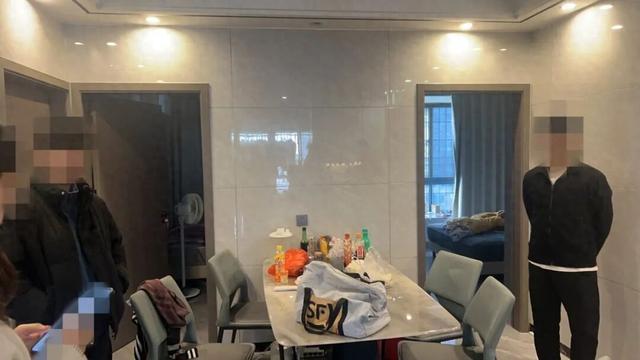
理想汽车:黑水军恶意抹黑产品质量,将坚持使用法律武器捍卫声誉
Xin Lang Cai Jing· 2025-12-17 10:12
Core Viewpoint - The legal department of Li Auto has reported organized attacks and defamation against the company and its customers, including violations of personal information and the spread of false information about the company's operations and product quality [1][11]. Group 1: Organized Attacks - Li Auto has identified a pattern of organized and premeditated attacks aimed at inciting division among its customer base, which constitutes typical illegal activities by "internet water armies" [1][11]. - The company emphasizes that these unlawful actions not only infringe on the personal information and reputation of its customers but also severely impact its brand reputation and normal business operations [1][11]. Group 2: Law Enforcement Action - The Yantai Public Security Bureau has successfully dismantled a gang involved in the organized dissemination of negative information about electric vehicle brands, arresting 12 individuals and seizing over 1 million yuan in funds, while shutting down more than 8,000 accounts [3][13]. - Since July, companies like Xiaomi, Huawei, and Li Auto have reported a surge in negative articles targeting their brands, indicating a high level of organization in these attacks [3][13]. Group 3: Investigation Findings - Investigators identified over 3,000 negative articles that originated from accounts with short registration times and unusual activity, suggesting a clear pattern of industrialized operations by suspected "internet water armies" [6][16]. - The criminal group utilized technical tools to scrape keywords related to major brands and employed artificial intelligence to produce low-quality, repetitive "internet garbage" solely for profit from platform traffic [6][16]. Group 4: Evidence Collection and Future Actions - The special investigation team analyzed over 80,000 pieces of online information and traced over 100,000 financial transactions to clarify the gang's organizational structure and operational processes [9][19]. - Yantai Public Security will continue to focus on protecting emerging industries and enhancing market vitality through ongoing net-cleaning and rumor-busting initiatives [9][19].

大快人心!美英联手查封150亿,比特币洗钱曝光,电诈帝国崩塌
Sou Hu Cai Jing· 2025-10-21 13:37
Core Viewpoint - The article discusses the dramatic downfall of Chen Zhi, a notorious figure in the Southeast Asian cyber fraud scene, whose assets, including 127,271 bitcoins valued at approximately $15 billion, were seized by the U.S. Department of Justice, marking a significant crackdown on cybercrime and money laundering activities [2][19]. Group 1: Background of Chen Zhi - Chen Zhi, known as the "King of Cyber Fraud," holds a noble title in Cambodia and controls around 10 publicly listed companies in Hong Kong, with over 100 subsidiaries globally [4]. - Initially an ordinary youth from Fujian, China, Chen Zhi made his fortune through gray market activities, particularly by operating private servers for the popular game "Legend" [6][7]. - After the crackdown on online black markets in China, he relocated to Cambodia, where he capitalized on the lax regulatory environment to invest in real estate [9]. Group 2: Business Operations and Criminal Activities - In Cambodia, Chen Zhi established a network of political and business connections, leveraging his investments in real estate to build a powerful influence [9][13]. - His operations expanded into various lucrative sectors, including real estate, banking, telecommunications, and gambling, while simultaneously running multiple cyber fraud schemes [13][15]. - Chen Zhi's fraud operations involved managing 1,250 mobile phones and 76,000 social media accounts to execute scams, leading to significant financial losses for victims [15]. Group 3: Legal Actions and Consequences - The U.S. Department of Justice filed criminal charges against Chen Zhi for telecommunications fraud and money laundering, initiating civil proceedings to confiscate his bitcoins [19]. - The U.K. also froze 19 of his properties in London, labeling him as a criminal using illicit funds to acquire real estate [19]. - The U.S. Treasury designated his company, Prince Group, as a "transnational criminal organization," freezing assets and prohibiting U.S. transactions with him and associated individuals [19][21]. Group 4: Broader Implications - The case highlights the vulnerabilities in cryptocurrency transactions, demonstrating that even decentralized currencies like Bitcoin can be traced and seized through coordinated law enforcement efforts [27]. - The involvement of Taiwanese companies in the money laundering operations indicates a broader network of complicity in Chen Zhi's fraudulent activities [23]. - The article concludes that Chen Zhi's empire, built on deceit and exploitation, is likely to collapse under legal scrutiny, emphasizing the risks associated with illicit financial activities [29].
警告!理想汽车回应“车主被大量抹黑”
证券时报· 2025-08-07 02:37
Core Viewpoint - Li Auto has reported a surge in misleading negative information targeting its vehicle owners across various online platforms, which has severely impacted the company's user image and caused significant disruption to the lives of its customers [2][5]. Group 1: Legal Actions and Company Response - The company has confirmed that the negative information has been continuously and intensively published across multiple platforms, indicating organized illegal activities [5]. - On August 3, for instance, one platform alone saw 45 identical posts related to Li Auto owners within a span of just seven hours, showcasing the coordinated nature of the attacks [5]. - Li Auto has vowed to take all necessary legal actions, including filing complaints, civil lawsuits, and criminal reports, to protect the rights of its users and the company [5][7]. Group 2: Evidence of Organized Malicious Activities - Evidence has emerged of a "black production workshop" where individuals are paid to collect and disseminate negative content about Li Auto, with specific pricing for different types of content [7]. - The pricing structure includes 5 yuan for a photo of improper parking and 8 yuan for a video, while malicious text comments are priced at 1.5 yuan each, increasing to 2 yuan for comments with images [7]. Group 3: Market Reaction - Following these developments, Li Auto's stock has seen a decline, with a nearly 2% drop in Hong Kong and over a 5% drop in the U.S. market [8].
百度副总裁女儿“开盒”孕妇的社工库到底是什么?
凤凰网财经· 2025-03-20 12:55
以下文章来源于启阳路4号 ,作者风暴眼工作室 启阳路4号 . 聚焦财经热点事件,通过深度调查寻找财经真相。 近日,"百度副总裁谢广军女儿开盒孕妇"事件登上热搜,引发网友热议,也引起人们对个人隐私保护的担忧。百度3月19日发声明称,坚决谴责这种窃取和 公开他人隐私的网络暴力行为,百度对于任何侵犯用户隐私的行为都是零容忍。 百度强调,实际上,开盒信息并非源自百度。经过调查,它们来自海外的社工库——一个通过非法手段收集个人隐私信息的数据库。相关调查过程已取 证,并得到公证机关公证。 社工库,这个在大众眼里略显陌生的词汇,究竟是什么?事实上,它隐匿在黑市中,堂而皇之地窥伺我们每个人的生活,有人把它比作互联网的"天眼"。 它,是一个数据库,其末端渗透快递、酒店等各行各业,如果有必要,它能触及每个人的一切信息。2023年6月,凤凰网财经曾深入潜伏暗网,起底这个让 我们的隐私"裸奔"的黑产。 以下是报道原文: 偷窥、欺诈、黑吃黑,暗网江湖里的隐私生意 01 每个人都在裸奔 初听"社工库"时,由大脑神经中枢发出的颤栗信号传遍了全身——它几乎能透视个人所有的信息,还明码标价售卖给有需要的人。 当然,这是后话。在社工库那个无所不 ...
