美国财政恶化

Search documents
罗娜·奥康奈尔:现货黄金年内向3000美元下跌
日经中文网· 2025-09-07 00:32
Core Viewpoint - The article discusses the expectations for gold prices, indicating that they are projected to decline towards $3000 by the end of December 2023, influenced by geopolitical risks, U.S. interest rate cuts, and central bank purchases of gold [1][3]. Group 1: Gold Price Expectations - Gold prices reached historical highs in September 2023, with both New York gold futures and London spot prices hitting record levels [1]. - The anticipated decline in gold prices is attributed to the market having already absorbed many factors that contributed to the price increase from the second half of 2023 to the first half of 2025 [3]. Group 2: U.S.-China Trade Relations - The uncertainty surrounding U.S. tariff policies has largely been factored into the market, with both the U.S. and China recognizing the importance of their trade partnership, suggesting a compromise will be reached [5]. - It is believed that there will not be a repeat of the significant impacts seen during the announcement of reciprocal tariffs in April [5]. Group 3: U.S. Fiscal Policy and Federal Reserve - The deterioration of U.S. fiscal conditions is seen as a potential upward factor for gold prices; however, the passage of a large tax and spending bill in July has reduced some uncertainties that could have supported market trends [6]. - Concerns about the debt ceiling are present, but with the Republican majority in both chambers, there is a possibility of raising the debt ceiling without causing foreign investors to sell U.S. Treasury bonds due to fears of default [6]. - The pressure from former President Trump on the Federal Reserve has created uncertainty that supports gold prices, but there are doubts about the overall outlook for gold [6].


美债的“安全神话”正在瓦解
日经中文网· 2025-07-11 08:15
Core Viewpoint - The trend of central banks and institutional investors shifting from U.S. Treasury bonds to gold is strengthening, with expectations that this influx into gold will continue for decades due to increasing fiscal spending and money supply, which may devalue the dollar [1][7]. Group 1: Investment Trends - There has been a significant outflow of funds from U.S. long-term bond funds, amounting to approximately $10 billion from April to June, marking the largest outflow since the market turmoil in early 2020 [4]. - Investors are increasingly reconsidering their holdings in long-term U.S. Treasury bonds, reflecting growing concerns about the U.S. fiscal situation and the potential for inflation [5][6]. - The traditional view of U.S. Treasury bonds as a stabilizing asset in investment portfolios is changing, as both stocks and bonds have shown correlated declines during recent market shocks [6]. Group 2: Institutional Insights - The head of the securities department at the Japan Chamber of Commerce and Industry has successfully adjusted investment strategies to include gold, viewing it as a suitable asset to hedge against risks in both stocks and bonds [3]. - A report from the OMFIF indicates that one in three central banks plans to increase their gold holdings, signaling a cautious shift away from dollar-denominated assets like U.S. Treasury bonds [6].
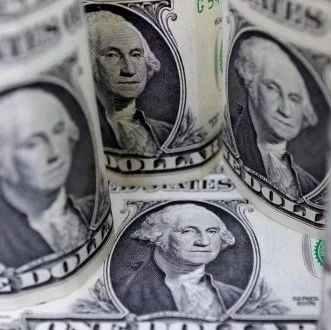
有色金属行业跟踪周报:关税政策反复叠加美债拍卖遇冷,美国财政恶化驱使黄金价格再度走牛
Soochow Securities· 2025-05-25 08:23
Investment Rating - The report maintains an "Overweight" rating for the non-ferrous metals sector [1]. Core Views - The non-ferrous metals sector experienced a weekly increase of 1.26%, ranking it in the middle among all primary industries. Precious metals saw a significant rise of 5.58%, while industrial metals increased by 1.86% [1][14]. - The report highlights that tariff policies and a cooling U.S. Treasury auction have negatively impacted macroeconomic sentiment, leading to a weakening in industrial metals [1][24]. - Gold prices have surged due to deteriorating U.S. fiscal conditions, with COMEX gold closing at $3,357.70 per ounce, a 4.75% increase week-on-week [4][49]. Summary by Sections Market Review - The Shanghai Composite Index fell by 0.57%, while the non-ferrous metals sector rose by 1.26%, outperforming the index by 1.83 percentage points [14]. - Among the sub-sectors, precious metals led with a 5.58% increase, followed by industrial metals at 1.86%, while small metals and new materials declined [1][14]. Industrial Metals - **Copper**: As of May 23, LME copper was priced at $9,614 per ton, up 1.76% week-on-week. Supply remains tight due to mining incidents, but domestic smelting capacity is unaffected [2][32]. - **Aluminum**: LME aluminum closed at $2,466 per ton, down 0.62%. The supply side is impacted by the shutdown of bauxite mines in Guinea, leading to a significant rise in alumina prices [3][36]. - **Zinc**: LME zinc price increased by 0.78% to $2,713 per ton, with inventories decreasing [39]. - **Tin**: LME tin price fell by 0.46% to $32,665 per ton, with mixed inventory trends [45]. Precious Metals - Gold prices have risen significantly due to concerns over U.S. fiscal health, with a notable increase in both COMEX and SHFE gold prices [4][49]. - The report notes that the U.S. credit rating downgrade and a lackluster Treasury auction have further weakened market sentiment, contributing to the rise in gold prices [51][49]. Rare Earths - The report indicates stable supply and moderate demand for rare earths, with prices showing a slight decline [4]. News Highlights - The report discusses the implications of U.S. tariff policies and their potential impact on the market, particularly in relation to gold and industrial metals [4][51].