营销数字化转型

Search documents
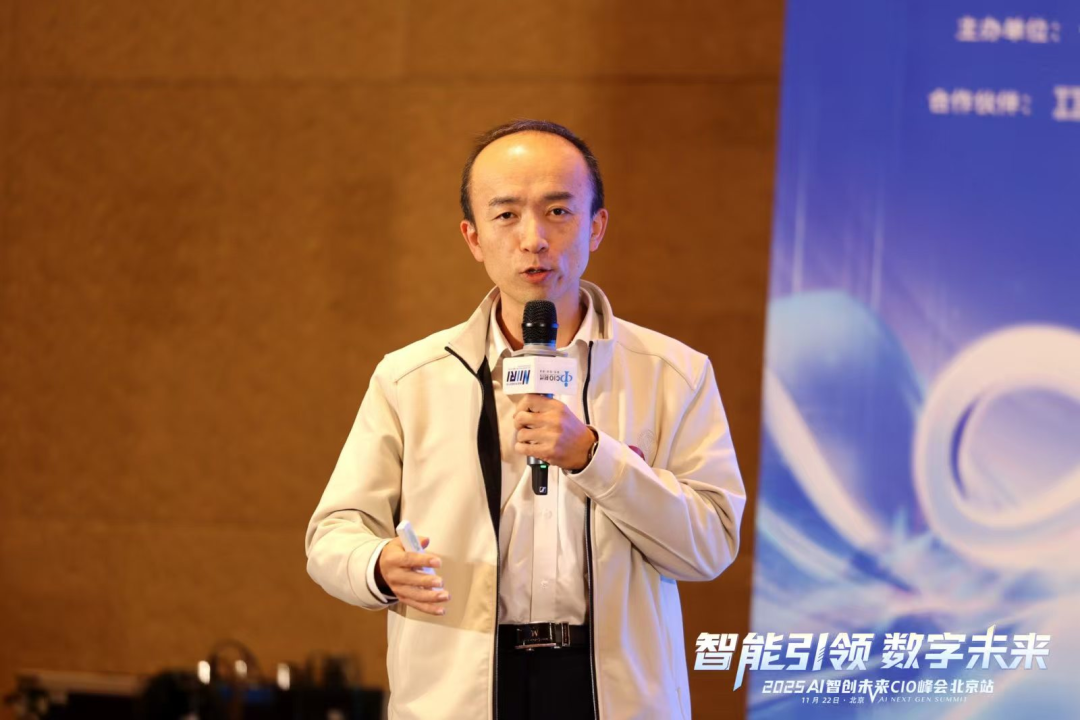
晶澳太阳能科技数字化总监张毅柱:在变革中破局,以数字强营销
Xin Lang Cai Jing· 2026-01-08 11:43
Core Insights - The conference "Smart Leadership, Digital Future | 2025 AI Intelligent Future CIO Summit" was recently held in Beijing, featuring a presentation by Zhang Yizhu, Digital Director of JA Solar Technology Co., Ltd., on "Marketing Digital Transformation Guided by Business Change" [1][13] Industry Context - The photovoltaic industry is undergoing significant changes, facing challenges such as price declines and intensified market competition, leading to a consensus on the need for "transformation" and "change" [4][16] - The market has shifted from a seller's market, characterized by "producing as much as possible," to a buyer's market, necessitating a change in marketing strategies to focus on demand-driven production [4][16] Marketing Digital Transformation Strategy - JA Solar emphasizes a step-by-step approach to marketing digital transformation, advocating for quick wins through opportunity management, production-sales collaboration, customer management, and risk warning systems [3][15] - The company recognizes the urgency of marketing transformation, driven by the need for market insight, precise customer management, and improved collaboration efficiency [5][17] Implementation Framework - The core logic of JA Solar's digital transformation is that "digitalization serves business needs, not the other way around," focusing first on identifying business pain points and setting clear transformation goals [6][18] - The transformation is structured around a dual support system of "architecture + culture," ensuring that digital functions align with specific business scenarios and fostering a culture of proactive participation among employees [6][18] Phased Approach to Transformation - The transformation is divided into five phases, each focusing on a core objective to ensure visible results and build confidence [19][20] - Phase 1: Online opportunity management, improving monitoring efficiency by over 60% [20] - Phase 2: Digital production-sales collaboration, enhancing supply chain response speed by 40% [20] - Phase 3: Precise customer management through a customer classification model [20] - Phase 4: Intelligent risk warning systems, improving contract risk identification accuracy by 80% [20] - Phase 5: Long-term customer management plans to foster win-win partnerships [21] Key Takeaways for Transformation - Successful transformation requires leadership commitment, with the chairman leading the initiative and establishing a cross-departmental change management committee [10][22] - Process optimization must precede digitalization, ensuring that workflows are efficient before being digitized [10][22] - Employees must perceive tangible benefits from the transformation to reduce resistance and foster motivation [10][22] Future Directions - JA Solar aims to enhance "full-link intelligent collaboration" in marketing, leveraging AI to analyze customer interactions and synchronize global market data for informed decision-making [11][23] - The company views marketing digital transformation as an ongoing process rather than a one-time project, striving to maintain a competitive edge in the evolving photovoltaic industry [11][23] Conclusion - JA Solar's marketing digital transformation serves as a valuable example for the industry, emphasizing the importance of aligning business needs with digital tools and fostering a supportive culture to navigate changes effectively [12][24]


Ollie's Bargain Outlet (OLLI) - 2026 Q3 - Earnings Call Transcript
2025-12-09 14:32
Financial Data and Key Metrics Changes - Net sales increased by 19% to $614 million, driven by new store openings and comparable store sales growth [18] - Comparable store sales increased by 3.3%, supported by a mid-single-digit increase in transactions, partially offset by a decrease in average ticket price [18] - Adjusted net income rose by 29% to $46 million, with adjusted earnings per share increasing to $0.75 [19] - Adjusted EBITDA increased by 22% to $73 million, with an adjusted EBITDA margin of 11.9% [19] - Total cash and investments increased by 42% to $432 million, with no meaningful long-term debt [20] Business Line Data and Key Metrics Changes - The company opened 32 new stores in Q3, totaling 645 stores, representing an 18% year-over-year growth [17] - Membership in the Ollie's Army loyalty program increased by 12% to 16.6 million members, driven by new customer acquisition [17] - The top five performing categories were food, seasonal, hardware, stationery, and lawn and garden [19] Market Data and Key Metrics Changes - The company noted strength in higher-income consumers, particularly those with household incomes above $100,000, while lower-income consumers showed some softness [31] - The company is benefiting from a challenging retail environment, allowing it to secure attractive second-generation real estate sites [8] Company Strategy and Development Direction - The long-term target is to reach 1,300 stores, with a commitment to a minimum of 10% annual unit growth [7] - The company is focusing on customer acquisition and loyalty through the Ollie's Army program, which has seen a 30% year-over-year increase in new memberships [9] - The marketing strategy is shifting towards a digital-first approach, reallocating resources from print to digital media [14][56] Management's Comments on Operating Environment and Future Outlook - Management expressed confidence in the company's positioning, citing strong deal flow, expanding customer base, and widening price gaps [26] - The company raised its full-year sales and earnings outlook based on better-than-expected Q3 results and a strong start to Q4 [6][22] - Management acknowledged the challenges in the retail environment but emphasized the opportunities for growth and market share capture [15] Other Important Information - The company plans to expand its Texas distribution center by 150,000 sq ft and increase service capacity by approximately 50 stores [15] - Capital expenditures totaled $31 million for the quarter, primarily for new store openings and the build-out of acquired stores [21] Q&A Session Summary Question: Can you frame out the state of your consumer in light of your basket commentary? - Management noted strength in higher-income consumers and some softness in lower-income consumers, potentially due to external factors like government shutdowns [31] Question: Could you elaborate on the components of the third-quarter comp? - Management reported a positive 3.3% comp, with mid-single-digit positive transaction trends, while basket size declined due to lower average unit retail [37] Question: Can you talk about customer acquisition trends? - Management highlighted strong customer acquisition, particularly among younger demographics, and noted that retention rates are also strong [46] Question: What are your thoughts on the 2026 comp build? - Management indicated that they expect to maintain a traditional 1%-2% comp guidance while acknowledging potential tailwinds from market conditions [96] Question: How are new stores performing, especially those in bankruptcy locations? - New store performance has been strong, with many stores outperforming expectations, particularly those near closed Big Lots locations [68]

破产茅台经销商的血泪自白:我们不是在卖假酒,我们是在割自己的肉!
Xin Lang Cai Jing· 2025-12-04 17:24
Core Viewpoint - The management of Moutai indicates that the liquor industry has entered a "stock competition" era, and adjustments in the industry may continue for some time, making a quick recovery unlikely [1] Group 1: Industry Trends - Moutai's management plans to embrace digitalization and e-commerce platforms, promoting a digital marketing transformation and the integration of online and offline channels [1] - The management acknowledges that digital channel shopping is a major trend, despite challenges to the pricing system and consumer rights protection posed by e-commerce platforms [1] Group 2: Dealer Challenges - Some Moutai dealers are reportedly lowering prices on e-commerce platforms due to survival pressures, with users sharing experiences of purchasing Moutai at lower prices [1] - Dealers express frustration over being labeled as "industry criminals" for selling at lower prices, arguing that they are merely trying to survive in a tough market [3][5] Group 3: Investor Sentiment - Some investors are questioning the authenticity of Moutai sold on e-commerce platforms, claiming that these products are "fake" and accusing dealers of being "criminals" in the industry [1] - A dealer's testimony highlights the disconnect between investors and the realities faced by dealers, emphasizing the financial strain and the pressure to sell at a loss to maintain cash flow [6][7]


茅台新任董事长陈华:坚持市场化原则,确保产业链参与者利益能被合理保障
Xin Lang Cai Jing· 2025-11-28 07:26
Core Viewpoint - The article highlights the launch of a new platform by Guizhou Moutai to provide consumers with real-time market prices for its products, emphasizing the company's commitment to digital transformation and consumer convenience [1] Group 1: Company Initiatives - Guizhou Moutai held its first extraordinary shareholders' meeting for 2025 on November 28, where the chairman Chen Hua reiterated the company's focus on making Moutai liquor easily accessible and authentic for consumers [1] - The company is actively promoting the digital transformation of its marketing strategies, integrating online and offline channels to enhance consumer experience [1] - Moutai aims to fundamentally address the issue of "difficulty in purchasing liquor" by ensuring a better match between supply and demand [1] Group 2: Market Strategy - The company emphasizes adherence to market principles to ensure that the interests of all participants in the industry chain are reasonably protected [1] - Moutai is committed to building a long-term, stable, and win-win channel ecosystem to support its market strategy [1]
品牌运营:品牌私域运营超实用手边书Pro2.0
Sou Hu Cai Jing· 2025-08-19 23:35
Core Insights - The report emphasizes that brand private domain operations are not just operational tools but represent a new market model focused on achieving user growth, reducing churn, and enhancing conversion rates through continuous optimization across multiple dimensions such as traffic, content, and operations [1][5][6]. Traffic Management - Continuous user acquisition is essential, utilizing methods like sample machines and BA incentives to attract traffic, while also focusing on recruitment details [1][6]. - The report highlights the importance of integrating offline traffic into online communities, particularly in the beauty sector, to enhance user engagement [1][8]. User Engagement - Customizing content based on user needs and designing private domain journeys are crucial for increasing user activity [1][6]. - The concept of "emotional economy" is introduced as a key to high conversion rates, alongside strategies for stimulating repurchase through category cross-selling [1][8]. Operational Strategies - The report discusses the necessity of leveraging emotional economics to improve conversion rates and reduce operational costs through community ecosystems [1][6]. - It suggests that brands should evaluate operational partners based on a private domain user value assessment model and validate content effectiveness through relevant data metrics [1][6]. Data and Technology Utilization - The application of technologies such as RPA, AI, and LCAP is recommended to ensure large-scale community operations, with a focus on defining core metrics and improvement methods [1][6]. - The report also explores multi-party collaboration models and provides case studies from the supermarket and beauty industries, emphasizing the need for customized operations that integrate automation and refined management for sustainable growth [1][5]. Industry Trends - The rise of private domain traffic is seen as a milestone in user-centric marketing and a catalyst for digital transformation in marketing strategies [5][6]. - The report indicates that private domain operations have become standard across various industries, with brands increasingly investing in optimizing these operations and validating their effectiveness through data [6][8].

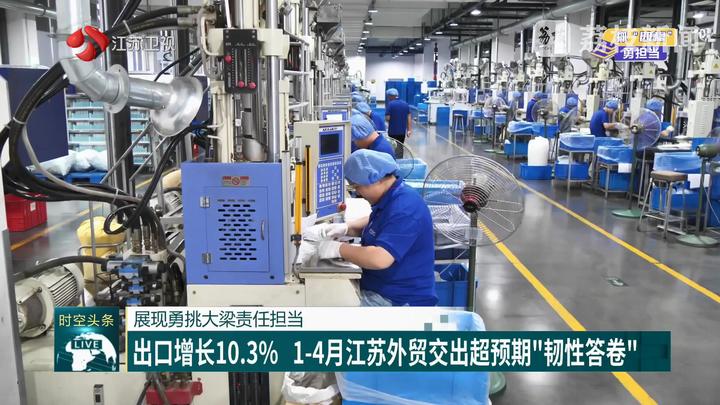
【抓四稳 勇担当 】出口增长10.3% 1-4月江苏外贸交出超预期“韧性答卷”
Yang Zi Wan Bao Wang· 2025-05-18 10:47
Core Viewpoint - Jiangsu's foreign trade has shown resilience and growth despite external challenges, with a total import and export value of 1.85 trillion yuan in the first four months of the year, marking a 5.7% increase year-on-year, and a 10.3% increase in exports [1][17]. Group 1: Trade Performance - In the first four months of 2023, Jiangsu's total goods trade value reached 1.85 trillion yuan, reflecting a year-on-year growth of 5.7% [1]. - Exports from Jiangsu increased by 10.3% during the same period, indicating a robust performance amidst external pressures [1]. Group 2: Business Adaptation - Many foreign trade companies in Jiangsu are ramping up production and fulfilling orders as trade with the U.S. resumes [3]. - Jiangsu Huaten Personal Care Products Co. has received new orders from U.S. clients, signaling a recovery in trade relationships [5]. - Companies are diversifying their markets and integrating digital marketing strategies to navigate uncertainties [7]. Group 3: Government Support - The Jiangsu government has implemented supportive policies to assist businesses, including the establishment of foreign trade work teams to address companies' needs [13]. - A cross-border e-commerce service platform has been developed to provide comprehensive support for companies looking to expand internationally [15]. Group 4: Market Opportunities - Jiangsu's cross-border e-commerce platforms saw a 63.8% year-on-year increase in imports and exports from January to April [11]. - Trade fairs and events have been organized to connect businesses with potential partners, resulting in significant order signings, such as over 400 million yuan at a recent home textile product fair [11].