贝塔系数

Search documents
What Is Risk?
Seeking Alpha· 2026-02-03 07:15
Core Viewpoint - The primary focus of the article is on the concept of risk in investing, particularly the risk of permanent capital loss, and how it can be minimized through various measures and indicators [3][11]. Group 1: Understanding Risk - "Risk" is often used in investing but lacks a clear definition, with the most significant aspect being the risk of permanently losing capital [3]. - Two dominant measures of risk in professional investing are equity beta, which indicates a stock's sensitivity to market movements, and Value at Risk (VaR), which estimates the maximum expected loss over a specific time frame at a defined confidence level [4][5]. Group 2: Limitations of Risk Measures - Both equity beta and VaR are criticized for being historical measures that may not predict future outcomes accurately, as they rely on past patterns [6]. - A Monte Carlo model can be used to enhance VaR calculations, but it does not guarantee protection against all potential outcomes [6]. Group 3: Risk Management Strategies - Private investors are encouraged to adopt a pragmatic approach to risk management by identifying key indicators that historically signal the end of a bull market [8]. - The author lists ten indicators that suggest a potential end to the current secular bull market, noting that all indicators are currently met, indicating a possible market downturn [11]. Group 4: Market Behavior and Speculation - The article highlights a prevailing speculative mentality among investors, where the desire to follow trends can lead to dangerous market behavior [14]. - Evidence of speculative fever is illustrated through the performance of unprofitable Nasdaq stocks, which have shown high returns, signaling excessive risk-taking [19]. Group 5: Current Investment Strategy - The company maintains a nearly fully invested position while adopting a defensive strategy, focusing on low beta equities and commodities, particularly gold, to mitigate risks [23]. - Despite a defensive approach, the company achieved a remarkable return of +29.24% for USD investors in 2025, raising concerns about the level of risk taken [24].


5.45%暴跌日:我用数据看穿市场谎言
Sou Hu Cai Jing· 2025-11-18 08:03
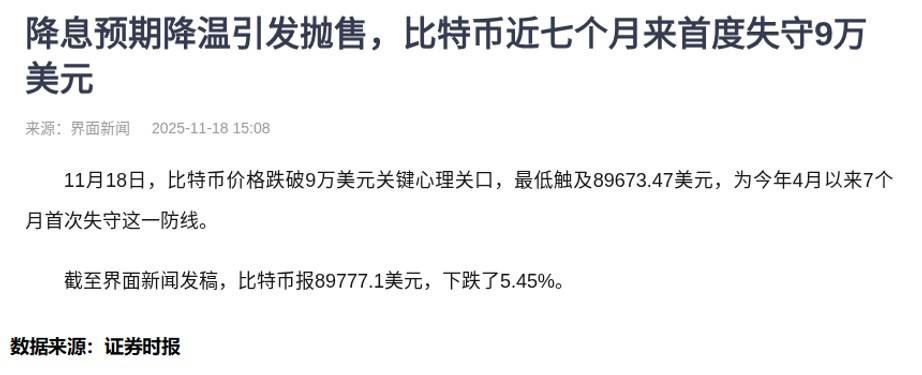
Group 1 - The core viewpoint of the article highlights the alarming drop in Bitcoin prices, with a significant gap observed at $89,673.47, indicating a potential market crisis reminiscent of the 2021 downturn [1] - The liquidity pressure index shows a steep decline, indicating that hot money is evaporating at a rate of $300 million per hour, signaling a critical market condition [2] - The probability of interest rate cuts by the Federal Reserve falling below 50% is identified as a triggering factor for the market downturn, while hedge funds had already positioned themselves for a bearish trend weeks in advance [4] Group 2 - The article discusses the illusion of bull markets, emphasizing that true opportunities are only recognized by those who can track institutional inventory data, which reflects the real movements of large funds [5] - A quantitative model is mentioned that successfully identified a stock that appeared to be in decline but was actually experiencing hidden strength, illustrating the concept of "false declines" [8] - The article warns that recent Bitcoin rebounds have low institutional participation, indicating a "dead cat bounce" rather than a genuine recovery [15] Group 3 - The article stresses the importance of data-driven analysis over traditional technical indicators, advocating for a focus on funding flows to understand market dynamics better [15] - It highlights the prevalence of misinformation among blockchain analysts, suggesting that many lack fundamental knowledge yet still provide market commentary [15] - The need for investors to discern genuine signals amidst market noise is emphasized, particularly in the context of Bitcoin's volatility and potential future price movements [14]
“白银挤压”即将见顶?下周或迎关键转折点!
Jin Shi Shu Ju· 2025-10-03 14:13
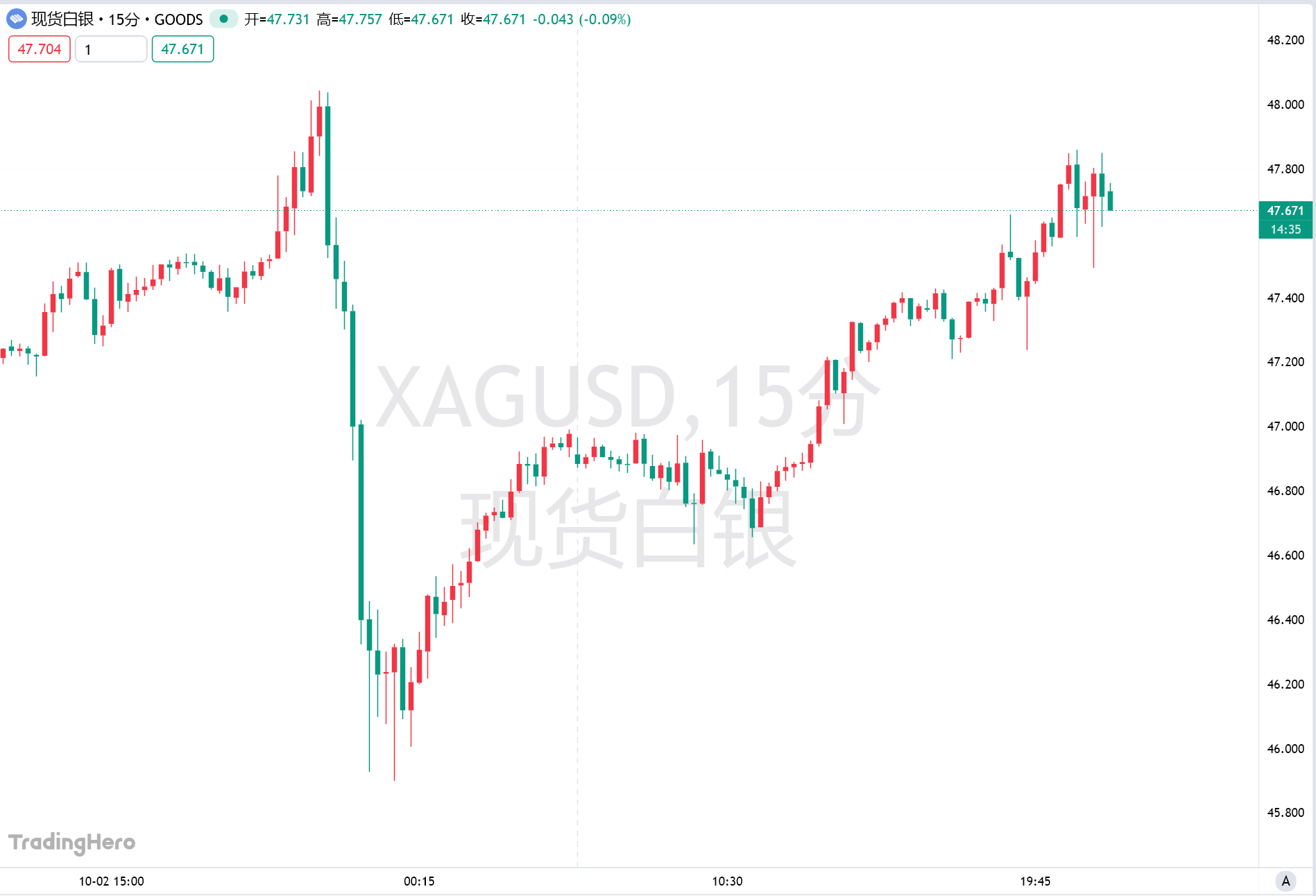
Group 1 - The core viewpoint is that silver prices are reaching a peak, with a significant increase of 65% this year, approaching a 14-year high and nearing the historical peak of $49.95 per ounce set in 1980 [1][5] - Silver leasing rates have surged to extremely high levels, indicating a severe depletion of silver inventories in the London market, exacerbated by a doubling of silver imports from India in September [3][4] - The absence of Chinese market participants during the National Day holiday has intensified the supply crunch in the silver market, which is expected to ease when they return [4][5] Group 2 - The relative strength index (RSI) for silver reached 82 this week, a level that historically precedes price declines, although the current surge is attributed to broader economic concerns rather than purely technical factors [5][6] - Silver is viewed as a hedge against inflation and economic instability, similar to gold, but with a higher beta coefficient, indicating greater price volatility [6] - The industrial applications of silver in sectors like solar energy and power generation provide it with unique value that gold does not possess, contributing to its price dynamics [6]
金银双双涨超预期,花旗再撕报告:上调三个月目标价!
Jin Shi Shu Ju· 2025-09-30 14:56
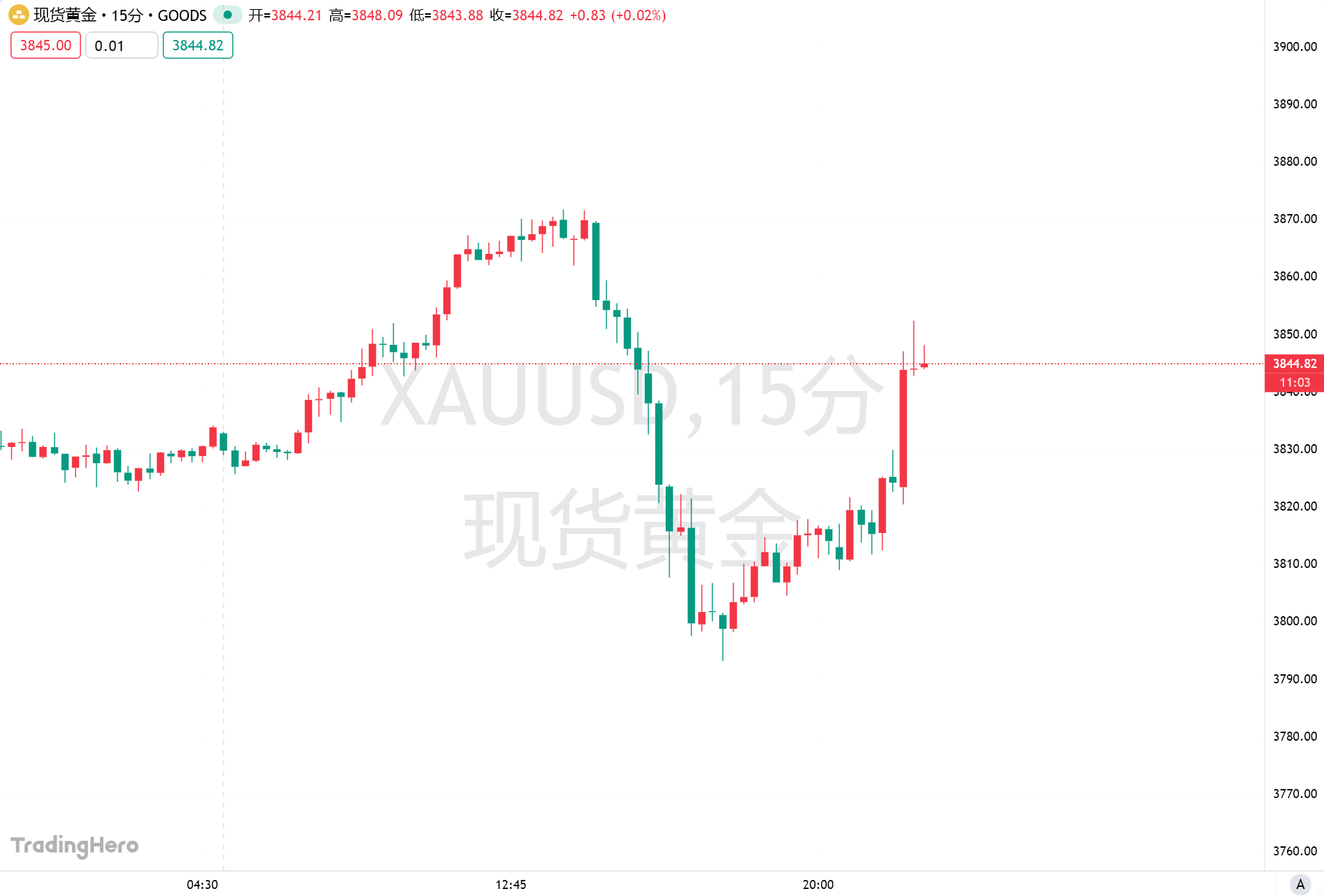
Core Insights - Citigroup has raised its gold and silver price targets for the next three months to $4,000 and $55 per ounce respectively, reflecting a significant increase in silver's relative value potential [2] - Silver has surged 60% since 2025, outperforming gold by approximately 15 percentage points, indicating a higher beta coefficient for silver, which suggests greater volatility compared to the overall market [2] - Structural factors driving the price increases include concerns over U.S. debt, the sustainability of the dollar's reserve currency status, and the independence of the Federal Reserve [3] Group 1 - The report by Maximilian J. Layton analyzes the structural and cyclical factors behind the rising prices of gold and silver, highlighting concerns over global economic growth and the U.S. labor market [3] - Layton's team anticipates that the physical gold market will respond to high prices, but factors like declining jewelry demand and increased scrap metal supply will take time to affect futures prices [3] - Citigroup suggests that if concerns about economic growth, inflation, and tariffs ease by 2026, investors may shift from gold and silver to copper and aluminum markets [3] Group 2 - The potential dismissal of Federal Reserve Governor Lisa Cook could lead to a more accommodative monetary policy, while a ruling against tariff policies could widen the U.S. fiscal deficit, both of which may further stimulate gold demand [4] - On Tuesday, spot gold reached a historical high of over $3,870 per ounce before retreating, but later recovered to erase all intraday losses [5]