货币变局

Search documents
重大!美元暴跌10%!美联储降息,国际化新契机至!
Sou Hu Cai Jing· 2025-10-31 18:35
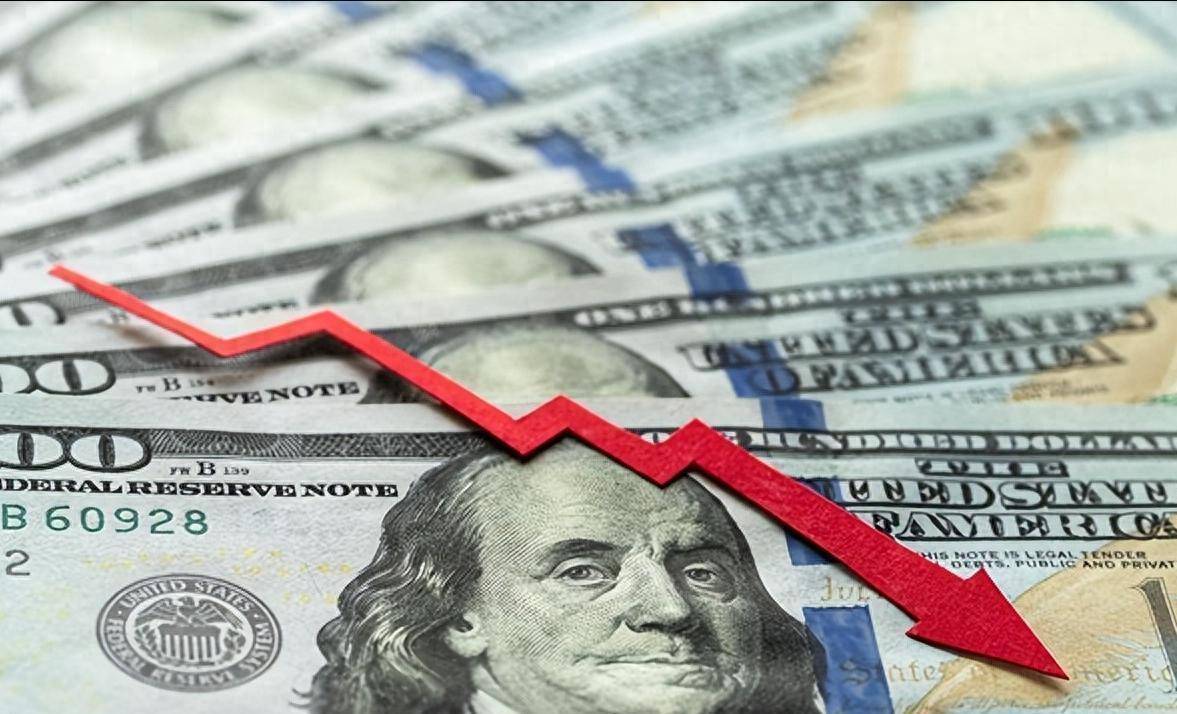
Core Viewpoint - The recent interest rate cut by the Federal Reserve led to a significant drop in the US dollar, with a 10% decline in a single day, marking the worst performance in five years. This situation presents unique investment opportunities, particularly for the Chinese yuan, which has gained strength amidst the dollar's weakness [4]. Market Reactions - Prior to the rate cut, over 500,000 put options on the dollar were already in place, indicating a strong market expectation for a dollar decline. Following the Fed's decision, the dollar index fell below 102, prompting market makers to sell off dollar assets aggressively, resulting in a $20 billion sell-off in one day [3]. - The borrowing cost of the dollar has sharply decreased, with the 3-month LIBOR/OIS spread narrowing to 15 basis points. This has led to a rush among companies and banks to liquidate their dollar holdings for cash [5]. Currency Dynamics - The US Treasury's reduced bond issuance in October, down 15% from September, has contributed to the dollar's decline, as the market lacks a strong "capital-absorbing" mechanism [5]. - The Chinese yuan has surged to 6.82 against the dollar, with cross-border payment volumes reaching trillion-level transactions in a single day, indicating a shift in currency usage [4]. Trade and Investment Trends - The volume of cross-border RMB settlements is projected to reach 64.1 trillion yuan in 2024, a year-on-year increase of 22.5%. In border trade with countries like Vietnam and Malaysia, RMB settlements now account for over 50% [9]. - The global foreign exchange reserve share of the RMB has risen to 2.2%, with significant purchases of RMB assets by central banks in Brazil and India, reflecting growing international interest [9]. Future Outlook - The Congressional Budget Office predicts that the US fiscal deficit will soar to $1.8 trillion by 2026, which could lead to increased issuance of US Treasury bonds and a potential rebound in dollar yields [7]. - The RMB's cross-border settlement share could exceed 20% if the Fed cuts rates three more times by 2026, establishing RMB settlements as a new norm in energy and bulk trade [14].

中金:股市配置的空间
中金点睛· 2025-09-15 23:31
Core Viewpoint - Financial cycle adjustments lead to significant changes in asset allocation, with a systematic increase in the proportion of safe assets and a decrease in real estate allocation, while stock assets may see a systematic increase [2][3][4]. Group 1: Financial Cycle Adjustments - Financial cycle adjustments indicate a shift in economic growth models, emphasizing efficiency improvements from technological innovation and population quality [3][4]. - The analysis shows that after a peak in real estate prices, the proportion of safe assets increases by over 5 percentage points in the fifth year, while real estate allocation decreases by about 8 percentage points, and stock allocation increases by approximately 3 percentage points [2][3]. - In the sixth to tenth years post-peak, safe asset allocation rises by around 5 percentage points, real estate allocation declines by about 10 percentage points, and stock allocation increases by approximately 5 percentage points [2][3]. Group 2: Asset Allocation Changes - The adjustment in the financial cycle leads to a significant change in investor risk preferences, with a tendency for safe assets to increase in allocation [5][6]. - International experiences show that after a financial cycle peak, the proportion of real estate in household asset allocation decreases systematically, while stock-related assets increase [7][10]. - For example, in the U.S., even after real estate prices recovered to previous highs, the allocation to real estate decreased from 45.0% to 36.0%, while stock-related assets increased from 36.9% to 44.4% [8][10]. Group 3: Impact on Chinese Market - In China, the proportion of safe assets in urban households is estimated to rise from about 16% in 2021 to approximately 27% by Q3 2025, while real estate allocation is expected to decrease from 74% to 58%, and stock-related assets to increase from 9% to 15% [16][17]. - The shift in monetary policy, particularly the increase in fiscal contributions to money supply, is expected to support the rise of stock allocations while reducing the appeal of real estate investments [17][20]. - The analysis indicates that the stock market's elasticity to monetary supply has increased, while the elasticity of the real estate market has decreased, suggesting a shift in investor focus towards equities [22][24]. Group 4: Sector Performance and Valuation - The differentiation in return on equity (ROE) and return on assets (ROA) between traditional and new economy sectors has become more pronounced, with new economy sectors showing improvement while traditional sectors lag [51][52]. - The valuation of new economy sectors has increased significantly, while traditional sectors have seen little change, indicating a potential need for traditional sectors to improve their valuations to sustain market growth [56][57]. - The analysis of A-share market performance shows that the new economy sectors have outperformed traditional sectors, aligning with the broader trend of efficiency-driven growth [59].