轻资产重资本

Search documents
“十五五”资本市场走向何方?周延礼、吴晓求、王忠民等大咖发声
Di Yi Cai Jing· 2025-11-20 13:27
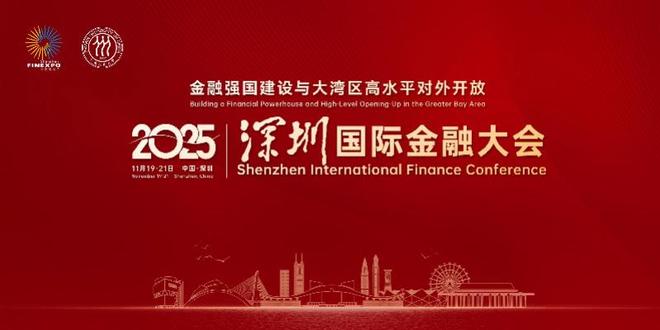
Group 1 - The transformation from heavy assets to light assets and vice versa is shaping a new model in the financial narrative, creating numerous secondary market trading opportunities [1] - The theme of the "2025 Shenzhen International Financial Conference" is "Building a Financial Power and High-Level Opening Up of the Greater Bay Area" [1] - Experts at the conference discussed potential changes in China's capital markets during the 14th and 15th Five-Year Plans [1] Group 2 - China's per capita GDP is projected to rise from $150 in 1978 to $14,000 by 2025, indicating a shift from a "shortage economy" to an "over-supply economy" [2] - Approximately 220 sub-sectors are facing overcapacity, necessitating a shift in focus from "expanding supply" to "pursuing supply-demand balance" [2] - The fourth industrial revolution, centered on intelligence, relies heavily on computing power, algorithms, and big data, positioning China to lead globally [2] Group 3 - The insurance industry must upgrade from traditional risk compensation to comprehensive risk management, acting as a stabilizer for the national modern industrial system and social safety net [4] - There is a growing demand for innovative insurance products related to new industries such as renewable energy and artificial intelligence [4] - The insurance sector is focusing on green transformation, with investments in projects like wind power and electric vehicles [4] Group 4 - The core function of capital markets is to incentivize innovators, with a focus on allowing high-tech companies to achieve growth through public listings [5] - There is a need to enhance the quality of listed companies and relax restrictions on long-term capital entering the market [5] - As of Q3 2025, the balance of insurance company funds has exceeded 37 trillion yuan, marking a historical high [5] Group 5 - The shift to "light assets" is seen as a rational choice for companies, with examples like financing leasing models that convert fixed assets into short-term services [6] - Companies must adopt diversified capital models to support growth, especially in the early and growth stages [6] - Large companies are encouraged to invest 10% to 20% of their resources into innovation within the supply chain to foster a "win-win" ecosystem [7]




"十五五"资本市场走向何方?周延礼、吴晓求、王忠民等大咖发声
Di Yi Cai Jing· 2025-11-20 12:08
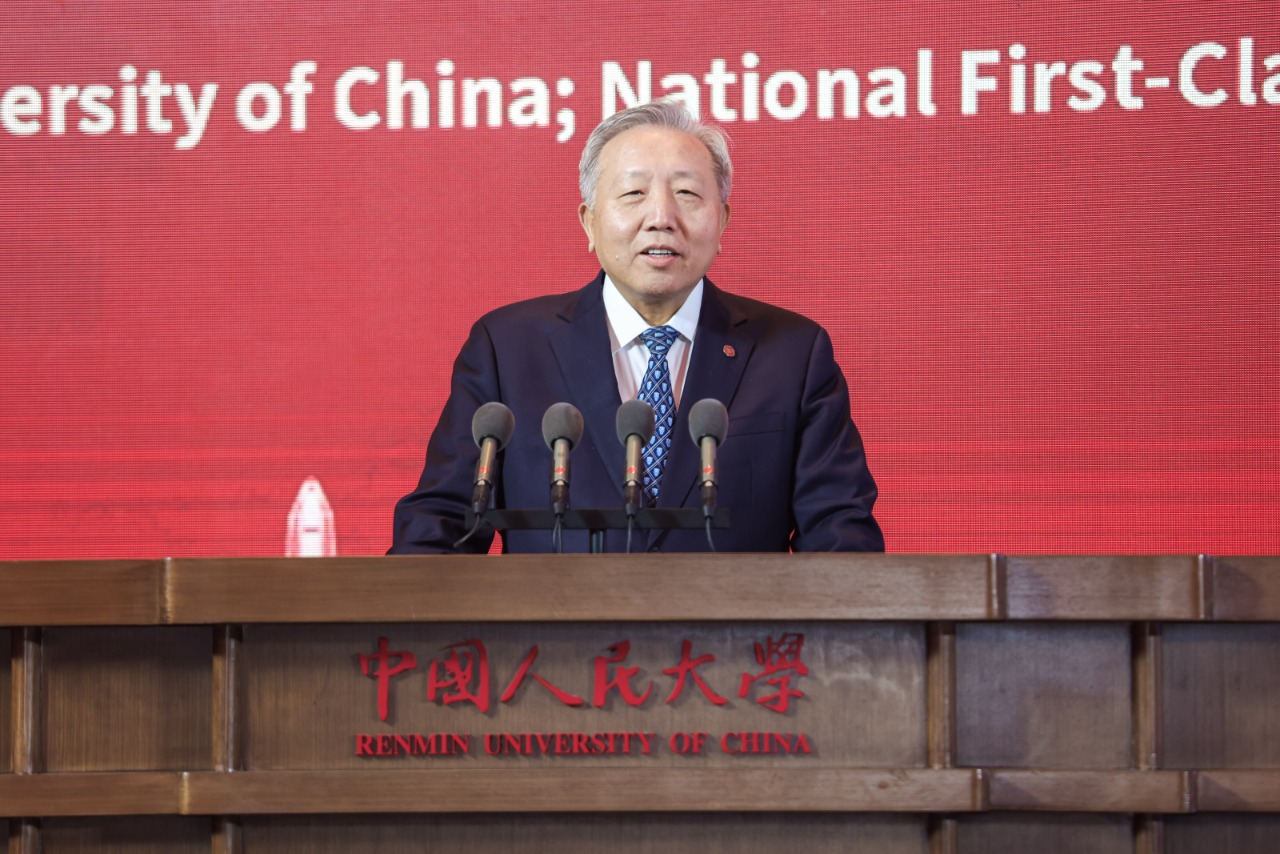
Group 1 - The focus of economic theory and policy is shifting from "expanding supply" to "effectively managing excess economy and expanding domestic demand" [1][2] - The transition from an industrial economy to a digital and AI-driven economy presents new risks for heavy assets, with depreciation rates potentially leading to negative cash flow risks due to rapid technological obsolescence [4][6] - The insurance industry needs to upgrade from traditional risk compensation to comprehensive risk management, focusing on new product development for emerging industries like renewable energy and AI [6] Group 2 - The capital market's primary function is to incentivize innovators, and there is a need to reconstruct the ecosystem from the asset, demand, and institutional platform perspectives [7] - Insurance funds have seen a significant increase in investment in the capital market, with a balance exceeding 37 trillion yuan by Q3 2025, indicating a shift towards long-term and value investments [7] - Companies are encouraged to adopt a "light asset" strategy, utilizing financing models like leasing to meet operational needs while outsourcing heavy asset components [8] Group 3 - Large listed companies should allocate 10% to 20% of their resources to invest in innovation within small and medium enterprises, fostering a "win-win" ecosystem along the supply chain [9] - The integration of diverse capital modalities is essential for startups, with a focus on risk-sharing mechanisms to support innovation despite high failure rates [8]
深圳国际金融大会聚焦 王忠民:构建“轻资产重资本”新模态
Nan Fang Du Shi Bao· 2025-11-19 13:58
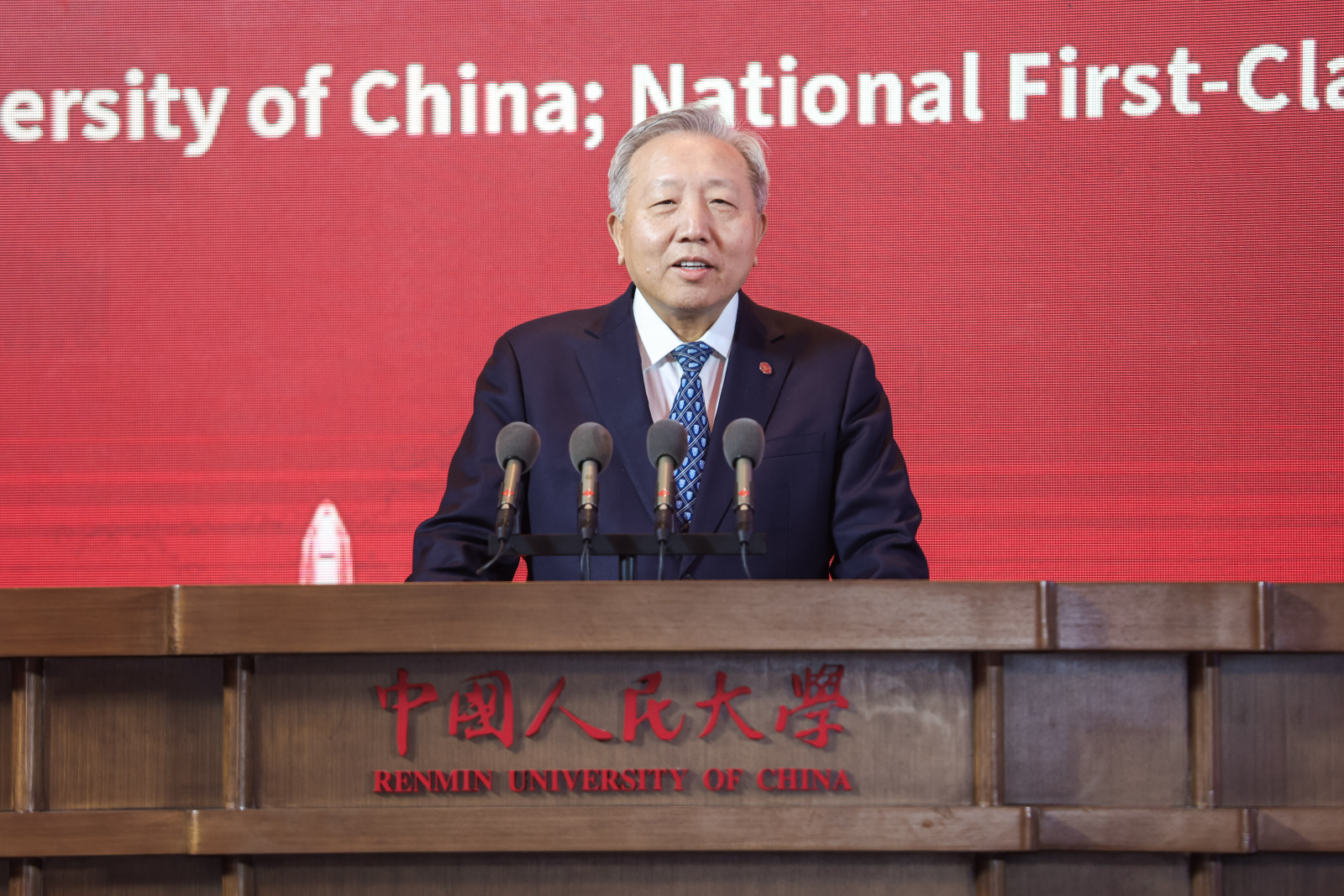
Core Insights - The "2025 Shenzhen International Financial Conference" focuses on the theme of "Building a Financial Power and High-Level Opening of the Greater Bay Area" [2] - Wang Zhongmin emphasizes the transition from a heavy asset model to a capital-intensive strategy as essential for innovation and financial strength in the digital age [4][5] Group 1: Transition to Light Assets - Companies are encouraged to adopt a "light asset" approach to mitigate risks associated with heavy assets, especially in the context of rapid technological changes [4][5] - The traditional heavy asset model is increasingly challenged by the fast pace of technological innovation, making it difficult for companies to recover investments in fixed assets [5] Group 2: Importance of Heavy Capital - "Heavy capital" is identified as a crucial support for innovation, with a structured capital pathway from startups to publicly listed companies [5] - Initial funding stages should leverage angel investments and venture capital to optimize capital structure quickly, while growth stages can utilize social security funds and international capital to create a risk-sharing ecosystem [5] Group 3: Capital Market Reforms - Wang praises the registration system for enhancing the heavy capital ecosystem by allowing more efficient capital flow to tech innovation companies while protecting founders' rights [5][6] - Innovations in financial instruments, such as real estate securitization, can transform heavy assets into liquid financial products, thereby revitalizing existing assets [6] Group 4: Strategic Investments - Large companies are urged to adopt a "heavy capital" strategy by investing 10%-20% of their resources into small and medium-sized enterprises (SMEs) to foster innovation within the supply chain [6] - Successful projects can offset the societal costs of failures, highlighting the importance of a collaborative ecosystem where all participants in the supply chain benefit [5][6]