
过年习俗

Search documents
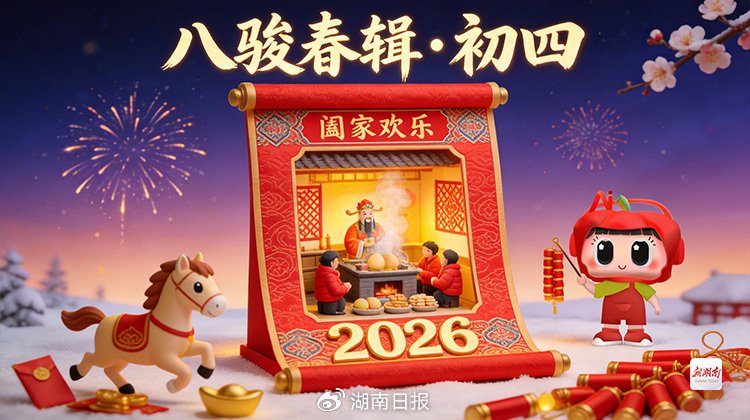
初四|瑞马护宅,烟火纳福!今日灶神返人间,佑得阖家岁岁安
Xin Lang Cai Jing· 2026-02-20 07:16
Group 1 - The article discusses traditional customs in Hunan during the fourth day of the Lunar New Year, emphasizing the importance of welcoming the Kitchen God and the significance of family gatherings and food [2] - The practice of "酿" (stuffing) in Yongzhou, where various ingredients are filled with meat, is highlighted as a unique culinary tradition, showcasing local flavors and cultural identity [4][5] - The custom of "feeding the tree god" by placing sticky rice in fruit trees during the New Year is described, reflecting the belief in nurturing nature and ensuring a fruitful harvest [6][7] Group 2 - The article mentions the significance of the "whole pig" dish during the New Year celebrations among the Tujia people, symbolizing family harmony and abundance [9] - The growing interest in traditional customs and the increase in tourism to Hunan for New Year celebrations are noted, indicating a revival of ancient practices and their adaptation to modern times [9] - The article concludes with a reflection on the spiritual connection between people and nature in Hunan's New Year celebrations, where every element is imbued with meaning and blessings [9]

腊月里,打糕忙
Xin Lang Cai Jing· 2026-02-18 21:22
Group 1 - The article describes the traditional preparation of rice cakes during the lunar new year, highlighting the cultural significance and family involvement in the process [1][2][3] - The process involves soaking glutinous rice, grinding it into flour, and then cooking it in a large pot, showcasing the labor-intensive nature of the tradition [1][2] - The final product, rice cake, is described as a delicious treat that brings joy to the family, emphasizing the emotional connection to the food and the celebration of the new year [2][3]
藏在压岁钱里的年味与人情味
Xin Lang Cai Jing· 2026-02-18 14:15
Core Viewpoint - The article explores the cultural significance of "lucky money" (压岁钱) during the Chinese New Year, highlighting its role in family bonding, tradition, and social interactions across different regions in China [1][6]. Group 1: Cultural Practices - The tradition of giving and receiving lucky money is deeply rooted in Chinese culture, symbolizing blessings and good fortune for the new year [1][6]. - In Dalian, lucky money is referred to as "压腰钱," with the practice involving children receiving money from elders as a sign of good wishes and protection [1][4]. - The act of giving and receiving lucky money often involves a playful negotiation known as "撕吧," where both parties express reluctance, enhancing the emotional value of the exchange [3][4]. Group 2: Historical Context - The amount of lucky money has significantly increased over the years, with historical references indicating that amounts have evolved from a few yuan to thousands in contemporary times [4][5]. - In the past, lucky money was primarily given to children, but the definition of "child" has expanded to include young adults and newlyweds, reflecting changing social norms [5][6]. Group 3: Emotional and Social Significance - The exchange of lucky money serves as a means of social support, especially in times of financial difficulty, where wealthier relatives may give more to help those in need [5][6]. - The anticipation of receiving lucky money remains strong among children, who often plan and budget for the amounts they expect to receive, indicating its continued relevance in modern society [5][6].
诵读赏析 |《过年》
Xin Lang Cai Jing· 2026-02-17 15:25
Group 1 - The core perspective of the article highlights the simplicity and warmth of traditional New Year celebrations, focusing on family gatherings and customs rather than extravagance [4] - The author describes the preparations for New Year's Eve, including the setting up of decorations and the significance of the number of bowls used during the meal, emphasizing the importance of even numbers [2] - The article illustrates the bustling atmosphere of the streets on New Year's Day, filled with people in new clothes and various festive activities, showcasing the communal spirit of the holiday [2] Group 2 - The narrative continues with the customs of visiting relatives and friends during the New Year, detailing the attire and practices of family members, which reflects the cultural significance of these interactions [3] - The author reminisces about the traditional New Year dishes prepared at home, particularly the taste of a specific dish, highlighting the nostalgia associated with childhood memories of food [3] - The overall tone of the writing conveys a deep appreciation for the ordinary yet meaningful aspects of life during the New Year, emphasizing the value of family and tradition [4]
年味包裹的腊月
Xin Lang Cai Jing· 2026-02-15 22:17
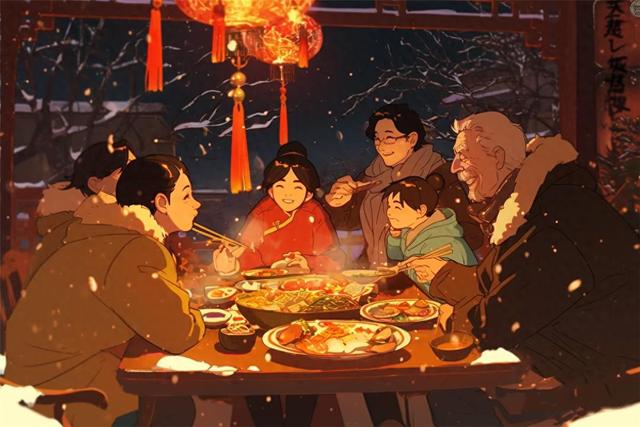
Group 1 - The article describes the vibrant atmosphere in rural areas during the pre-New Year period, highlighting the bustling markets and the preparation for the festivities [1][2] - Various traditional activities are mentioned, such as making dumplings, preparing food, and decorating homes, which contribute to the festive spirit [2][3] - The significance of family gatherings and community interactions is emphasized, showcasing the warmth and joy associated with the New Year celebrations [3] Group 2 - The article illustrates the traditional practices of slaughtering pigs and preparing special dishes, which are integral to the New Year celebrations in rural communities [3] - The decoration of homes with spring couplets and festive items is noted as a longstanding tradition that enhances the celebratory atmosphere [3] - The sense of nostalgia and emotional connection to home and family during the New Year is poignantly expressed, reflecting the deep-rooted cultural values [3]
长宵归梦话过年
Xin Lang Cai Jing· 2026-02-14 07:11
Group 1 - The article reflects on traditional customs and practices associated with the Lunar New Year, particularly focusing on the significance of the Laba Festival and the preparation of Laba porridge, which varies regionally in China [1] - The narrative emphasizes the cultural importance of family gatherings and the rituals surrounding food, such as the preparation of Laba garlic and the consumption of Laba porridge, highlighting regional differences in ingredients and preparation methods [1] - The text also touches on the nostalgia and personal memories associated with these traditions, illustrating how they connect individuals to their heritage and family history [1] Group 2 - The article describes the "Dragon Raising Head" festival, which involves community participation and rituals at a historical temple, indicating the cultural significance of such events in rural areas [2] - It mentions the historical architecture of the temple and its role as a site for local worship and community gatherings, showcasing the blend of cultural heritage and modern community life [2] - The narrative includes a description of a deep well near the temple, which serves as a source of water and is tied to local traditions, emphasizing the relationship between nature and cultural practices [3] Group 3 - The article discusses the impact of climate change on local agriculture, particularly the increasing drought conditions affecting the region, which has led to changes in traditional practices [4] - It highlights the community's response to drought through rituals aimed at invoking rain, reflecting the deep connection between agricultural practices and cultural beliefs [4] - The mention of traditional foods, such as pig's head meat, during these rituals underscores the importance of food in cultural identity and community bonding [4]
寻觅年味 留住乡愁
Ren Min Ri Bao Hai Wai Ban· 2026-02-11 22:49
Group 1 - The article reflects on the emotional significance of the Chinese New Year, emphasizing nostalgia for family gatherings and traditional celebrations [2][3][11] - The narrative highlights the importance of family members, particularly grandparents, in creating cherished memories during the New Year festivities [2][4][11] - The evolution of New Year markets is discussed, noting the increase in variety and the incorporation of modern elements such as performances and technology [5][6] Group 2 - The article describes various traditional activities associated with the New Year, such as making dumplings and the significance of specific foods in family gatherings [11][12] - The transition from older transportation methods, like ferries, to modern infrastructure, such as bridges, is highlighted, showcasing changes in accessibility for family visits during the New Year [12][13] - The cultural practices surrounding the New Year, including the preparation of special foods and the importance of visiting relatives, are emphasized as integral to maintaining familial bonds [11][12]
母亲蒸花馍
Xin Lang Cai Jing· 2026-02-11 18:46
Core Idea - The article reflects on the traditional practice of making flower buns (花馍) during the Chinese New Year, emphasizing the emotional and cultural significance of this ritual in connecting family, heritage, and the passage of time [1][3][4]. Group 1: Preparation Process - The preparation begins early on the 28th day of the twelfth lunar month, with the mother kneading dough, showcasing her skill and dedication [1]. - Various tools are used in the creation of flower buns, including a comb, rolling pins, scissors, and a river shell, highlighting the artistry involved in the process [1]. - The dough undergoes a "resting" phase, where it is covered and allowed to rise, symbolizing anticipation and the nurturing aspect of cooking [2]. Group 2: Cooking and Presentation - The steaming process is described as a transformative moment, where the buns expand and take on a beautiful appearance, filling the kitchen with a sweet aroma [2]. - The first batch of flower buns is reserved for offering to ancestors, signifying respect and connection to heritage, while the remaining buns are enjoyed by the family [3]. - The taste of the flower buns is described as unique and irreplaceable, representing the culmination of natural elements and maternal care [3]. Group 3: Emotional and Cultural Significance - The act of making flower buns is portrayed as a blend of labor, love, and tradition, encapsulating the essence of family bonds and cultural identity [3]. - The memory of the flower buns evokes nostalgia and a sense of belonging, illustrating how food can serve as a bridge to the past [4].
老家的年味
Xin Lang Cai Jing· 2026-01-27 17:52
Group 1 - The article reflects on traditional Chinese New Year customs, emphasizing the nostalgic feelings associated with the holiday preparations and celebrations [1] - The preparation of new clothes for the New Year is a significant tradition, involving family participation and the use of materials gifted by relatives [2] - The process of slaughtering a pig for the New Year is described as a crucial event, with specific rituals for preparing and honoring the pig's head and tail during family ceremonies [3] Group 2 - The article highlights the importance of the first meal of the New Year, which includes eating tangyuan (glutinous rice balls) symbolizing reunion and good fortune [4][5] - Various customs are mentioned, such as avoiding certain words considered inauspicious and the practice of not sweeping during the New Year to symbolize retaining wealth [5]