金融协同

Search documents
“一行一局一会”工作会议释放哪些信号?
Zheng Quan Ri Bao· 2026-01-19 16:11
Core Viewpoint - The annual work meetings of the People's Bank of China, the National Financial Regulatory Administration, and the China Securities Regulatory Commission indicate a stable policy direction for 2026, with a focus on enhancing existing frameworks and mechanisms to support economic growth and risk management [1][2]. Group 1: Policy Continuity and Focus - The policy themes of stabilizing growth, promoting high-quality development, and preventing risks remain consistent, providing a key support for market expectations [2]. - The central bank emphasizes a flexible and efficient use of monetary policy tools, including potential interest rate cuts, while ensuring that policies effectively reach the real economy [2]. - The financial "five major articles" will continue to be a focus, with an aim to optimize the financial supply structure and inject sustainable internal momentum into economic development [2]. Group 2: Risk Management - The commitment to risk prevention remains strong, with the central bank and regulatory bodies focusing on improving macro-prudential tools and managing existing risks while preventing new ones [3]. - The emphasis on preventing significant market fluctuations reflects a high level of concern regarding financial stability [3]. Group 3: Enhanced Coordination - Increased coordination among the three departments is crucial in the current economic environment, where the marginal effects of single-department actions are limited [4]. - The focus has shifted from merely expanding financial scale to optimizing structure and improving efficiency, with unified goals across different regulatory levels [4]. Group 4: Forward-Looking and Mechanized Approach - The meetings signal a stronger emphasis on the "15th Five-Year Plan," indicating a shift towards long-term institutional development [6]. - Mechanisms for providing liquidity to non-bank institutions and optimizing related arrangements are being institutionalized, reflecting a transition from effective measures to systematic approaches [6]. - The overall strategy for 2026 combines continuity with innovation, aiming for a more systematic, coordinated, and forward-looking financial regulation framework [6][7].
工龄超25年!两行长获晋升 招商银行重用“元老”有何深意
Nan Fang Du Shi Bao· 2026-01-05 15:18
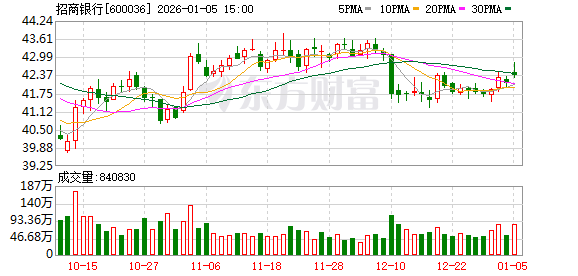
Core Viewpoint - The approval of two executives, Cui Jiakun and Wang Xinghai, marks the gradual formation of the executive matrix for China Merchants Bank (CMB) as it prepares for 2026, emphasizing internal talent cultivation and stability in management [2][4][7]. Group 1: Executive Appointments - Cui Jiakun and Wang Xinghai have been approved as assistant general managers, continuing to serve as branch heads for Beijing and Shenzhen respectively, reflecting their long tenure of over 25 years at CMB [2][4]. - The current executive lineup consists of one president and four vice presidents, with two assistant general managers, indicating a structured hierarchy within the bank [6]. Group 2: Management Structure - The management team is characterized by a high degree of loyalty and continuity, with many executives having worked at CMB for nearly or over 30 years, ensuring strategic stability and cultural transmission [7]. - The internal promotion mechanism is evident, as key positions are filled by individuals with extensive experience across various core business departments, creating a robust talent pipeline [7][8]. Group 3: Talent Development and Strategy - The selection of executives from key branches like Beijing and Shenzhen aligns with CMB's tradition of nurturing senior management talent from its most important operational bases, enhancing the connection between these branches and headquarters [8]. - The movement of executives within the broader China Merchants Group indicates a strategic intent to strengthen financial collaboration and resource sharing across its financial institutions [9].


扩内需 促消费 保险业这么干
Jin Rong Shi Bao· 2025-12-24 03:00
Core Viewpoint - The recent Central Economic Work Conference emphasizes the need for financial institutions to enhance support for expanding domestic demand, with a focus on the collaboration between finance and commerce to boost consumption [1] Group 1: Support for Consumption - The notification encourages the development of various insurance products such as commercial annuities, health insurance, and accident insurance to create a comprehensive risk protection network for individuals and families, thereby stabilizing expectations and enhancing consumption willingness [2] - Personal insurance products can provide financial security against uncertainties, reducing precautionary savings and releasing current consumption potential [2] - Insurance can lower risk concerns for consumers and businesses in various consumption scenarios, directly promoting related consumption [2] - Consumer credit guarantee insurance can enhance consumer credit levels, increasing their purchasing power [2] - Cargo transportation and product liability insurance can provide risk protection during the circulation of goods, aiding in achieving market supply-demand balance [2] Group 2: Alignment of Insurance Products with Consumer Needs - There is a mismatch between current insurance products and residents' actual needs in health management and elderly care [3] - A shift from "financial compensation" to a combination of "products + services" in insurance offerings is recommended to enhance consumer experience and guide insurance funds towards essential services [3] - Insurance capital, characterized by its large scale and long duration, is well-suited to support long-term investments in infrastructure and clean energy, providing essential funding for effective investment [3] Group 3: Support for New Consumption Models - The notification highlights the integration of financing, settlement, and insurance services to support new consumption models and scenarios [4] - Insurance can enhance the creditworthiness of businesses and consumers, improving their investment and consumption capabilities while ensuring the safety of financial institutions' funds [4] - Collaboration among different financial institutions can meet diverse funding needs for new consumption projects, maximizing synergistic effects [4] - Challenges exist in the collaboration of financial institutions, particularly in pricing traditional insurance products for emerging sectors like the metaverse [4] Group 4: Expansion of Domestic Trade Insurance - The notification calls for an expansion of domestic trade insurance coverage to support more quality foreign trade products entering the domestic market [5] - Credit insurance can secure domestic trade transactions, facilitating the entry of quality goods and enhancing consumption quality [5] - Domestic trade insurance can accelerate capital turnover and improve operational efficiency for businesses through commercial credit sales [5] Group 5: Future Directions for Insurance Companies - Insurance companies are encouraged to proactively enhance their role in supporting domestic demand, focusing on loss compensation and risk management while participating in consumption and investment [6]
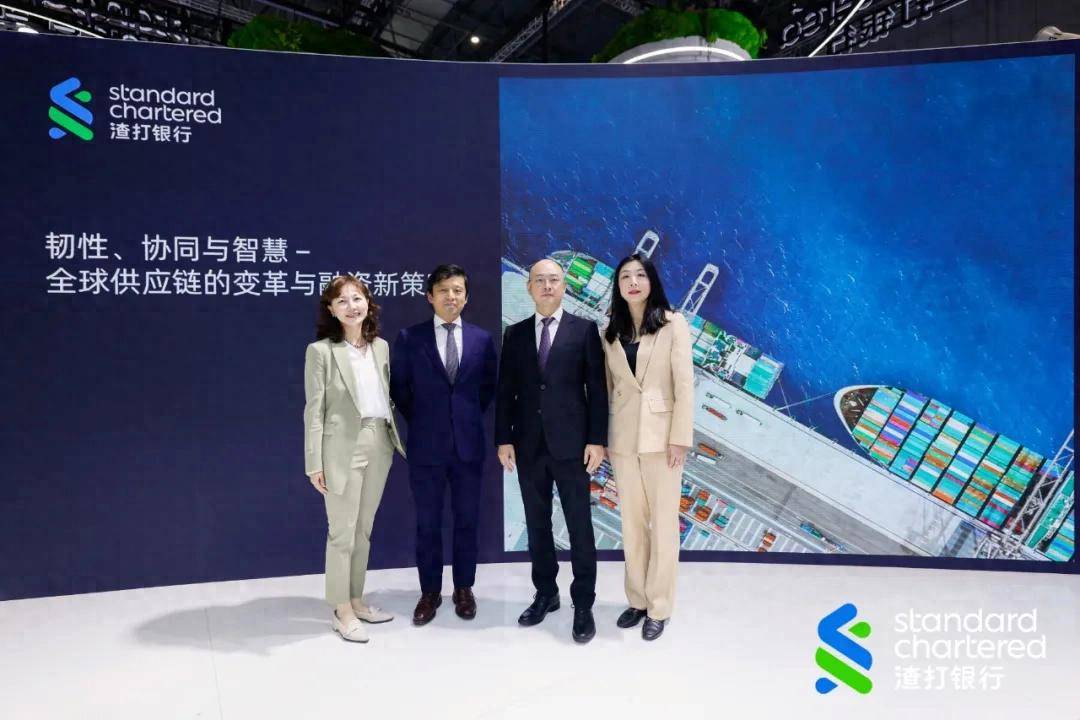
聚焦供应链韧性,以金融协同应对全球变局
Sou Hu Cai Jing· 2025-11-15 23:21
Core Insights - Standard Chartered hosted a discussion at the China International Import Expo focusing on the transformation of global supply chains and new financing strategies amidst geopolitical challenges, trade compliance, and tariff fluctuations [1][4] Group 1: Company Strategies - IKEA is implementing an end-to-end digital settlement system and a "30-day local currency settlement" mechanism to enhance supplier collaboration and resilience, integrating AI technology into risk control and fund management [6] - Standard Chartered positions itself as a "super connector" for enterprises, providing comprehensive financial support across various stages, from letters of credit to green project financing, while embedding ESG consulting and localized services into corporate strategies [10] Group 2: Industry Trends - The collaboration between companies and financial institutions, such as Standard Chartered, emphasizes the importance of building local supply chain capabilities and integrating advanced technologies into the industrial systems of host countries [8] - The focus on ESG principles and sustainable development is becoming a key aspect of supply chain restructuring, as companies seek to balance efficiency and resilience in uncertain environments [6][10]