
长三角一体化发展战略

Search documents
5个月完成签约到试产跑出“马桥速度”
Xin Lang Cai Jing· 2026-02-01 00:45
Core Viewpoint - The rapid establishment of Zhejiang Baitwei Display Device Co., Ltd. in Haining demonstrates the effectiveness of the local government's supportive measures and service-oriented approach in attracting businesses to the region [1][3][4]. Group 1: Project Development and Support - The project began with a swift response from the local government after learning about the company's need for relocation, showcasing a proactive approach to business attraction [2][3]. - A dedicated service team was formed to provide tailored support for the company, ensuring a smooth transition and addressing various operational challenges [3][4]. - The project saw significant time savings, with the local government facilitating a "one-stop" solution for various administrative processes, reducing preparation time by nearly two months [3][4]. Group 2: Economic Impact and Industry Position - Upon full production, the project is expected to generate nearly 200 million yuan in output by 2026 and create approximately 300 jobs, contributing to local economic growth [4][5]. - Zhejiang Baitwei is positioned as a key player in the electronic information sector, utilizing top-tier international equipment and automatic production lines, with applications in various high-demand industries [4][5]. - The local government's strategic focus on infrastructure, location advantages, and service reforms has made the area an attractive destination for businesses, particularly in the electronic information industry [5].
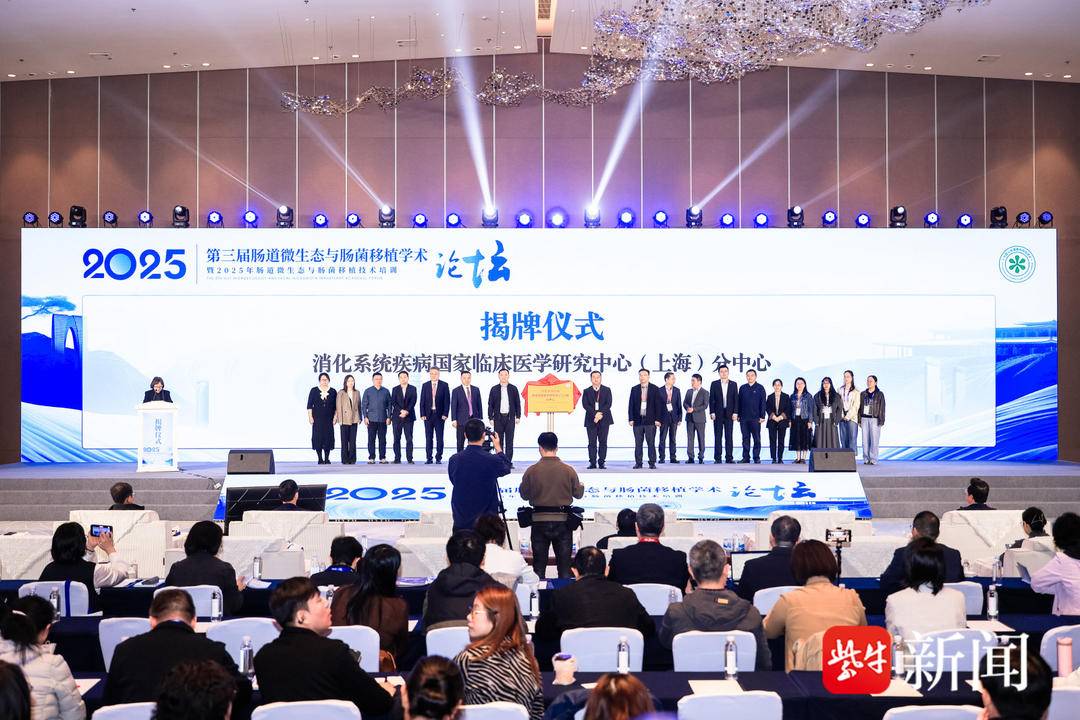
苏州市立医院与长海医院共建消化系统疾病国家临床研究中心分中心
Yang Zi Wan Bao Wang· 2025-11-15 10:53
Core Viewpoint - The collaboration between Suzhou Municipal Hospital and the First Affiliated Hospital of Naval Medical University aims to establish a National Clinical Research Center for Digestive System Diseases (Shanghai) branch, enhancing healthcare integration in the Yangtze River Delta region [1][2]. Group 1: Collaboration Details - The partnership is part of a broader strategy to deepen health cooperation in the Yangtze River Delta, focusing on improving healthcare service integration and increasing public satisfaction [1]. - The Shanghai Changzheng Hospital has been recognized as a National Clinical Research Center for Digestive System Diseases since 2014, leading advancements in pancreatic diseases and early gastrointestinal cancer research [2]. - Suzhou Municipal Hospital's digestive department has been a key clinical specialty in Jiangsu Province since 2011, specializing in gut microbiota transplantation and chronic gastrointestinal disorders [2]. Group 2: Research Focus Areas - The newly established branch will concentrate on three main areas: standardizing gut microbiota transplantation for major chronic diseases, researching the immunopathological mechanisms and biomarkers of inflammatory bowel disease, and introducing advanced endoscopic technologies [5]. - The Suzhou Municipal Hospital will utilize over 300 beds in its Taihu General Hospital for the branch's physical base, aiming to accelerate its establishment through expert deployment and academic exchanges [5]. Group 3: Future Goals - The branch aims to create a high-level clinical research team and a national-level innovation platform that integrates clinical practice, research, and talent development [5]. - Future objectives include achieving more precise clinical diagnoses, more efficient research innovations, and more personalized patient services, contributing to digestive health in the Yangtze River Delta [5].

第四届长三角融资担保职业技能竞赛在沪举办
Zhong Guo Xin Wen Wang· 2025-11-13 11:11
Core Points - The fourth China Yangtze River Delta Financing Guarantee Vocational Skills Competition is being held in Shanghai from November 11 to 13, focusing on the theme "Precision Skills and Inclusive Development" [1][2] - The competition aims to cultivate a group of "financial craftsmen" who are proficient in guarantee business and familiar with technological tools, injecting core momentum into the industry's transformation and upgrading [2] Group 1 - The competition has introduced significant innovations in its mechanism, including the establishment of a "East China Regional Team" selection mechanism, reflecting the principles of professionalism, collaboration, innovation, and pragmatism [2] - The competition's scoring rules for mandatory questions have been optimized, the number of risk questions has increased, and the range of case questions has been expanded, allowing participants to gradually enter a competitive state [2] - The event adopts a "3-day schedule" model, concentrating preliminary and final rounds within three days to enhance the professional standards and competitive level of the event [2] Group 2 - This competition serves as a practical implementation of the Yangtze River Delta integration development strategy in the financing guarantee sector, promoting regional talent collaboration [5] - A total of 16 finalists emerged from various selection rounds, showcasing their professional skills and craftsmanship spirit on the final stage [5] - The competition also plays a role in selecting outstanding talents for the first national financing guarantee industry vocational skills competition to be held in December in Changsha, Hunan [7]

创新要素“一站汇聚”与“线上速配” 普陀区打造沿沪宁产业创新带“引力场、智汇源、孵化器和服务中心”
Jie Fang Ri Bao· 2025-10-27 01:57
Core Insights - The event on October 26 focused on "collaborative innovation in technology and industry along the Shanghai-Nanjing corridor," aligning with the theme of World Cities Day and the Yangtze River Delta integration strategy [1] Group 1: Economic Impact - The Shanghai-Nanjing industrial innovation belt is one of the most active and open regions in China, with a projected GDP of 15.9 trillion yuan in 2024, accounting for 11.8% of the national economy and 48% of the Yangtze River Delta's economy [1] - The region hosts a concentration of high-tech enterprises, national key laboratories, and listed technology companies [1] Group 2: Innovation Initiatives - A series of landmark achievements in the construction of the Shanghai-Nanjing industrial innovation belt were announced, including the launch of the "Shanghai-Nanjing Collaborative Innovation Market" online platform and a 230 million yuan technology demand initiative [2] - The first batch of innovation consortia focuses on cutting-edge fields such as biomedicine, integrated circuits, artificial intelligence, and new energy, aiming to address critical technological challenges [2][3] Group 3: Collaborative Platforms - The "Shanghai-Nanjing Collaborative Innovation Market" online platform integrates six core functions, facilitating policy information dissemination, resource sharing, technology supply-demand matching, and talent exchange [3] - The platform has successfully collected 553 valid technology demands and facilitated 30 projects with a total contract value exceeding 16 million yuan [3] Group 4: Financial Support - Shanghai and Jiangsu banks launched the "Shanghai-Nanjing Industrial Innovation Loan," targeting the "smart health" industry and providing customized financial support across the entire process from R&D to sales [5] - The initiative aims to enhance collaboration and innovation among cities in the region, further extending the collaborative innovation framework [5]
南京都市圈综合实力位居全国都市圈前列
Nan Jing Ri Bao· 2025-09-30 09:25
Core Insights - The Nanjing Metropolitan Area is projected to achieve a GDP exceeding 5.4 trillion yuan in 2024, ranking among the top metropolitan areas in China [1] Group 1: Economic Development - Nanjing is actively integrating into the Yangtze River Delta's development strategy, enhancing its role as the first approved national-level metropolitan area [1] - The metropolitan area is demonstrating its effects through industrial collaboration, public service improvements, and efficient commuting systems [1] Group 2: Industrial Collaboration - Nanjing is promoting the Yangtze River Delta (Nanjing Metropolitan Area) technology cooperation plan, establishing 28 "innovation outposts" in surrounding cities [2] - The model of "R&D in Nanjing, production in the metropolitan area" is becoming increasingly mature [2] Group 3: Public Services - The metropolitan area has achieved 200 high-frequency service items available online and across regions, expanding housing fund mutual recognition and lending to the Yangtze River Delta [2] - A comprehensive appointment registration platform for over 100 quality hospitals has been established, facilitating nearly 9 million cross-city medical settlements in the first half of the year [2] Group 4: Transportation and Commuting - The Nanjing Metropolitan Area has a 100% connectivity rate for railway cities and over 100,000 kilometers of roadways, forming a one-hour commuting circle [3] - The Ningju Intercity Railway has reduced commuting time from Zhenjiang to Nanjing to 55 minutes, enhancing connectivity and supporting local agricultural products delivery [3]
在落实国家重大发展战略上走在前!长三角9个万亿级城市,江苏有5个
Yang Zi Wan Bao Wang· 2025-09-29 15:00
Core Insights - Jiangsu Province is actively implementing the national strategy for the integrated development of the Yangtze River Delta, with a focus on high-quality growth and integration [1][2] - The economic output of the Yangtze River Delta is projected to grow from 21.15 trillion yuan in 2018 to 33.17 trillion yuan by 2024, accounting for 24.7% of the national economy [1] - Jiangsu's GDP is expected to reach 13.7 trillion yuan in 2024, representing 41.3% of the Yangtze River Delta's total [1] Economic Development - Jiangsu has five of the nine trillion-yuan cities in the Yangtze River Delta, highlighting its significant economic presence in the region [1] - The province has arranged over 340 billion yuan for targeted support and collaboration projects since the 14th Five-Year Plan, with over 8,000 projects implemented [5] Innovation and Collaboration - Jiangsu is promoting cross-regional integration of technological and industrial innovation, establishing a network of laboratories and innovation alliances [2] - The province has formed 154 institutional innovation outcomes to enhance the integrated development of the Yangtze River Delta [2] Environmental Protection - Jiangsu is committed to high-quality development along the Yangtze River, with continuous efforts in ecological protection and restoration [3] - The water quality of the Yangtze River in Jiangsu has maintained a Class II standard for seven consecutive years, with ecological shoreline coverage increasing from 58.3% to 64.5% [3] International Trade and Cooperation - Jiangsu's trade with countries involved in the Belt and Road Initiative reached 1.91 trillion yuan from January to August this year, a 10.3% increase [4] - The province has established 10 major ports and opened 89 international trade routes, enhancing its global trade connectivity [4] Regional Development - The Yangtze River Delta's integrated development is expected to contribute 76.7% to Jiangsu's economic growth by 2024 [5][6] - Jiangsu is focusing on the development of coastal regions and has set ambitious goals for marine industry chains [6]
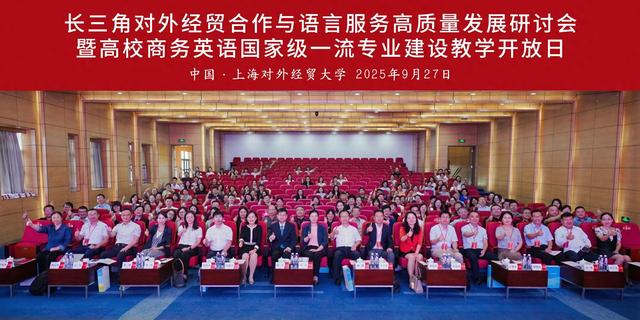
上海对外经贸大学成功举办长三角对外经贸合作与语言服务高质量发展研讨会
Huan Qiu Wang· 2025-09-29 03:44
Core Points - The seminar aimed to enhance the integration of business foreign language education in the Yangtze River Delta region, promoting resource sharing and high-level development to support economic and social growth [3][5][38] - The establishment of the International Business and Language Services Expert Advisory Committee aligns with national strategies for regional integration and aims to deepen the integration of language services with international trade [5][10] - The event featured multiple reports addressing the demand for language talent in various sectors, emphasizing the need for educational reforms to meet the evolving requirements of the digital economy and international business [23][24][25][27] Group 1: Seminar Overview - The seminar was co-hosted by the China Foreign Trade Economic Cooperation Enterprises Association and Shanghai University of International Business and Economics, with over 150 experts and scholars participating [1][3] - Key representatives from various organizations, including the Shanghai Municipal Commerce Commission and major corporations, attended the event [3][10] Group 2: Expert Committee and Initiatives - The International Business and Language Services Expert Advisory Committee was officially launched during the seminar, with key figures from academia and industry appointed to leadership roles [10] - The establishment of the "Shanghai Geographic Indication Products International Communication Center" was announced, aimed at enhancing Shanghai's soft power and international competitiveness [19][21] Group 3: Reports and Discussions - Reports highlighted the dual market demand for language talent: one focusing on "Belt and Road" language professionals and the other on language technology experts [23][24] - Discussions emphasized the importance of integrating education with industry needs, advocating for innovative talent cultivation models to address the talent shortage faced by Chinese enterprises in global markets [24][25] Group 4: Educational Reforms and Teaching Innovations - The seminar showcased exemplary courses and teaching methods aimed at improving the quality of business foreign language education, including the integration of digital tools and mixed teaching approaches [36][38] - The roundtable forum facilitated discussions on the role of language services in supporting enterprises' international strategies and the impact of AI on language service delivery [30][35]
周红波会见港区省级政协委员联谊会考察团
Nan Jing Ri Bao· 2025-09-27 04:36
Core Viewpoint - The meeting between Nanjing's municipal leaders and the Hong Kong Provincial Political Consultative Conference delegation emphasizes the importance of enhancing economic and cultural cooperation between Nanjing and Hong Kong, particularly in the context of the Guangdong-Hong Kong-Macao Greater Bay Area and the Yangtze River Delta integration strategy [1]. Group 1 - The Hong Kong Provincial Political Consultative Conference is recognized as a significant force for patriotism and Hong Kong, serving as a connection for political consultative members and facilitating cooperation between Nanjing and Hong Kong [1]. - Both parties aim to expand economic and trade cooperation between Nanjing and Hong Kong, focusing on high-level openness and cultural exchanges [1]. - Key areas of collaboration include technological innovation, financial services, biomedicine, and cultural tourism, with the goal of attracting more Hong Kong businesses, investments, and young talents to Nanjing [1].
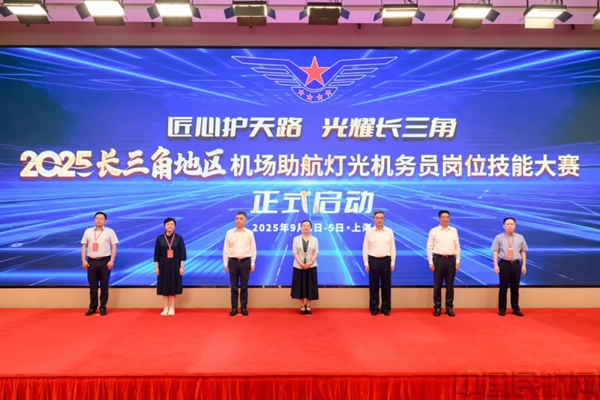
首届长三角地区机场助航灯光机务员岗位技能大赛在沪成功举办
Zhong Guo Min Hang Wang· 2025-09-16 02:55
Core Points - The first skills competition for airport lighting mechanics in the Yangtze River Delta region was held from September 3 to 5, aimed at enhancing the skill level of talent in line with the high-quality development of civil aviation in the region [1][3] - The competition involved 48 finalists from 24 airports, showcasing their professional skills and work attitudes, thereby promoting standardization and professionalism in the field [3][5] - The event introduced several national firsts, including practical tasks like simulating the connection of lighting cables and using LED lighting equipment, emphasizing its practical and forward-looking nature [5][7] Summary by Sections - **Event Overview** - The competition was guided by the Shanghai Federation of Trade Unions and organized by various local aviation unions, highlighting the collaborative effort in skill development [1] - **Participants and Results** - A total of 48 contestants advanced to the finals after rigorous selection, with Shanghai Hongqiao International Airport winning the "Group Excellence First Prize" and "Special Contribution Award" [3] - **Impact and Future Directions** - The competition aligns with the Yangtze River Delta integration strategy, fostering technical exchange and collaboration among regional airports, thus enhancing skill levels and resource sharing [7]
昆山启用全国首家备案制综合型航空前置货站
Xin Hua Ri Bao· 2025-08-28 23:47
Core Insights - The launch of the first registered comprehensive aviation pre-cargo station in the country by Eastern Airlines at the Changjiang Delta International Airport in Kunshan significantly enhances logistics efficiency and reduces operational costs for local businesses [1][2] - The pre-cargo station enables a logistics time improvement of over 60% and a cost reduction of over 30% for enterprises in the Kunshan to Shanghai segment [1] - The station connects over 100 airlines and covers more than 100 countries and regions, providing a one-stop aviation logistics solution for local businesses [2] Group 1 - The Kunshan logistics center serves as a "port-type, direct-type" comprehensive aviation pre-cargo station, facilitating a direct global air freight channel for local enterprises [1] - The first batch of export goods was successfully transported to Shanghai Pudong Airport for international dispatch to Frankfurt, Germany, and Ho Chi Minh City, Vietnam [1] - The establishment of the pre-cargo station is a significant upgrade to the Kunshan aviation logistics service system, promoting stable growth in foreign trade [1] Group 2 - The logistics center achieved an import and export cargo value of 1.1 billion USD in the first half of 2025, reflecting a year-on-year growth of 14.84% [2] - Eastern Airlines Logistics aims to expand its reach and enhance global logistics channels for Kunshan and surrounding enterprises [1][2] - The initiative is part of Eastern Airlines' commitment to the integrated development strategy of the Yangtze River Delta and supports the construction of Shanghai as an international shipping center [1]
