
防秋燥

Search documents
霜降来临!这份养生攻略请收好
Ren Min Wang· 2025-10-23 01:43
Group 1 - The core concept of the article emphasizes the importance of health maintenance during the "Frost's Descent" solar term, focusing on "preventing cold and dryness, nourishing yin and warming yang" [1][4][6] - The article highlights the significant temperature drop and large day-night temperature differences during this period, necessitating careful health practices [1][4][6] Group 2 - Recommendations for daily living include ensuring warmth, especially for vulnerable areas like the head, neck, and feet, and adjusting clothing accordingly [4][5][6] - It suggests using humidifiers in dry northern regions to maintain respiratory moisture and advises against outdoor activities for the elderly and children during early and late hours [6][8] Group 3 - Dietary suggestions include consuming foods that nourish the lungs and alleviate dryness, such as pears, tomatoes, and various soups [8][23][25] - The article also recommends warm foods like lamb and ginger to enhance yang energy, particularly for those with cold sensitivity [20][23] Group 4 - Mental health tips include fostering an optimistic mindset and engaging in outdoor activities like autumn hiking to improve mood [9][15] - It advises practicing calming techniques such as qigong to maintain inner peace during seasonal changes [9][10] Group 5 - Exercise recommendations include gentle activities like brisk walking, tai chi, and yoga, with adjustments based on weather and personal health [11][13] - It emphasizes the importance of changing out of wet clothes after exercise to prevent catching a cold [15][18]

多喝水就能防秋燥?秋季正确饮水方式了解一下
Yang Shi Xin Wen· 2025-10-09 01:54
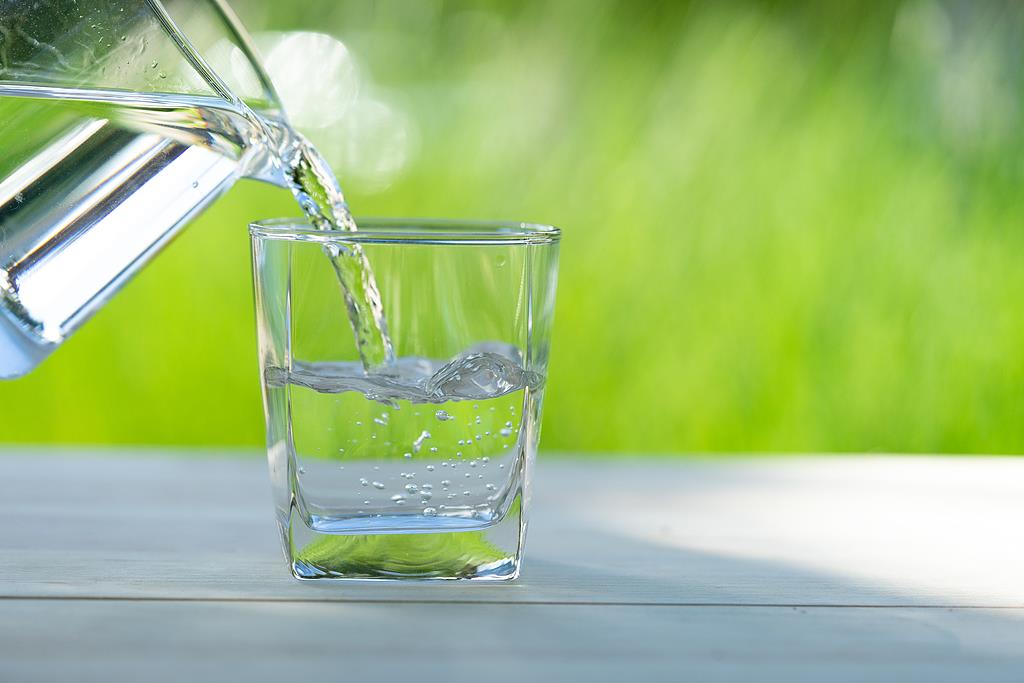
Core Viewpoint - The notion that simply drinking more water can prevent autumn dryness is not entirely accurate, as the core issue is "deficiency of body fluids" [1] Group 1: Understanding Body Fluids - "Jin Ye" (津液) in traditional Chinese medicine refers to all normal body fluids generated from food and drink, including water, saliva, gastric juice, and joint fluid [1] - Drinking water is essential for preventing autumn dryness and supplementing body fluids, but it does not address the root cause of fluid deficiency [1] - Proper transformation of water into effective body fluids relies on the functions of the spleen, lungs, and kidneys, which can be impaired by various conditions [1] Group 2: Dietary and Therapeutic Recommendations - To prevent autumn dryness, traditional Chinese medicine emphasizes principles such as "nourishing yin, moistening the lungs, and generating fluids" through diet and therapy [2] - Recommended dietary choices include foods that nourish yin, moisten the lungs, and generate fluids [2] - Specific acupressure points, such as Zhongfu and Zhaohai, can be massaged to alleviate symptoms like dry throat and cough [2] Group 3: Proper Hydration Practices - The correct way to hydrate is to drink "small amounts frequently," with specific guidelines: each drinking session should not exceed 200 milliliters, and intervals should be adjusted based on individual circumstances [5] - It is advised to drink warm water at a temperature of 35-40°C, which aligns better with physiological needs and minimizes gastrointestinal irritation [5]
中秋国庆享团圆,“糖友”怎么吃?中医支招“养脾胃、防秋燥”
Xin Hua Wang· 2025-10-01 12:28
Core Viewpoint - The article provides a practical dietary guide for diabetes patients during the Mid-Autumn Festival and National Day, emphasizing the importance of maintaining stable blood sugar levels while enjoying festive foods [1]. Dietary Recommendations - Traditional mooncakes and sugary drinks are high in sugar and can cause rapid blood sugar spikes; it is advised to opt for sugar-free mooncakes and limit consumption to a quarter of a piece [4]. - Patients are encouraged to replace refined grains with whole grains like yam, oats, corn, and millet, and to control the portion size of staple foods to about the size of a fist [4]. - Seasonal fruits and vegetables such as pears, pomelos, apples, radishes, and winter melons are recommended for their moisturizing and blood sugar-controlling properties [4]. Lifestyle Suggestions - It is advised to avoid late-night snacking and to follow a routine of going to bed early and waking up early, as staying up late can disrupt endocrine function and reduce insulin sensitivity [4]. - In case of persistent high blood sugar levels or gastrointestinal discomfort during the holidays, patients should seek medical advice for dietary or medication adjustments [4].

秋分养生重在“防秋燥”
Mei Ri Shang Bao· 2025-09-25 03:01
Group 1 - The core viewpoint emphasizes the importance of "nourishing yin" and "keeping warm" during the autumn equinox, highlighting the need for lung protection and moisture retention due to the onset of autumn dryness [1][2] - Dietary recommendations include consuming foods that nourish the lungs and provide moisture, such as tremella, lily, pears, honey, and lotus root, as well as warming foods like yam, lotus seeds, and walnuts [1] - It is advised to avoid cold foods and spicy items that may exacerbate autumn dryness symptoms, such as ice drinks, cold dishes, and spicy foods like chili and ginger [1] Group 2 - With the arrival of the autumn equinox, it is suggested to adjust daily routines to align with natural changes, promoting early sleep and wake times [2] - Recommendations for maintaining warmth include covering the abdomen at night and soaking feet in warm water to enhance blood circulation and improve sleep quality [2] - To combat feelings of sadness or low mood that may arise in autumn, it is encouraged to engage in outdoor activities and sun exposure to uplift spirits [2]