
阿里味儿

Search documents
“抢资源、爱邀功、喜欢刷存在感”,被山姆需要的“阿里味儿”让各行业打工人又爱又恨?
3 6 Ke· 2025-11-27 08:15
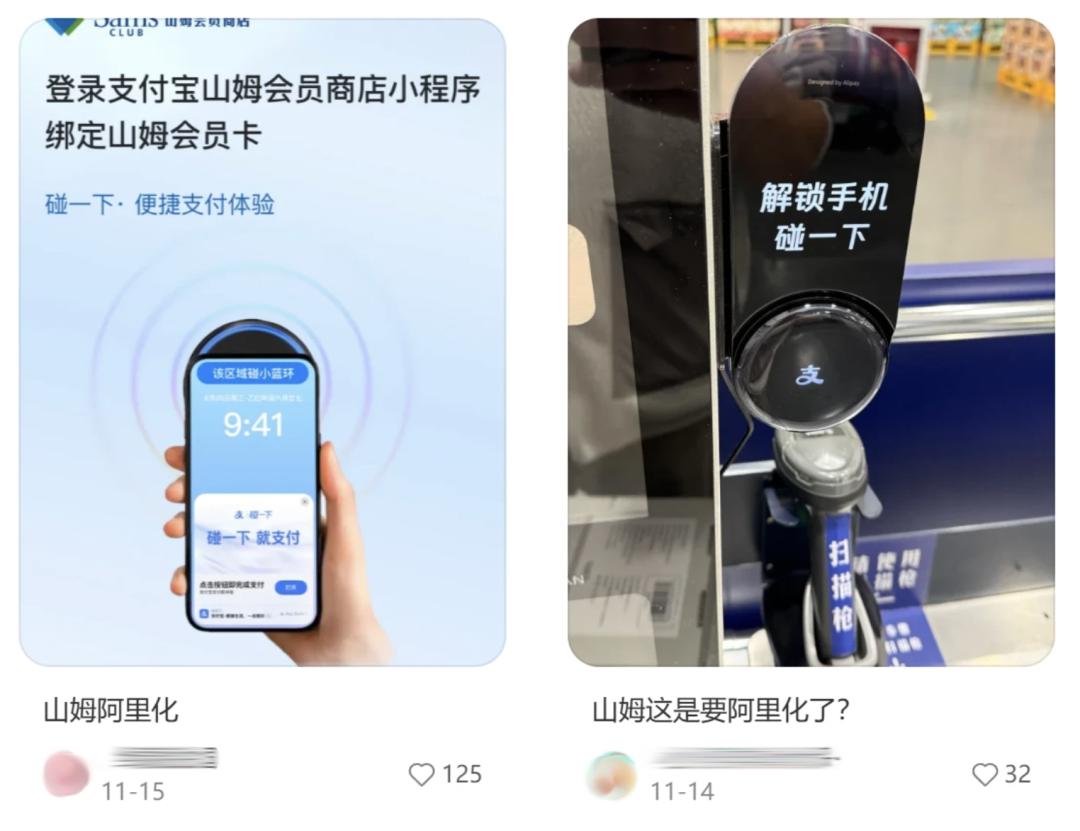
Core Viewpoint - The recent leadership change at Sam's Club, with former Alibaba executive Liu Peng taking over, has sparked controversy over the perceived "Alibaba-ization" of the brand, leading to mixed reactions from members and employees alike [1][4][6]. Group 1: Changes in Sam's Club - The Sam's Club app has undergone significant changes, including the replacement of product images with promotional graphics and the introduction of new payment features, reflecting a shift towards e-commerce strategies [1][4]. - Employees have expressed concerns about the increasing emphasis on KPI-driven culture, which they associate with Alibaba's management style, leading to a more competitive and stressful work environment [4][6]. - The introduction of former Alibaba and Hema employees into key positions at Sam's Club has intensified discussions about the impact of Alibaba's corporate culture on traditional retail operations [4][10]. Group 2: Market Position and Strategy - Sam's Club's sales in China are projected to exceed 100 billion yuan in 2024, accounting for nearly two-thirds of Walmart China's overall performance, highlighting the importance of the Chinese market for the brand [6][11]. - The company has faced challenges related to supply chain management and member experience, with complaints about product freshness and quality, indicating a need for operational improvements [6][11]. - The operational strategies being adopted, influenced by Alibaba's experience, are seen as necessary for Sam's Club to adapt to the rapid growth and competitive landscape in China [6][11]. Group 3: Broader Industry Trends - The trend of international brands shifting towards local management teams is evident, with companies like Starbucks and Burger King also making similar moves to enhance local operations and supply chain management [10]. - The cultural shift within companies, particularly the adoption of performance-driven metrics and efficiency-focused practices, is becoming more common as businesses seek to thrive in the competitive Chinese market [11][30]. - The perception of "Alibaba flavor" in corporate culture is increasingly viewed negatively, with former employees expressing concerns about the pressure and stress associated with such environments [22][25][30].


山姆需要「阿里味儿」
3 6 Ke· 2025-11-07 03:13
Core Viewpoint - The article discusses the recent changes at Sam's Club in China, particularly the appointment of Liu Peng, a former Alibaba executive, as the new president, and the subsequent reactions from loyal members who fear a shift in the brand's identity and values [1][2][4]. Group 1: Member Reactions - Members are expressing concerns over changes in product quality and marketing strategies, indicating a strong loyalty to the current Sam's Club experience [1][2][4]. - The loyalty of members is highlighted as a double-edged sword; while it shows commitment, it also restricts the company's ability to innovate or change its business model without facing backlash [4][5][6]. Group 2: Business Model Comparison - The article contrasts the operational strategies of Sam's Club in the U.S. and China, noting that the U.S. model focuses on suburban expansion and a strong in-store experience, while the Chinese model has adapted to urban environments and e-commerce [11][12][13]. - In the U.S., Sam's Club has a mature network with plans for both new store openings and renovations, while in China, the focus has shifted to online sales, which now account for over 50% of gross merchandise volume (GMV) [11][13]. Group 3: Competitive Landscape - The competitive landscape for Sam's Club in China is evolving, with new rivals emerging from e-commerce giants like Alibaba and Meituan, shifting the focus from traditional competitors like Costco [15][17]. - The article suggests that Sam's Club must adapt to this new competition by incorporating elements of "Alibaba culture," which emphasizes efficiency and aggressive sales strategies [19][20]. Group 4: Strategic Dilemmas - The introduction of "Alibaba flavor" into Sam's Club's operations raises concerns about the potential erosion of the brand's core values and member trust [22][23]. - The article posits that the company is at a crossroads, needing to balance innovation with the preservation of its original identity to maintain member loyalty [23][24].

山姆风波,是阿里那个男的吗?
Ge Long Hui· 2025-11-06 20:16
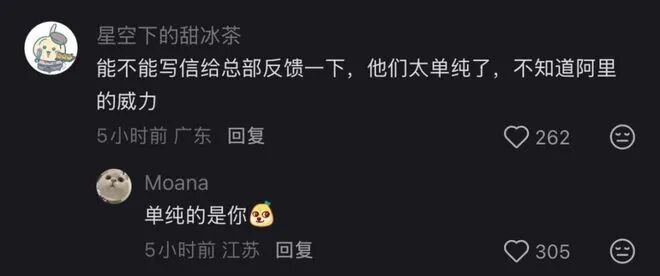
Core Insights - The article discusses the significant changes in Alibaba's employee dynamics since Jack Ma's departure as chairman, highlighting the rapid increase in talent outflow from the company, which has exceeded the initial goal set by Ma [2][5] - The perception of former Alibaba employees has shifted from being highly valued to facing criticism and negative sentiment on social media, indicating a decline in the company's cultural reputation [2][6] - The appointment of Liu Peng as the new president of Sam's Club has sparked controversy, with members expressing concerns about the potential "Alibaba flavor" infiltrating the brand, reflecting broader anxieties about corporate culture and management practices [3][6] Talent Outflow - Since Jack Ma's announcement, Alibaba has sent over 130,000 employees into the job market, far exceeding the target of 1,000 over 30 years, with a reduction of over 80,000 employees in the last fiscal year alone [2] - The article notes that the once-coveted "10-year Alibaba employees" are now viewed negatively, with many expressing dissatisfaction with the company's culture on social media [2][6] Cultural Shift - The term "Alibaba flavor," once a badge of honor, has become a derogatory term associated with negative workplace practices such as internal competition and excessive work hours [2][6] - Social media commentary reflects a growing disdain for the corporate culture associated with Alibaba, with members of Sam's Club fearing that the company's management style will negatively impact their shopping experience [6][8] Liu Peng's Appointment - Liu Peng's recent appointment as president of Sam's Club has led to backlash from members who fear the brand will adopt Alibaba's controversial practices, with calls for his removal circulating on social media [3][6] - Despite the criticism, Liu's prior experience at Alibaba is seen as a potential asset for Sam's Club, with expectations for strategic upgrades and digital transformation [5][6] Corporate Response - Following the backlash, Sam's Club issued an apology and committed to improving the app experience, indicating a shift in public relations strategy to address member concerns [7] - The article concludes with a reflection on how the perception of former Alibaba employees has changed, from being celebrated to being reduced to mere identifiers in the corporate landscape [8]