
山姆APP

Search documents
山姆会员商店青岛店会员办理火热,4千种差异化商品全国配送
Qi Lu Wan Bao· 2026-01-25 13:15
Core Viewpoint - Sam's Club is preparing to open a new store in Qingdao, expected to launch in 2026, with a temporary membership registration center already established to cater to local residents' needs [1]. Group 1: Membership Details - Membership cards can be obtained both online and offline, with two types available: personal membership at 260 yuan/year and premium membership at 680 yuan/year [2]. - New members can enjoy exclusive benefits, including a 100 yuan gift package, which consists of a 50 yuan all-channel coupon for regular members and an additional 50 yuan global purchase coupon for premium members [2]. - Members who register before the store opening can start shopping online via the Sam's Club app, with a membership validity of 365 days from the opening ceremony [4]. Group 2: Shopping Experience - Sam's Club offers a diverse shopping experience with approximately 4,000 differentiated high-quality products sourced globally, providing significant price advantages [6]. - The shopping methods include in-store visits, online shopping through the app, and various delivery options, including a rapid delivery service expected to launch soon in Qingdao [4][6]. - The physical stores feature interactive areas such as Sam's Kitchen and health management centers, enhancing the in-store shopping experience [6]. Group 3: Seasonal Promotions - With the Spring Festival approaching, new members can utilize the Sam's Club app for convenient nationwide delivery, ensuring access to high-quality products even in cities without physical stores [7].



山姆想变革,首先要学会抛弃“中产优越感”
3 6 Ke· 2025-11-12 07:48
Core Insights - Sam's Club has faced significant backlash from its members following an app update that introduced features perceived as overly complicated and less transparent, leading to a wave of negative reviews and calls for boycotts against new management [1][3][4] - The backlash reflects deeper issues regarding the brand's identity and its alignment with the values of its middle-class consumer base, who view Sam's as a symbol of quality and exclusivity [5][10][12] Group 1: Member Sentiment and Brand Identity - The dissatisfaction with the app update stems from a long-standing expectation among middle-class families for high-quality, carefully curated products that simplify their shopping experience [3][4] - Members are not just purchasing a membership; they are buying into an identity that signifies access to a superior lifestyle, which is threatened by perceived changes in product quality and brand strategy [7][10] - The rapid expansion of Sam's Club has diluted its exclusivity, leading to concerns that the brand may lose its appeal to its core demographic [12][17] Group 2: Competitive Landscape and Strategic Challenges - Sam's Club is under pressure from both traditional competitors like Costco and emerging players such as Hema and online platforms, necessitating a strategic shift to maintain market relevance [13][15] - The company has accelerated its store openings, planning to increase from 5-6 stores annually to 6-7 by 2024, with a record 8 new stores planned for this year [10][12] - The recent app update and product changes are seen as attempts to adapt to competitive pressures, but they risk alienating existing members who value the brand's traditional standards [17] Group 3: Future Directions and Strategic Focus - To navigate the current backlash and competitive environment, Sam's Club must balance its international brand identity with the need for local adaptation, ensuring that it meets the evolving demands of Chinese consumers [17] - Addressing operational issues, such as complex shipping rules and product selection, will be crucial for restoring member trust and satisfaction [17] - The company must prioritize maintaining its "member first" philosophy while exploring innovative ways to enhance the shopping experience without compromising its core values [17]
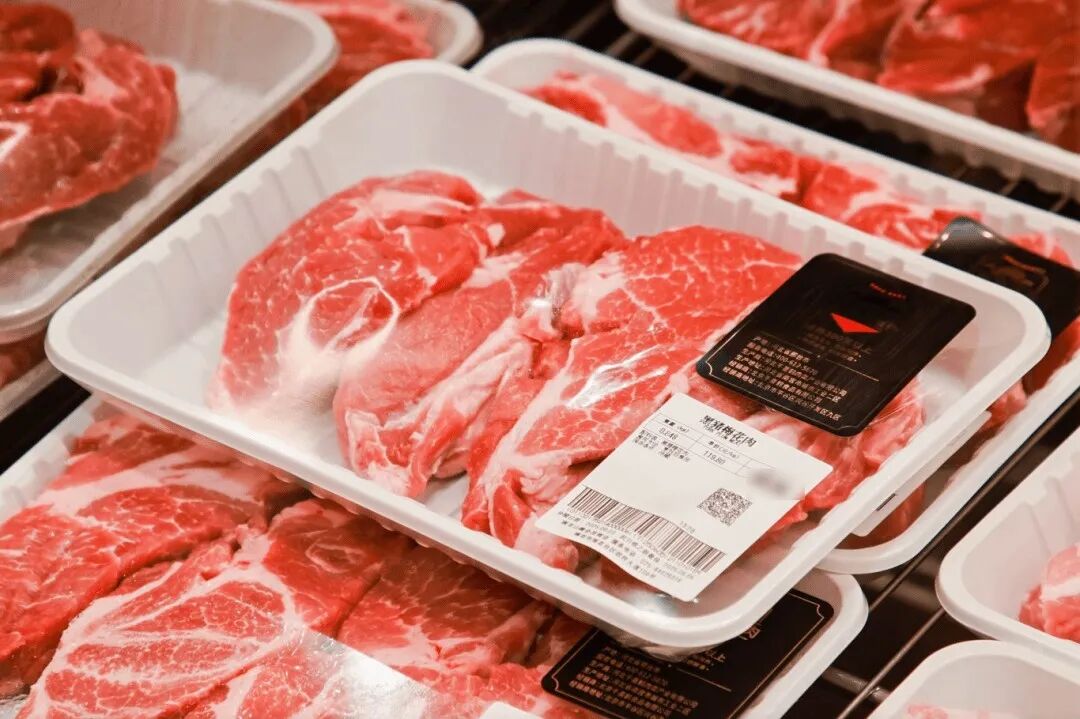
“讨厌 X 里文化!公司空降 X 里系高管后差点黄了。干 1 年大家都裁了,包括他们自己。”
程序员的那些事· 2025-11-10 07:05
Core Viewpoint - The controversy surrounding the Sam's Club app redesign reflects broader concerns about the impact of executives from large companies on smaller organizations, particularly regarding the blind adoption of management practices that may not fit the new environment [10][11]. Group 1: User Reactions - Users expressed strong dissatisfaction with the new app interface, leading to calls for the dismissal of the new executive from the "X" background, despite the redesign being planned prior to their arrival [1][2]. - A significant number of comments (over 1000) emerged from users sharing negative experiences related to the influence of executives from large companies, highlighting issues such as severe internal competition and layoffs [3][4]. Group 2: Criticism of Management Practices - Many users criticized the "blindly copying models" approach taken by smaller companies when hiring executives from large firms, suggesting that such practices often lead to detrimental outcomes [7][10]. - A consultant noted that the operational models of large companies are tailored to their specific market conditions and cannot be directly applied to smaller firms without adaptation [7][10]. Group 3: Long-term Implications - The article emphasizes that the core issue is not solely the executives from the "X" background, but rather the decisions made by company leadership to hire them and implement their management strategies [8][11]. - Effective management should be based on the unique circumstances of each company, rather than a one-size-fits-all approach derived from larger organizations [10][11].

年费680元买个寂寞,山姆强推流量玩法遭抵制,会员制初心哪去了
Sou Hu Cai Jing· 2025-11-09 09:06
Core Viewpoint - The recent update of the Sam's Club app has led to a significant backlash from members, highlighting a crisis of trust in the membership model due to perceived declines in product transparency and user experience [1][3][4] User Experience Issues - The app update, which began testing in late August, resulted in complaints about overly beautified product images and hidden ingredient lists, leading to a loss of the "what you see is what you get" principle [4][7] - Users reported that product details became more complicated to access, with essential information being hidden behind multiple clicks, increasing decision-making costs [4][7] - Concerns about information transparency arose, with discrepancies between product descriptions and actual labels, such as "domestic" versus "imported" [4][7] Strategic Conflicts - The backlash reflects deeper strategic conflicts within Sam's Club, as the new management attempts to apply e-commerce traffic strategies to a membership-based model, which fundamentally relies on trust rather than traffic [7][9] - The membership fee structure, which is designed to attract high-spending customers, is being undermined by a shift towards a more transactional, traffic-driven approach [7][9] Identity Crisis and Management Changes - The app update failure is symptomatic of a broader identity crisis as Sam's Club undergoes strategic transformation, marked by a management change with the appointment of a new president from Alibaba [9][10] - Rapid expansion has put pressure on supply chains and operational efficiency, with membership growth slowing from 40% to 16% [10][12] Trust and Quality Concerns - Past incidents of perceived product quality degradation, such as the introduction of lower-quality brands, have exacerbated the current trust crisis among members [12][14] - The company has acknowledged the need to improve and has begun to replace some product images with real photos, but these incremental changes may not be sufficient to quell member dissatisfaction [14][16] Lessons for Membership Retail - The situation serves as a cautionary tale for membership-based retail, emphasizing that digital transformation must prioritize member trust and experience over mere data metrics [16][17] - Sam's Club faces a critical juncture, needing to redefine the unique value proposition of its membership fees amidst growing member discontent [17]
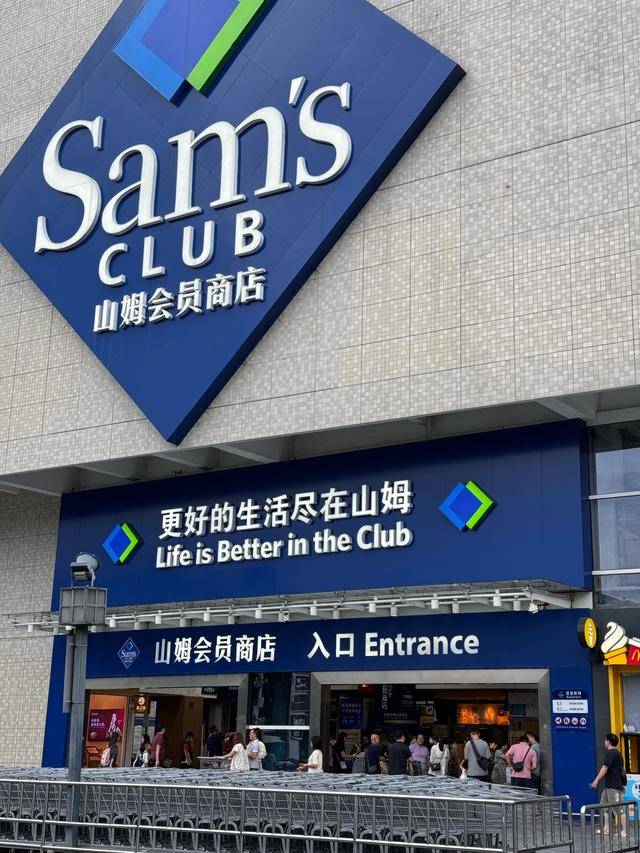
激怒山姆用户的,不止AI商品图
虎嗅APP· 2025-11-09 02:47
Core Viewpoint - The article discusses the backlash against Sam's Club due to the introduction of AI-generated product images and changes in the app that have led to a perceived decline in product quality and membership value, causing dissatisfaction among users [4][9][28]. Group 1: Incident Overview - The controversy began with the introduction of AI-generated product images, including humorous representations of products like "water bamboo" and "H₂O," which were quickly removed after public ridicule [4][13][18]. - Users expressed their anger on social media platforms, attributing the issues to the recent appointment of a former Alibaba executive as the new president of Sam's Club, despite the company stating that the app changes were in testing since August [8][9][28]. Group 2: User Sentiment and Membership Value - Members feel that the introduction of AI images and a cluttered app interface has diminished the trust and value they previously associated with their membership, which was based on the assurance of quality products [9][21][32]. - The core competitive advantage of Sam's Club was its ability to provide a reliable shopping experience, allowing members to "choose with their eyes closed." The shift to AI images has led to skepticism about product authenticity [21][32]. Group 3: Market Competition and Challenges - The competitive landscape has intensified, with other platforms like Hema and Seven Fresh enhancing their supply chains, which has eroded Sam's Club's previous advantages in certain product categories [31][32]. - The article highlights that the changes made by Sam's Club may not align with the expectations of its core user base, who are willing to pay for differentiated value, and any perceived reduction in that value can lead to feelings of betrayal [30][32][33].
APP改版为何惹众怒?告别神话时代,山姆进入“争议周期”
Hua Xia Shi Bao· 2025-11-08 13:33
Core Viewpoint - Sam's Club is facing a significant backlash from its members due to issues arising from its recent app redesign, which included overly beautified product images and hidden ingredient lists, leading to widespread dissatisfaction among consumers [2][3]. Group 1: App Redesign Controversy - The app redesign has transformed product display images from clear, straightforward visuals to highly saturated, retouched images, causing disappointment among members who were already unhappy with the inclusion of popular brands like Haoliyou [3][4]. - Following the appointment of new president Liu Peng on October 27, members have expressed their discontent on social media, directing their frustration towards him despite the company stating that the app changes were not directly related to his leadership [3][4]. - The ongoing controversies have eroded consumer trust, with some members indicating they may not renew their memberships if the situation does not improve [3][4]. Group 2: Leadership Transition - Liu Peng's appointment comes during a transitional phase, as he is taking over from Jane Ewing, who is set to return to Walmart International by the end of the year [4][5]. - The leadership change coincides with the app redesign issues, which have been interpreted by some as indicative of deeper internal conflicts and management challenges within the company [5]. Group 3: Competitive Landscape - Sam's Club has experienced significant growth, with Walmart China reporting a 25.1% increase in net sales to $12.365 billion for the first half of the fiscal year ending July 31, 2026, and Sam's Club maintaining strong performance with double-digit growth in transaction volume [6]. - However, the retail landscape is evolving rapidly, with competitors like Hema and Aoleqi expanding quickly, and traditional supermarkets like Wumart and Yonghui adopting new strategies that enhance their product offerings and proximity to consumers [6][7]. - The rise of instant retail platforms poses additional challenges, as Sam's Club struggles to compete with the convenience and frequency of service offered by platforms like Meituan and JD Daojia [6].

山姆需要「阿里味儿」
3 6 Ke· 2025-11-07 03:13
Core Viewpoint - The article discusses the recent changes at Sam's Club in China, particularly the appointment of Liu Peng, a former Alibaba executive, as the new president, and the subsequent reactions from loyal members who fear a shift in the brand's identity and values [1][2][4]. Group 1: Member Reactions - Members are expressing concerns over changes in product quality and marketing strategies, indicating a strong loyalty to the current Sam's Club experience [1][2][4]. - The loyalty of members is highlighted as a double-edged sword; while it shows commitment, it also restricts the company's ability to innovate or change its business model without facing backlash [4][5][6]. Group 2: Business Model Comparison - The article contrasts the operational strategies of Sam's Club in the U.S. and China, noting that the U.S. model focuses on suburban expansion and a strong in-store experience, while the Chinese model has adapted to urban environments and e-commerce [11][12][13]. - In the U.S., Sam's Club has a mature network with plans for both new store openings and renovations, while in China, the focus has shifted to online sales, which now account for over 50% of gross merchandise volume (GMV) [11][13]. Group 3: Competitive Landscape - The competitive landscape for Sam's Club in China is evolving, with new rivals emerging from e-commerce giants like Alibaba and Meituan, shifting the focus from traditional competitors like Costco [15][17]. - The article suggests that Sam's Club must adapt to this new competition by incorporating elements of "Alibaba culture," which emphasizes efficiency and aggressive sales strategies [19][20]. Group 4: Strategic Dilemmas - The introduction of "Alibaba flavor" into Sam's Club's operations raises concerns about the potential erosion of the brand's core values and member trust [22][23]. - The article posits that the company is at a crossroads, needing to balance innovation with the preservation of its original identity to maintain member loyalty [23][24].

因为来了个新高管,山姆被喷上热搜了?
3 6 Ke· 2025-11-07 02:06
Core Insights - The recent app redesign of Sam's Club has sparked significant backlash from users, indicating a shift away from its original value proposition of simplicity and user-friendliness [3][6][7] - The appointment of a former Alibaba executive as the new president of Sam's Club has led to speculation about the company's direction and potential changes in its operational strategy [8][9] - Users are increasingly questioning the quality and pricing of products at Sam's Club, with reports of price increases and the removal of frequently purchased items, which undermines the brand's reputation as a value-driven retailer [18][21][33] User Experience and Feedback - The app's visual overhaul has made it more aesthetically pleasing but less functional, leading to frustration among long-time users who find it harder to navigate [4][6] - The backlash on social media highlights a disconnect between the company's changes and user expectations, with many expressing dissatisfaction with the new app features [7][11] - The company has acknowledged user feedback and is attempting to revert some changes, indicating a recognition of the importance of maintaining customer satisfaction [11] Strategic Direction and Challenges - Sam's Club has been expanding rapidly, with a significant increase in the number of stores opened in recent years, which raises concerns about the sustainability of its supply chain and product quality [36][40][42] - The company's strategy has shifted from a slow, focused expansion in major cities to a more aggressive approach, including entering smaller markets, which may strain existing operational capabilities [40][46] - There are indications that the pressure to maintain profit margins has led to compromises in product quality, as suppliers may cut corners to meet cost demands [34][35] Market Position and Future Outlook - Despite current challenges, the market for high-quality imported goods in smaller cities presents a significant opportunity for Sam's Club, as demand for such products continues to grow [43][46] - The new leadership may bring fresh perspectives and strategies to address current issues, although the transition may be met with skepticism from existing customers [47][49] - The company faces the challenge of balancing the need for growth with the necessity of preserving the customer experience that originally attracted its user base [49][50]
因为来了个新高管,山姆被喷上热搜了?
36氪· 2025-11-07 00:13
Core Viewpoint - The article discusses the recent backlash against Sam's Club due to its app redesign, which has made the shopping experience more complicated for users, leading to dissatisfaction among long-time customers [4][5][9]. User Experience and App Redesign - The recent app update changed product images from straightforward real-life photos to more stylized "artistic" images, making it harder for users to quickly assess products [6][8]. - Users have expressed frustration on social media, indicating that the app has become less user-friendly and that essential product information is now harder to find [9][13]. Management Changes and Brand Perception - The appointment of Liu Peng, a former Alibaba executive, as the new president of Sam's Club has led to speculation about the brand becoming more like Alibaba's Hema supermarket [10][11]. - There is a growing concern that Sam's Club is straying from its original value proposition of being a premium membership store that offers high-quality products at competitive prices [15][18]. Product Quality and Pricing Issues - Customers have reported that frequently purchased items have been removed from shelves, replaced by products that are perceived as lower quality [19]. - Price increases have been noted, with some products now being more expensive than similar items available on e-commerce platforms, raising questions about the value offered by Sam's Club [21][26]. Supply Chain and Expansion Challenges - The rapid expansion of Sam's Club has raised concerns about its supply chain capabilities, leading to potential compromises in product quality as suppliers face cost pressures [31][32]. - The company has shifted its strategy from slow, focused growth in major cities to a more aggressive expansion into lower-tier cities, which may strain existing resources [40][44]. Future Outlook - Despite the current challenges, there is potential for Sam's Club to adapt and improve, especially with the new leadership aimed at enhancing operational capabilities [45][46]. - The company faces the challenge of balancing the experience of existing members with the need to attract new customers, as public scrutiny of its changes intensifies [47][48].

山姆APP支付跳转黄色网站
Xin Lang Cai Jing· 2025-11-06 11:22
Core Insights - The article discusses a significant issue regarding the Sam's Club app redirecting users to inappropriate websites, raising concerns about cybersecurity and user safety [2] Group 1 - The Sam's Club app has been reported to redirect users to adult content websites, which poses a serious risk to its user base [2] - This incident highlights potential vulnerabilities in the app's security protocols, prompting questions about the company's commitment to user safety [2] - The situation may lead to reputational damage for the company, affecting customer trust and potentially impacting sales [2]