非遗商业化

Search documents
短视频加持 国潮消费跑出“加速度”
Bei Jing Shang Bao· 2026-01-15 12:14
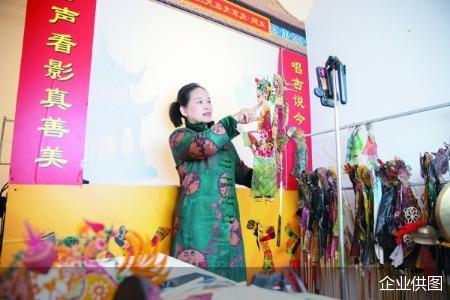
Core Insights - The rise of "Guochao" consumption has significantly boosted niche markets represented by intangible cultural heritage (ICH) skills, with platforms like Douyin facilitating the integration of cultural transmission and commercial development [1][10] Group 1: Development of ICH through Short Video Platforms - The rapid growth of short video platforms has provided new channels for the dissemination of ICH, with many practitioners starting to utilize Douyin to increase exposure [3] - Notable examples include Wang Xi, a practitioner of Beijing's shadow puppetry, who gained nearly 300 million views on a topic he created in three days, marking a significant milestone in ICH short video dissemination [3] - By 2025, Wang Xi's live streaming efforts attracted over 100,000 viewers in a single session, showcasing the potential for cultural and commercial synergy [3] Group 2: Entrepreneurial Ventures by ICH Practitioners - Some ICH practitioners have begun entrepreneurial ventures to create a more systematic and professional operational framework, such as the establishment of Beijing Mianren Cultural Co., Ltd. by Lang Jiazhi [4] - This company covers the entire process from product creation to offline activities and video planning, indicating a shift towards a more business-oriented approach in the ICH sector [4] Group 3: Consumer Demand and Market Dynamics - The favorable industry environment has accelerated the growth of the self-media sector, driving the commercialization of ICH and creating a positive "demand-driven supply" dynamic [5] - High exposure on short video platforms has generated stable fan traffic for ICH projects, leading to diverse commercial opportunities such as performances and customized products [5] Group 4: Challenges in Commercialization of ICH - Despite the growth, challenges remain in the commercialization of niche ICH skills, including a lack of professional marketing capabilities among some practitioners [7] - High production costs and long manufacturing cycles hinder the ability of ICH products to become mainstream consumer goods [7] - The limited consumer base and the need for practitioners to balance creative work with market demands further complicate the commercialization process [7] Group 5: Differentiated Commercialization Paths - Different ICH skills exhibit varied commercialization characteristics, with high-end and customized approaches being more suitable for irreplaceable traditional crafts [8] - Practitioners' understanding of branding influences the direction of their business models, as seen in Lang Jiazhi's focus on quality and cultural transmission over scale [8] Group 6: The Role of Guochao Consumption - The rapid development of ICH products on short video platforms is driven by the Guochao consumption trend, reflecting consumers' confidence and deep recognition of traditional culture [10][11] - The market for Guochao consumption is expected to grow significantly, with projections indicating a market size of 3 trillion yuan by 2028 [12]

曾经被冷落的非遗,正在成为一门暴利生意
Sou Hu Cai Jing· 2025-11-13 08:53
Core Insights - The article highlights a significant surge in the consumption of intangible cultural heritage (ICH) in China over the past two years, driven by changing tourism demands and a mismatch in supply [1][5][10] - ICH projects have transformed from being overlooked to becoming highly profitable businesses, with examples of substantial revenue generation from various ICH initiatives [3][4][15] Group 1: Market Trends - In the first half of 2025, the volume of "ICH" related content published reached 145.7% of the total for 2024, indicating a growing interest in local flavors, folk customs, and traditional crafts [1] - Popular ICH projects like the Quanzhou hairpin flower, Huizhou fish lantern, and Nanhai dragon boat racing have gained significant public attention this year [2][13] - The demand for ICH experiences is driven by a shift in traveler preferences towards cultural and experiential tourism rather than traditional sightseeing [12] Group 2: Revenue Generation - Notable revenue figures include Tangshan Banquet generating 160 million yuan from local ICH snacks, and the Zigong Lantern Festival earning 212 million yuan from ticket sales over 112 days, showcasing the financial potential of ICH projects [4][20] - The Yanbian Korean Ethnic Park, focusing on cultural photography and ICH experiences, attracted 3.98 million visitors and also surpassed 100 million yuan in revenue [20] Group 3: Business Model Evolution - Successful ICH projects follow a commercial iteration path from non-standard goods to standardized products, emphasizing quality and immersive cultural experiences [21][25] - The Tangshan Banquet exemplifies this model by integrating local ICH snacks into a cohesive cultural experience, significantly boosting sales [22][24] - The self-contained ecosystem of the Zigong Lantern Festival illustrates how ICH can serve as a marketing platform for local businesses, enhancing brand visibility and market reach [25] Group 4: Digital and Platform Strategies - Major digital platforms like Douyin have strategically promoted ICH projects, such as the Huizhou fish lantern, leveraging data analytics to identify and amplify trending topics [26][28] - OTA platforms like Ctrip are also investing in ICH experiences, creating unique offerings that combine traditional skills with modern tourism [29][31] - The article suggests that cities should capitalize on digital trends to promote their ICH projects effectively, ensuring they can handle the resulting influx of interest and revenue [31]

对话“朱炳仁·铜”朱军岷:非遗品牌的破圈密码是什么?
Sou Hu Cai Jing· 2025-09-25 07:44
Core Viewpoint - The article discusses how the brand "Zhu Bingren Copper" successfully leveraged a sudden surge in online traffic, particularly following a viral event, to enhance its brand presence and sales, achieving over 600 million yuan in annual revenue. The brand's strategy involved preparing for this influx of attention and adapting its product offerings to meet consumer demand [4][20][24]. Group 1: Brand Strategy and Adaptation - "Zhu Bingren Copper" had already established a "modern workshop" model before the traffic surge, allowing it to effectively capitalize on the increased visibility [5][20]. - The brand's slogan evolved to include both high-end and affordable products, enabling it to cater to a broader audience during the traffic spike [21][58]. - The company successfully transitioned from a focus on high-end cultural gifts to include more accessible products, which helped maintain sales momentum during the viral event [20][24]. Group 2: Traffic Management and Brand Engagement - The brand's founder, Zhu Junmin, recognized the importance of maintaining engagement with the audience through various content formats, such as videos and short dramas, to keep the brand relevant [5][20]. - Following the viral event, the brand experienced a 50-fold increase in sales within a week, demonstrating the effectiveness of its strategy to engage with the sudden influx of customers [19][24]. - The brand's ability to convert traffic into long-term brand assets was attributed to its proactive approach in preparing for the surge and having a diverse product range ready for consumers [4][20][24]. Group 3: Cultural Heritage and Market Positioning - The brand emphasizes that the essence of intangible cultural heritage (ICH) is not just preservation but also making it relevant and needed in contemporary society [5][20]. - Zhu Junmin's approach to ICH involves sharing techniques and knowledge openly, which he believes will help elevate the entire industry rather than keeping it secretive [64][70]. - The brand's positioning as a cultural heritage entity allows it to tap into both online and offline markets, ensuring a steady flow of traffic and consumer interest [26][27].