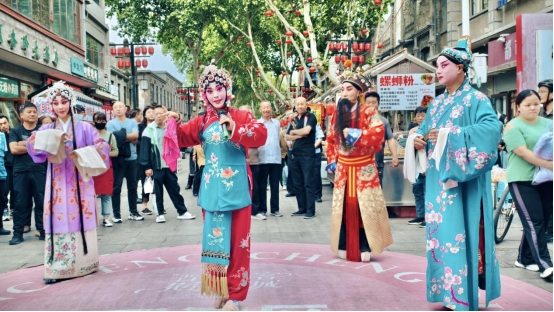
非遗小吃

Search documents
2025,中国旅游消费彻底变了
虎嗅APP· 2026-01-02 13:24
Core Insights - In 2025, domestic tourism consumption in China experienced an unexpected trend where major economic hubs like Beijing and Shanghai saw a decline in tourism spending, while less developed regions such as Northeast (Heilongjiang, Jilin, Liaoning), Northwest (Gansu, Qinghai), and Southwest (Yunnan, Guizhou) exhibited a surge in tourism consumption [3][4][6]. - Traditional government measures to stimulate tourism, such as consumption vouchers and free admission, have become less effective, leading to the rise of new strategies like seasonal holidays and local intangible cultural heritage events to boost tourism [26][28][32]. Group 1: Consumption Patterns - A report categorized provinces into four consumption types based on per capita income and consumption rates, revealing that Beijing and Shanghai fall into the "cautious consumption" category, contrary to expectations [5][6]. - Residents in economically weaker regions like Northeast China are more willing to spend on tourism due to lower living costs and stable incomes, leading to increased tourism activity [11][12]. Group 2: Changing Consumer Behavior - The trend of tourists opting for camping over hotel stays during peak seasons highlights a shift towards seeking high cost-performance experiences in tourism [14][15]. - The K-shaped differentiation in tourism consumption indicates a split where some consumers prioritize high emotional value experiences, while others focus on high cost-performance, emphasizing value for money [16][18]. Group 3: New Stimulus Measures - The effectiveness of traditional tourism stimulus measures has diminished, prompting the introduction of new strategies such as school autumn breaks and government-led cultural festivals to stimulate local tourism [26][28]. - The introduction of school autumn breaks in cities like Sichuan and Guangdong has unexpectedly boosted local tourism, creating a new peak travel period [28][30]. Group 4: Future Opportunities - The shift in tourism consumption patterns presents new opportunities for businesses, particularly in less developed regions where tourism infrastructure is evolving [35][36]. - The anticipated rise of government-led cultural festivals and new public holidays is expected to further stimulate tourism consumption in 2026, with a focus on creative and low-barrier events [36][37].

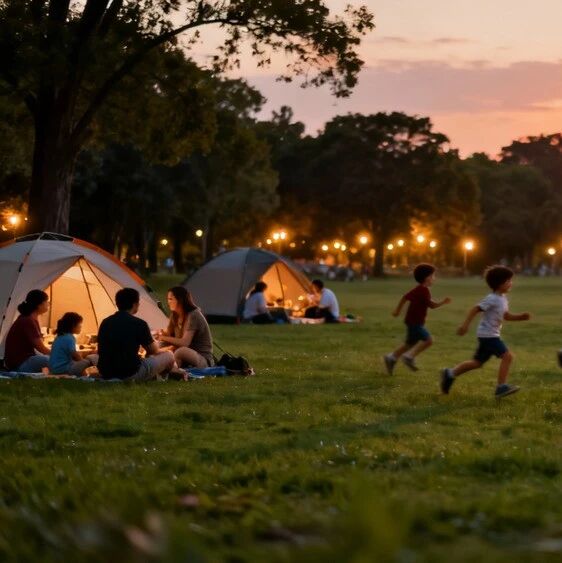
“欢购荆州 荆彩新年”150+场促消费活动嗨购不停
Zhong Guo Xin Wen Wang· 2025-12-16 06:49
Core Viewpoint - The Jingzhou Business Bureau is launching over 150 promotional activities themed "Shopping in Jingzhou, Colorful New Year" to enhance the festive consumption atmosphere during the upcoming New Year and Spring Festival in 2026 [1] Group 1: Promotional Activities - Six major commercial circles and districts will host diverse promotional activities, including a romantic New Year's Eve event at Wanda Plaza featuring a music festival and various giveaways [3] - Wuyue Plaza will hold a Super New Year Party with performances from local celebrities and a countdown event to engage the public [3] - Anliang Department Store will run a series of promotions focused on beauty, clothing, and accessories, utilizing coupons and gift incentives to attract customers [3] - Various shopping centers will create immersive experiences, such as themed markets and cultural performances, to enhance the shopping experience [4][6] Group 2: Regional Activities - Each county will implement a unique theme for their promotional activities, focusing on local characteristics to stimulate consumption [7] - Shashi District will host a series of events centered around local flavors and cultural experiences, creating a full-day consumption chain [8] - Jingzhou District will organize a New Year goods market featuring traditional performances and local delicacies to create an immersive festive atmosphere [8] Group 3: Market and Food Promotions - Jiangling County will hold a rural market event to provide a variety of local products and goods, catering to the community's needs for New Year shopping [9] - Publican County will collaborate with supermarkets to offer group purchase discounts for New Year goods, enhancing consumer benefits [10] - Jingzhou Economic Development Zone will host a New Year procurement carnival featuring various themed areas to ignite the festive spirit [10]
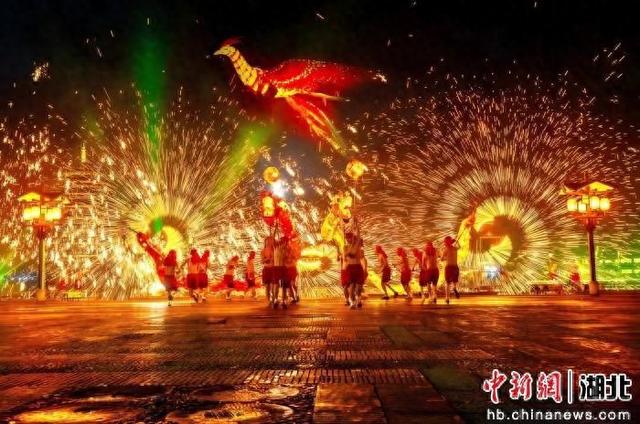
曾经被冷落的非遗,正在成为一门暴利生意
Sou Hu Cai Jing· 2025-11-13 08:53
Core Insights - The article highlights a significant surge in the consumption of intangible cultural heritage (ICH) in China over the past two years, driven by changing tourism demands and a mismatch in supply [1][5][10] - ICH projects have transformed from being overlooked to becoming highly profitable businesses, with examples of substantial revenue generation from various ICH initiatives [3][4][15] Group 1: Market Trends - In the first half of 2025, the volume of "ICH" related content published reached 145.7% of the total for 2024, indicating a growing interest in local flavors, folk customs, and traditional crafts [1] - Popular ICH projects like the Quanzhou hairpin flower, Huizhou fish lantern, and Nanhai dragon boat racing have gained significant public attention this year [2][13] - The demand for ICH experiences is driven by a shift in traveler preferences towards cultural and experiential tourism rather than traditional sightseeing [12] Group 2: Revenue Generation - Notable revenue figures include Tangshan Banquet generating 160 million yuan from local ICH snacks, and the Zigong Lantern Festival earning 212 million yuan from ticket sales over 112 days, showcasing the financial potential of ICH projects [4][20] - The Yanbian Korean Ethnic Park, focusing on cultural photography and ICH experiences, attracted 3.98 million visitors and also surpassed 100 million yuan in revenue [20] Group 3: Business Model Evolution - Successful ICH projects follow a commercial iteration path from non-standard goods to standardized products, emphasizing quality and immersive cultural experiences [21][25] - The Tangshan Banquet exemplifies this model by integrating local ICH snacks into a cohesive cultural experience, significantly boosting sales [22][24] - The self-contained ecosystem of the Zigong Lantern Festival illustrates how ICH can serve as a marketing platform for local businesses, enhancing brand visibility and market reach [25] Group 4: Digital and Platform Strategies - Major digital platforms like Douyin have strategically promoted ICH projects, such as the Huizhou fish lantern, leveraging data analytics to identify and amplify trending topics [26][28] - OTA platforms like Ctrip are also investing in ICH experiences, creating unique offerings that combine traditional skills with modern tourism [29][31] - The article suggests that cities should capitalize on digital trends to promote their ICH projects effectively, ensuring they can handle the resulting influx of interest and revenue [31]
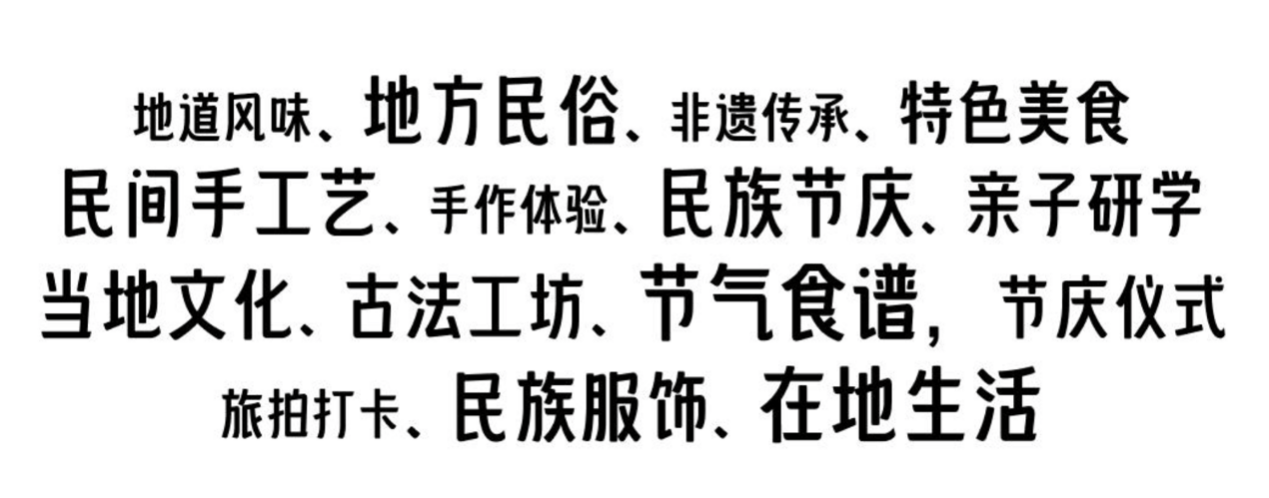
晋城城区:“五一”假期,花样宠客燃爆文旅市场,全城把游客当“明星”
Xin Hua Wang· 2025-05-07 09:07
Core Insights - The article highlights the successful implementation of a "star treatment" tourism service in Jincheng during the May Day holiday, attracting over one million visitors and generating significant online exposure [1][8]. Group 1: Tourism Experience - The high-speed train station was transformed into a welcoming space with cultural performances and interactive experiences, creating a "red carpet" atmosphere for visitors [2]. - Local restaurants offered a variety of traditional dishes for free tasting, enhancing the culinary experience for tourists [2]. - The city organized immersive street performances and events, making tourists the main characters in the cultural activities [3]. Group 2: Cultural Heritage - The city showcased its intangible cultural heritage through large-scale performances, such as the Guinness World Record for the largest iron flower display, providing unique experiences for visitors [5][7]. - Interactive tasks allowed tourists to enjoy free local delicacies, further engaging them in the cultural experience [5]. Group 3: Community Involvement - Over a hundred volunteers provided diverse tourism services, ensuring a warm and welcoming environment for visitors [8]. - Hotels introduced "star rooms" with special amenities, enhancing the overall guest experience [8]. - The city undertook cleanliness initiatives to ensure a pleasant atmosphere for both residents and tourists [8]. Group 4: Strategic Approach - The city adopted three main strategies: service scene enhancement, star-like experience for visitors, and resource collaboration, positioning quality service as a core competitive advantage in the tourism sector [8].