顾客第一

Search documents
沃尔玛还是优等生
远川研究所· 2026-02-11 13:48
Core Viewpoint - Walmart continues to innovate and adapt in the Chinese retail market, launching the "Mashi Store" concept to attract younger consumers and enhance the shopping experience, marking its 30th anniversary in China [2][19]. Group 1: Walmart's New Store Concept - The "Mashi Store" features interactive community themes, unique products, and engaging shopping experiences, aiming to create a vibrant atmosphere for consumers [2][8]. - The store in Shenzhen's Shekou area maintains a large physical space while enhancing the shopping experience with fun and diverse scenarios [8][9]. - The community store in the Xia Sha area focuses on a "10-minute walk" lifestyle, offering around 2,000 SKUs of high-quality, affordable products [8][9]. Group 2: Consumer Behavior and Market Trends - The concept of "nearness" is evolving, as consumers increasingly prefer online shopping, yet the popularity of the "Mashi Store" indicates a continued desire for physical shopping experiences [5][6]. - Young consumers are seeking emotional value and surprises in their shopping experiences, which traditional supermarkets often fail to provide [12][15]. - The "Mashi Store" aims to rekindle the joy of shopping by offering unique products and an immersive environment, transforming the perception of supermarkets from mere transactional spaces to engaging experiences [11][18]. Group 3: Walmart's Competitive Position - Walmart's market leadership is evidenced by its sales of 158.845 billion and a total of 334 stores, maintaining its position as the top retailer in China [19][21]. - The company's strong supply chain capabilities and commitment to customer satisfaction remain core competitive advantages, allowing it to adapt to changing consumer preferences [22][28]. - Walmart's self-owned brand "Wojuxian" has been upgraded to focus on simple, fresh ingredients, reflecting the company's dedication to quality and value [22][24].



零售的另一种答案:沃集鲜的 “配料表革命”
晚点LatePost· 2026-02-07 11:36
Core Viewpoint - Walmart is returning to the essence of retail by prioritizing "customer first" and focusing on product quality and transparency in its private brand offerings [4][20]. Group 1: Market Context - The private brand segment in China's retail market has seen significant growth, with sales exceeding 380 billion yuan, marking a 17% year-on-year increase [5]. - Over 90% of the top 100 supermarket players in China have entered the private brand space, leading to increased competition and product homogeneity [5]. Group 2: Product Development Strategy - Walmart's private brand, "沃集鲜" (Woji Xian), aims to fill unmet consumer needs rather than simply compete on price [6][8]. - The brand focuses on creating products with simple, clean ingredient lists, addressing consumer demand for health and transparency [10][12]. Group 3: Consumer Insights - The target demographic includes educated, busy urban middle-class families who prioritize health and convenience in their food choices [6]. - Consumers are increasingly looking for products with clean ingredients and straightforward purchasing decisions, which have not been adequately met by existing market offerings [6]. Group 4: Product Examples - The "低糖中式桃山皮糕点礼盒" (Low Sugar Chinese Pastry Gift Box) exemplifies Walmart's approach by combining health-conscious ingredients with appealing aesthetics [6]. - The "红富士苹果干礼盒" (Red Fuji Dried Apple Gift Box) features only apples in its ingredient list, showcasing a commitment to simplicity and quality [11][12]. Group 5: Supply Chain and Quality Control - Walmart leverages a robust global supply chain to source high-quality ingredients from various countries, ensuring product integrity [16][18]. - A rigorous quality control process is in place, including blind testing and multiple inspections, to maintain product standards and build consumer trust [19]. Group 6: Brand Philosophy - The brand philosophy of "简单为鲜" (Simple is Fresh) emphasizes clean ingredients, quality sourcing, and stable pricing, moving away from traditional promotional tactics [8][9]. - Walmart's strategy reflects a shift from focusing solely on financial metrics to prioritizing customer experience and product trustworthiness [8][20].

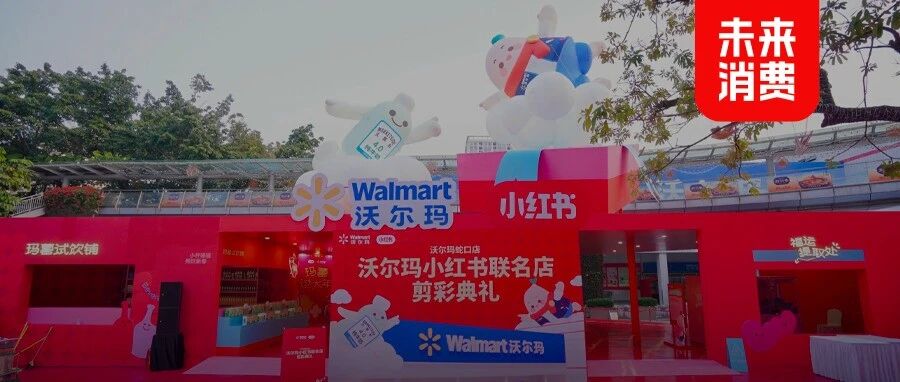
沃尔玛的新实验:在超市里逛出“种草感”
36氪未来消费· 2026-01-22 11:08
Core Insights - The article discusses Walmart's transformation into a customer-centric retail model, emphasizing a shift from a traditional big-box store to a more personalized shopping experience [4][6][17] - The collaboration with Xiaohongshu (Little Red Book) is highlighted as a significant step in this transformation, showcasing Walmart's commitment to understanding and catering to the needs of urban middle-class families and single individuals [4][6][17] Group 1: Strategic Focus - Walmart's strategy has shifted from trying to satisfy all customers to focusing on urban middle-class families and single individuals, who have specific needs and preferences [6][7] - This target demographic is characterized by their urban lifestyle, fast-paced living, and desire for quality products at reasonable prices [6][7] Group 2: Customer Understanding - To better understand its target customers, Walmart has implemented an efficient user feedback mechanism, including monitoring social media platforms like Xiaohongshu for consumer insights [8][16] - The development of products, such as a 10L beer inspired by Xiaohongshu users, demonstrates Walmart's responsiveness to customer preferences and trends [8][9] Group 3: Product Development - Walmart's private label "Wojuxian" reflects a commitment to simplicity and quality, aligning with the target customers' demand for fresh and transparent products [9][10] - Over the past year, Walmart has launched over 1,000 new products based on customer feedback, creating a responsive product development cycle [9][10] Group 4: Omnichannel Strategy - Walmart's omnichannel approach integrates online and offline experiences, positioning physical stores as essential experience centers rather than just sales points [11][12] - The community store model focuses on convenience and accessibility, addressing the daily needs of local residents [12][14] Group 5: Trust Building - Trust is identified as a critical component of Walmart's transformation, with a focus on addressing negative feedback and improving customer experiences [16][17] - The collaboration with Xiaohongshu enhances trust by providing a platform for genuine customer feedback, fostering a deeper connection between Walmart and its customers [16][17] Group 6: Industry Implications - Walmart's transformation serves as a case study for traditional retailers, demonstrating that proactive adaptation and customer engagement can create new growth opportunities in a competitive market [17] - The emphasis on understanding everyday consumer needs rather than chasing trends positions Walmart favorably for future competition [17]
在沃尔玛的社区店里,我们看到一些“非共识”
36氪未来消费· 2025-09-14 14:05
Core Viewpoint - The article emphasizes that "customer" is the eternal "first principle" in retail, highlighting Walmart's focus on understanding and meeting customer needs as the core of its strategy [2][17]. Group 1: Community Store Concept - Walmart's community store is a new initiative aimed at transforming its brand and better serving urban middle-class customers, which number approximately 175 million [7][12]. - The community store concept is not just a trend but a necessary response to evolving consumer demands for convenience and accessibility [13][16]. - The store's design and product offerings reflect a commitment to customer preferences, with a focus on high-frequency, everyday items [11][22]. Group 2: Customer-Centric Approach - Walmart's strategy revolves around the principle of "customer first," which guides all decisions and actions, ensuring that the company remains aligned with consumer needs [19][23]. - The company has conducted multiple customer surveys to refine its product selection and service delivery, demonstrating a commitment to continuous improvement based on customer feedback [9][10]. - Walmart's understanding of its customer base is clear, focusing on providing value and quality that meet or exceed customer expectations [12][20]. Group 3: Product Strategy - Walmart's approach to private label products is unique; rather than focusing solely on increasing the share of private brands, the emphasis is on delivering quality that meets customer expectations [10][11]. - The company collaborates with leading brands and manufacturers to offer a diverse range of products, ensuring that customers have access to both private label and branded items [12][15]. - The focus is on the intrinsic value of products rather than just sales metrics, with customer satisfaction being the primary measure of success [20][22]. Group 4: Omnichannel Strategy - Walmart's community stores are part of a broader omnichannel strategy, integrating online and offline shopping experiences to meet diverse consumer needs [15][16]. - The company operates under a "one inventory" model, where products are available across different store formats and online platforms, ensuring consistency and convenience for customers [15][16]. - This strategy allows Walmart to cater to various shopping preferences, from large store experiences to quick community store visits, enhancing overall customer satisfaction [16][23].