高压经济

Search documents
“高市交易”再度活跃 投资者为高市早苗赢得日本众议院选举做准备
Xin Lang Cai Jing· 2026-02-06 09:55
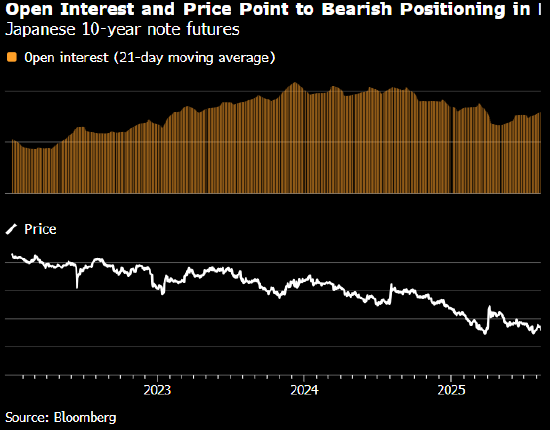
Group 1 - Investors are preparing for a decisive victory for Prime Minister Kishi's ruling Liberal Democratic Party (LDP) in the upcoming elections, leading to increased buying of Japanese stocks and selling of the yen and Japanese bonds [1][4] - Polls indicate that the LDP is likely to win an absolute majority in the House of Representatives, reviving the so-called "Kishi trade" despite a global stock market downturn, with the Tokyo stock market rising and the yen weakening [1][4] - Concerns have been raised about the sustainability of Japan's fiscal policy following Kishi's proposal to lower consumption tax, resulting in significant selling of ultra-long Japanese bonds [1][4] Group 2 - Schroders and Morgan Asset Management have expressed a cautious stance on Japanese government bonds, particularly ultra-long bonds, due to concerns over fiscal sustainability [1][4] - Analysts maintain a bearish outlook on the election results, suggesting that if the LDP secures an absolute majority, it could lead to a high-pressure economy without credible spending cuts or debt reduction plans, keeping risk premiums elevated [3][6] - The ongoing weakness of the yen has influenced interest rate expectations, with traders anticipating a greater than 70% chance of a rate hike by the Bank of Japan before April [6][7]

日本央行前委员呼吁:加息需谨慎!别太关注中性利率
Jin Shi Shu Ju· 2025-12-25 00:37
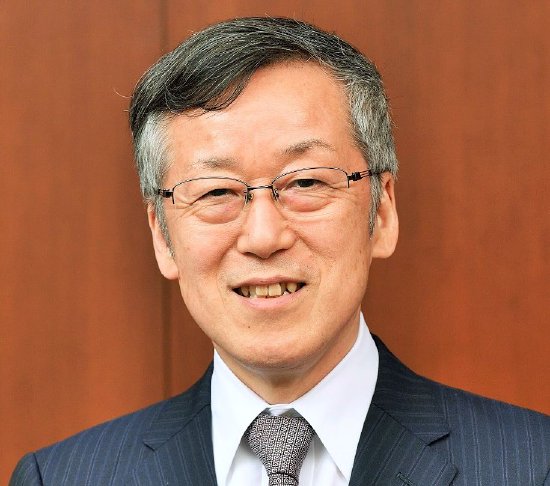
Group 1 - The former Bank of Japan committee member Yutaka Harada emphasizes the need for a cautious approach to interest rate hikes by the central bank, advocating for the government to actively stimulate the economy through fiscal, monetary, and tax policies to achieve a "high-pressure economy" [1] - Harada attributes persistent inflation partly to supply-side factors, including rising rice prices, and suggests that further interest rate increases may have limited impact on cost-driven price pressures [1] - The Bank of Japan recently raised borrowing costs to their highest level in 30 years, indicating progress towards its price stability target, but the government's significant spending increases under Prime Minister Fumio Kishida have raised concerns among some investors [1] Group 2 - Harada recommends that necessary expenditures should be concentrated in the initial budget, while additional budgets should be reduced to restore their original, limited purpose [3] - He urges the Bank of Japan to maintain a certain distance in discussions regarding the neutral interest rate, which is difficult to pinpoint due to its dependence on the natural rate and expected inflation [3] - Harada expresses concerns that many individuals are paying more taxes without a corresponding increase in real income, highlighting the need for adjustments in tax rates to align with rising nominal income levels [1]
日本央行前审议委员:日本推动经济增长期间需对加息采取审慎态度
Xin Hua Cai Jing· 2025-12-24 23:13
Core Viewpoint - The former Bank of Japan policy board member, Harada Takashi, emphasizes the need for the central bank to adopt a cautious approach to interest rate hikes amid government efforts to stimulate the economy [1] Group 1: Economic Policy - Harada suggests that the cabinet led by Prime Minister Kishida Fumio should fully utilize fiscal, monetary, and tax policies to stimulate demand and achieve the goal of a "high-pressure economy" [1] - He warns that hasty actions regarding interest rate increases could lead to excessive tightening of the economy [1] Group 2: Inflation and Interest Rates - Harada points out that the current persistent inflation is partly driven by supply-side factors such as rising rice prices [1] - He adds that further interest rate hikes may have limited effectiveness in curbing cost-push inflationary pressures [1]
前日本央行官员:应对加息保持审慎立场 为经济注入更强动力
Zhi Tong Cai Jing· 2025-12-24 22:37
Core Viewpoint - The Bank of Japan should adopt a cautious stance on interest rate hikes while the government should utilize fiscal, monetary, and tax policies to inject stronger momentum into the economy [1] Group 1: Monetary Policy - Yutaka Harada emphasized the need for the Bank of Japan to be careful with interest rate increases, as rapid hikes could overly tighten policies and exert unnecessary pressure on the economy [1] - The Bank of Japan recently raised borrowing costs to the highest level in 30 years, indicating that it believes the economy is gradually approaching its price stability target [1] Group 2: Fiscal Policy - Harada supports the government's proactive and "responsible" fiscal policy, suggesting that a "high-pressure economy" could lead to increased wages due to labor shortages, thereby improving overall productivity in Japan [1] - The government is nearing completion of its preliminary budget for the new fiscal year starting in April, which includes the largest economic stimulus plan since the pandemic [2] - Harada advised that necessary expenditures should be concentrated in the initial budget, while temporary supplementary budgets should be reduced in scale to maintain their limited, supplementary role [2] Group 3: Taxation - Harada pointed out that many taxpayers are paying more taxes without a real increase in purchasing power, highlighting the burden of the current progressive income tax system in an inflationary context [2] - He urged the government to adjust the tax system, particularly tax brackets, in line with rising nominal incomes [1][2] Group 4: Neutral Interest Rate - Harada cautioned the Bank of Japan to maintain distance when discussing the concept of "neutral interest rate," which is difficult to define due to its dependence on natural rates and inflation expectations [2] - He warned that an excessive focus on neutral interest rates could hinder the flexibility of policy decisions [2]
前官员称日本央行应谨慎对待加息
Xin Lang Cai Jing· 2025-12-24 22:09
Core Viewpoint - A former member of the Bank of Japan's policy committee suggests that the central bank should adopt a cautious approach to interest rate hikes while the government strives to boost the economy [1][3]. Group 1: Economic Policy Recommendations - The government should fully utilize fiscal, monetary, and tax policies to stimulate demand and achieve a "high-pressure" economy [1][3]. - The former committee member supports responsible and proactive fiscal policies from the government, anticipating that labor shortages in a high-pressure economic environment will improve worker compensation and productivity [3][8]. Group 2: Interest Rate and Inflation Insights - Rapid actions on interest rate hikes could lead to excessive tightening, with current inflation partly driven by supply-side factors, such as rising rice prices [3][7]. - The Bank of Japan recently raised borrowing costs to the highest level in 30 years, believing the economy is nearing its price stability target, which has caused some investor unease [3][8]. Group 3: Budgeting and Fiscal Strategy - The government is finalizing the initial budget for the new fiscal year starting in April, having announced the largest economic stimulus package since the pandemic [8]. - It is recommended that necessary expenditures be concentrated in the initial budget, while additional budgets should be reduced to restore their limited role [4][8]. Group 4: Neutral Interest Rate Discussion - The former committee member advises the Bank of Japan to maintain some distance in discussions about the neutral interest rate, which is difficult to define due to its dependence on natural rates and inflation expectations [5][8]. - Over-focusing on the neutral interest rate could complicate decision-making for the Bank of Japan [5].