AI+建材

Search documents
美国建材行业并购活跃,智能化转型与政策审查成焦点
Jing Ji Guan Cha Wang· 2026-02-18 23:47
Industry Mergers and Acquisitions - TITAN Group announced the acquisition of Keystone Cement Company for $310 million to expand its presence in the U.S. Mid-Atlantic cement market, including a cement plant and aggregate business in Pennsylvania with a clinker annual capacity of 900,000 tons and a total market capacity of approximately 5.6 million tons [1] Business and Technological Development - The integration of digital intelligence in the building materials industry is accelerating, with the CNC rate for key processes expected to reach 66.5% by 2024, and "AI + building materials" emerging as a new direction for upgrades [2] Policy and Regulation - New CFIUS review regulations in 2026 will strengthen investment controls in key technologies, infrastructure, and raw materials, with a notable decline in investment applications in the semiconductor and electronic components manufacturing sectors by 60% and in scientific research and development by 57%, indicating compliance risks for cross-border investments in the building materials sector [3] Industry Status - The building materials industry in 2026 will focus on four main areas: stabilization of traditional building material leaders, domestic companies going abroad, high-demand new materials (such as AI electronic fabrics), and corporate mergers and transformations [4] Company Structure and Governance - Building material companies are optimizing governance structures through board restructuring and asset impairment provisions, with several companies holding extraordinary shareholder meetings in January 2026 to review significant proposals, reflecting an active adjustment period in the industry [5]

中国建筑材料联合会:绿色建材、光伏玻璃、玻纤复合材料成为行业高质量发展“新三样”
Zhong Zheng Wang· 2025-12-08 13:13
Core Viewpoint - The construction materials industry is undergoing significant transformation driven by innovation and green initiatives, aiming for high-quality development during the 14th Five-Year Plan period [1][3]. Group 1: Industry Development - The construction materials industry is experiencing a structural upgrade with the emergence of "new three types" of materials: green building materials, photovoltaic glass, and fiberglass composite materials [1][3]. - The industry has seen a 36.9% increase in the number of large-scale enterprises and a 54.2% growth in total assets [3]. - Revenue from green building materials has surpassed 205 billion, with an annual growth rate of 20% [3]. Group 2: Environmental Impact - The construction materials industry has achieved a 20.4% cumulative reduction in carbon dioxide emissions over the past four years [3]. - The industry is focusing on low-carbon transformation and digitalization, with a projected 66.5% automation rate in key processes by 2024 [3]. Group 3: Collaboration and Integration - There is a strong emphasis on deepening collaboration between the construction materials and construction industries to create a new development pattern [2]. - The industry aims to establish effective communication and feedback mechanisms to align material applications with construction needs [2]. Group 4: Future Directions - The construction materials industry is urged to adopt a global perspective to drive systemic changes and explore new development pathways focused on high-quality growth [3]. - The China Building Materials Federation plans to enhance research on "good materials" and promote their integration into the construction sector [4].

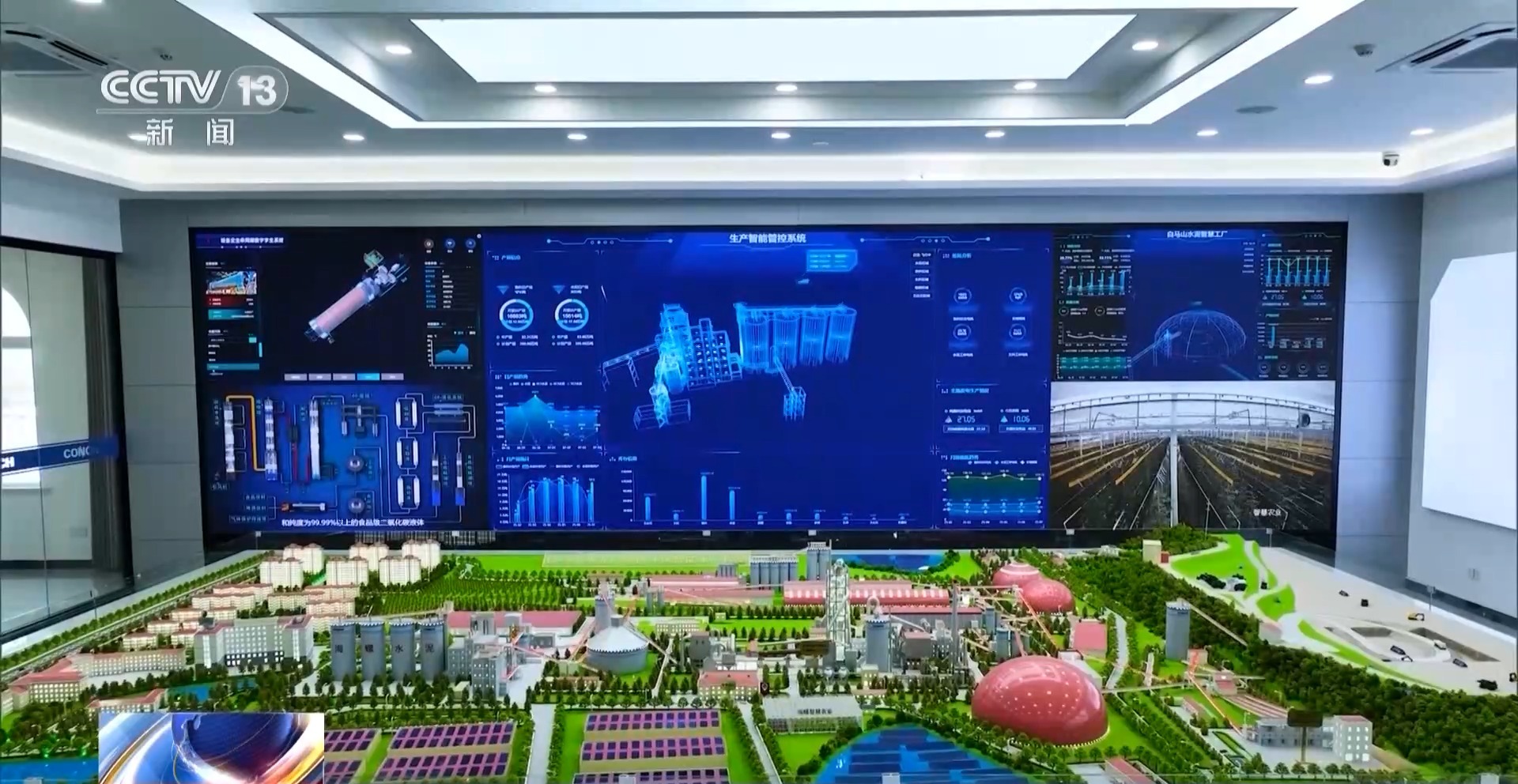
协同创新拓宽应用场景 推动“AI+建材”融合发展
Ren Min Wang· 2025-12-08 05:53
Group 1 - The cement industry is undergoing a digital transformation with the integration of AI technologies, enhancing the entire production chain's intelligence level [1][2] - The construction materials industry aims to achieve a numerical control rate of 66.5% for key processes by 2024, with the emergence of digital mines, smart factories, and industrial internet platforms [1][2] - The China Building Materials Federation has established 11 national key laboratories and innovation platforms to support technological advancements in the industry [2] Group 2 - The industry has identified 76 key research directions and formed 174 research teams to focus on green low-carbon technologies, artificial intelligence, and resource utilization [2][3] - A mechanism for major technological breakthroughs has been established to enhance collaboration between academia and industry, aiming to improve the efficiency of technology transfer and application [3] - The promotion of the "AI + building materials" development model is expected to enhance efficiency across research, production, and management processes, pushing the industry towards a 4.0 stage [3]
我国建材全行业已实现碳达峰
Yang Shi Xin Wen Ke Hu Duan· 2025-12-04 06:04
Core Insights - The construction materials industry in China has made significant progress during the 14th Five-Year Plan, achieving carbon peak across the entire sector and focusing on high-quality development through standards, design, materials, construction, and maintenance [1][5] Group 1: Industry Performance - The construction materials industry has shown steady growth, with an average annual increase of 0.5% in value added, a 36.9% increase in the number of large-scale enterprises, and a 54.2% increase in total assets during the 14th Five-Year Plan [1] - The "new three products" in the construction materials sector—green building materials, photovoltaic glass, and fiberglass composite materials—are driving high-quality development, with green building materials revenue exceeding 250 billion and growing at an annual rate of 20% [1] Group 2: Environmental Impact - The construction materials industry has successfully reduced carbon dioxide emissions for four consecutive years, with a cumulative reduction of 20.4% [1] - By 2025, it is expected that carbon dioxide emissions from the construction materials industry will decrease by 24.9%, energy consumption per unit of value added will drop by 17.4%, and carbon emissions per unit of industrial value added will decline by 25.3% compared to the levels before the 14th Five-Year Plan [1] Group 3: Standards and Regulations - The China Building Materials Federation has established a comprehensive indicator system for high-quality development, focusing on quality, innovation, and green low-carbon initiatives [5] - The "Good Materials Selection Guidelines," the first standard for material selection in the construction industry, will be implemented on January 1, 2026, providing unified technical standards to ensure the quality of materials used in housing [6][8] - The guidelines emphasize four core indicators: health, safety, green, and quality, with strict controls on volatile organic compounds and other performance metrics [6][8]