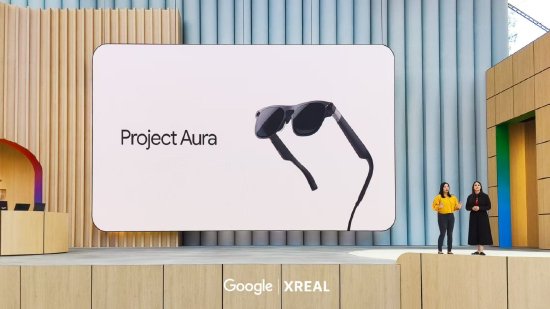
Android XR生态

Search documents
半导体设备ETF(159516)大涨3%,盘中流入超6亿份,存储在AI算力产业链中的重要性有望显著提升
Mei Ri Jing Ji Xin Wen· 2026-01-17 08:27
Group 1 - The semiconductor equipment ETF (159516) experienced a significant increase of 3% on January 16, with an inflow of 625 million shares, indicating strong market interest [1] - Huatai Securities highlighted that the super cycle driven by AI data center construction will remain the primary investment theme in the technology sector through 2026, with storage's importance in the AI computing power supply chain expected to rise significantly [1] - The development of AI systems is increasingly focused on system collaborative design to reduce token production costs, creating value enhancement opportunities in server assembly, heat dissipation, optical interconnects, and PCB segments [1] Group 2 - The semiconductor equipment ETF (159516) tracks the semiconductor materials and equipment index (931743), which focuses on the materials and equipment segments of the semiconductor industry, selecting listed companies involved in key upstream material supply and equipment manufacturing [2] - The index primarily includes companies with technological advantages and market positions in the semiconductor materials and equipment field, emphasizing high-tech manufacturing and growth-oriented styles [2]
巨头加速入局,AI眼镜2026年打响新一轮排位赛
2 1 Shi Ji Jing Ji Bao Dao· 2026-01-14 13:13
Core Insights - The Chinese AI glasses market is entering a new phase after the "Hundred Glasses War" in 2025, with significant developments expected in 2026 as major players like Baidu and ByteDance join the competition [1][2] - Global market dynamics are shifting, with Meta maintaining a dominant position, while Google and Apple are also making strategic moves to capture market share [1][6] Investment and Financing - Companies like Thunderbird Innovation and Flash Technology have recently secured significant funding, indicating strong investor interest in the AI glasses sector [3][4] - Thunderbird Innovation raised over 1 billion yuan, while Flash Technology completed a financing round of nearly 100 million yuan to support the development of new AI glasses [3] Market Dynamics - The AI glasses market is expected to experience explosive growth in 2026, driven by successful commercialization efforts from companies like Ray-Ban Meta and the anticipated entry of tech giants like Apple and Samsung [5][6] - The global AI smart glasses market is projected to grow from 6 million units in 2025 to 20 million units in 2026, with revenue increasing from $1.2 billion to $5.6 billion [9] Competitive Landscape - The entry of major internet and mobile companies is intensifying competition, leading to potential market share erosion for existing players while also creating opportunities for startups [8][9] - The current consumer base for AI glasses primarily consists of early adopters, and the market has yet to establish a strong "must-have" demand [4][5] Technological Advancements - The introduction of eSIM technology is seen as a significant step towards making AI glasses independent devices, enhancing their functionality beyond being mere accessories [3] - Improvements in product quality and user experience are critical for retaining customers, as many users currently engage with AI glasses primarily out of curiosity [4][5] Ecosystem Development - Google is actively working on building an Android XR ecosystem through partnerships with companies like Qualcomm and Samsung, aiming to create a robust hardware ecosystem for smart glasses [6][7] - The ongoing development of the Android XR ecosystem is expected to foster innovation and application expansion in the smart glasses market, although widespread adoption may take time [7][8]




谷歌联手XREAL,AR眼镜Project Aura定档2026年
Guo Ji Jin Rong Bao· 2025-12-09 05:25
Core Insights - The smart glasses industry is entering a new phase with significant product launches from major companies like Alibaba and Li Auto, indicating a growing market interest and competition [1] - Google has announced the Project Aura, a flagship AR device designed for the Android XR platform, set to launch globally in 2026, marking a strategic move to create a unified extended reality ecosystem [3][4] Group 1: Industry Developments - Alibaba's Quark launched AI glasses integrated with Tongyi Qianwen, while Li Auto introduced its AI smart glasses, Livis, showcasing rapid advancements in the domestic tech sector [1] - Google, in collaboration with XREAL, unveiled Project Aura, which aims to redefine the interaction between AI and the real world through an open and unified XR platform [3] Group 2: Company Highlights - XREAL, a leading player in the AR market, has maintained the largest market share for AR glasses globally for four consecutive years, with a projected 38% market share in 2024 [4] - XREAL's CEO has indicated that the company is on track for dual leadership in revenue and profitability within the AR glasses sector, with a goal of achieving full profitability by 2026 [4] - The core hardware development for Project Aura has been primarily conducted by a Chinese team, highlighting the country's capabilities in optical systems and spatial computing technology [4] Group 3: Strategic Collaborations - The partnership between Google and XREAL is seen as a significant step towards establishing standards in the next generation of computing platforms, emphasizing the need for global innovation alliances [5] - XREAL's CEO noted that China's complete manufacturing chain and rapid hardware innovation position it to define future industry standards, particularly in AI and AR technologies [5]

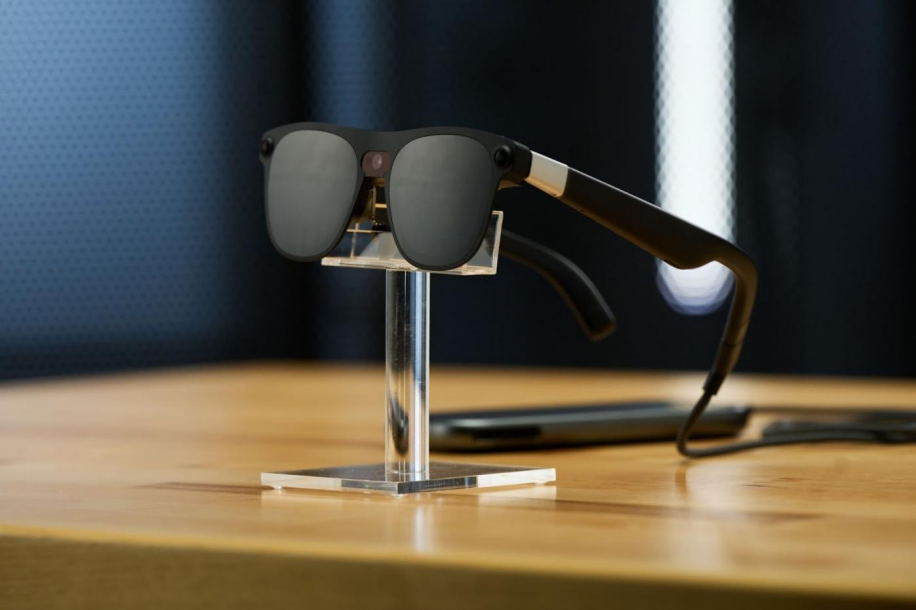
Google联合XREAL推出全球首款基于Android XR的旗舰眼镜
Xin Lang Ke Ji· 2025-05-20 23:57
Group 1 - Google announced a strategic partnership with Chinese AR company XREAL to launch the new generation AR glasses, Project Aura, designed specifically for the Android XR platform [1][3] - Project Aura represents a significant step in Google's XR platform ecosystem strategy and elevates XREAL's position in the global AR market, featuring lightweight design, wide field of view, cinema-level immersive experience, and integration with Gemini AI [3][4] - The collaboration combines the technological strengths of Google, XREAL, and Qualcomm, forming a "golden triangle" that covers platform, hardware, and chip, establishing a solid foundation for the Android XR ecosystem [3] Group 2 - Google’s VP of Android XR, Shahram Izadi, expressed excitement about XREAL joining the Android XR family and emphasized the importance of Project Aura in advancing spatial experiences into a more intuitive and accessible OST era [4] - XREAL's founder and CEO, Xu Chi, highlighted the company's commitment to pushing the boundaries of AR hardware, merging performance, comfort, and design aesthetics, and believes that the collaboration with Google will elevate their vision to new heights [4]