
G2概念

Search documents
中美关系剧透警告|昆山杜克大学美方校长奎尔奇:不赞同所谓G2概念
Xin Lang Cai Jing· 2025-12-16 23:27
Group 1 - The article discusses the evolving dynamics of US-China relations, particularly in the context of recent high-level meetings and the potential for future cooperation [1][2][15] - The concept of "G2" is debated, with concerns that it may exclude other nations and complicate global decision-making [14] - The imbalance in understanding between the two nations is highlighted, with Chinese citizens reportedly having a better grasp of American culture than vice versa [2][7] Group 2 - Education and cultural exchanges are emphasized as crucial for improving US-China relations, with a notable number of Chinese students studying in the US and vice versa [7][9] - The impact of US policies on Chinese students, particularly in STEM fields, is discussed, noting a 20% decrease in Chinese student admissions to US MBA programs for the 2024 academic year [13] - The role of younger generations in fostering a more open attitude towards China is acknowledged, with platforms like TikTok increasing curiosity among American youth [16][18] Group 3 - The importance of business and trade relations is underscored, as both nations' business communities seek to avoid conflict and promote stability [20] - Cultural exchanges, particularly in arts and sports, are identified as areas needing improvement, with suggestions for increased American participation in cultural events in China [21] - The potential for "basketball diplomacy" is mentioned as a modern parallel to historical diplomatic efforts, indicating sports as a means to enhance bilateral relations [21]


美国战略出现大变化,欧洲被看低,中国要谨防美国的烟雾弹!
Sou Hu Cai Jing· 2025-12-07 04:37
Core Viewpoint - The U.S. has shifted its strategic focus towards the Western Hemisphere, indicating a decline in Europe's importance and a less confrontational stance towards China compared to previous strategies [1][3][5]. Group 1: U.S. Strategic Shift - The U.S. is prioritizing issues in the Americas, such as drug trafficking and illegal immigration, which are seen as significant threats to national security [3]. - The report suggests a potential reduction in U.S. global military commitments, moving away from the role of "world police" [3][5]. - The U.S. no longer categorizes China as the primary threat, reflecting a recognition of China's growing strength and a desire for cooperation rather than confrontation [5][10]. Group 2: U.S.-Europe Relations - Relations between the U.S. and Europe have become strained, with differing views on the Ukraine conflict and trade policies leading to increased tensions [7][12]. - The report expresses a pessimistic view of Europe's future, suggesting demographic changes that could lead to a decline in traditional European civilization [7][12]. - The ideological gap between the U.S. and Europe is widening, with the U.S. perceiving a decline in European unity and strength [7][12]. Group 3: Asia-Pacific Focus - The U.S. aims to strengthen military capabilities in the Asia-Pacific region, particularly around the First Island Chain, involving allies like Japan and the Philippines [10]. - The report indicates that while the U.S. will support its allies, it may not engage directly in conflicts, leaving frontline responsibilities to them [10]. - The stance on Taiwan is evolving, with the U.S. emphasizing the need to maintain military superiority but acknowledging the challenges in achieving this goal [10]. Group 4: Caution for China - China is advised to remain vigilant regarding the U.S. strategic changes, as the potential for unexpected shifts in U.S. policy remains [15]. - The U.S. may employ various strategies that could pose risks to China, necessitating close monitoring of U.S. actions beyond mere rhetoric [15]. Group 5: Global Power Dynamics - The competitive landscape among major powers is intensifying, with no country willing to concede easily, highlighting the harsh realities of global geopolitics [16].
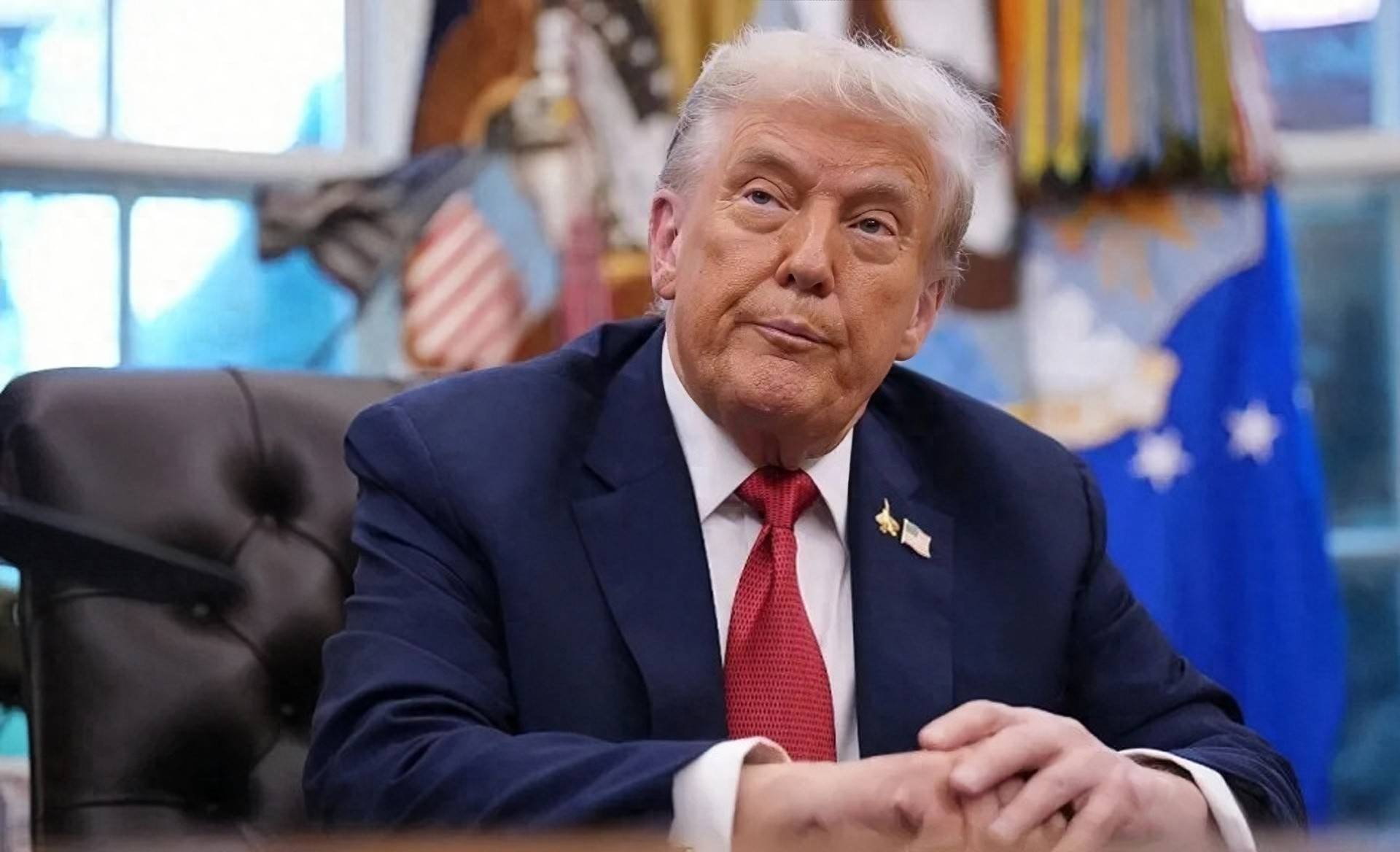
中美贸易战为什么打不起来?美国53%民众倒向中国,转头求合作?
Sou Hu Cai Jing· 2025-11-23 04:24
Group 1 - The core viewpoint is that the American public is beginning to see China as a friend rather than an enemy, highlighted by the recent agreement to suspend 24% tariffs and cancel a previous 10% tariff [1] - Trump's attitude towards China has shifted dramatically, indicating a change in strategy as the initial goals of the trade war were not achieved [2][4] - The trade war was intended to serve as a scapegoat for internal issues in the U.S., but it has led to rising prices and a decline in living standards, resulting in increased support for better relations with China among Americans [6] Group 2 - One of the initial goals of the trade war was to suppress China and restore American national faith, which has been eroded by economic disparities and social unrest [4][6] - The second goal was to pressure the Federal Reserve to lower interest rates to alleviate U.S. debt, which currently stands at $38 trillion, with annual interest payments exceeding $1.5 trillion [8][9] - The third goal was to bring manufacturing back to the U.S. by making foreign goods more expensive through tariffs, but this has proven difficult due to higher labor costs and a lack of a complete supply chain in the U.S. [12]
中美和解“鸣金收兵”后,印度接下来的处境很凶险
Sou Hu Cai Jing· 2025-11-14 06:11
Core Insights - The trade dispute between China and the U.S. has largely concluded, while the tariff conflict between India and the U.S. continues, with India facing higher tariffs than China [1][3] - The U.S. emphasizes the importance of U.S.-India relations but is unwilling to compromise on key terms, leaving India at a disadvantage compared to China in trade negotiations [4][5] - India's economic relationship with the U.S. is characterized by a lack of dependency, making it difficult for India to gain leverage in negotiations [4][5] Trade Relations - The U.S. and India are engaged in a tariff battle, with India suffering unilateral impacts and lacking effective countermeasures [3][5] - U.S. companies that shifted production to India to avoid U.S.-China tariffs are now facing higher costs due to increased tariffs in India [4] - India's hope to negotiate favorable terms with the U.S. has been complicated by the U.S. combining punitive tariffs with other trade discussions [5] Strategic Relations - The strategic relationship between the U.S. and India is tense, influenced by issues such as the India-Pakistan dispute and U.S. relations with Pakistan [9] - India's criticism of U.S. tariffs as unfair has not led to any substantial resolution of the trade issues [7][9] - The Modi government faces pressure domestically regarding its handling of U.S. relations, particularly in light of Trump's policies [10] Economic Positioning - India's role in the Indo-Pacific strategy has been to counterbalance China, but it has not secured the expected preferential treatment from the U.S. [7][10] - The U.S. has shifted its approach to treat all countries equally in terms of tariffs, which has caught India off guard [7][10] - The lack of effective negotiation power for India may lead to increased pressure from the U.S. in future discussions [10]
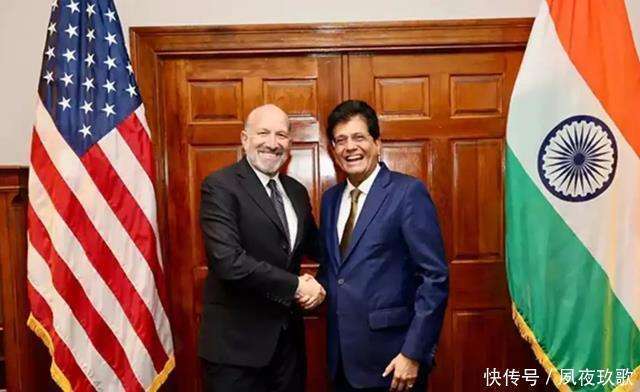
美国债首超38万亿美元!特朗普带领美国走向全球老二,G2成现实?
Sou Hu Cai Jing· 2025-10-30 04:39
Core Points - The article discusses the controversial announcement by former President Trump to build a $200 million ballroom at the White House amid a government shutdown and rising national debt, which has reached a record $38 trillion [1][6][11] - It highlights the growing skepticism regarding Trump's ability to lead the U.S. back to greatness, as his policies have led to increased national debt and a decline in global influence [3][9][22] - The article emphasizes the severe implications of the national debt, including the burden on every American citizen and the unsustainable fiscal policies that have resulted in a widening gap between government revenue and expenditure [11][13][14] Summary by Sections Trump's Announcement and Public Reaction - Trump's announcement of the ballroom construction during a government shutdown has sparked significant public backlash, with critics arguing that the White House should not be treated as a personal property [6][8] - Trump's claim of self-funding the project is viewed as a facade, with suspicions of political donations from business associates to support his initiatives [6][9] National Debt Crisis - The U.S. national debt has surged to $38 trillion, translating to a per capita debt of $111,000 for every American, including newborns [11] - The debt increased by $2 trillion in just two months, highlighting a rapid growth rate that outpaces average income growth [11][13] - The government's fiscal situation is dire, with mandatory spending on Social Security and Medicare expected to consume over one-third of the federal budget in the near future [11][14] Fiscal Policies and Economic Implications - Trump's tax cuts have resulted in a projected $4.5 trillion reduction in government revenue over the next decade, exacerbating the fiscal deficit [16][18] - Increased defense spending alongside reduced revenue has led to an unsustainable fiscal path, likened to a household maintaining luxury spending while losing income [18] - The Federal Reserve's shift towards accommodating fiscal policies to manage debt interest payments has created long-term risks for the economy [20] Global Influence and Trade Relations - Trump's "America First" policy has led to a decline in U.S. global influence, with withdrawal from international agreements and trade wars that have backfired, particularly in the context of U.S.-China relations [22][23] - The article suggests that the concept of a G2 world order, where the U.S. and China share global leadership, is becoming a reality due to a series of U.S. policy missteps [23]
