
GLP - 1减肥药

Search documents
速递|恒瑞GLP-1子公司,准备去美国上市了
GLP1减重宝典· 2026-03-31 09:34
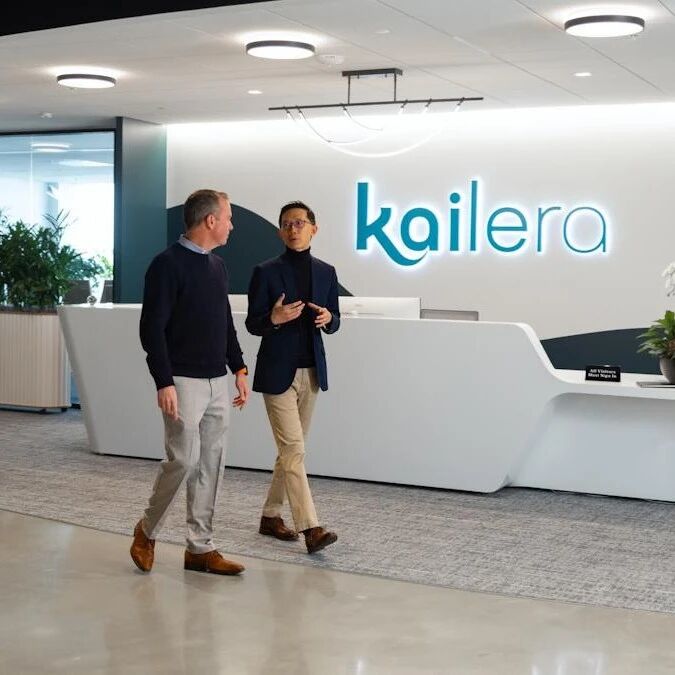
Core Viewpoint - The article discusses the successful transition of HengRui Medicine into the global GLP-1 weight loss drug market through the IPO of Kailera Therapeutics, highlighting a strategic asset authorization model that allows Chinese pharmaceutical companies to leverage global capital for domestic innovations [4][6]. Group 1: Company Strategy - HengRui Medicine has completed a significant leap from "laboratory development" to "NASDAQ harvesting" by authorizing three core GLP-1 assets to Kailera, securing an upfront payment of $110 million and potential milestone payments of up to $5.7 billion [4]. - By holding a 19.9% equity stake in Kailera, HengRui has transformed its R&D capabilities into highly liquid financial assets, allowing it to benefit from the global weight loss drug market without diluting its profits or increasing financial burdens [4][6]. Group 2: Market Potential - Kailera's IPO is backed by robust clinical data, with its core pipeline KAI-9531 demonstrating a weight loss of 23.6% in Phase II trials, positioning it competitively against major players like Eli Lilly and Novo Nordisk [6]. - The potential for Kailera to capture a share of the multi-billion dollar weight loss drug market is seen as a necessary investment, even with projected losses exceeding $300 million in 2025, as investors view this as essential for market entry [6]. Group 3: Challenges Ahead - The transition to large-scale production and supply chain stability is critical for Kailera's survival in a competitive landscape, especially after separating from HengRui [7]. - Kailera faces geopolitical and regulatory challenges, needing to navigate clinical data transparency and potential policy changes while relying on Chinese technology [7].


一张照片,千亿变局:马斯克点燃的战火,烧到了谁的家门口?
和讯· 2026-03-12 09:09
Core Insights - The global competition for the title of "king of drugs" in the GLP-1 weight loss market has shifted, with Eli Lilly's tirzepatide surpassing Novo Nordisk's semaglutide by a narrow margin of $4 billion in sales, marking a significant industry reshuffle [2][3] - Pfizer, previously absent from the GLP-1 market, is making a strategic entry by acquiring rights to the GLP-1 drug, enoglutide, from a Chinese company, aiming to capitalize on the burgeoning Chinese market [4][8] Group 1: Market Dynamics - The GLP-1 market is experiencing intense competition, with Eli Lilly's tirzepatide achieving a 25.5% weight loss in clinical trials, outperforming Novo Nordisk's semaglutide, which recorded a 23.0% weight loss [3][4] - Novo Nordisk's stock plummeted over 15% following disappointing results from its next-generation weight loss drug, CagriSema, which failed to meet expectations [3][4] - A price war has erupted in China, with Novo Nordisk slashing prices for semaglutide by nearly 50%, while Eli Lilly's tirzepatide saw an 80% price reduction, indicating a desperate bid for market share [3][4] Group 2: Pfizer's Strategic Shift - Pfizer's entry into the GLP-1 market is driven by necessity, as the company faces significant revenue losses from expiring patents on key products, with an estimated $20 billion in sales at risk by 2026 [10][11] - The company has abandoned its own GLP-1 development efforts after a series of failures and is now focusing on acquiring existing products to quickly establish a presence in the market [12][13] - Pfizer's strategy includes leveraging the Chinese market, where it aims to capture a significant share of the growing demand for weight loss medications, positioning itself as a latecomer with a pragmatic approach [15][20] Group 3: Competitive Strategies - Novo Nordisk is adopting a defensive strategy, focusing on maintaining its 60% market share in China while investing heavily in oral GLP-1 technology to fend off competition [16] - Eli Lilly is aggressively expanding its market presence by integrating advanced technologies and securing favorable pricing strategies, including inclusion in China's healthcare reimbursement system [17] - Pfizer's approach is characterized by a focus on external partnerships and a light asset model, allowing it to avoid the pitfalls of extensive R&D while rapidly entering the market [18][19]



减肥药市场持续火热:两大巨头口服大战在即
Feng Huang Wang· 2026-02-17 00:51
Core Insights - The global weight loss drug market has undergone significant changes in the past five years, with Novo Nordisk's semaglutide gaining approval for weight loss in the U.S. in 2021, marking the entry of GLP-1 weight loss drugs into the pharmaceutical industry [1] - By 2025, Eli Lilly's tirzepatide is projected to achieve $36.5 billion in sales, highlighting the commercial potential of the weight loss sector [1] - The competition has shifted from injectable forms to oral formulations, with Novo Nordisk's oral semaglutide receiving approval in December 2025, becoming the first oral GLP-1 obesity treatment [1][2] Group 1: Market Dynamics - The approval of oral medications signifies a breakthrough beyond the physical limitations of injection pens, enhancing Novo Nordisk's product line defensively [2] - A surge in prescription volume for oral semaglutide has been observed, with approximately 50,000 prescriptions per week by January 23, 2026 [1] - Eli Lilly is also advancing in the oral GLP-1 space with its orforglipron, which has shown positive results in clinical trials and is expected to launch in mid-2026 [2] Group 2: Competitive Landscape - Novo Nordisk's oral semaglutide is a peptide drug, while Eli Lilly's tirzepatide is a small molecule oral drug, showcasing differentiation in their approaches [3] - Small molecule products are expected to have simpler development processes and better cost control, potentially impacting market competition if safety and efficacy are validated [3] - Other pharmaceutical giants, including AstraZeneca and various domestic companies, are also developing oral GLP-1 drugs, indicating a broadening competitive landscape [3][4] Group 3: Clinical Developments - AstraZeneca's oral GLP-1 receptor agonist, elecoglipron, has achieved positive results in key Phase 2 trials and is moving towards Phase 3 development [3] - Domestic companies like HengRui Medicine and others are advancing their oral GLP-1 drug pipelines, with promising clinical trial results [4] - The oral weight loss drug market is expected to grow, but injectable forms will still play a role in the short term, with rising expectations for their effectiveness and safety [4][5] Group 4: Future Outlook - The core patent for semaglutide will expire in 2026 in several markets, paving the way for a wave of generic versions, which may lead to more affordable options for consumers [5] - The penetration of GLP-1 weight loss drugs is anticipated to expand beyond first-tier cities, reaching broader markets [5]
诺和诺德口服版减肥药广告遭FDA点名,涉嫌误导性宣传
Feng Huang Wang· 2026-02-09 23:17
Core Viewpoint - The FDA has criticized Novo Nordisk for misleading advertising related to its oral weight loss drug, semaglutide, which is the first oral GLP-1 obesity treatment approved in the U.S. [1][2] Group 1: FDA's Concerns - The FDA stated that Novo Nordisk's advertisement constitutes "misbranding" and violates federal law due to misleading claims about the drug's efficacy compared to other GLP-1 weight loss medications [1] - The advertisement suggested that the drug could provide benefits beyond weight loss, such as emotional relief and hope, which have not been proven [2] - The FDA also noted that the advertisement failed to adequately present risk information as required for television drug ads [2] Group 2: Novo Nordisk's Response - Novo Nordisk confirmed receipt of the FDA's letter and expressed its commitment to addressing the regulatory feedback [2] - The company is currently in communication with the FDA regarding the concerns raised about the advertisement [2] Group 3: Legal Actions - Novo Nordisk has filed a lawsuit against Hims & Hers, seeking to prohibit the marketing of compounded versions of semaglutide and claiming damages [2] - Hims & Hers had previously announced plans to launch a low-cost generic version of Novo Nordisk's oral semaglutide but later retracted this decision [3] - The U.S. Department of Health and Human Services has referred Hims & Hers to the Department of Justice for investigation regarding potential violations of the Federal Food, Drug, and Cosmetic Act [3]
司美格鲁肽去年卖了2508亿元
第一财经· 2026-02-04 08:15
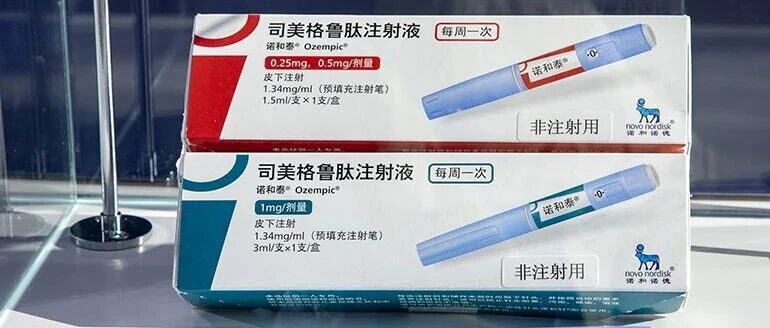
Core Viewpoint - Novo Nordisk's flagship product, semaglutide, achieved a total sales revenue of 228.29 billion Danish Krone (approximately 250.84 billion yuan) in 2025, marking a growth of over 10% year-on-year [3]. Group 1: Product Performance - The sales breakdown for semaglutide includes: - Ozempic (diabetes version) with sales of 127.09 billion Danish Krone - Wegovy (weight loss version) with sales of 79.11 billion Danish Krone - Oral semaglutide (diabetes version) with sales of 22.09 billion Danish Krone [3]. - In the Chinese market, the total sales for the three series of semaglutide products reached 6.81 billion Danish Krone (approximately 7.49 billion yuan) [4]. Group 2: Financial Overview - Novo Nordisk's overall revenue for the year was 309.06 billion Danish Krone, reflecting a year-on-year growth of 6%, and a growth of 10% when adjusted for constant exchange rates [5]. - The net profit for the company was 102.43 billion Danish Krone, showing a year-on-year increase of 1% [5]. Group 3: Challenges and Market Dynamics - 2026 poses significant challenges for Novo Nordisk as the core compound patent for semaglutide will expire in some international markets, including China on March 20, 2026, leading to potential price competition from generic drugs [5]. - There are currently 10 applications for semaglutide generics filed in the Chinese market, with an additional 11 in Phase III clinical trials [6]. Group 4: Strategic Responses - In response to the patent expiration, Novo Nordisk plans to launch an oral GLP-1 weight loss drug, Wegovy tablets, which received approval in the U.S. in December 2025 and was launched on January 5, 2026, with a weekly prescription volume of approximately 50,000 as of January 23, 2026 [6][7]. - The company is also working on a stronger weight loss GLP-1 drug, having submitted new drug applications for a 7.2 mg semaglutide injection and CagriSema, a combination of cagrilintide and semaglutide, which showed a weight loss of 22.7% over 68 weeks in trials [7]. Group 5: Market Outlook - The global GLP-1 market is expected to continue expanding, and Novo Nordisk's new therapies aim to broaden patient coverage and increase sales [8].
诺和诺德赢得司美在华核心专利:不改变专利今年到期后对销售增长负面影响的预期
Xin Lang Cai Jing· 2026-01-04 10:33
Core Insights - Novo Nordisk won a favorable ruling from the Supreme People's Court of China regarding the core patent for semaglutide, which is significant for the company's operations in China and reflects the government's support for pharmaceutical innovation [1][2] - Despite the legal victory, Novo Nordisk faces challenges with the expiration of the semaglutide patent, which is set to expire in March 2026, potentially impacting global sales growth [2] Patent and Legal Developments - The patent dispute began in June 2021 when East China Pharmaceutical filed a request to invalidate the core patent for semaglutide, which was initially ruled invalid by the National Intellectual Property Administration in September 2022 [1] - The Supreme People's Court's ruling confirms the validity of the patent, concluding a legal battle that lasted over four years [2] Market Performance and Competition - Semaglutide generated $25.5 billion in revenue in the first three quarters of 2025, positioning it to become the top-selling drug in the global pharmaceutical industry [2] - In China, there are currently 10 domestic applications for semaglutide biosimilars under review, with several companies, including East China Pharmaceutical and Lijun Group, advancing their products through clinical trials [3] - The competitive landscape is intensifying with the emergence of biosimilars and other GLP-1 drugs, such as Eli Lilly's tirzepatide, which has been offered at significantly reduced prices [3]
减肥药的风吹到了小猫咪
Xin Lang Cai Jing· 2025-12-31 11:44
Group 1 - The core focus of the article is the entry of Huadong Medicine into the pet weight management market with its new veterinary drug HDM7006, a GLP-1R/GIPR dual agonist, which has received acceptance for registration by the Ministry of Agriculture and Rural Affairs in China [1][3] - HDM7006 is designed specifically for weight management in obese cats, showing a significant weight reduction of 9.26% relative to baseline after six weeks of treatment in clinical trials, with 72.31% of the treated cats losing more than 5% of their body weight [1][3] - The company anticipates a review period of approximately one year for the drug's approval and is actively seeking opportunities for expedited review to shorten this timeline [1][3] Group 2 - Huadong Medicine has multiple GLP-1 drug developments, including another candidate, Poterepatide (HDM1005), which is currently in phase 3 clinical trials for human use [2] - The pet pharmaceutical market is seeing a trend where human drug companies are shifting towards animal health, with a specific focus on addressing obesity in pets, as evidenced by the unique design of HDM7006 tailored for cats [3] - The pet cat population in urban China is projected to reach 71.53 million, with an obesity rate of 28.1%, indicating a significant market opportunity for weight management solutions [3] Group 3 - The article notes that the pet obesity management market is largely untapped, with no similar GLP-1 targeted drugs currently available for weight management in cats [3][4] - Previous attempts to introduce weight management drugs for pets, such as Pfizer's Slentrol, faced challenges due to a lack of perceived need among pet owners, highlighting potential market education challenges for new products [4][6] - The introduction of GLP-1 weight loss drugs into the pet market may require substantial market education efforts, and the potential scale of success remains uncertain [6] Group 4 - The article mentions that this is not the first instance of GLP-1 drugs targeting the animal health market, as Fosun Pharma has licensed a GLP-1R agonist for both human and animal indications to Pfizer, indicating growing interest in this area [7]

产业焦点 | 进口GLP-1减肥药价格腰斩:司美格鲁肽、替尔泊肽集体降价
Sou Hu Cai Jing· 2025-12-30 10:15
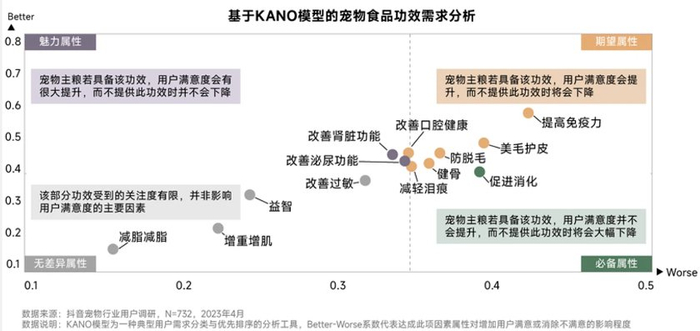
Core Insights - The industry is experiencing intensified competition as imported GLP-1 weight loss drugs enter a price reduction phase, moving away from previously high profit margins [2][4] Group 1: Price Reductions - The imported GLP-1 weight loss drug Semaglutide (brand name: Ozempic) has seen significant price cuts, with prices dropping from 1893.67 yuan to 987.48 yuan for one specification and from 2463 yuan to 1284.36 yuan for another, effectively halving the original prices [2] - Eli Lilly's weight loss drug Tirzepatide is also undergoing price reductions in the market, with pre-sale activities initiated on e-commerce platforms [4] Group 2: Market Dynamics - The competition is heightened as Novo Nordisk's single-target GLP-1 drug Semaglutide faces direct competition from Eli Lilly's dual-target GLP-1 drug Tirzepatide and the impending market entry of biosimilars for Semaglutide [4] - Novo Nordisk's patent in the Chinese market is set to expire on March 20, 2026, with 10 domestic biosimilar applications already filed for Semaglutide [4] Group 3: Industry Impact - The price reductions of imported GLP-1 weight loss drugs indicate a breaking of the market ceiling price, suggesting that previously anticipated excess profits may no longer be achievable, although normal profit levels are expected to persist [5] - The impact of these price changes is likely to be more pronounced on the pricing strategies of upcoming GLP-1 weight loss products [5]

每周图片精选(11.1-11.7)| 全运会进行时、进博会开幕、互联网大会开幕
Zhong Guo Qing Nian Bao· 2025-11-08 07:40
Group 1 - The 2025 National Games women's synchronized 10m diving final was held in Guangzhou, where the Shanghai team won with a score of 350.22 points [1] - The 8th China International Import Expo opened on November 5, featuring a technology equipment exhibition that attracted many visitors, including a robot boxing event by Yushu Technology [1] Group 2 - The World Internet Conference 2025 opened in Wuzhen, Zhejiang, with 20 young leaders from 20 countries and regions recognized, the youngest being 19 years old [3][4] - The popularity of ginkgo trees in the Forbidden City has surged on social media during late October to early November, highlighting their historical significance and beauty [4] Group 3 - The first coffee shop in Beijing's subway system opened at the Guomao station, allowing passengers to order via a mobile app [6] - A press conference at the White House announced an agreement between the U.S. government and two pharmaceutical companies to lower the prices of GLP-1 weight loss drugs [7] Group 4 - Typhoon "Seagull" caused catastrophic flooding in Cebu Province, Philippines, with over 100 reported deaths, marking one of the worst floods on record for the region [9] - The 2025 World Press Photo Exhibition in Barcelona showcased award-winning works focusing on global armed conflicts, environmental crises, immigration, and political polarization [11]

礼来新减肥药减重超20%,拟与白宫合作拓宽医保覆盖
Hua Er Jie Jian Wen· 2025-11-06 13:58
Core Insights - Eli Lilly is strengthening its position in the weight loss drug market through new drug development and policy collaboration [1][3] - The experimental weight loss drug eloralintide has shown promising results, with patients losing an average of 20.1% of their body weight in mid-stage trials [2] - A potential pricing agreement with the White House could expand coverage for GLP-1 weight loss drugs under Medicare and Medicaid, benefiting Eli Lilly [1][3] Group 1: Drug Development - Eli Lilly's eloralintide, a new weight loss drug, demonstrated a 20.1% weight reduction in patients receiving the highest dose over 48 weeks [2] - The study included 263 overweight adults with at least one obesity-related complication, excluding type 2 diabetes [2] - The drug also showed improvements in waist circumference, blood pressure, lipid levels, blood sugar control, and inflammation markers [2] Group 2: Market Position and Pricing Strategy - Eli Lilly and Novo Nordisk are negotiating with the White House to lower the prices of their GLP-1 weight loss drugs in exchange for broader insurance coverage [1][3] - The pricing framework could favor Eli Lilly, as analysts believe it may catalyze growth by increasing drug accessibility for up to 15 million Americans [3][4] - Eli Lilly's Zepbound is rapidly gaining market share against Novo Nordisk's Wegovy, both priced over $1,000 per month but offering a $499 option for self-pay patients [3] Group 3: Future Prospects - Eli Lilly is also developing an oral version of its GLP-1 drug, Orforglipron, which is expected to be submitted for regulatory approval by the end of 2025 [5] - The competition for oral formulations is intensifying, with both Eli Lilly and Novo Nordisk aiming to launch their oral GLP-1 drugs soon [5] - The market for GLP-1 weight loss drugs is undergoing significant changes, with pricing and direct-to-consumer channels becoming central to the healthcare distribution model in the U.S. [5]