IP潮玩经济

Search documents
2025年终观察丨小谷子如何拉动大消费?
Sou Hu Cai Jing· 2025-12-11 06:43
Core Insights - The surge in demand for merchandise related to animated films, particularly driven by popular IPs like "Zootopia 2" and "Nezha 2," is significantly boosting the cultural and creative consumption market in China [1][4][16]. Group 1: Market Trends - The "Guzi" (millet) economy is expanding, with the market size expected to exceed 240 billion yuan by 2025 and surpass 300 billion yuan by 2027 [9]. - The IP toy consumption market in China is projected to reach approximately 796 billion yuan by 2025, with a compound annual growth rate (CAGR) of about 13.8% from 2020 to 2024 [9]. - The popularity of animated films has led to a dramatic increase in related merchandise sales, with "Zootopia 2" causing a 600% increase in sales of related products on platforms like Taobao [4][6]. Group 2: Company Performance - Pop Mart's stock price reached a peak of 339.8 HKD per share in August 2023, with a market capitalization exceeding 420 billion HKD, although it has since declined to 190.4 HKD per share by December 2023 [3]. - Pop Mart reported a revenue increase of 204.4% year-on-year for the first half of 2025, with net profit rising by 396.5% [11]. - The LABUBU IP, under Pop Mart, achieved a revenue of 48.14 billion yuan, marking a 668% increase year-on-year [11]. Group 3: Consumer Behavior - Consumers are increasingly drawn to products that fulfill emotional needs, with IP collaborations becoming a key marketing strategy for brands [16][20]. - The trend of "emotional consumption" is gaining traction, with consumers favoring products that convey personal expression and emotional connection [16][20]. Group 4: International Expansion - Pop Mart has initiated an international expansion strategy, opening stores in key locations across the UK, Indonesia, and several European cities, with significant revenue growth in these regions [18][19]. - The company reported a staggering 1142.3% revenue increase in the Americas and 729.2% in Europe during the first half of 2025 [18]. Group 5: Industry Challenges - Companies face challenges in international markets, including cultural differences and intellectual property protection, necessitating targeted innovation and quality enhancement [20].


线上线下李鬼横行,潮玩深陷高仿之困
Qi Lu Wan Bao· 2025-11-11 14:50
Core Insights - The recent launch of the "Vacation Mode" blind box series by Pop Mart's popular IP Crybaby sold out quickly, with hidden variants reaching secondary market prices of up to 999 yuan, representing a premium of over six times the original price [1][3] - The rapid growth of the trendy toy market has led to an influx of counterfeit products marketed as "affordable alternatives" or "high-quality replicas," with some online stores reporting sales exceeding 100,000 units [1][3] Group 1: Market Dynamics - The trendy toy market is experiencing significant demand, with Pop Mart's Crybaby series being particularly popular, leading to shortages in physical stores [3] - Counterfeit products are widely available online, with prices ranging from 12 yuan to over 40 yuan, and some sellers reporting sales of up to 29,000 units for these replicas [3] Group 2: Regulatory Environment - E-commerce platforms claim to prohibit the sale of counterfeit products and conduct regular checks based on product names and keywords, allowing consumers to report violations [4] - Regulatory authorities in cities like Shenzhen, Shanghai, and Guangzhou have initiated special actions against the production and sale of counterfeit goods, with Shanghai Customs seizing over 63,000 infringing items in the first half of the year [4] Group 3: Industry Projections - According to a report by iResearch, the Chinese IP trendy toy market is projected to reach approximately 67.8 billion yuan in 2024, with expectations to exceed 100 billion yuan by 2027 and approach 130 billion yuan by 2029 [5] - Experts emphasize the need for stronger regulations to protect consumer rights and intellectual property, suggesting that brands collaborate with partners to create comprehensive IP protection systems [5]

2025年IP潮玩经济研究报告
艾瑞咨询· 2025-11-05 00:07
Core Insights - The article emphasizes the growing significance of IP (Intellectual Property) in the潮玩 (trendy toys) market, highlighting its appeal to adults and the emotional and cultural value it brings to consumers [1][2]. Group 1: Definition and Development of IP潮玩 - IP潮玩 refers to trendy toys with high recognition and independent IP attributes, primarily targeting adults rather than children, focusing on artistic value and collectability [2]. - The潮玩 industry has evolved from its inception in the late 1990s to a mature phase, with significant growth driven by local designers and the rise of blind box formats [3]. Group 2: Industry Chain and Market Size - The IP潮玩 industry chain consists of upstream IP sources, midstream IP operation and production, and downstream sales channels, with some companies managing the entire chain [5]. - The Chinese IP潮玩 market is projected to reach approximately 678 billion yuan by 2024, with a CAGR of about 13.8% from 2020 to 2024, and is expected to exceed 1 trillion yuan by 2027 [6]. Group 3: Key Players and Business Models - 泡泡玛特 has transformed from a retail brand to a leader in IP commercialization, achieving significant growth through innovative product offerings and strategic adaptations to market challenges [9][11]. - 万代南梦宫 has shifted from a toy wholesaler to a global entertainment giant, implementing an "IP axis strategy" to maximize IP value across various media [14][16]. - 集卡社 has established itself as a leader in collectible card games by leveraging strong IP partnerships and a comprehensive cultural entertainment model [17][19]. Group 4: Consumer Behavior and Trends - The primary consumer segments for潮玩 are blind boxes and figurines, with over 60% of consumers frequently purchasing these products for display and collection [30]. - Social media platforms have become the main source of information for consumers, with immersive unboxing videos and brand collaborations driving purchase decisions [33]. Group 5: Global Expansion and Digital潮玩 - The overseas market presents new growth opportunities for Chinese潮玩 brands, with varying challenges in regions like North America, Japan, and Southeast Asia [36]. - Digital潮玩, supported by blockchain technology and the metaverse, is gaining traction among younger generations, although it faces challenges such as regulatory uncertainties and market volatility [38].

2025年IP潮玩经济研究报告
艾瑞咨询· 2025-10-17 00:03
Core Insights - The article emphasizes the growing significance of IP (Intellectual Property) in the潮玩 (trendy toys) market, highlighting its appeal to adults and the emotional and cultural value it brings to consumers [1][2]. Group 1: Definition and Development of IP潮玩 - IP潮玩 refers to trendy toys with high recognition and independent IP attributes, primarily targeting adults rather than children, focusing on artistic value and collectability [2]. - The潮玩 industry has evolved from its inception in the late 1990s to a mature phase, with significant growth driven by local designers and the rise of blind box formats [3]. Group 2: Industry Chain and Market Size - The IP潮玩 industry chain consists of three main segments: upstream IP sources, midstream IP operation and production, and downstream sales channels, with some companies integrating all aspects for better control [5]. - The Chinese IP潮玩 market is projected to reach approximately 67.8 billion yuan in 2024, with a CAGR of about 13.8% from 2020 to 2024, and is expected to exceed 100 billion yuan by 2027 [6]. Group 3: Key Players and Business Models - 泡泡玛特 has transformed from a retail brand to a leader in IP commercialization, achieving significant growth through innovative product offerings and strategic expansions [9][11]. - 万代南梦宫 has shifted from a toy wholesaler to a global entertainment giant, focusing on maximizing IP value through a multi-media development strategy [14][16]. Group 4: Consumer Behavior and Trends - Over 60% of consumers frequently purchase blind boxes and figurines, with motivations centered around collection and stress relief, indicating a strong emotional connection to specific IPs [30]. - Social media platforms have become the primary source for consumers to obtain information about潮玩, with immersive unboxing videos being the most effective marketing format [33]. Group 5: Global Expansion and Digital潮玩 - The overseas market presents new growth opportunities for Chinese潮玩 brands, with varying challenges in regions like Europe, Japan, and Southeast Asia [36]. - Digital潮玩, supported by blockchain technology and the rise of virtual identities, faces both opportunities and challenges, necessitating a balance between innovation and compliance [38].

2025千亿IP潮玩经济崛起:解码泡泡玛特、万代南梦宫和集卡社的商业密码
Sou Hu Cai Jing· 2025-10-09 09:39
Market Overview - The IP toy market in China is rapidly reshaping the consumer landscape, with a market size projected to reach 67.8 billion yuan in 2024 and expected to exceed 100 billion yuan by 2027, reaching nearly 130 billion yuan by 2029 [2] - IP toys are defined as trend toys with high recognition and independent intellectual property, primarily targeting adult consumers rather than children [2] - The industry has evolved through three key phases: the initial phase from the late 1990s to early 2000s, the exploration phase from 2010 to 2015, and the maturity phase from 2016 to the present [2] Industry Structure - The IP toy industry can be categorized into three main types and ten subcategories based on IP sources: original IP, licensed IP, and public symbol IP [8] - The industry chain consists of upstream IP sources, midstream IP operation and production, and downstream sales channels, with large enterprises often integrating the entire chain [8] Company Case Studies - Pop Mart, established in 2010, transitioned from trend retail to IP commercialization, launching the MOLLY blind box series in 2016, which spurred explosive growth [10] - LABUBU's success is attributed to its unique design inspired by Nordic mythology and effective marketing strategies, including collaborations with celebrities [14] - Bandai Namco's "IP Axis Strategy" focuses on maximizing IP value across various media, achieving significant sales growth through diversified business forms [17] Consumer Insights - The primary consumer demographic for IP toys is young adults aged 21-35, with a significant portion of consumers being middle-class individuals with monthly incomes between 6,000 and 10,000 yuan [26] - Over 60% of consumers frequently purchase blind boxes and figurines, with a strong inclination towards collection and display [26] - Social media platforms are the primary source of information for consumers, with immersive unboxing videos being the most effective marketing format [27] Social Media Trends - The social media presence of IP toys is expected to rise significantly by 2025, driven by key events and new product launches [22] - Different social media platforms have distinct focuses, with Xiaohongshu emphasizing refined sharing and Douyin focusing on entertainment-driven engagement [25] Future Opportunities - The future of the IP toy market is promising, with over 50% of consumers expecting to increase their spending on IP toys [28] - The overseas market presents new growth opportunities, particularly in Europe and the U.S., although challenges such as cultural adaptation and intellectual property protection remain [28] - Digital toys are emerging as a new frontier, leveraging blockchain technology and the metaverse for enhanced consumer engagement [29] Industry Challenges - The industry faces challenges including regulatory uncertainties, technological barriers, and issues related to product quality and homogenization [29] - Companies must balance innovation with compliance to foster long-term value in the digital toy sector [29] Diversification Strategies - Brands are increasingly diversifying their product offerings to break through growth ceilings, with examples including Pop Mart's entry into the luxury jewelry market and Disney's layered licensing ecosystem [30] - Challenges in diversification include brand dilution, supply chain adaptation, and consumer price sensitivity [30]

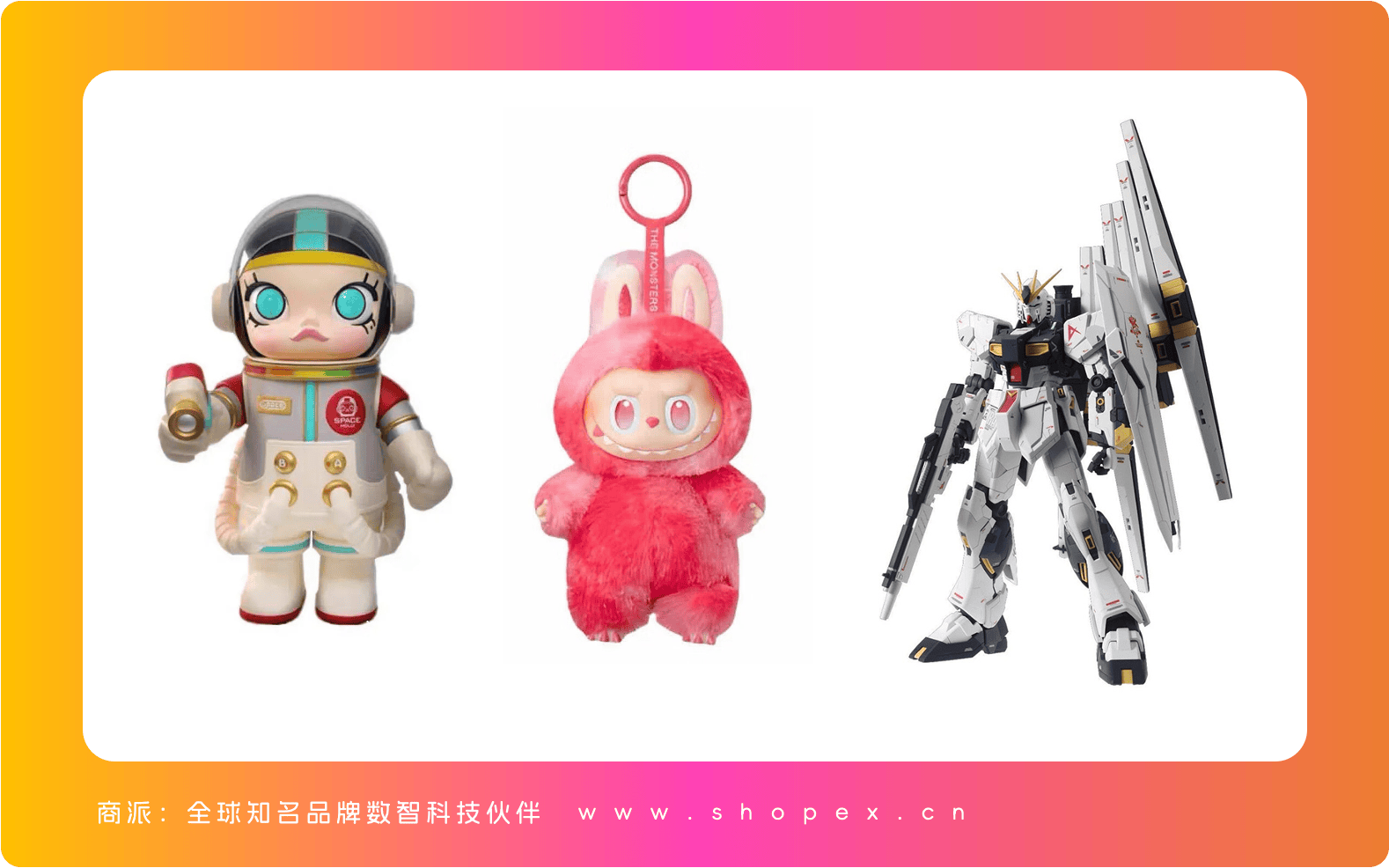
艾瑞咨询:2025年IP潮玩经济研究报告
Sou Hu Cai Jing· 2025-10-05 10:20
Overview of IP Trend Toy Market - The IP trend toy market is defined as high-recognition independent IP toys, distinct from traditional toys, focusing on artistry and collectibility, primarily targeting consumers aged 15-40 with higher price points and some items being resalable [1][8] - The market has evolved through three phases: initiation (late 1990s to early 2000s), exploration (2010-2015), and maturity (2016 to present), with significant growth following the launch of blind boxes by Pop Mart in 2016 [1][10] - The market size is projected to reach 67.8 billion yuan in 2024, with a CAGR of 13.8% from 2020 to 2024, and is expected to exceed 100 billion yuan by 2027 and approach 130 billion yuan by 2029 [1][17] Consumer Insights - The primary consumer demographic consists of young middle-class individuals aged 21-35 from first-tier and new first-tier cities, with a slight male majority; 37% earn between 6,000 to 10,000 yuan monthly [2] - Over 80% of consumers spend more than 200 yuan per purchase, with blind boxes and figurines being common purchases, driven by motivations of collection and stress relief [2] - Social media serves as the main information source, with immersive unboxing videos being the most effective in stimulating purchase intent; major purchasing channels include shelf e-commerce and brand offline stores [2] Popular Case Studies - Pop Mart has transitioned from trend retail to IP commercialization, launching the MOLLY blind box series in 2016, which led to explosive growth and its listing as the first trend toy stock in 2020 [2][21] - LABUBU gained popularity through innovative design and marketing strategies, leveraging celebrity endorsements and user-generated content to create a unique brand identity [2][27] - Bandai Namco has developed an "IP axis strategy" to create a comprehensive ecosystem around its IPs, ensuring long-term value through diverse business forms including games, animation, and merchandise [2][30][32] Future Opportunities and Challenges - Opportunities for growth include international expansion for domestic brands, digital trend toys, and diversification of product categories, though challenges such as cultural adaptation, intellectual property issues, and supply chain management remain [3] - The industry is advised to focus on aligning IP content with consumer needs to promote high-quality development [3]

2025年IP潮玩经济研究报告
艾瑞咨询· 2025-09-30 00:07
Core Insights - The article emphasizes the growing significance of IP (Intellectual Property) in the潮玩 (trendy toys) market, highlighting its appeal to adults and the emotional connection it fosters, alongside the rise of the Z generation and cultural consumption upgrades [1][3] - The report aims to analyze the economic value and development potential of the IP潮玩 industry, focusing on its evolution, consumer preferences, and the business models of leading brands [1][3] Group 1: Definition and Development - IP潮玩 refers to trendy toys with high recognition and independent IP attributes, primarily targeting adults rather than children, characterized by artistic value and collectibility [1] - The潮玩 industry began in the late 1990s, evolving from a niche market linked to street culture to a mature sector, with significant growth driven by local designers and the introduction of blind box formats [2] Group 2: Market Size and Growth - The Chinese IP潮玩 market is projected to reach approximately 67.8 billion yuan in 2024, with a CAGR of about 13.8% from 2020 to 2024, and is expected to exceed 100 billion yuan by 2027 [6] Group 3: Industry Chain - The IP潮玩 industry chain consists of three main segments: upstream IP sources, midstream IP operation and production, and downstream sales channels, with some companies managing the entire chain for better control [5] Group 4: Key Players - 泡泡玛特 has transformed from a retail brand to a leader in IP commercialization, achieving significant growth through innovative product offerings and strategic expansions despite regulatory challenges [9][11] - 万代南梦宫 has evolved from a toy wholesaler to a global entertainment giant, implementing an "IP axis strategy" to maximize IP value across various media [14][16] - 集卡社 has established itself as a leader in collectible card products, leveraging strong IP partnerships and a comprehensive business model to drive growth [17][19] Group 5: Consumer Behavior - Over 60% of consumers frequently purchase blind boxes and figurines, with motivations centered around collection and stress relief, indicating a strong emotional connection to specific IPs [30] - Social media platforms have become the primary source for consumers to obtain information about IP潮玩, with immersive unboxing videos being the most effective marketing tool [33] Group 6: Trends and Innovations - The潮玩 market is witnessing a diversification of product categories, with blind boxes maintaining steady growth while figurines are leading in terms of growth rate [25] - New gameplay trends are emerging, with innovative concepts like "swap dolls" and "draw cards" gaining traction, indicating a shift towards more interactive consumer experiences [27] Group 7: Global Expansion - The overseas market presents new growth opportunities for Chinese潮玩 brands, with varying challenges across regions such as North America, Japan, and Southeast Asia [36] Group 8: Digital Trends - Digital潮玩, supported by blockchain technology and the metaverse, is gaining traction among younger generations, although it faces challenges such as regulatory uncertainties and market volatility [38]