IP生态共建

Search documents
腾讯的长青IP为什么“重新”开始做IP
Tai Mei Ti A P P· 2025-12-11 04:53
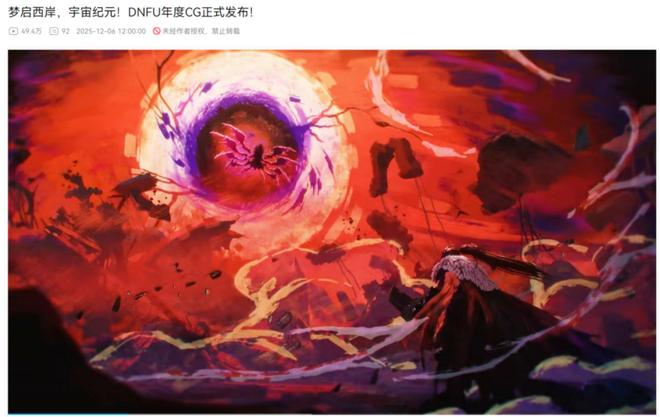
Core Insights - The DNF IP has evolved into a comprehensive ecosystem, integrating various gaming formats and appealing to a diverse player base [1][2][7] - The recent DNF annual CG video aims to showcase the product matrix and convey the message that players of different types can enjoy the IP [2][3][6] - The company emphasizes the importance of ecological co-creation, where various teams contribute to the IP's development, enhancing its value [6][7] Product Development - The upcoming DNF: Kazan will feature a competitive launch price and exclusive content tailored for the domestic market [1] - The DNF IP now includes multiple product forms, such as mobile games and single-player titles, reflecting a shift from solely online gaming [10][11] - The company aims to provide seamless transitions between different gaming platforms, allowing players to choose based on their time and preferences [8][10] Player Engagement - The company recognizes the need to cater to both new and returning players, implementing strategies to facilitate quick reintegration into the game [11][12] - There is a focus on balancing nostalgia for veteran players with new content, ensuring that classic elements are preserved while introducing modern gameplay [12][14] - The mobile game has been designed to cater to a different user base, emphasizing lighter gameplay and social interaction compared to the PC version [15][16] Future Directions - The company plans to reduce player fatigue by adjusting gameplay mechanics and offering diverse paths for character development [18][19] - There is an ongoing effort to attract younger players who may have left due to traditional RPG mechanics, aiming to create a more engaging experience [17][19] - The future product strategy will focus on enhancing user experience and satisfaction, making it a priority for the company's development efforts [19]


飞扬集团(01901)与中国青年报联合发起潮玩文创“山河宇宙计划”的战略合作
智通财经网· 2025-12-08 14:15
Core Viewpoint - The collaboration between Feiyang Group and China Youth Daily aims to launch the "Shanhe Universe Project," a cultural and creative initiative that integrates cultural heritage, trendy toys, and digital innovation, targeting a global market [1][2]. Group 1: Partnership Details - Feiyang Group's wholly-owned subsidiary, Zhejiang Feiyang Shulian Technology Co., Ltd., has signed a strategic cooperation agreement with Beijing Zhongqing Online Network Information Technology Co., Ltd., a subsidiary of China Youth Daily, to execute the project [1]. - China Youth Daily is a national core media outlet with significant influence in youth and cultural communication [1]. Group 2: Project Overview - The project is themed around the "Shanhe" IP and aims to create an immersive cultural experience by combining cultural and creative entities with digital rights [2]. - The first phase will introduce the "Shanhe·Youth" series of rights-based trendy toy cards, which will integrate cultural tourism rights through NFC chips and compliant alliance chain technology [2]. - Future expansions will include various series such as "Shanhe·Hero," "Shanhe·Intangible Cultural Heritage," "Shanhe·Panda," and "Shanhe·Star," covering multiple media formats like physical cultural products, films, and animations [2]. Group 3: Strategic Implications - The board believes this collaboration aligns with the group's strategy to promote digitalization in cultural tourism, leveraging China Youth Daily's media resources and content influence alongside the group's operational experience [3]. - The initiative responds to market trends in cultural tourism integration, presenting strong growth prospects and scalability, aiding the group's transition from a "cultural tourism service provider" to a "comprehensive cultural consumption platform" [3]. - The open co-creation model is expected to gather creative resources and build a highly engaged user community [3].
22岁的ChinaJoy变大型“吃谷现场”, 国产IP要打造“中国万代”
3 6 Ke· 2025-08-03 09:04
Core Insights - The "Guzi Economy" has emerged as a cultural phenomenon among Generation Z, transcending its origins in the anime and gaming communities to become a significant market force [1][3] - The market size of the "Guzi Economy" in China reached 168.9 billion yuan in 2024, with projections to exceed 300 billion yuan by 2029 [1] Group 1: Generation Z Consumer Behavior - Generation Z, particularly those born in the 1990s to 2010s, is driving a consumption trend centered around emotional resonance with IPs, leading to a surge in "Guzi" product purchases [3][5] - Young consumers are willing to pay a premium for merchandise related to their favorite IPs, viewing these items as social currency [3][5] - Events like ChinaJoy showcase the strong engagement of fans, with attendees often spending over a thousand yuan on merchandise [1][3] Group 2: IP Innovation and Market Strategies - The industry is focusing on how to transition IPs from content to products, with various strategies being explored, including crowdfunding and cross-industry collaborations [8][9] - Successful examples include the use of crowdfunding platforms to gauge emotional engagement and validate market demand before large-scale production [9] - Companies like Aofei Entertainment are leveraging user-generated content and community engagement to enhance the emotional connection between consumers and IPs [5][10] Group 3: Future Trends and Ecosystem Development - The domestic IP landscape is shifting from a "follower" to a "leader" position, with an emphasis on creating a comprehensive ecosystem that integrates various consumer experiences [12][14] - The industry is exploring sustainable models, including the use of AI in character design and collaborative production approaches to enhance efficiency and creativity [14] - Balancing innovation with standardization is crucial for the "Guzi Economy" to evolve from niche markets to broader consumer acceptance [14]