
Intelligent Driving

Search documents
小鹏G7车主分享:东北最南端挑战纯电,纠结是否氪金上更高阶智驾
车fans· 2026-03-22 05:26
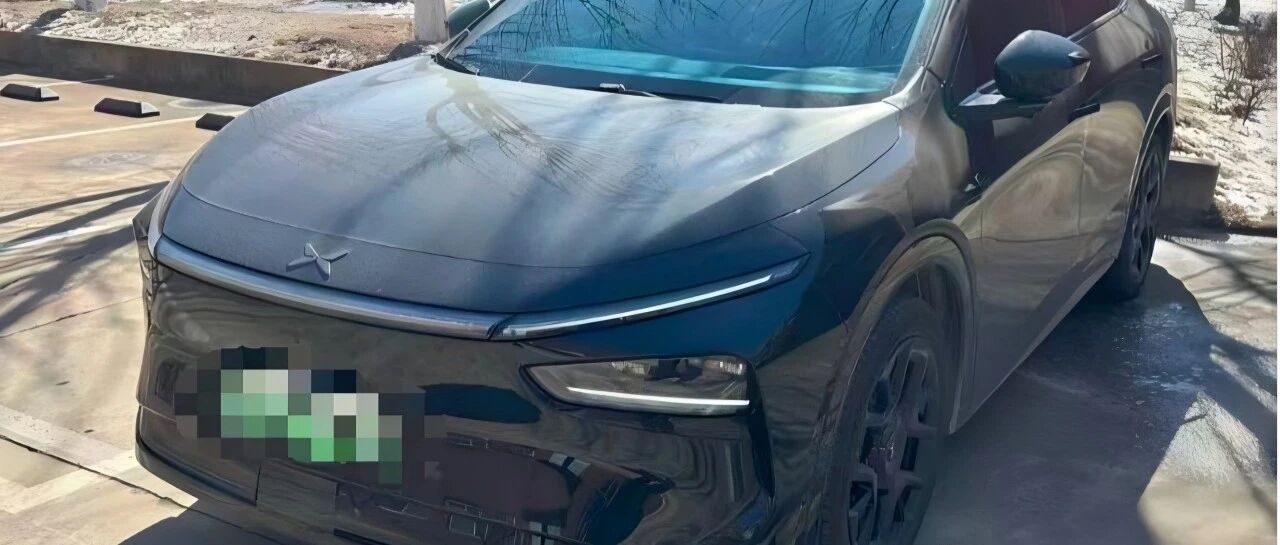
Core Viewpoint - The article discusses the purchase experience and user feedback of the 2026 model Xpeng G7 602 Pure Electric MAX version, highlighting the decision-making process, comparisons with competitors, and overall satisfaction with the vehicle [1][3][16]. Purchase Details - The vehicle was purchased for a total of ¥188,000 after discounts, with a financing plan resulting in a monthly payment of ¥2,630 [3]. - The original price was ¥201,800, with various discounts including a manufacturer discount of ¥8,000 and a scrapping subsidy of ¥20,000 [3]. Competitor Comparison - Initially, the buyer considered second-hand and joint venture electric vehicles, including a used Tesla Model Y, but concerns about battery life and company policies led to a shift towards domestic brands [6][9]. - The buyer evaluated several models, including NIO ES6, Zeekr 7X, and Xpeng G6, before ultimately choosing the G7 due to its driving experience and features [7][9]. Purchase Experience - The purchase was made at a newly established Xpeng dealership in Dalian, which previously operated as a Volvo dealership [11]. - The negotiation process involved multiple discussions with sales representatives, particularly regarding the scrapping subsidy, but the delivery experience was reported as smooth [12]. Vehicle Performance and User Experience - After one month and 3,600 kilometers of use, the buyer noted that the Xpeng G7's autonomous driving features (XNGP 3.0) were conservative in extreme conditions, with hopes for improvements in future software updates [14]. - Charging speed was praised, with the ability to recharge from 30% to full in about 20 minutes at fast charging stations, alleviating range anxiety [14]. - The vehicle's noise insulation was criticized, particularly regarding tire noise, despite the use of Michelin tires [14][16]. Overall Satisfaction - The buyer expressed overall satisfaction with the G7, considering it a suitable second family vehicle, although improvements in intelligent driving capabilities were desired [16]. - The G7's pricing was highlighted as competitive compared to alternatives like the Tesla Model Y, which would require significantly higher investment for similar features [16].


汽车行业2026年春季投资策略:不可或缺的汽车工业
GUOTAI HAITONG SECURITIES· 2026-03-15 05:22
Investment Rating - The industry investment rating is "Cautious Accumulation," indicating a relative expected increase of 5% to 15% compared to the CSI 300 index [54]. Core Insights - The report highlights a significant growth trajectory in the heavy truck market, with projected sales of 1.14 million units in 2025 and 1.16 million units in 2026, reflecting a year-on-year increase of 25% to 45% [40][26]. - The penetration rate of new energy heavy trucks is expected to rise to 33.6% by 2026, indicating a strong shift towards electrification in the sector [40]. - The report emphasizes the increasing demand for liquid cooling systems in data centers due to rising power consumption and the limitations of traditional cooling methods [20][19]. Summary by Sections Section 1: Heavy Truck Market - Heavy truck sales are forecasted to reach 1.14 million units in 2025 and 1.16 million units in 2026, with domestic sales contributing significantly [40]. - The penetration rate for natural gas heavy trucks is projected to be 28.9% by 2026, while new energy heavy trucks are expected to see a penetration rate of 33.6% [40]. Section 2: Data Center Cooling Solutions - The report notes that the demand for liquid cooling systems is increasing due to the limitations of air cooling methods, with a growing market for components and systems [20][19]. - The report identifies a significant opportunity for domestic manufacturers to replace imported components in the cooling systems market [20]. Section 3: Electric Vehicle Market - The report indicates that by 2025, the total application volume for electric vehicles is expected to exceed 1.15 million units, with a notable increase in the proportion of new energy vehicles [5]. - The report outlines the competitive landscape, highlighting key players and their export volumes, with BYD and Chery leading the market [12].
晚点独家丨OMOWAY 获数千万美元投资,摩托车自研技术将用于两轮机器人
晚点LatePost· 2026-03-13 06:06
Core Insights - OMOWAY aims to become the leading electric motorcycle brand in Indonesia by 2026 and expand to Southeast Asia by 2027 [3][10] - The company has recently secured tens of millions of dollars in Series A funding led by Monolith Capital, marking its third funding round in a year [4] - OMOWAY's flagship product, the OMO X, is touted as the world's first self-balancing electric motorcycle, with a price positioned in the top 20% of the Indonesian market [9][11] Company Overview - OMOWAY, co-founded by former Xiaopeng Motors executive He Tao and former vice president Qiao Qingchun, focuses on manufacturing electric smart motorcycles [4][6] - The company is leveraging advanced technologies such as self-balancing and autonomous driving capabilities in its products [9][11] Market Context - Indonesia is the third-largest motorcycle market globally, with annual sales exceeding 6 million units, dominated by Japanese brands like Honda and Yamaha [9] - Consumer willingness to purchase electric motorcycles has been low, with less than 3% showing interest in the past two years, but there are signs of a potential shift [9][10] Product Development - The OMO X is set to be available for pre-sale in April and will begin deliveries in May, with a second, more affordable model planned for release by the end of the year [9][10] - The self-balancing technology is a key differentiator for OMOWAY, utilizing multiple cameras and advanced algorithms to maintain stability and enable smart driving features [11] Strategic Partnerships - OMOWAY is establishing exclusive partnerships with over 20 dealers in Indonesia, many of whom previously worked with traditional motorcycle brands [11] - The company is focused on creating a dedicated sales network to enhance brand presence and consumer engagement [11] Future Innovations - OMOWAY is also developing a two-wheeled robot called Mobility One, aimed at logistics and delivery applications, indicating a broader vision beyond motorcycles [12][13] - The company believes that the electric motorcycle market in Southeast Asia will evolve faster than the electric vehicle market in China due to lower infrastructure dependencies [10]

蔚来汽车-大型 SUV 车型上市缓解利润率压力,上调盈利预期;中性评级
2026-03-12 09:08
Summary of NIO Inc. Conference Call Company Overview - **Company**: NIO Inc. (NIO/9866.HK) - **Industry**: Electric Vehicle (EV) sector in China Key Points and Arguments Financial Performance - NIO achieved its first operational break-even results in 4Q25, with expectations for stable vehicle margins in 1Q26E, primarily due to a high delivery mix of the ES8 model and raw material cost inflation not fully reflected yet [1][2] - The company revised its 2026E-28E non-GAAP net profit estimates from Rmb-5.6bn/-1.6bn/1.3bn to Rmb-2.9bn/1.3bn/3.6bn, reflecting higher-than-expected margin guidance and operational expense optimization [2] - The gross margin is expected to improve to 16.0% in 2026E from 13.6% in 2025, driven by a better model mix and economies of scale [2] Model Pipeline and Product Launches - NIO's 2026 model pipeline will focus on large SUVs, including the ES9, L80, and a new large 5-seat SUV, with launches planned for Q2 and Q3 [1][6] - The company aims for a 40%-50% volume growth target in 2026, with Q1 delivery guidance set at 80k-83k units [7] Cost Management and Profitability - Management has implemented cost control measures since March 2025, leading to adjusted operating profit in 4Q25 for the first time [9] - R&D expenses are projected to decline to Rmb9bn in 2026E from Rmb11bn in 2025, with a maintained quarterly non-GAAP R&D expense of Rmb2-2.5bn [7] Balance Sheet and Cash Flow - As of 4Q25, NIO reported Rmb30bn in net cash, an increase from Rmb20bn in 3Q25, driven by strong sales and improving profitability [7] - Payable days increased to 261 days and receivable days to 73 days, indicating potential cash flow sensitivity [1][7] Market Position and Competitive Landscape - NIO's market share in the NEV segment has decreased from 3.8% in 2020 to 2.3% in 2025 due to intensified competition [9] - The company is focusing on improving model competitiveness and expanding its product lineup to regain market share [9] Valuation and Price Target - NIO's stock is trading at 0.8x 2026E P/S, in line with the average for the China auto OEM sector [3] - The 12-month DCF-based target price remains unchanged at US$6.6/HK$52, with an expected upside of 15.8% for ADR and 19.5% for H-share [8][10] Risks and Considerations - Key risks include stronger government policy support for the auto industry and potential lower-than-expected sales volume due to competition [10] - The company faces ongoing cost pressures from rising raw material prices, which could impact profitability in the near term [7][9] Additional Important Information - NIO's brands include Nio (premium BEV), Onvo (mid-end family market), and Firefly (niche boutique market) [9] - The company is also making advancements in intelligent driving technology and self-designed chips, with plans for mass production of a second-generation automotive-grade chip [7]

小鹏汽车:VLA 2.0 试驾体验:1 小时以上无干预平稳行驶;买入
2026-03-10 10:17
Summary of XPeng Inc. (XPEV/9868.HK) Conference Call Company Overview - **Company**: XPeng Inc. (XPEV/9868.HK) - **Industry**: Electric Vehicles (EVs) in China Key Points and Arguments 1. VLA 2.0 Test Drive Experience - XPeng's VLA 2.0 was demonstrated during an Investor Experience Day, showcasing a smooth test ride of over one hour without human intervention, navigating complex traffic scenarios [1][2] 2. Improvement in Autonomous Driving Technology - Significant advancements were noted from the previous VLA 1.0 version, particularly in decision-making and handling logic, reinforcing XPeng's competitive edge in intelligent driving within China [2] 3. Consumer Feedback and Future Deployment - Upcoming consumer test-drive feedback is anticipated to be crucial, with mass deployment of vehicle models expected in the next 1-2 years, potentially enhancing volume growth and market share [2] 4. New Model Pipeline and Market Expansion - XPeng is projected to have a robust new model pipeline in 2026, with plans for increased overseas expansion and production milestones in frontier businesses such as humanoid robots and robotaxis [2] 5. Autonomous Driving Model Development - The company is focused on developing its autonomous driving model, which is described as a physical AI problem reliant on model, compute, data, and ontology [5] - **Model**: A new foundation model has been created, incorporating multimodal tokenization and visual reasoning [5] - **Compute**: XPeng's proprietary Turing chip has significantly improved computing efficiency, equating to 10 OrinX chips [6] - **Data Tokens**: Each model version utilizes a training data scale of 4 trillion tokens, emphasizing the importance of high-quality data [8] 6. Competitive Positioning - XPeng aims to close the gap with Tesla, which has a 10-year head start in model development. The company is enhancing its data acquisition efficiency from 15% last year to 70% currently [8] 7. Regulatory Progress - Positive developments in government regulations for L4 autonomous driving in China have been noted, including a trial operation permit obtained in Guangzhou [8] 8. Investment Thesis - XPeng is recognized as one of the fastest-growing pure EV makers in China, with a focus on intelligent vehicle features. The company plans to launch 10 new and refreshed models annually from 2024 to 2026 [9] - The company is also increasing its overseas product offerings and localized production in countries like Indonesia, Austria, and Malaysia [9] 9. Financial Projections - XPeng's market cap is estimated at $16.5 billion, with projected revenues increasing from RMB 40.87 billion in 2024 to RMB 114.00 billion by 2027 [7] - The company is currently trading at a price of $17.32, with a 12-month price target of $22, indicating a potential upside of 27% [7] 10. Risks and Methodology - Risks include lower-than-expected sales volume, increased price competition, and weaker market demand. The investment rating is based on a DCF model with a WACC of 11.8% and a terminal growth rate of 3.0% [10] Additional Important Information - XPeng's strategy includes a significant increase in model launches and a focus on international markets, which may lead to sustainable sales volume growth and improved profit margins [9] - The company does not foresee a single dominant player in the autonomous driving market but expects multiple companies to reach a certain level of capability collaboratively [8]
春节开新能源车跑长途是什么样的体验?6位车主一起聊聊
车fans· 2026-03-02 00:31
Core Insights - The article discusses the experiences of several electric vehicle (EV) owners during long-distance travel over the Spring Festival, highlighting both the advantages and challenges of using EVs for such trips. Group 1: User Experiences - One owner shared their journey from Shenzhen to Guangxi in a BYD Han, noting that the vehicle's claimed range of 715 km was significantly reduced in real-world conditions, especially in winter, where it dropped to about 200-300 km per charge [2] - Another owner, driving a Li Auto L6 Pro, preferred to use fuel mode for long trips due to the limited range of electric mode, which only allowed for about 120 km on a full charge [4][5] - A user of the 2026 Xiaopeng G7 reported a range of about 250 km under winter conditions, emphasizing the importance of driving style and temperature on electric consumption [8] Group 2: Charging Infrastructure and Costs - The article highlights the increasing demand for charging stations, which are often insufficient to meet the needs of the growing number of EVs, especially during peak travel times [3] - Charging costs have risen significantly, with some areas charging around 2 RMB per kWh, making the cost of traveling in an EV comparable to that of gasoline vehicles [2] - Users are advised to utilize nearby charging stations off the highway to avoid long waits at service areas during busy travel periods, which can lead to more efficient time management [3][16] Group 3: Driving Technology and Safety - Many users expressed satisfaction with advanced driving assistance systems (ADAS), which help reduce fatigue during long trips, although they noted that older models may not perform as well in complex driving conditions [3][19] - The importance of understanding the limitations of ADAS was emphasized, with users encouraged to remain vigilant and not rely solely on these systems for safe driving [19] - One owner mentioned that the latest updates to their vehicle's software improved the functionality of the driving assistance features, enhancing the overall driving experience [18]
Shanghai W-Ibeda High Tech. Group Co., Ltd.(H0426) - Application Proof (1st submission)
2026-02-23 16:00
The Stock Exchange of Hong Kong Limited and the Securities and Futures Commission take no responsibility for the contents of this Application Proof, make no representation as to its accuracy or completeness and expressly disclaim any liability whatsoever for any loss howsoever arising from or in reliance upon the whole or any part of the contents of this Application Proof. Application Proof of Shanghai W-Ibeda High Tech. Group Co., Ltd. 上海華依科技集團股份有限公司 (the "Company") (A joint stock company incorporated in t ...

Minieye and Sterling Tools Partner to Deploy ADAS and DMS in India
TMX Newsfile· 2026-01-19 02:00
Group 1 - Minieye Technology Co., Ltd. has signed a memorandum of understanding with Sterling Tools Limited to advance the deployment of advanced driver assistance systems (ADAS) and driver monitoring systems (DMS) in India, marking Minieye's entry into the Indian market [1][3] - The collaboration aims to provide full-stack ADAS and DMS solutions for both passenger and commercial vehicles, leveraging Sterling Tools' local production capabilities and OEM relationships [3][4] - India's automotive industry is evolving with new standards mandating the fitment of ADAS and Driver Drowsiness and Attention Warning Systems (DDAWS) in new vehicle models starting January 1, 2027, which is expected to accelerate the deployment of these technologies [4][5] Group 2 - Minieye's solutions comply with global regulatory standards, including the EU General Safety Regulation (GSR) for DDAW, and the company has achieved Automotive SPICE V4.0 CL3 certification, indicating its readiness for mass production [5][6] - The partnership is positioned to meet the growing demand for intelligent vehicle technologies and safety systems in India, with both companies aiming to deliver high-performance, localized intelligent driving solutions [6][7] - Minieye, founded in 2014, focuses on promoting automotive automation and enhancing safety and driving experience globally, while Sterling Tools, established in 1979, specializes in high-tensile cold-forged automotive fasteners and is driving innovation in the automotive supply chain [8][9]

BBA,势败如山倒
盐财经· 2026-01-18 09:17
Core Viewpoint - The traditional luxury car brands BBA (Benz, BMW, Audi) experienced significant sales declines in China in 2025, indicating a structural loss in the face of the rising dominance of domestic electric vehicle brands and changing consumer preferences [6][10][11]. Group 1: Sales Performance - In 2025, Benz, BMW, and Audi's sales in China were 57.5 million, 62.55 million, and 61.7 million units respectively, representing declines of 19%, 12.5%, and 5% year-on-year [10][11]. - The collective decline of BBA is not a short-term fluctuation but a reflection of the structural challenges posed by the rapid growth of the new energy vehicle market, which saw a penetration rate nearing 60% in 2025 [11][12]. Group 2: Market Dynamics - The market share of domestic brands rose to 65% in 2025, while retail sales of fuel vehicles plummeted by 30%, impacting BBA's traditional stronghold [11][12]. - The loyalty of BBA customers has significantly decreased, with less than 18% of previous BBA buyers indicating they would repurchase from the same brand [15][16]. Group 3: Competitive Landscape - New energy vehicle brands like AITO, Li Auto, Tesla, and Xiaomi are capturing a significant portion of the market, with a high percentage of their new customers coming from BBA [16]. - BBA's attempts to maintain market share through price reductions and new model launches may not be sufficient to reverse the trend, as consumer preferences shift towards new energy and smart vehicle technologies [13][20]. Group 4: Future Strategies - In 2026, Audi plans to launch new models on the PPE electric platform, while Benz aims to introduce 15 new vehicles, focusing on enhancing local technological capabilities [17][20]. - BMW's upcoming iX3 model, set to launch in late 2026, will feature advanced electric drive systems and local AI functionalities, which will be crucial for its competitiveness in the new energy market [19][20].

国联民生证券:2025智驾平权加速 2026智驾&机器人&全球化共振
智通财经网· 2026-01-18 02:00
Core Insights - The report from Guolian Minsheng Securities highlights the transformation in the automotive industry driven by smart electric vehicles and global expansion, indicating a positive outlook for the supply chain of domestic and new energy vehicle manufacturers, as well as the growth of the smart and robotics sectors [1][2]. Group 1: Market Outlook - By 2026, the acceleration of smart and global trends is expected to lead to significant growth in humanoid robots, with the domestic wholesale vehicle sales projected to reach 30.3 million units, a year-on-year increase of 1.0% [2]. - The automotive parts sector's revenue is anticipated to grow by 8.3% year-on-year, driven by the increase in sales of domestic brands and the impact of vehicle replacement policies [2]. Group 2: Investment Strategy - The competitive landscape is being reshaped by the smart electric transformation, with a focus on high-quality customers from domestic brands and new energy vehicle manufacturers [3]. - The preferred investment tracks are identified as those with large market potential and favorable competitive dynamics [3]. Group 3: Customer Dynamics - Domestic manufacturers with significant sales growth, such as Geely and BYD, are favored, while the global expansion of Chinese automotive parts is supported by increasing production capacity and technological advantages [4]. Group 4: Product Dynamics - The trend towards smart driving is accelerating, with expectations for high-level autonomous driving to penetrate the mass market by 2026, driven by policy support and technological advancements [5]. - Humanoid robots are entering a production phase in 2026, with major tech companies leading the charge, and the industry is expected to shift from conceptual themes to long-term growth [5]. Group 5: Investment Recommendations - The report recommends focusing on the smart and new energy vehicle supply chain, highlighting specific companies in smart driving, smart cockpit, and tire sectors, as well as robotics-related firms [6].
