
RideyFUN智驾系统

Search documents
环球问策|新国标落地,九号以智驾普惠重构电动两轮车 “安心” 新标杆
Huan Qiu Wang· 2025-12-30 04:50
Core Viewpoint - The new national standard for electric bicycles (GB 17761-2024) has been implemented, aiming to enhance safety and compliance in the industry, while also revealing existing issues in product design and user experience [1][2]. Group 1: New National Standard Implementation - The new standard is seen as a stricter upgrade from the 2018 version, with enhanced measures to prevent manufacturers from circumventing speed limits, specifically capping the maximum speed at 25 km/h [2]. - The industry has been aware of the impending strict enforcement of standards since 2018, leading to a shift in compliance expectations among manufacturers [2]. Group 2: Industry Response and Adaptation - The introduction of the new standard has prompted some manufacturers to confront their previous complacency regarding compliance, while others, like Ninebot, have proactively prepared by optimizing their product design and manufacturing processes to meet the new requirements [4][5]. - Ninebot's approach focuses on enhancing safety and user experience, ensuring that all products align with the new standards while addressing user demands for a more secure and efficient riding experience [5]. Group 3: Technological Innovations - Ninebot has integrated advanced safety features into its products, such as a smart driving system that enhances user safety and convenience across various riding scenarios, addressing common pain points like slope control and parking difficulties [6][7]. - The company emphasizes a user-centric design philosophy, ensuring that technological advancements are practical and enhance the overall riding experience rather than merely adding features [6][9]. Group 4: Market Transformation - The new standard is driving a significant shift in industry values, with "safe riding" becoming a new consensus among manufacturers, pushing them to innovate beyond basic compliance to enhance user experience [9]. - Ninebot aims to set a benchmark in the industry by integrating smart driving capabilities across its entire product line, redefining the product landscape in the era of the new national standard [9].

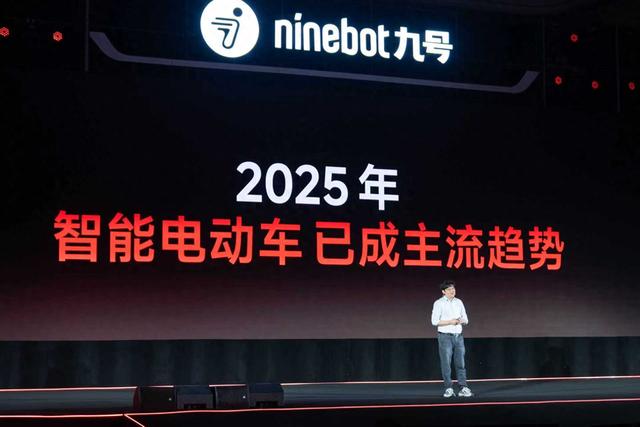
九号2026全系标配智驾系统,重塑两轮电动车出行体验
新财富· 2025-12-24 08:04
Core Viewpoint - Ninebot Company aims to transform from a new force in electric vehicles to a global disruptor in the two-wheeler industry, focusing on innovation and market expansion rather than competition in existing markets [5][6]. Group 1: Strategic Vision - The future of Ninebot is centered around three strategic pillars: smart technology, electrification, and globalization [6]. - The company plans to launch a dual-brand strategy with "Ninebot" and "Segway" to cater to diverse global user preferences [8]. Group 2: Technological Advancements - Ninebot is committed to making advanced technology accessible to all users, with nearly one million units of ABS technology deployed to enhance safety [10]. - The company aims to introduce a comprehensive upgrade in 2026, focusing on four dimensions: intelligence, driving experience, safety, and enjoyment [12][13]. Group 3: Market Performance - As of September 2025, Ninebot's cumulative shipments in the Chinese market exceeded 9 million units, reflecting strong consumer trust in its technology [10]. - In 2025, Ninebot dominated the smart two-wheeler market, with 70% of sales attributed to its brand [16]. Group 4: User Engagement and Social Responsibility - Ninebot has engaged with younger demographics through various initiatives, including collaborations with brand ambassadors and community events [17][19]. - The company has established the "Ninebot Safe Driving Academy" to promote proactive safety measures and has conducted over 260 public safety awareness events [20]. Group 5: Future Initiatives - Ninebot plans to enhance user experience through the "Oasis Campaign," focusing on service integration and customer satisfaction [20].
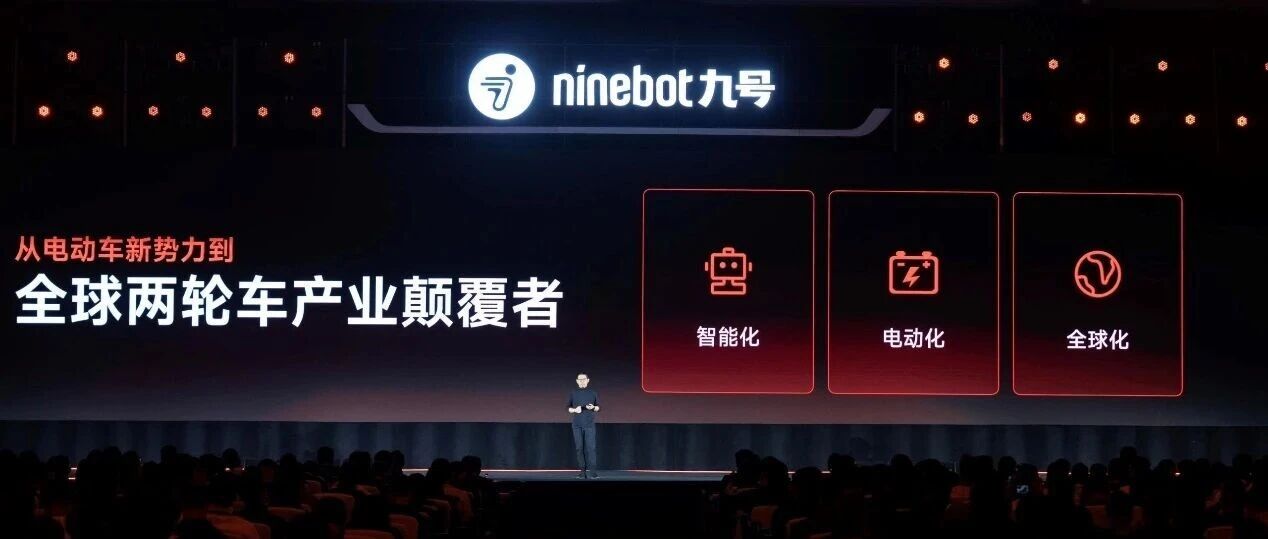
九号 2026 智驾系统全系普及,定义两轮智能出行新标杆
Jing Ji Guan Cha Bao· 2025-12-23 04:21
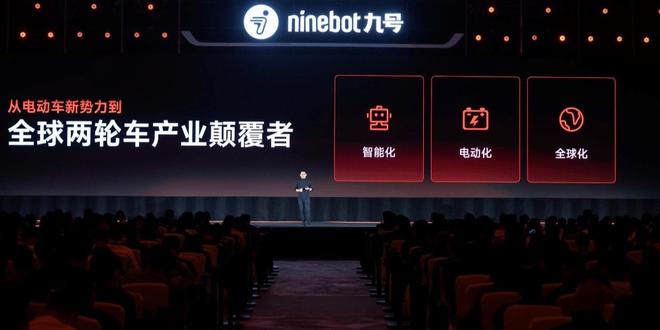
Core Insights - Ninebot Company held its 2026 Dealer Conference in Changzhou, Jiangsu, showcasing significant achievements and a strategic blueprint for the next decade focused on smart technology, electrification, and globalization [2][3] Group 1: Strategic Vision - CEO Wang Ye emphasized the company's commitment to "incremental growth, not stockpiling; innovation, not internal competition," positioning Ninebot as a disruptor in the two-wheeler industry [3] - The future vision includes three strategic pillars: smart technology, electrification, and globalization, with a focus on expanding into large markets such as Europe, Southeast Asia, Japan, South Korea, and Latin America [5][6] Group 2: Technological Advancements - Ninebot aims to lead the industry into a "universal smart driving" era by equipping all new products with advanced driving systems and the proprietary Nimble OS by 2026 [5] - The company plans to address user range anxiety through advanced battery technology and a rapidly developing fast-charging network, allowing for a significant reduction in charging times [5][9] Group 3: Market Performance - Ninebot's cumulative sales in the Chinese market surpassed 9 million units by September 2025, reflecting strong consumer trust in its technology [6] - The company holds a dominant position in the smart two-wheeler market, with 70% of sales in 2025 attributed to Ninebot [11] Group 4: User Engagement and Safety Initiatives - Ninebot is actively engaging with younger demographics through various initiatives, including collaborations with brand ambassadors and community events [11][14] - The establishment of the "Ninebot Safe Driving Academy" aims to enhance safety awareness and proactive driving skills among users, marking a shift from reactive to preventive safety measures [13][14]
2999元起售!九号Fz系列让智驾电动车走进千家万户
Xin Lang Cai Jing· 2025-12-22 21:26
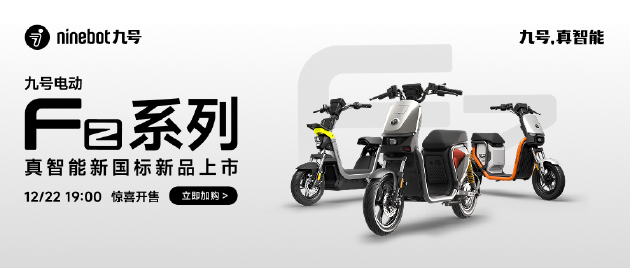
Core Viewpoint - The two-wheeled electric vehicle industry is undergoing significant transformation with the new national standards, emphasizing compliance and smart technology while focusing on user needs such as convenience, safety, and functionality [2][17] Group 1: Product Launch and Market Response - Ninebot has launched the Fz series of electric vehicles, including models Fz1, Fz2, and Fz3, with prices set at 2999 yuan and 4899 yuan for Fz1 and Fz3 respectively, while Fz2 is available for reservation [2] - Since mid-December, the Fz series has seen a surge in market interest, with over 10,000 units reserved, establishing a strong market foundation for Ninebot's push towards "universal smart driving" [4] Group 2: Smart Features and User Experience - The Fz series incorporates smart driving capabilities as standard across all models, enhancing the smart travel experience beyond just high-end models [4] - Fz3 features an upgraded RideyFUN smart driving system and a 5-inch TFT display, which reduces distractions for users by providing essential information [8] - The series includes practical features like hill assist, traction control, and customizable driving parameters, addressing common user concerns in real-world scenarios [8] Group 3: Performance and Safety Enhancements - The Fz series emphasizes real-world usability with a "real scene endurance" system, achieving actual ranges of 56 km, 74 km, and 92 km for Fz1, Fz2, and Fz3 respectively, compared to theoretical ranges of 70 km, 95 km, and 110 km [11] - All models are built with high-strength alloy steel dual-tube frames and have passed 1 million vibration tests, ensuring stability for frequent commuting [11] - The lighting system has been upgraded, with Fz1's headlight brightness reaching 11,000 cd and Fz2 and Fz3 featuring a full-area lighting system with brightness up to 23,000 cd, enhancing visibility in low-light conditions [15] Group 4: Industry Perspective and Future Outlook - Ninebot is positioning itself to lead the transition from "smart electric vehicles" to "smart driving vehicles," making smart driving a fundamental capability for a broader user base [16][17] - The company aims to redefine the value of electric vehicle travel under the new national standards, ensuring that smart features translate into real-world benefits for daily commuting and travel [17]
让城市通勤更加安全便捷,九号发布Fz系列新国标电动车
Xin Lang Cai Jing· 2025-12-22 12:08
Core Insights - The two-wheeled electric vehicle industry is undergoing significant transformation with compliance becoming a basic entry threshold and smart technology emerging as a consensus for development [1][4] - Ninebot is intensifying its focus on the smart technology sector, aiming to advance the industry towards an "intelligent driving era" [1][6] Product Launch and Market Response - Ninebot officially launched the Fz series of new standard electric vehicles on December 22, which includes models Fz1, Fz2, and Fz3, with prices set at 2999 yuan and 4899 yuan for Fz1 and Fz3 respectively [1][3] - The Fz series has seen a surge in market interest, with over 10,000 units pre-ordered since mid-December, establishing a solid market foundation for Ninebot's push towards "universal intelligent driving" [3][4] Smart Features and User Experience - The Fz series incorporates smart driving capabilities as standard across all models, enhancing the user experience with features like the RideyFUN AIR smart driving system and a 5-inch display for navigation and vehicle status [3][4] - The series addresses real-world riding challenges with features such as uphill assistance, traction control, and customizable throttle response, significantly improving user safety and convenience [3][4] Real-World Usage and Performance - Ninebot has introduced a "real-world range" system, with Fz1, Fz2, and Fz3 achieving actual ranges of 56 km, 74 km, and 92 km respectively, providing users with clearer expectations for their usage radius [4][5] - The structural integrity and safety of the Fz series are emphasized through the use of high-strength alloy steel frames and extensive testing, ensuring reliability for frequent commuting [5] Industry Perspective and Future Outlook - Ninebot is positioning itself to lead the transition from merely "smart-looking" electric vehicles to those that offer genuine safety and convenience, aligning with the new national standards [5][6] - The company envisions a future where intelligent driving is a fundamental capability for a broader user base, moving beyond just appealing specifications to real-world validated experiences [6]

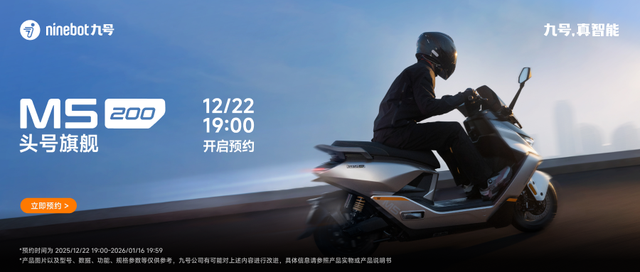
九号首款新国标车型Fz系列亮相,搭载自研操作系统凌波OS
Xin Lang Cai Jing· 2025-12-04 11:25
Core Viewpoint - The launch of the new Fz series electric bicycles by Ninebot represents a significant advancement in technology and user experience, integrating the Nimble OS system to enhance the "human-vehicle-cloud" ecosystem [2][5]. Group 1: Product Features - The Fz series includes three models: Fz1, Fz2, and Fz3, each targeting different user demographics [6]. - Fz1 is designed as "the first smart electric bike for young people," featuring a color display, navigation, and customizable options, with a range of 70 kilometers [6]. - Fz2 is aimed at users seeking individuality and urban exploration [6]. - Fz3, the flagship model, offers a long range of 110 kilometers and advanced features like the RideyFUN system and customizable driving experiences [6]. Group 2: Technological Innovations - The Nimble OS system allows the electric bicycles to learn, grow, and perceive user needs, providing a continuously updated travel experience through OTA upgrades [2][5]. - The F series features a high-strength double-tube frame that significantly enhances safety, reducing the risk of fire by over 44.7% [2][5]. - The manufacturing process incorporates automotive-grade stamping and multiple metalworking techniques, improving durability and aesthetic appeal [2][5]. Group 3: Market Positioning - Ninebot views the new national standard upgrade as both a responsibility for industry standardization and an opportunity for technological innovation [2][5]. - The company emphasizes user experience as the core driver of product evolution, committing to "warm technology" as a brand promise [2][5].
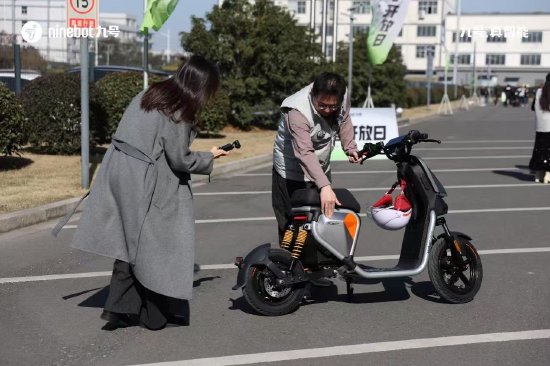
营收净利双双狂飙九号公司凭电动两轮车突围
3 6 Ke· 2025-08-06 02:35
Core Viewpoint - The company has demonstrated impressive performance in the capital market since the beginning of 2024, with its stock price increasing over 160% from a low of 22 yuan per share, driven by strong fundamentals and strategic positioning in the smart electric two-wheeler sector [1] Financial Performance - In 2024, the company's revenue grew by 38.87%, and net profit attributable to the parent company surged by 81.29%. For the first half of 2025, revenue increased by 76.14%, and net profit rose by 108.45%, indicating sustained high growth [1][2] - The company achieved a total revenue of 11.742 billion yuan in the first half of 2025, with electric two-wheeler revenue at 6.823 billion yuan, marking a 101.7% year-on-year increase [2] - The net profit for the first half of 2025 was 1.242 billion yuan, with a net profit margin of 10.57%, reflecting a significant improvement from previous periods [2][3] Cash Flow and Operational Efficiency - The company reported a net cash flow from operating activities of 3.653 billion yuan in the first half of 2025, significantly exceeding net profit levels, supported by improved inventory turnover and accounts receivable turnover days [3] - The inventory turnover days were 41.26, and accounts receivable turnover days were 21.57, both showing a marked decrease compared to previous years [3] Market Position and Product Performance - The electric two-wheeler segment has become the primary revenue driver, with sales volume reaching 2.3925 million units in the first half of 2025, a 99% year-on-year increase [5] - The company's market share in the domestic electric two-wheeler market rose from 2.7% in 2023 to 7.2% in the first half of 2025, indicating a strong competitive position [6] Product Innovation and Consumer Preferences - The company has leveraged its expertise in smart balance and scooter products to enhance its electric two-wheeler offerings, focusing on smart features and user experience [9][10] - The introduction of the "RideyGO" and "RideyFUN" systems has improved user interaction and driving experience, catering to consumer preferences for smart and durable vehicles [9][11] Future Outlook and Strategic Initiatives - The upcoming implementation of the revised national standards for electric two-wheelers is expected to benefit leading companies like the company by optimizing supply structure and accelerating the exit of less capable competitors [13] - The launch of the "Lingbo OS" system aims to unify the company's product ecosystem, enhancing resource efficiency and potentially increasing market share [12][14] - The company's current dynamic price-to-earnings ratio of approximately 24 times suggests significant investment potential, given the ongoing industry growth and the company's strong performance [15]
营收净利双双“狂飙”,九号公司凭电动两轮车突围
3 6 Ke· 2025-08-05 02:52
Core Viewpoint - The company has demonstrated impressive performance in the capital market since the beginning of 2024, with its stock price increasing over 160% from a low of 22 yuan per share, maintaining a strong upward trend for more than a year [1] Financial Performance - In 2024, the company's revenue grew by 38.87% year-on-year, while net profit attributable to the parent company surged by 81.29%. The growth momentum continued into 2025, with a remarkable 76.14% increase in revenue and a 108.45% rise in net profit for the first half of 2025 [2] - The company achieved a total revenue of 11.742 billion yuan in the first half of 2025, with electric two-wheeled vehicles contributing 6.823 billion yuan (up 101.7%), smart balance bikes and scooters at 2.18 billion yuan (up 37.23%), and accessories and other products at approximately 2.201 billion yuan (up about 85%) [2] - The net profit attributable to the parent company for the first half of 2025 was 1.242 billion yuan, with a non-recurring profit of 1.312 billion yuan, reflecting a year-on-year growth of 125.32% [3] - The company's net profit margin for the first half of 2025 was 10.57%, an increase of 1.63 percentage points from the previous year [3] Cash Flow and Efficiency - The company reported a net cash flow from operating activities of 3.653 billion yuan in the first half of 2025, significantly exceeding its net profit [3] - Inventory turnover days were 41.26, and accounts receivable turnover days were 21.57, both showing a marked decrease compared to previous years, indicating improved operational efficiency [3][4] Market Position and Growth - The electric two-wheeled vehicle segment has seen substantial growth since its entry in 2019, with sales reaching 2.5989 million units in 2024, contributing 72.11 billion yuan to revenue [6] - By the first half of 2025, sales continued to grow, reaching 2.3925 million units, with revenue contribution increasing to 68.23 billion yuan, accounting for 58.23% of total revenue [6] - The company's market share in the domestic electric two-wheeled vehicle market rose from 2.7% in 2023 to 4.2% in 2024, and further to 7.2% in the first half of 2025 [7] Product and Innovation - The company has established a strong competitive advantage through its focus on high-end products, with 68% of its electric two-wheeled vehicle SKUs priced above 4,000 yuan, significantly higher than competitors [7] - The gross margin for the electric two-wheeled vehicle segment in the first half of 2025 was 23.71%, up from 22.26% in 2024, indicating superior profitability compared to industry peers [8] - The company has invested heavily in R&D, with expenditures reaching 5.22 billion yuan in the first half of 2025, contributing to its technological leadership in smart systems and hardware [11] Future Outlook - The upcoming implementation of the revised national standards for electric two-wheeled vehicles in September 2025 is expected to benefit leading companies like the company by enhancing industry concentration and eliminating less capable competitors [12] - The company plans to launch the Lingbo OS, a unified operating system for short-distance transportation products, which is anticipated to enhance user experience and operational efficiency [12][13] - The current dynamic price-to-earnings ratio of approximately 24 times suggests that the company remains an attractive investment opportunity, given its strong growth prospects and market position [14]
营收净利双双「狂飙」,九号公司凭电动两轮车突围
3 6 Ke· 2025-08-04 10:35
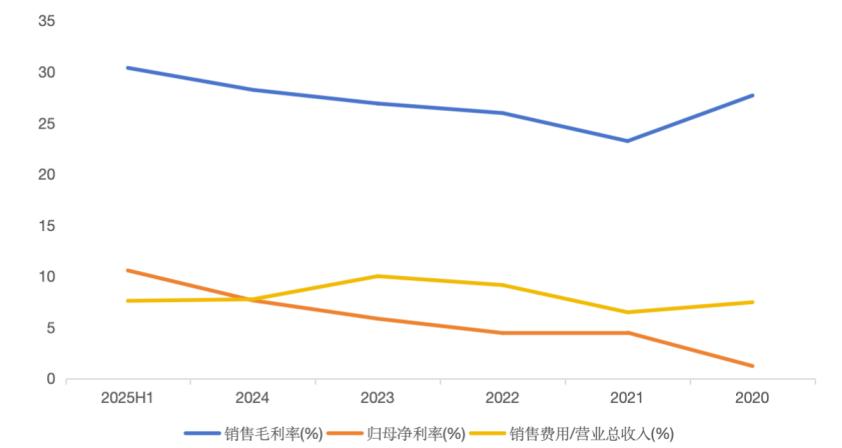
Core Viewpoint - The company has demonstrated impressive performance in the capital market since 2024, with its stock price increasing over 160% from a low of 22 yuan per share, driven by strong fundamentals and strategic positioning in the smart electric two-wheeler sector [1][2]. Financial Performance - In 2024, the company's revenue grew by 38.87%, and net profit attributable to the parent company surged by 81.29%. For the first half of 2025, revenue increased by 76.14%, and net profit rose by 108.45%, indicating sustained high growth [2]. - The company achieved a total revenue of 11.742 billion yuan in the first half of 2025, with electric two-wheeler revenue at 6.823 billion yuan (up 101.7%), smart balance and scooters at 2.18 billion yuan (up 37.23%), and accessories at approximately 2.201 billion yuan (up about 85%) [2]. - The net profit for the first half of 2025 was 1.242 billion yuan, with a net profit margin of 10.57%, reflecting a 1.63 percentage point increase year-on-year [3]. Cash Flow and Efficiency - The company reported a net cash flow from operating activities of 3.653 billion yuan in the first half of 2025, significantly exceeding net profit levels, aided by improved inventory turnover (41.26 days) and accounts receivable turnover (21.57 days) [4]. Market Position and Growth - The electric two-wheeler segment has seen substantial growth, with sales increasing from 114,000 units in 2019 to 2.5989 million units in 2024, contributing over 58.23% of total revenue in the first half of 2025 [9][12]. - The company's market share in the domestic electric two-wheeler market rose from 2.7% in 2023 to 7.2% in the first half of 2025, indicating a clear upward trend [12]. Product and Innovation - The company has leveraged its strong R&D capabilities in smart technology, enhancing its electric two-wheelers with features like the "RideyGO" smart vehicle system and "RideyFUN" intelligent driving system, which improve user experience and operational efficiency [14][15]. - The company has invested heavily in R&D, with expenditures reaching 5.22 billion yuan in the first half of 2025, contributing to its competitive edge in both software and hardware development [16]. Regulatory Environment and Future Outlook - The upcoming revision of the national standard for electric two-wheelers in September 2025 is expected to benefit leading companies like the company by optimizing supply structures and accelerating the exit of less capable competitors [19]. - The company plans to launch the "Lingbo OS" short-distance transportation operating system, which will unify its product ecosystem, enhancing user experience and operational efficiency [20]. Investment Potential - The company's dynamic price-to-earnings ratio (PE-TTM) is approximately 24 times, indicating a relatively low valuation compared to its historical levels, suggesting significant upside potential given the ongoing industry growth and the company's strong performance [21].
挥别雷军,九号电动车赢麻了
Hu Xiu· 2025-07-22 01:46
Core Insights - Xiaomi's recent product launches, including the SUV YU7 and MIX Flip2, have generated significant market interest, leading to an 8% increase in its stock price, reaching a historical high [2] - Ninebot, primarily known for its electric scooters, has returned to a high growth trajectory, reporting a revenue of 5.1 billion yuan in Q1 2025, a 99.52% year-on-year increase, and a net profit of 456 million yuan [4] - The relationship between Xiaomi and Ninebot has evolved, with Xiaomi's founder Lei Jun initially investing heavily in Ninebot, but the latter has since sought independence from Xiaomi's ecosystem [5][21] Group 1: Xiaomi's Influence on Ninebot - Lei Jun's investment and support were crucial for Ninebot's early growth, enabling it to acquire Segway and become a leader in the balance scooter market [13][16] - Xiaomi's distribution channels significantly contributed to Ninebot's sales, with over 50% of its revenue coming from Xiaomi's channels between 2017 and 2019 [17] - The transition to independence from Xiaomi has been marked by a reduction in Xiaomi's stake, which has fallen below 5%, indicating a completed "de-Xiaomi" process [21] Group 2: Market Position and Challenges - Ninebot has capitalized on the trend of smart electric vehicles, launching intelligent electric scooters that emphasize features like instant start and sensor unlocking, which have differentiated it from traditional brands [25][28] - Despite its growth, Ninebot faces challenges in the declining domestic electric vehicle market, with a projected 9% decrease in sales from 2023 to 2024 [35] - The company has increased its sales expenses significantly, from 1.71 billion yuan in Q1 2022 to 4.18 billion yuan in Q1 2023, to maintain its competitive edge [37] Group 3: International Expansion and Future Strategies - Ninebot's international sales account for approximately 40% of its total revenue, positioning it favorably compared to competitors like Yadea and Niu [42] - The company is targeting Southeast Asia for expansion, recognizing the potential for electric scooters in a market dominated by fuel-powered motorcycles [45] - Ninebot is implementing a localized strategy by forming regional teams to better coordinate its global operations [45]