动物园运营

Search documents
大熊猫龙凤胎将首次亮相 “芊然”文静 “芊逸”活泼
Jie Fang Ri Bao· 2026-02-11 01:43
Core Viewpoint - The Shanghai Wild Animal Park announced that the giant panda "Qianjin" and her twin cubs "Qianran" and "Qianyi" will officially meet the public starting February 15, showcasing the successful breeding of giant pandas in the park [1] Group 1: Panda Birth and Growth - "Qianjin" gave birth to her first cubs, a female weighing 200 grams and a male weighing 160 grams, on August 22 last year, marking the second pair of giant panda twins born at the Shanghai Wild Animal Park [1] - The twin cubs are the first "second generation" giant pandas born in Shanghai, following the previous twin birth of "Yuyou" in October 2016 [1] - The cubs are reported to be healthy, active, and have developed skills such as climbing and running independently [1] Group 2: Public Interaction and Visitor Guidelines - The family of pandas will be displayed daily from 10 AM to 4 PM, with visitors allowed in batches and a time limit of 3 minutes per group in the exhibit area [3] - The park encourages visitors to check announcements in advance and to follow on-site guidance to ensure a safe and respectful environment for the animals [3]
来动物园过大年!北京野生动物园新春系列活动上新
Xin Lang Cai Jing· 2026-02-08 06:09
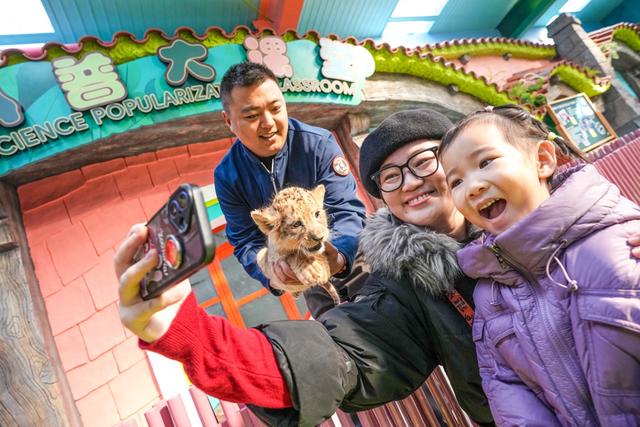
Group 1 - The Beijing Wildlife Park is hosting a series of Spring Festival activities from February 8 to March 2, 2026, featuring zodiac-themed events and upgraded animal exhibits [1][3] - Visitors can engage in various interactive games and activities, such as "Horse Year Blessing Stamp Collection" and "Horse Year Zodiac Unveiling Ceremony," to learn about zodiac culture and animal knowledge [3] - The park has enhanced its facilities, including the Northeast Tiger Exhibit, Jaguar Exhibit, and Parrot Rainforest Pavilion, creating immersive natural habitats for the animals [7] Group 2 - Special events include a new animal showcase at three locations, where visitors can participate in fun educational interactions, coinciding with World Hippo Day on February 15 [5] - The park will celebrate the 9th birthday of a chimpanzee named Kiki on the first day of the Lunar New Year, inviting visitors to join the celebration and enjoy exclusive desserts [5] - A new panda-themed restaurant allows visitors to observe giant pandas and ring-tailed lemurs while dining, enhancing the overall visitor experience [7]

把动物园“买”回家
Zhong Guo Qing Nian Bao· 2026-01-26 01:05
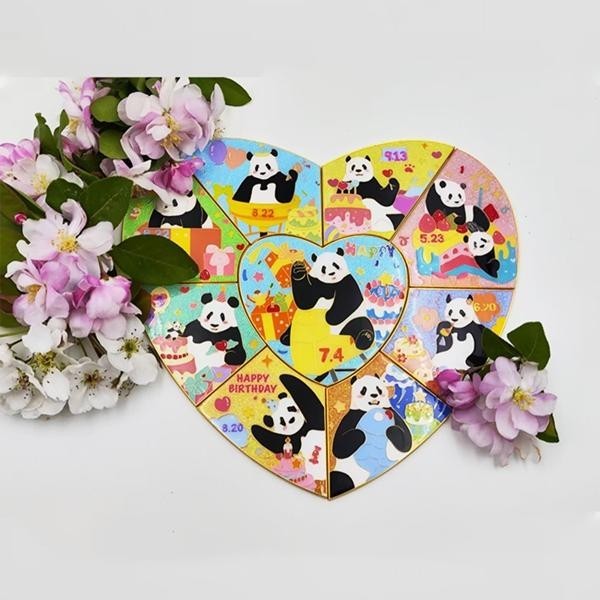
Core Insights - The transformation of zoo souvenir shops into cultural and creative stores has become a significant trend, attracting many visitors and blending cultural, emotional, and commercial values [1][3] - The rise of social media has increased the visibility of zoo animals, leading to a surge in demand for related merchandise, particularly among younger audiences [3][4] Group 1: Development of Zoo Merchandise - The Chongqing Zoo's cultural and creative store, "Insect Movement Market," has expanded from a small section in a café to a full-fledged store with over 200 products, reflecting a significant growth from just a dozen items [3][4] - The popularity of "star animals," such as pandas, has driven merchandise sales, with products inspired by these animals becoming bestsellers [4][6] - The emotional connection formed through online content, such as live streams of animals, has translated into tangible products that resonate with consumers [4][9] Group 2: Consumer Engagement and Trends - Younger consumers, particularly those aged 20-30, are increasingly becoming the primary visitors to zoos, shifting the focus from family-oriented experiences to immersive and emotionally resonant engagements [9][10] - The demand for zoo experiences has evolved beyond merely observing animals to include a desire for emotional connection and shared values, which cultural products can fulfill [10] Group 3: Scientific Integrity in Merchandise - Zoo merchandise must maintain scientific accuracy and avoid anthropomorphism to prevent misleading consumers about animal behavior and characteristics [6][7] - The design process for merchandise incorporates educational elements subtly, ensuring that consumers engage with the content without feeling directly "educated" [6][7] Group 4: Economic Impact and Brand Development - Traditional zoos have faced financial challenges, with significant revenue previously reliant on ticket sales; innovative merchandise strategies are now essential for sustainability [9][10] - Collaborations with popular brands and the introduction of creative products have helped zoos enhance their brand image and attract a broader audience [9][10]
越来越多的年轻人,把动物园“买”回家
Xin Lang Cai Jing· 2026-01-25 00:45
Core Insights - The transformation of zoo souvenir shops into cultural and creative stores has become a significant trend, attracting younger audiences who are willing to spend on themed merchandise [1][3] - The rise of social media has increased the visibility of zoo animals, turning them into "star animals" and enhancing their emotional connection with the public [3][4] - The integration of emotional value into zoo merchandise reflects a shift in consumer expectations, moving beyond mere observation to a more immersive experience [9][10] Group 1: Development of Zoo Merchandise - The Chongqing Zoo's cultural and creative store, "Insect Movement Market," has expanded from a small section in a café to a full-fledged store with over 200 products, showcasing the growing popularity of zoo-themed merchandise [3][4] - The success of specific products, such as the panda-themed merchandise, highlights the importance of popular animals in driving sales, with some items selling thousands of units [4][6] - The emotional connection fostered through social media has led to a demand for tangible products that reflect the personalities of the animals, enhancing their appeal [4][7] Group 2: Educational and Scientific Considerations - Zoo merchandise must balance creativity with scientific accuracy, avoiding anthropomorphism while still engaging consumers [6][7] - Educational content is being subtly integrated into product designs to inform consumers without overtly "educating" them, making the learning process more organic [6][9] - Understanding animal behavior and characteristics is crucial for creating meaningful and appealing merchandise that resonates with consumers [7][9] Group 3: Changing Visitor Demographics and Expectations - The demographic of zoo visitors is shifting, with a growing proportion of young adults (ages 20-30) becoming the primary audience, indicating a need for zoos to adapt their offerings [9][10] - Modern visitors expect more than just animal observation; they seek immersive experiences that resonate emotionally and provide value recognition [10] - The evolution of zoo merchandise is part of a broader strategy for public cultural institutions to redefine their roles and enhance their appeal in contemporary society [10]
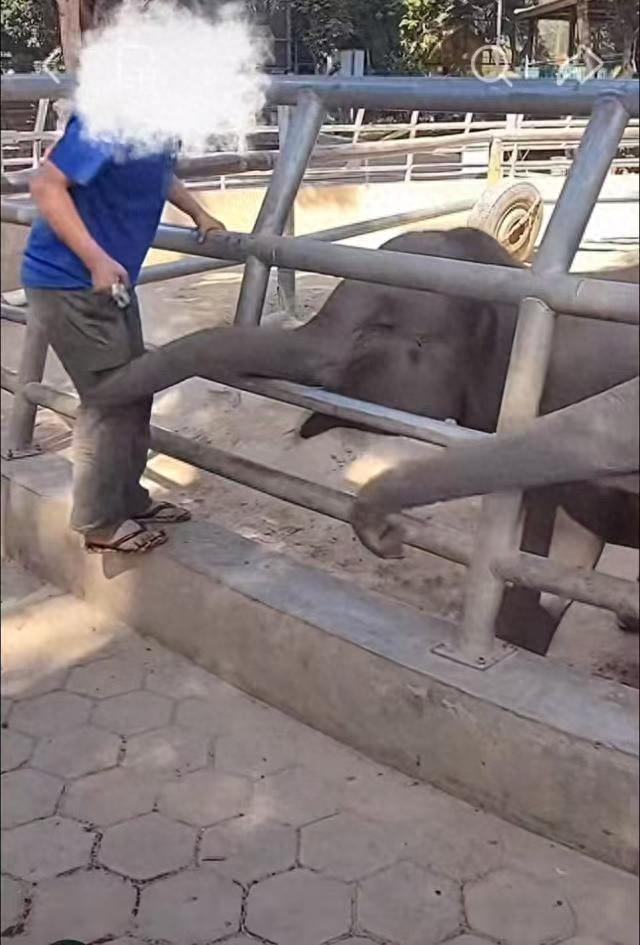
西双版纳野生动物园回应饲养员打小象:已严肃批评,深表歉意
Xin Lang Cai Jing· 2026-01-23 12:43
Core Viewpoint - The incident involving a zookeeper using a metal lock to hit a young elephant at Xishuangbanna Wild Animal Park has raised significant public concern regarding animal welfare and zookeeper conduct [1][3]. Group 1: Incident Details - A video surfaced showing a zookeeper in work attire repeatedly striking a young elephant on the face with a metal lock while the elephant was trying to reach for carrots [3]. - The incident has sparked worries among netizens about the treatment of the young elephant [3]. Group 2: Response from the Zoo - The Xishuangbanna Wild Animal Park acknowledged the incident, confirming that the zookeeper's actions were inappropriate and expressed regret for the negative experience caused to visitors [4]. - The zoo has taken disciplinary action against the involved zookeeper and emphasized the need for improved professional standards and responsibility among staff [4]. - A veterinarian conducted a comprehensive health check on the young elephant, confirming that it is in good health [4]. Group 3: Zoo's Commitment - The zoo stated that it will use this incident as a learning opportunity to enhance the professional skills and awareness of zookeepers, aiming to create a safe and comfortable environment for animals and a civilized experience for visitors [4].
“大鱼缸”里上演“连续剧” 南京玄武区绘就城市中心共生画卷
Xin Lang Cai Jing· 2026-01-12 12:50
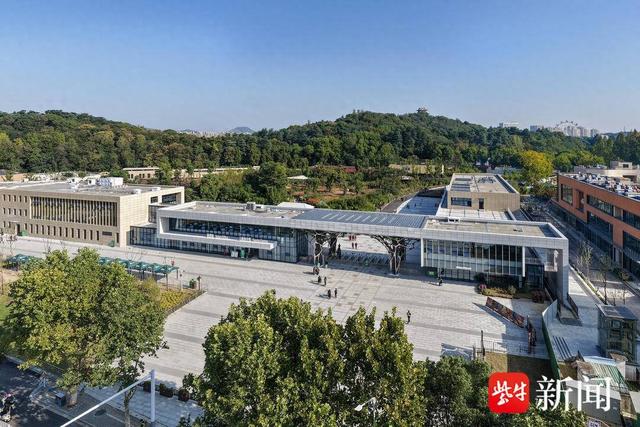
Core Viewpoint - The ecological restoration efforts in Xuanwu District, Nanjing, have led to significant environmental improvements, earning the district the title of National Ecological Civilization Construction Demonstration Zone, showcasing a successful model of human-nature coexistence [1][5]. Group 1: Ecological Restoration Achievements - Since 2017, Xuanwu Lake has completed the dredging of 550,000 cubic meters of sediment, established a 550,000 square meter submerged plant demonstration area, and created 13 kilometers of ecological shoreline [3]. - The restoration has increased the population of benthic animals, which in turn attracts amphibians and birds, revitalizing the local food chain [3]. - The lake now serves as a natural classroom for observing biodiversity in a major urban center, with bird-watching tours introduced since 2020 [3]. Group 2: Red Hill Forest Zoo Initiatives - The Red Hill Forest Zoo has shifted from a traditional animal display model to one focused on animal welfare, eliminating training and performances to create environments that mimic natural habitats [5][7]. - The zoo rescues over 1,000 wild animals annually, with more than 80% being local species and a release rate of 45% [7]. - The zoo has launched a "Zoo Live" initiative to educate the public about animals, achieving significant online engagement and becoming a well-known urban ecological brand [7]. Group 3: Legal Framework for Environmental Protection - The Xuanwu District has implemented strict legal measures for environmental protection, exemplified by a landmark case where a water company was fined over 500 million yuan for pollution, marking one of the most severe penalties in China [9]. - The establishment of a specialized environmental court has streamlined the handling of environmental cases, integrating criminal, civil, and administrative proceedings [9][10]. - Collaborative efforts between Jiangsu and Heilongjiang provinces have been initiated to protect endangered plant species, showcasing cross-regional cooperation in ecological law enforcement [10].
凯里动物园,靠什么走红?
Ren Min Ri Bao Hai Wai Ban· 2026-01-04 22:48
Core Insights - The Kaili Zoo, located in Guizhou Province, has recently gained popularity, with visitor numbers increasing significantly since October 2025, leading to improved management and services [1][2]. Group 1: Zoo Management and Development - The zoo, which opened in 2016, struggled initially with low visitor numbers and financial difficulties, but has seen a turnaround with weekend attendance reaching over a thousand visitors [1][2]. - The zoo's director, Feng Yuanyong, has implemented various improvements, including clearing old warehouses, repairing facilities, and building new amenities to enhance visitor experience [1][2]. - Feng, who took over management after retiring from teaching, faced numerous challenges, including the closure of a nearby amusement park that previously helped attract visitors [3][4]. Group 2: Visitor Engagement and Animal Care - The zoo features over 20 species of animals, including three national first-class protected species, and Feng emphasizes the importance of proper animal care despite financial constraints [7][8]. - Feng has developed a unique feeding strategy for the animals, adjusting portions based on their behavior to ensure their health and well-being [8]. - The zoo offers free animal feeding experiences for visitors, which has contributed to increased visitor engagement and satisfaction [9][10]. Group 3: Community and Economic Impact - The rise in visitor numbers has prompted local government initiatives to improve access to the zoo, including the construction of new pathways and the installation of streetlights [10]. - Local businesses have benefited from the zoo's popularity, with nearby vendors reporting increased sales and collaboration with the zoo for promotional activities [11][12].
为年轻人打造“走心”的旅游精品|文化中国行
Zhong Guo Qing Nian Bao· 2025-10-25 07:46
Core Insights - The tourism industry is shifting from "eye-catching" experiences to "soulful" and meaningful engagements, reflecting a growing demand for emotional and spiritual fulfillment among young travelers [2][3] Group 1: Emerging Trends in Tourism - Young travelers are increasingly seeking deep personal connections and emotional resonance during their journeys, moving away from superficial sightseeing [2][3] - The concept of "slow travel" is gaining popularity, emphasizing a more relaxed pace that allows for genuine appreciation of cultural and historical contexts [3][4] Group 2: Successful Case Studies - The Kunming Railway Bureau and Jianshui County government have successfully implemented a "state-owned railway + local operation" model for the Jianshui Ancient Town small train project, creating a 12.82 km cultural corridor that enhances the tourist experience [3] - The immersive performance "Jiao Jiao Da Qin" in Xi'an has attracted a significant young audience, with 75% of attendees aged 20-40, showcasing the effectiveness of emotional storytelling and innovative staging [6] Group 3: Visitor Engagement and Experience - The Jianshui small train project is projected to receive 190,000 visitors in 2024, indicating a steady growth trend despite nearing capacity [4] - The "Jiao Jiao Da Qin" performance has achieved a 96% occupancy rate over 500 shows, highlighting its appeal and the successful integration of technology and narrative [6] Group 4: Emotional and Value-Based Marketing - The Red Mountain Forest Zoo in Nanjing has successfully connected with younger audiences by emphasizing animal welfare and environmental sustainability, resonating with their values [8][9] - The zoo's approach to marketing focuses on value-based strategies rather than just emotional marketing, fostering a deeper connection with visitors [9] Group 5: Consumer Behavior Insights - The Z generation is characterized by a desire for autonomy and meaningful experiences, leading to a shift in how "premium" products are defined and marketed [9][10] - The importance of community and emotional connections in consumer behavior is emphasized, suggesting that ongoing engagement is crucial for sustained growth in the tourism sector [9]

“吃撑倒地”的羊驼一点也不萌
Guang Zhou Ri Bao· 2025-10-14 11:14
Core Viewpoint - Excessive feeding of animals by visitors can lead to serious health issues, as evidenced by the recent incident at a wildlife park in Jiangsu where several alpacas collapsed due to overfeeding [1][5]. Group 1: Incident Overview - Multiple alpacas at the Nantong Forest Wildlife Park were reported to have collapsed after being overfed by visitors, leading to a concerning situation [1][5]. - Staff at the park claimed that they monitor the animals and that they stop eating when full, but this does not address the underlying issue of overfeeding [1]. Group 2: Broader Implications - The incident reflects a larger problem where animals suffer due to well-meaning but misguided human actions, as seen in other cases like the death of a gorilla in Shanghai due to similar reasons [5]. - The practice of selling feeding items at high prices while simultaneously prohibiting feeding creates a conflict of interest, prioritizing profit over animal welfare [5]. Group 3: Proposed Solutions - To address the issue, three levels of intervention are suggested: 1. Educational initiatives to change visitor behavior, such as the "no feeding commitment" program in Shanghai [6]. 2. Stricter regulations to protect captive animals, including penalties for those who violate feeding rules [6]. 3. Innovative management strategies, like using AR technology to simulate feeding experiences without harming animals [6].
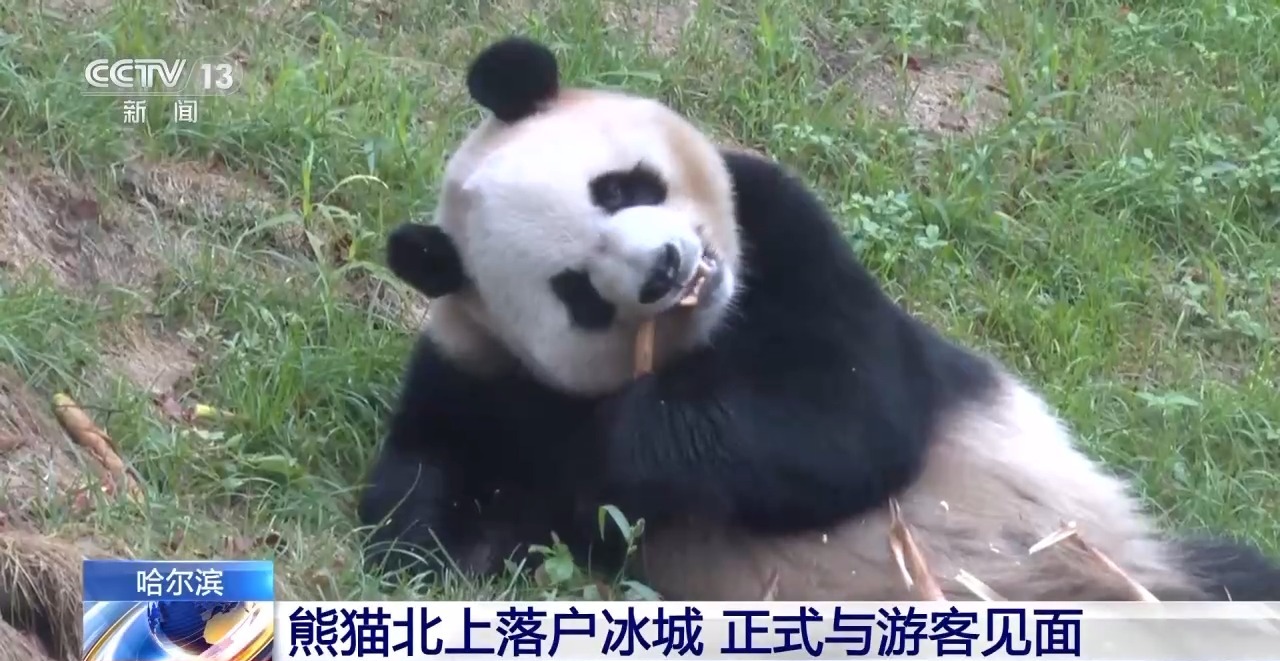
冰城迎萌主 大熊猫“芝士”“芝麻”正式营业啦
Yang Shi Wang· 2025-08-23 16:45
Group 1 - The Harbin Sun Island Panda Pavilion officially opened on the 23rd, showcasing the twin pandas "Cheese" and "Sesame" to the public [1][2] - "Cheese" and "Sesame" are 8 years old, representing the "young adult" stage of giant pandas, with distinct physical characteristics [2][4] - The pandas are lively and enjoy climbing trees and playing in water, indicating their active nature [4] Group 2 - To address the local bamboo supply issue, the Sun Island Scenic Area established a stable air transport supply chain for bamboo shoots and incorporated additional food according to the Chengdu base's formula [6] - A professional team, including dedicated caretakers and veterinarians, has been formed to oversee the daily care and health of the pandas [6] - The Sun Island Panda Pavilion has been designed to simulate the pandas' natural habitat, ensuring a comfortable living environment [7][8] Group 3 - The pavilion incorporates a "habitat replication" design concept, taking into account Harbin's temperate continental monsoon climate to create a suitable environment for the pandas [8] - An air circulation and filtration system has been implemented to maintain air quality, while lighting conditions are controlled to mimic natural sunlight and moonlight, reducing stress on the pandas [10] - These measures have created a comprehensive environmental control system, verified by experts from the National Forestry and Grassland Administration, to ensure the pandas' comfort in Harbin's cold climate [10]