氢燃料电池汽车

Search documents
市市场监管局局长:推行非现场监管让企业安心经营
Xin Jing Bao· 2026-01-27 02:45
Core Viewpoint - Beijing is enhancing its business environment through innovative regulatory measures and services, aiming to improve the quality of life for citizens and support economic development [1][2][3]. Group 1: Market Regulation Achievements - During the "14th Five-Year" period, Beijing's market regulation has focused on supporting the capital's "four centers" (political, cultural, international exchange, and technological innovation) and has achieved significant progress [2][3]. - The city has implemented a "zero accident" safety standard during major events like the Winter Olympics and has established 21 high-level technical platforms to support technological innovation [2][3]. - The introduction of a "no-contact" foreign enterprise registration model has significantly improved the convenience for foreign investments in Beijing [2][3]. Group 2: Future Plans for "15th Five-Year" Period - The goal for the "15th Five-Year" period is to establish a modern market regulation system by 2030 that aligns with the capital's functions, focusing on legal completeness, digital empowerment, and multi-party governance [3][6]. - The city aims to continue optimizing market access and exit mechanisms to enhance the competitiveness and efficiency of "Beijing services" [3][6]. Group 3: Innovations in Business Environment - The successful establishment of coffee shops in subway stations, previously a regulatory challenge, exemplifies the city's commitment to improving the business environment and meeting public demand [4]. - The integration of robotic chefs into the market is supported by regulatory services that ensure compliance, enhancing consumer experiences and promoting the integration of culture, commerce, and tourism [4]. Group 4: Economic Growth Metrics - By 2025, Beijing is projected to have 380,100 new business entities, with 321,000 new enterprises, of which 47.49% will be technology-based [5]. - The total number of business entities in Beijing is expected to reach 2,869,700 by the end of 2025, reflecting a year-on-year growth of 6.83% [5]. Group 5: Regulatory Innovations in Healthcare - Beijing has established a green channel for the urgent import of life-saving drugs, significantly improving the speed of drug availability for patients [8][9]. - The city has optimized the clinical trial approval process for innovative drugs, reducing the approval time from 60 to 30 working days, with some projects approved in as little as 18 working days [9]. Group 6: Comprehensive Regulatory Reform - The "integrated comprehensive regulatory reform" aims to streamline inspections and reduce the burden on businesses, shifting the focus from "fear of inspections" to "expectation of services" [10][11]. - The implementation of non-contact inspections and the "one-time check" reform has improved regulatory efficiency and reduced disruptions to business operations [11]. Group 7: Consumer Protection in E-commerce - The rise of live-streaming sales has prompted the market regulation department to enhance compliance guidance and address issues like false marketing and competition [12]. - The department has successfully tackled the issue of "professional bullet screeners," setting a precedent for regulatory innovation in the e-commerce sector [12]. Group 8: Food Safety Initiatives - Beijing is committed to ensuring food safety by implementing real-time verification of food vendors on delivery platforms and enhancing traceability in food supply chains [13][14]. - The city plans to expand the use of digital identification for food products, making food safety a standard practice and reinforcing public trust [13][14].
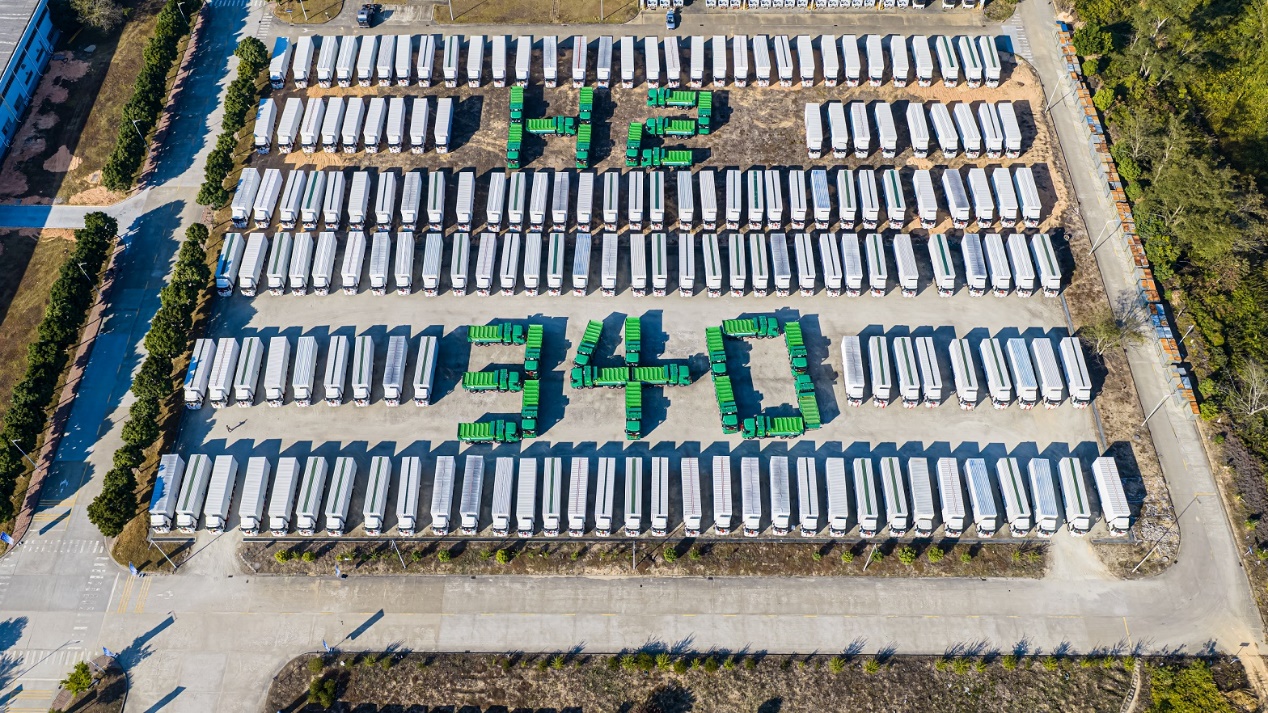
聚力湾区,氢创未来——广汽领程340台氢燃料电池汽车交付仪式成功举行
Zhong Guo Qi Che Bao Wang· 2026-01-11 05:39
Core Viewpoint - GAC Aion has made significant strides in the commercialization of hydrogen fuel cell vehicles, marking a milestone with the delivery of 340 units, which aligns with national carbon neutrality goals and the development of the hydrogen energy industry [1][3][5]. Group 1: Company Initiatives - GAC Aion is actively implementing national and local strategies for hydrogen energy development, focusing on the research, production, and commercialization of hydrogen fuel cell vehicles [3][5]. - The company has introduced a series of hydrogen fuel cell vehicles, including dump trucks, box trucks, refrigerated trucks, and sanitation vehicles, targeting high-frequency urban applications [3][5]. - GAC Aion aims to enhance its role as a core member of the hydrogen energy industry innovation consortium in Guangzhou, integrating resources across the supply chain to build a robust hydrogen energy ecosystem [5][9]. Group 2: Industry Impact - The mass delivery of hydrogen fuel cell vehicles is expected to accelerate the construction of a green and low-carbon transportation system in the Guangdong-Hong Kong-Macao Greater Bay Area [5][9]. - GAC Aion's initiatives are positioned to promote the large-scale implementation and commercialization of hydrogen fuel cell vehicles in logistics and municipal services, showcasing the company's commitment to industry leadership [5][9][10]. - The company is committed to innovation and collaboration within the hydrogen energy ecosystem, focusing on standard-setting, business model exploration, and demonstration operations to support the healthy and rapid development of the hydrogen fuel cell vehicle industry [10].

中国氢燃料电池汽车产业化发展战略研讨会合肥召开
Zhong Guo Qi Che Bao Wang· 2025-12-24 07:02
Core Viewpoint - The sustainability of hydrogen fuel cell promotion subsidies is a crucial factor influencing the development of China's hydrogen fuel cell industry during the "14th Five-Year Plan" period [2] Group 1: Industry Development - The hydrogen fuel cell vehicle industry in China has made significant progress during the "14th Five-Year Plan," with notable advancements in technology and infrastructure [3] - The current hydrogen fuel cell vehicle ownership in China is approximately 32,000 units, with 500 hydrogen refueling stations established [4] - By 2035, the expected ownership of fuel cell vehicles is projected to reach 1 million units, with heavy-duty trucks being a key application area [4] Group 2: Challenges and Opportunities - The hydrogen fuel cell vehicle industry faces several challenges, including high production costs, uneven infrastructure development, and the need for improved public awareness and policy frameworks [3][4] - The manufacturing cost of green hydrogen is decreasing, but the purchase and operational costs of fuel cell vehicles remain high, necessitating optimization [3] - The industry requires collaborative efforts across the supply chain to address key technical bottlenecks and reduce costs [7] Group 3: Policy and Strategic Recommendations - Central government should lead strategic planning and improve the hydrogen fuel cell vehicle industry layout, while local governments should support pilot projects and technology development [5] - There is a need for a comprehensive management organization and a robust standard system for hydrogen energy [5] - Companies should focus on technological innovation and cost reduction while collaborating with international firms to enhance their development [5][6] Group 4: Market Trends and Future Outlook - The market for hydrogen fuel cell vehicles is expected to expand significantly, driven by government support and decreasing costs across the supply chain [7][8] - By 2025, global fuel cell vehicle sales are projected to exceed 100,000 units, with China contributing over 30% of the market share [8] - The industry is moving towards a more integrated business model that combines vehicles, refueling stations, and hydrogen supply to lower entry barriers for customers [7]

《中国氢燃料电池汽车产业发展报告(2025)》发布
Zhong Guo Qi Che Bao Wang· 2025-12-23 08:35
Core Viewpoint - The development of hydrogen fuel cell vehicles has become a global consensus, seen as a key technology for optimizing energy consumption and promoting energy transition in the automotive industry [3][4]. Group 1: Strategic Importance - The hydrogen fuel cell vehicle industry is strategically valuable for optimizing energy structure, reducing reliance on fossil fuels, and enhancing energy security [4]. - It can drive the growth of the national economy by creating new economic growth points and promoting low-carbon transportation [4]. - Hydrogen fuel cell vehicles are considered essential for achieving carbon neutrality, serving as a critical tool for zero-carbon transportation [4]. Group 2: Current Development Stage - China's hydrogen fuel cell vehicle industry has entered a preliminary planning and development stage, supported by various national policies aimed at promoting coordinated development [5]. - The application of hydrogen fuel cell vehicles is accelerating, particularly in transportation and logistics, with some regions already conducting large-scale demonstration operations [5]. - Key technological advancements are being made in fuel cell systems, including improvements in power density and low-temperature start capabilities [5]. Group 3: Recommendations for Development - The report suggests five areas for continued focus: industrial policy, full industry chain technology, product quality performance, application promotion, and infrastructure development [6]. - It emphasizes the need for optimized industrial policies and increased support for hydrogen fuel cell vehicle development, drawing lessons from past electric vehicle promotion strategies [7]. - There is a call for innovation in the entire industry chain technology, including establishing key national research projects and enhancing supply chain autonomy [7]. Group 4: Product Quality and Market Expansion - Enhancing product quality and performance is crucial, with a focus on increasing the localization rate of key components to reduce production costs [8]. - The report advocates for a dual approach to promoting commercial and passenger hydrogen fuel cell vehicles to expand market scale [8]. - Strengthening infrastructure is essential, including reducing green hydrogen production costs and promoting the construction of hydrogen refueling stations [8].

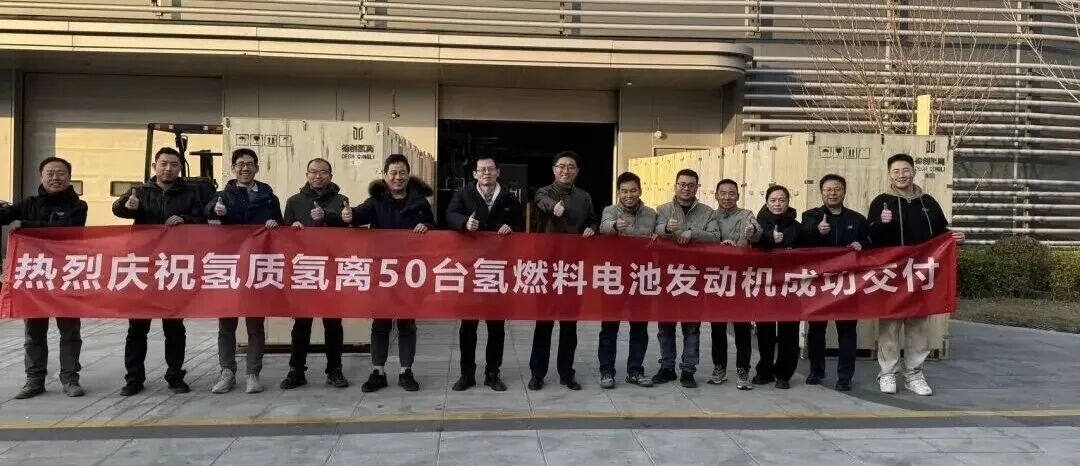
氢质氢离交付质子汽车50台215KW氢能重卡燃料电池发动机
Xin Lang Cai Jing· 2025-12-05 12:48
Core Insights - Hydrogen Zhi Li (Beijing) Hydrogen Energy Technology Co., Ltd. and Proton Automotive Technology Co., Ltd. have successfully delivered 50 units of 215KW high-power hydrogen fuel cell engines, which will be used in Proton's 49-ton hydrogen fuel cell heavy trucks, set to operate in early 2026, primarily for short-haul transportation in Shaanxi province [1][5] - This delivery marks a significant milestone in the collaboration between the two companies, indicating a breakthrough in the large-scale application of hydrogen energy in heavy-duty trucks, contributing to the green and low-carbon transformation of regional transportation [1][5] Technology and Innovation - The 215kW high-power fuel cell system developed by Hydrogen Zhi Li employs an integrated technology route featuring "high-power stacks + high system efficiency + low parasitic power architecture," optimizing the MEA to enhance power density and integrating low parasitic power hydrogen/air subsystems [3][7] - The fuel cell system achieves an efficiency of ≥45% and a vehicle warranty of 400,000 kilometers, suitable for 49-ton heavy truck models, covering inter-provincial logistics transportation scenarios with a single trip range of 300-500 km and a quick refueling time of 15 minutes [3][7] - This technology overcomes the application bottleneck of high-power fuel cells in heavy-duty truck scenarios, supporting the logistics industry's dual carbon goals and advancing fuel cell technology towards higher power and reliability, providing essential technical support for the electrification of commercial vehicles [3][7] Future Directions - Hydrogen Zhi Li aims to continue driving technological innovation and collaborate with industry partners to promote the large-scale application of hydrogen fuel cell vehicles in various scenarios, including trunk logistics, urban distribution, and port short-haul operations, contributing to the establishment of a clean and low-carbon energy system and supporting urban and regional green development [3][7]
2025年诺贝尔化学奖揭秘!能使氢燃料电池汽车续航超千公里的“魔法”
Zhong Guo Qi Che Bao Wang· 2025-10-10 08:38
Core Insights - The Nobel Prize in Chemistry for 2025 has been awarded to researchers for their pioneering work on Metal-Organic Frameworks (MOFs), which have significant implications for hydrogen fuel cell vehicles and gas separation technologies [1][2]. Group 1: MOFs and Their Applications - MOFs are capable of efficiently separating, recovering, and storing gases, with a surface area equivalent to a football field per gram, making them highly effective for specific molecular adsorption [2][3]. - The unique structure of MOFs allows for precise control over their pore size and chemical properties, enabling high-efficiency adsorption, separation, and catalysis [3]. - The development of MOFs could lead to significant advancements in decarbonization efforts by enabling the capture and recovery of CO2 from industrial emissions and the atmosphere [2][8]. Group 2: Hydrogen Fuel Cell Vehicles - MOFs present a revolutionary solution for hydrogen storage, overcoming challenges faced by traditional high-pressure and liquid hydrogen storage methods [6][7]. - The ZIF-1000 material developed by Omar Yaghi's team demonstrates a hydrogen storage density 180% higher than traditional methods, potentially increasing the range of hydrogen fuel cell vehicles from 500 kilometers to over 1200 kilometers [7][8]. - The commercialization of MOFs could transform the hydrogen fuel cell vehicle market, making them as convenient as traditional gasoline vehicles, with zero emissions and rapid refueling times [8][9]. Group 3: Industry Implications - The successful industrial application of MOFs could lead to a paradigm shift in long-distance transportation, with hydrogen fuel cell trucks and buses replacing traditional fuel vehicles [8][9]. - Major automotive companies like Toyota and Hyundai are already exploring the commercial potential of MOFs in hydrogen fuel cell systems, indicating a strong industry interest [8][9]. - MOFs also have potential applications beyond hydrogen fuel cells, including in battery thermal management for electric vehicles, highlighting their versatility as a revolutionary material [9].

行业热盼氢燃料汽车接续政策
Zhong Guo Qi Che Bao Wang· 2025-10-09 02:08
Core Insights - The hydrogen fuel cell vehicle industry in China is facing significant challenges, with production numbers remaining low compared to electric vehicles, prompting questions about the future of fuel cell development [2][4][6] - Recent policy support has weakened, leading to a reduction in the promotion of hydrogen fuel vehicles, with the number of vehicles promoted halving compared to the previous year [3][5][7] - The industry has made substantial technological advancements, achieving a domestic production rate of over 90% for key components, and reducing system costs significantly [4][8] Policy and Support - The initial round of subsidies for fuel cell vehicle demonstration cities is set to expire, raising concerns about the sustainability of the industry without continued support [7][9] - There is a strong call from industry leaders for the government to introduce new policies to support the hydrogen fuel cell vehicle sector, emphasizing the need for a coordinated national approach [6][10] - The current market dynamics show a stark contrast between the growth of lithium battery vehicles and the stagnation of fuel cell vehicles, highlighting the need for targeted policy interventions [6][9] Industry Challenges - The hydrogen fuel cell vehicle market is still in its infancy, with economic viability and market competitiveness being major concerns [5][8] - Key technical challenges remain, including the performance of fuel cell hardware and the high costs associated with hydrogen production and storage [5][10] - The lack of infrastructure, such as hydrogen refueling stations, is a significant barrier to widespread adoption [6][10] Future Outlook - The market for hydrogen fuel cell vehicles is expected to grow, with projections indicating sales could exceed 10,000 units by 2025 and reach a million by 2035 [9][11] - Industry experts advocate for the establishment of a second phase of demonstration projects to further develop the market and address existing challenges [11] - There is a consensus on the importance of integrating hydrogen fuel cell technology with existing energy systems to enhance overall efficiency and sustainability [10][11]

氢燃料电池汽车市场化之路遭遇瓶颈
Zhong Guo Chan Ye Jing Ji Xin Xi Wang· 2025-09-03 23:36
Core Insights - The production and sales of hydrogen fuel cell vehicles in China have significantly declined in June, with production down 81.5% year-on-year and sales down 76.4% [1] - The cumulative production and sales for the first half of the year also show a decline of 47.2% and 46.8% respectively, indicating a pressing need for continued support in the market [1] Policy and Support - A four-year demonstration application project initiated by five government departments aims to support the development of hydrogen fuel cell vehicles through a "reward instead of subsidy" policy [2] - The project focuses on key technology industrialization and demonstration applications, with rewards allocated based on the completion of set goals by participating urban clusters [2] Achievements and Challenges - The demonstration project has led to significant achievements, including improved product performance, innovation in key components, and a substantial reduction in fuel cell costs [3] - Despite these advancements, the industry faces challenges such as market scale shrinkage post-demonstration and many companies operating at a loss, which could threaten their sustainability [4] Market Dynamics - The rapid development of electric vehicles in China is creating competitive pressure on hydrogen fuel cell vehicles, limiting their market space [4] - Current high costs of vehicle purchase and hydrogen refueling hinder the economic viability of hydrogen fuel cell vehicles compared to traditional fuel and electric vehicles [4] Future Directions - Continued support for hydrogen fuel cell vehicle demonstration applications is deemed essential for the industry's sustainable development [5][6] - Recommendations include initiating a second phase of the demonstration project with a focus on long-haul heavy commercial vehicles and expanding the scope of policy support to include various hydrogen-related technologies [6][7]
《氢燃料电池汽车运营大数据分析报告》发布,我国氢燃料电池汽车进入规模化、商业化发展新阶段
Zhong Guo Qi Che Bao Wang· 2025-08-26 06:21
Core Insights - The hydrogen fuel cell vehicle industry in China has entered a new stage of large-scale and commercial development, as indicated by the recent report from the China Automotive Technology and Research Center [1] Industry Development - The fuel cell vehicle industry has achieved a breakthrough from 0 to 1, moving past the technological and economic inflection point, and is now in a critical phase of rapid scaling [2] - Key initiatives since 2009, including demonstration projects and the establishment of hydrogen highways, have significantly promoted the industry's large-scale development [2] - Policies such as toll fee exemptions for hydrogen highways in 10 provinces and 4 cities have further accelerated the development of hydrogen infrastructure [2] Operational Data - The "Hydrogen Vehicle Journey" initiative has demonstrated that fuel cell systems can meet highway operational demands, although some reliance on battery compensation is necessary during acceleration [3] - Actual hydrogen refueling range is approximately 68% of theoretical values, with refueling taking about 12 minutes on average [3] - Over 70% of hydrogen used in vehicles comes from industrial by-products, with the average refueling cost around 30.42 yuan, where production costs account for over half [3] Safety and Reliability - 67% of vehicles scored above 95 in safety reliability, indicating a generally high level of operational safety [3] - Data quality issues have been identified as a primary reason for lower safety reliability scores [3] Economic Viability - The operational costs of fuel cell vehicles are beginning to approach those of traditional fuel vehicles, with specific models showing lower costs per kilometer [5][6] - The "Yun Tao" model and "Yu Tong" model have demonstrated successful commercial applications with competitive operational costs compared to fuel vehicles [5][6] Future Outlook - The successful operation of fuel cell vehicles indicates a need for collaborative efforts among local governments, industry leaders, and application scenarios to establish viable business models [7] - Future growth in the hydrogen fuel cell vehicle market will require clear national policies, expansion of hydrogen application scenarios, and improved supply chain systems [7]
2025年中国氢燃料电池汽车市场预测
势银能链· 2025-08-25 04:04
Core Viewpoint - The hydrogen fuel cell vehicle market in China is experiencing a significant downturn, with a 50% year-on-year decrease in sales during the first seven months of 2025, indicating a deep adjustment period for the industry [3]. Market Status Analysis - In the first half of 2025, the market showed dual characteristics of "weakened policy drive" and "prominent structural contradictions" [3]. - From January to July 2025, only 2,318 hydrogen fuel cell vehicles were registered, down from 3,476 in the same period of 2024 [3]. - Cumulatively, 30,565 hydrogen vehicles have been promoted since 2017, with an actual retention of 24,582 vehicles, considering a five-year warranty period [3]. - Among the promoted vehicles, approximately 17,433 were in demonstration city clusters, accounting for 70.9% of the total [3]. Demonstration City Cluster Market Forecast - **Beijing-Tianjin-Hebei Cluster**: Target of 5,300 vehicles, with a theoretical completion rate exceeding 100%. Growth in major cities was limited to 368 vehicles from January to July 2025 [6]. - **Shanghai Cluster**: Target of 5,000 vehicles, with a completion rate of 90.4%. Major cities saw a growth of 101 vehicles in the same period [7]. - **Guangdong Cluster**: Target of 10,000 vehicles, with a completion rate of only 28.1%. The region faces challenges such as provincial coordination and hydrogen source shortages [8]. - **Hebei Cluster**: Target of 7,710 vehicles, with a completion rate of 61.9%. Major cities saw a growth of 100 vehicles [9]. - **Henan Cluster**: Target of 5,000 vehicles, with a completion rate of 69.4%. Major city Zhengzhou saw a growth of 122 vehicles [10]. 2025 Market Forecast Breakdown - **Five Major Demonstration City Clusters**: Expected to deliver 5,095 vehicles based on completion rates [12]. - **Newly Added Six Cities**: Expected to deliver 2,500 vehicles, assuming a 50% completion rate [12]. - **Non-Demonstration Cities**: Expected to deliver between 1,500 to 2,000 vehicles, with Chengdu projected to contribute 1,000 vehicles in 2025 [12]. Enterprise Market Forecast Breakdown - Leading domestic system enterprises are expected to deliver over 8,500 vehicles, with specific plans from various companies: - Guohua Technology: 2,000 vehicles - Dongfang Hydrogen: 800 vehicles - Weishi Energy: 800 vehicles - Yuntai and Hyundai: nearly 1,000 vehicles each - Huafeng: 500 vehicles - Reshaping Guohong: 1,500 vehicles from three established companies [14]. Overall Market Forecast for 2025 - **Conservative Scenario**: Less than 6,500 vehicles due to ongoing local financial constraints and unresolved structural contradictions [15]. - **Neutral Scenario**: 7,000 to 8,000 vehicles with normal progress in existing city clusters and new city contributions [15]. - **Aggressive Scenario**: More than 10,000 vehicles if policies are extended and Guangdong performs better than expected [15]. - The market performance may fluctuate by ±40% due to policy adjustments, with Guangdong's progress being a critical variable [15].