
生物医药

Search documents
疫苗ETF(159643)连续2日资金净流入超1.2亿元,政策支持医药行业行稳致远
Mei Ri Jing Ji Xin Wen· 2026-01-28 06:25
Core Viewpoint - The joint issuance of the "Opinions on Promoting High-Quality Development of the Pharmaceutical Retail Industry" by nine departments, including the Ministry of Commerce, aims to transform the industry from a "single drug sales" model to a "health service" model, focusing on four dimensions: transformation, payment, supply, and integration [1] Group 1: Industry Development Framework - The policy encourages mergers, acquisitions, and horizontal consolidation, which is expected to accelerate the clearance of individual pharmacies and enhance industry concentration [1] - Measures such as equal treatment for basic medical institutions and family pooling of individual medical accounts will further support this transformation [1] Group 2: Prescription and Service Optimization - The optimization of external prescription reviews aims to eliminate bottlenecks in offline pharmacy prescriptions, allowing companies to establish their own pharmaceutical service platforms, which will facilitate prescription outflow and market expansion [1] - Retail pharmacies are encouraged to broaden their operational scope to include health consultations, traditional Chinese medicine culture, elderly care, and convenient retail services, thereby creating a comprehensive health service entity [1] Group 3: Vaccine ETF Overview - The Vaccine ETF (159643) tracks the Vaccine Biotechnology Index (980015), which selects listed company securities involved in bioproducts and medical research to reflect the overall performance of vaccine-related listed companies in the biopharmaceutical industry [1]
旺山旺水-B回落近7% 昨日受尼帕疫情催化大涨近11%
Zhi Tong Cai Jing· 2026-01-28 06:11
Group 1 - The stock of Wangshan Wangshui-B (02630) experienced a decline of nearly 7% after a previous increase of nearly 11%, currently trading at 101.4 HKD with a transaction volume of 11.0993 million HKD [1] - A significant research finding was published by the Wuhan Institute of Virology, confirming that the oral nucleoside drug VV116 has notable antiviral activity against the Nipah virus, providing new hope for the prevention and treatment of this highly lethal emerging infectious disease [1] - VV116, developed by Wangshan Wangshui, is an oral nucleoside drug with broad-spectrum antiviral potential, already approved for use against SARS-CoV-2 in China and Uzbekistan under the brand names Mindwei and Mindvy respectively [1] Group 2 - Industry expert Li Changcheng analyzed that if the efficacy of the drug against the Nipah virus is confirmed, pharmaceutical companies may expand the drug's usage, leading to greater commercial benefits, as extending indications on existing drugs incurs the lowest costs and highest returns [2] - It is noted that while there is theoretical support for nucleoside drugs inhibiting the Nipah virus, the effectiveness against the current Indian strain of the virus requires clinical validation [2]
2026北京两会丨对话市政协委员赵燕:AI不只是赋能生物制造,更是产业逻辑的重塑
Bei Jing Shang Bao· 2026-01-28 05:20
Core Viewpoint - Huaxi Bio, a leading company in the biomanufacturing sector, emphasizes the importance of innovation and collaboration among research institutions, enterprises, and government to drive the development of the biomanufacturing industry and achieve market transformation [3][8]. Industry Insights - The competition in the hyaluronic acid market is intensifying, with a focus on technological accumulation and long-term development paths among leading companies [3]. - The industry is shifting from a focus on single products to systemic solutions, highlighting the need for creativity and responsible marketing practices [6]. - The current market is characterized by a lack of innovation, with many companies resorting to imitation rather than developing unique solutions [6]. Talent Development - The biomanufacturing sector requires talent with interdisciplinary knowledge, including biology, engineering, AI, and bioinformatics, to meet the demands of future industry growth [7]. - Attracting creative and self-driven talent in synthetic biology is essential, necessitating a collaborative effort from government, enterprises, and individuals [7]. Policy and Government Role - Beijing has implemented policies to accelerate the innovation and market transformation of the synthetic biology manufacturing industry, demonstrating a strong governmental commitment [8]. - Local initiatives, such as those in Changping District, aim to attract relevant enterprises and talent, creating a multi-layered support system for the industry [8]. Market Transformation Challenges - The main challenge for innovative companies is the effective market transformation of new products, often hindered by strict intellectual property protection and insufficient collaboration mechanisms with research institutions [9]. - A call for government intervention to establish rules and standards for better cooperation between researchers and enterprises is emphasized, aiming to increase the current low conversion rate of research outcomes [9]. AI's Impact on Biomanufacturing - AI is becoming a foundational capability in the biomanufacturing and biotechnology sectors, with companies needing to embrace AI to survive and thrive [10]. - The integration of AI is expected to reshape business logic and organizational structures, potentially leading to exponential growth in the industry [11]. - AI has the potential to bridge the gap between China and developed countries in the biotechnology field, facilitating innovation and enhancing data-driven decision-making [11].


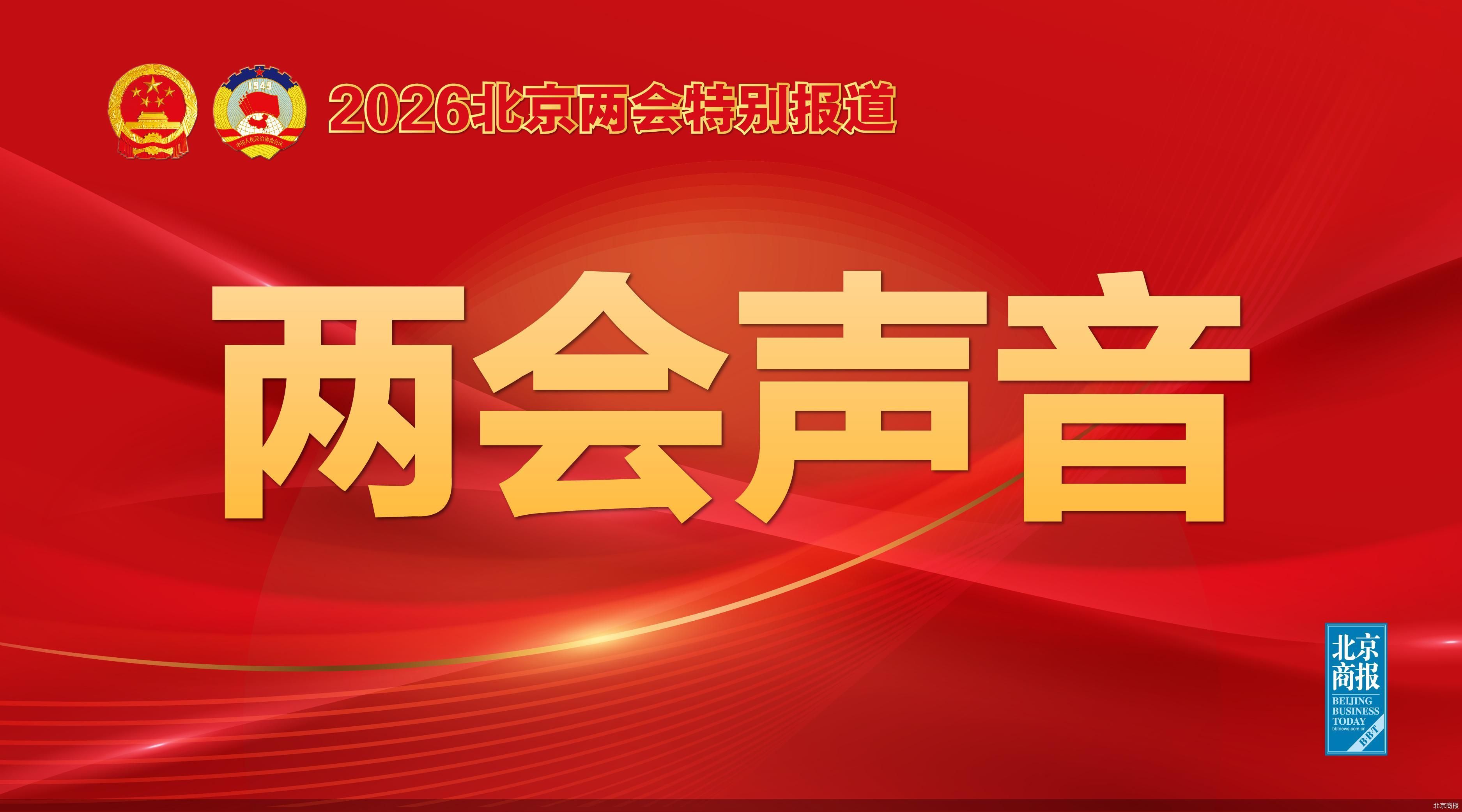
地方两会图景:从政府报告里看甘肃开局之年高质量发展
Zhong Guo Fa Zhan Wang· 2026-01-28 04:00
Core Viewpoint - Gansu Province aims for high-quality development in 2026, setting a GDP growth target of approximately 5.5% and ensuring grain production remains above 13 million tons, while focusing on ecological governance and public welfare projects [1][3]. Economic Development - Gansu will enhance traditional industries such as non-ferrous metallurgy, petrochemicals, and equipment manufacturing, while also fostering new sectors like data centers, biomedicine, and commercial aerospace [3]. - Investment and consumption will be key drivers, with significant infrastructure projects including multiple railway constructions and airport developments planned [3]. Cultural and Tourism Development - Gansu will leverage its historical and natural resources to enhance cultural heritage protection and promote deep integration of culture and tourism, aiming for a year-round development model [4]. Regional Coordination - Lanzhou is positioned as a core city to drive technological innovation and industrial renewal, with the "Lan-Bai" economic circle expected to stimulate growth in surrounding areas [5]. - The Hexi Corridor economic belt will focus on green growth through renewable energy and modern agriculture, while the southeastern region will emphasize industrial and cultural tourism [5][6]. Ecological Protection - Gansu will prioritize ecological protection, with ongoing efforts in the Qilian Mountains and key ecological projects, aiming to complete 12.65 million acres of land greening [7]. - The government has outlined ten public welfare projects for 2026, including educational support and healthcare initiatives, to improve the quality of life for residents [7][8].
火力全开!2026开年泰康平安新华等超10亿险资南下,狂扫港股AI、生物医药IPO
Sou Hu Cai Jing· 2026-01-28 03:33
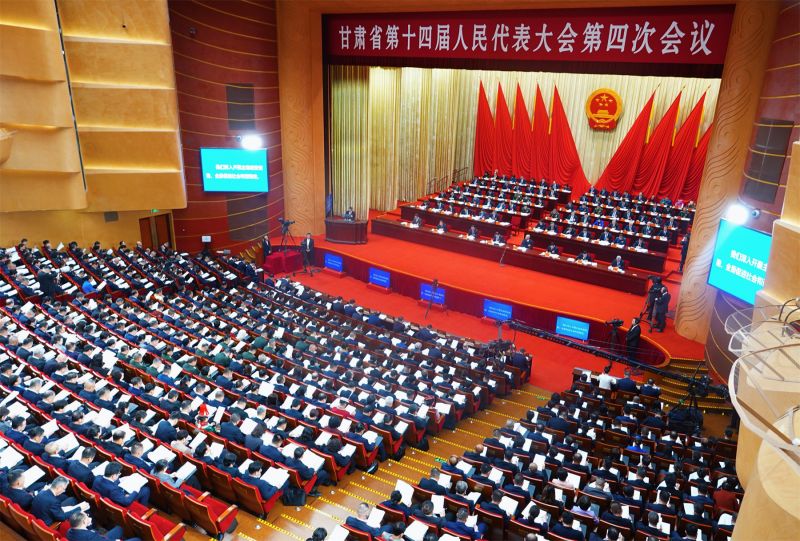
Core Viewpoint - Insurance capital is increasingly participating in cornerstone investments in Hong Kong IPOs, signaling strong market confidence, with significant investments from major insurance companies like Taikang Life and Ping An Life [1][3][4]. Group 1: Investment Trends - In early 2026, four insurance companies participated in eight Hong Kong IPO cornerstone investments, with Taikang Life investing $10 million in the IPO of Mingming Hen Mang [1]. - From 2025 to early 2026, seven insurance institutions participated as cornerstone investors in 20 Hong Kong IPOs, with a total subscription amount of HKD 4.679 billion [1][4]. - The average return for Hong Kong IPOs in 2025 was 38%, with the first-day price drop rate at a five-year low of 23.08% [6][10]. Group 2: Challenges Faced - Insurance companies face challenges in accessing IPO projects due to high entry barriers and the need for strong cross-market research capabilities [2][15]. - The balance between high return potential and net asset value volatility is a significant concern for insurance funds, which are generally risk-averse [2][15]. Group 3: Market Outlook - The IPO fundraising scale in Hong Kong is expected to remain strong in 2026, with insurance capital becoming a long-term force in the market [2][15][16]. - The cornerstone investment mechanism is seen as a key entry point for quality assets in the Hong Kong market, enhancing liquidity and valuation flexibility [2][16]. Group 4: Sector Focus - Insurance capital is focusing on sectors such as AI, biomedicine, and new consumer brands, with a notable interest in companies like MINIMAX and Ruibo Biotechnology [9][10]. - The investment strategy is shifting towards a more diversified valuation framework, moving beyond traditional profit metrics to include growth potential [10][11].
和众汇富研究手记:政策景气双轮驱动生物医药业绩飘红
Cai Fu Zai Xian· 2026-01-28 03:16
Core Insights - The A-share biopharmaceutical sector is experiencing a fundamental turning point, with over 90 companies disclosing 2025 earnings forecasts, 53 of which expect profitability, and 14 companies projecting net profit growth exceeding 100% [1][3] Policy Support - The 2025 medical insurance negotiations show a moderate trend, with an average price reduction of innovative drugs at only 14.5%, lower than market expectations, enhancing profitability stability for companies [3] - The new medical insurance directory for 2026 will include 114 new drugs, creating a collaborative payment system that addresses commercialization bottlenecks for innovative drugs [3] - The approval of innovative drugs reached 76 in 2025, a 58% year-on-year increase, supporting advancements in cutting-edge fields like AI drug development and ADC [3][4] Overseas Market Expansion - The global biopharmaceutical business development (BD) transaction volume reached $135.655 billion in 2025, with China surpassing the U.S. as the most active market [4] - Leading companies are achieving growth through overseas licensing and market expansion, with notable collaborations such as the one between 3SBio and Pfizer, generating approximately ¥2.89 billion in upfront revenue [4] Company Performance Highlights - Shanghai Yizhong is projected to see a net profit increase of 760.18% to ¥903.54 million due to its core product being included in the medical insurance [5] - WuXi AppTec is expected to report a net profit of ¥19.151 billion, a 102.65% increase, driven by its integrated CRDMO model [4][5] - Tonghua Dongbao's international strategy is yielding results, with insulin products approved in five emerging markets, contributing significantly to revenue growth [4] Financial and Market Trends - The biopharmaceutical sector is currently in a phase of policy, valuation, and fundamental turning points, attracting public and northbound capital investments [6] - The encouragement of mergers and acquisitions in the biopharmaceutical sector by the State-owned Assets Supervision and Administration Commission is expected to enhance industry concentration [6] - The sector is poised for continued high growth, driven by ongoing policy support, expanding overseas demand, and technological innovations [6]

港股开盘 | 恒指高开0.73% 贵金属走强 赤峰黄金(06693)涨超4%
智通财经网· 2026-01-28 01:35
Group 1 - The Hang Seng Index opened up 0.73% and the Hang Seng Tech Index rose by 0.56%, indicating a positive market sentiment at the beginning of the year [1] - The precious metals sector showed strong performance, with Zijin Mining rising over 2% and Chifeng Jilong Gold Mining increasing by over 4% [1] - The biopharmaceutical sector also performed well, with CanSino Biologics increasing by over 3%, and Longi Green Energy saw a significant rise of over 14% [1] Group 2 - According to China Merchants International, the Hong Kong stock market is currently in an earnings vacuum period, with high growth expectations for new economy sectors boosting market confidence [2] - The appreciation of the Renminbi is favorable for Hong Kong stocks, and domestic policies focusing on technological innovation and expanding domestic demand are expected to positively influence the market [2] - The market is gradually forming a complete AI industry chain listing system, attracting capital and alleviating IPO fundraising pressure [2] - The first two months of the year will see a reduction in the scale of lock-up releases, easing selling pressure [2] - The combination of early-year profit switching and valuation switching is expected to lead to a "spring rally," favoring growth styles [2] Group 3 - According to Fuguo Fund, the Hong Kong market is likely to maintain a volatile consolidation pattern, driven by global trade tensions, the Federal Reserve's monetary policy, and the strength of domestic economic recovery [2] - Huatai Securities believes that a continued rebound in the Hong Kong market is expected in the first quarter, focusing on space while downplaying slope [2] - Key sectors to watch include the AI chain (semiconductors, software) and innovative pharmaceuticals, with a recommendation to gradually accumulate quality consumer leaders and overweight cyclical and upstream power sectors [2] Group 4 - Zheshang International is optimistic about sectors benefiting from policy support, such as new energy, innovative pharmaceuticals, and AI technology [2] - The company also highlights the stability of performance and stock price trends in undervalued state-owned enterprises benefiting from policy support, as well as local Hong Kong banks, telecommunications, and public utility dividend stocks that are relatively independent of the economic cycle [2] - The performance of the Hong Kong stock market in spring 2026 is expected to be driven by "AI applications + PPI improvement + expanded domestic demand," with a recommendation to focus on related quality targets [2]

破解医药研发九死一生困局!省人大代表李小军:建立容错机制
Nan Fang Du Shi Bao· 2026-01-28 01:24
Core Viewpoint - The Guangdong Provincial People's Congress is focusing on "unbinding" the biopharmaceutical industry to effectively stimulate new productive forces in the sector [2] Group 1: Innovation Assessment Mechanism - The company suggests utilizing big data and AI technologies to explore a market-matching valuation mechanism for assessing innovative pharmaceutical research and development projects [2][4] - A comprehensive evaluation guideline for different stages of biopharmaceutical research projects is recommended, along with a dynamic adjustment mechanism for asset valuation based on emerging technologies and market changes [4] Group 2: Talent Recruitment Mechanism - The company proposes establishing offshore talent recruitment stations in global pharmaceutical hubs to attract top-tier talent, including Nobel laureates and leading scientists [5] - A market-oriented evaluation approach is suggested to give companies greater autonomy in talent assessment, linking individual growth with the long-term development of Guangdong's biopharmaceutical industry [5] Group 3: Error Tolerance Mechanism - The establishment of a systematic error tolerance mechanism at the provincial level is recommended to encourage innovation in the biopharmaceutical sector, which is characterized by high investment, long cycles, and high risks [8][9] - Specific measures include defining tolerable and intolerable errors, setting loss tolerance gradients based on company development stages, and enhancing assessment weights for research investment during strategic transitions [8][9] Group 4: Financial Support for Innovation - The company suggests setting up a provincial innovation risk compensation fund to provide subsidies for failed R&D projects and support banks in offering credit to companies with error tolerance records [9] - A commitment of 10-15 billion yuan for R&D during the 14th Five-Year Plan period has been announced, with over 200 ongoing projects in various therapeutic areas [9]
600亿+美元涌入、2000+次出手,2025全球医疗健康投融资报告出炉
3 6 Ke· 2026-01-28 00:43
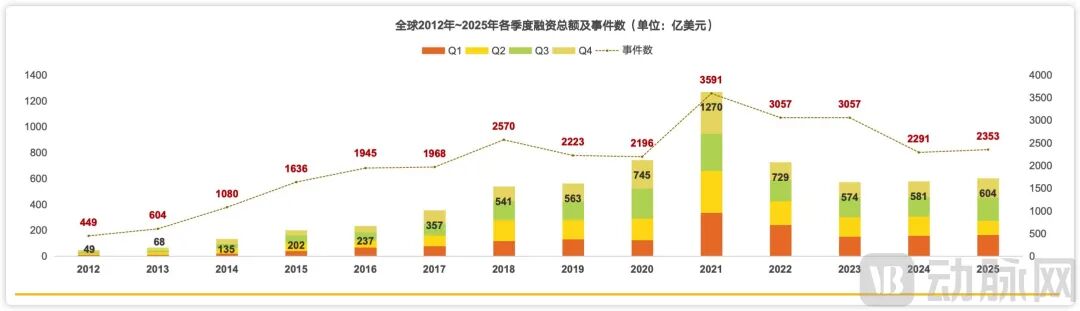
Core Insights - 2025 marks a turning point for the global healthcare investment landscape, with a slight increase in financing events and amounts, indicating a recovery from previous downturns [2][6][10] Financing Trends - In 2025, the global healthcare industry saw a total of 2,353 financing events, accumulating $60.4 billion, representing a 4% increase in total financing compared to 2024 [8][10] - The number of financing events increased by approximately 3% from 2024, signaling a gradual recovery in the primary market [6][10] - The number of financing events exceeding $100 million has risen for three consecutive years, reflecting a positive recovery trend [3][12] Sector Analysis - The integration of artificial intelligence (AI) into various subfields has sparked a new wave of healthcare infrastructure investment, making it the most watched sector in 2025 [4][19] - In China, the innovative drug sector (NewCo) has shown potential, leading the financing rankings, with 2026 expected to be a critical year for evaluating its innovation [4][26] - Financing trends indicate a clear differentiation based on technology maturity, with mature sectors showing moderate amounts and events, while emerging sectors have fewer events but higher amounts [4][19] Quarterly Insights - Financing activities in the healthcare sector tend to concentrate in specific quarters, particularly in Q1 and Q3, with significant growth observed in H2 of 2025 compared to H2 of 2024, showing a recovery momentum [8][10] Investment Institutions - Nearly 130 institutions made five or more investments in 2025, a nearly 50% increase year-on-year, indicating a shift towards concentrated capital allocation among top-tier institutions [1][36] - Qiming Venture Partners led with 37 investments, followed by General Catalyst and OrbiMed, highlighting a trend of increased activity among prominent investors [36][39] Popular Investment Areas - The financing landscape in 2025 was dominated by sectors such as biopharmaceuticals, medical devices, and digital health, with significant increases in investment amounts for medical devices and digital health [15][19] - The top financing events included companies like Shields Health Solutions and BVI Medical, showcasing a diverse range of healthcare innovations attracting substantial capital [21][30] Domestic Market Insights - In China, the healthcare sector experienced a 32% increase in total financing compared to 2024, with 861 financing transactions totaling approximately $9.6 billion [10][24] - The domestic market's recovery is characterized by a significant increase in financing amounts, particularly in the medical device sector, which saw a 61% increase despite a slight decrease in transaction numbers [10][24] Conclusion - The healthcare investment landscape in 2025 reflects a complex interplay of recovery, sectoral shifts, and the emergence of AI as a foundational technology, with significant implications for future investment strategies [40]
特宝生物拟募资15.33亿加码主业 研发成果兑现归母净利六年增50倍
Chang Jiang Shang Bao· 2026-01-28 00:34
Core Viewpoint - Teva Biopharma (688278.SH) plans to raise up to 1.533 billion yuan through convertible bonds to enhance its main business, focusing on new drug research and development, biotechnology innovation center construction, and innovative drug production expansion projects [1][2]. Group 1: Fundraising and Investment Plans - The total amount to be raised from the convertible bonds is capped at 1.533 billion yuan, which will be allocated to new drug R&D, biotechnology innovation center construction, and production expansion projects [2][3]. - This marks the first fundraising initiative since the company went public in January 2020, during which it raised 383 million yuan [2]. - The net proceeds from the fundraising will be used to enhance the company's R&D capabilities and expand its product pipeline, thereby strengthening its business scale and risk resilience [2][3]. Group 2: Company Performance and Growth - Teva Biopharma has shown robust performance, with revenue increasing approximately 5.3 times from 448 million yuan in 2018 to 2.817 billion yuan in 2024, and net profit rising over 50 times from 16 million yuan to 828 million yuan during the same period [6]. - In the first three quarters of 2025, the company achieved a revenue of 2.48 billion yuan, a year-on-year increase of 26.85%, and a net profit of 666 million yuan, up 20.21%, both setting historical records for the same period [6]. - The company's gross margin remains high at around 93%, indicating strong profitability [6]. Group 3: Research and Development Focus - Teva Biopharma is committed to R&D, with R&D expenses exceeding 10% of revenue in both 2023 and 2024, and a significant year-on-year increase of 44.48% in R&D expenses to 279 million yuan in the first three quarters of 2025 [1][5]. - The company has successfully developed three Class 1 new biological drugs and is actively pursuing innovative drug development in areas such as small nucleic acid drugs, antibody drugs, mRNA vaccines, and gene therapy [5][6]. - The planned investment in the new drug R&D project is 859 million yuan, focusing on expanding existing core product indications and accelerating the development of innovative drugs [3][4]. Group 4: Strategic Initiatives and Future Outlook - The biotechnology innovation center project aims to enhance the company's capabilities in product innovation, core technology R&D, and technology transfer, with a total investment of 471 million yuan [3]. - The production expansion project is expected to improve the production capacity of the drug Yipeisheng, addressing the growing market demand for treatments related to growth hormone deficiency [3][4]. - Teva Biopharma is also expanding its global footprint by acquiring assets from Skyline Therapeutics Limited, indicating a strategic move towards integrating cutting-edge technology resources [5].
