
软件与信息技术服务

Search documents
盘点企业数字化转型:业务部门的“扎心语录”
3 6 Ke· 2025-05-30 00:43
Core Viewpoint - The digital transformation of traditional enterprises is a challenging and lengthy process, often leading to conflicts between IT and business departments, characterized by misunderstandings and unmet expectations regarding system usability and requirements [1][12]. Group 1: System Usability Issues - Business departments frequently express dissatisfaction with new systems, often stating "the system is not usable," which reflects both genuine usability issues and resistance to change [1][2]. - Factors contributing to system usability problems include outdated software architecture, inadequate implementation capabilities, and a lack of willingness from business departments to adopt new systems due to fears of oversight and job security [1][2][3]. - Companies need to enhance their system selection processes and improve the implementation capabilities of IT departments to better align with the dynamic needs of business departments [2][4]. Group 2: Demand Gathering Challenges - During the digital demand survey, business departments often provide vague requirements, leading to a disconnect between what is needed and what is developed [3][4]. - The lack of digital literacy within business departments hampers their ability to articulate needs effectively, resulting in a reliance on IT to interpret requirements [4][5]. - Successful digital transformation requires a collaborative approach where IT, business departments, and software companies reach a consensus on requirements and implementation paths [5][6]. Group 3: Development and Implementation Issues - Internal development teams often face criticism for delivering subpar software, primarily due to a failure to fully understand and capture business needs [6][7]. - There is a tendency for business departments to assume that IT will inherently understand their needs, leading to misaligned expectations and dissatisfaction with the final product [6][7]. - IT departments must prioritize understanding business requirements and fostering empathy to create software that genuinely meets user needs [7][8]. Group 4: Increased Workload Post-Implementation - After the launch of digital systems, business departments often experience an increase in workload rather than the expected efficiency gains, which can lead to frustration [8][9]. - The initial increase in workload is attributed to the learning curve associated with new systems, data migration, and the need to adjust traditional workflows [8][9]. - Effective change management and support during the transition period are crucial for realizing the long-term benefits of digital systems [9][10]. Group 5: Autonomy of Business Departments - Business departments sometimes choose to bypass IT in digital initiatives due to perceived inefficiencies, leading to fragmented systems and increased risks [9][10]. - This autonomy can result in data silos, increased operational risks, and potential project failures due to a lack of technical expertise [10][11]. - A collaborative approach that integrates IT and business departments is essential to avoid pitfalls associated with isolated digital initiatives [10][11]. Group 6: System Management and Governance - The desire for business departments to take over system management stems from issues related to unclear responsibilities and the need for timely operations [11][12]. - Despite initial intentions, system management often reverts to IT due to the necessity of a cohesive governance structure [11][12]. - Engaging business departments in the entire process from demand gathering to system maintenance can foster a sense of ownership and improve overall system effectiveness [11][12].
品牌控价专业方法有哪些(渠道管控)
Sou Hu Cai Jing· 2025-05-29 11:46
Core Viewpoint - Brand price control is essential for maintaining a healthy channel ecosystem, preventing harmful price wars that erode dealer interests and brand value, while providing consumers with stable price expectations [1] Group 1: Digital Price Control Technologies - Digital traceability technology, such as blockchain, is being utilized for transparent management across all channels, allowing for real-time tracking of product flow from production to sale [3] - A specific case shows that a home appliance brand reduced cross-region price diversion by 67% within three months by implementing this technology, while also identifying three non-compliant dealers [3] - The integration of AI image recognition technology has improved efficiency in price monitoring by over 90% compared to traditional manual methods [3] Group 2: Dynamic Pricing Models - The "elastic price control system" proposed by a technology company uses big data modeling to achieve differentiated price management, categorizing dealers into strategic, growth, and potential types [5] - Strategic dealers are allowed a price adjustment range of 5%-8%, while new dealers must strictly adhere to the suggested prices, balancing channel interests and market flexibility [5] - A cosmetics brand that adopted this model saw a 42% increase in dealer retention and an 18% growth in average order value in e-commerce channels [5] Group 3: Legal Compliance and Data Empowerment - Effective price control requires a combination of legal deterrence and technical prevention, exemplified by a "price compliance toolkit" developed in collaboration with legal teams [6] - The toolkit includes guidelines for channel price management and standardized evidence collection processes, significantly reducing the time to address price violations from 45 days to 7 days [6] - A food company successfully resolved 23 cross-province price diversion cases, with 8 resulting in court-ordered compensation, highlighting the effectiveness of legal integration in price control [6] - A "red-yellow-blue" grading mechanism for dealers is established, where repeat offenders are blacklisted, ensuring a sustainable channel ecosystem [6] Group 4: Overall Industry Implications - Brand price control has evolved from simple price management to comprehensive ecosystem governance, emphasizing the need for a deep integration of technology, data insights, and legal enforcement to create a robust channel price management system [6]


GoldMine算力产品套件重磅首发 企业AI新生态开启民航智能新纪元
Zhong Guo Min Hang Wang· 2025-05-28 14:48
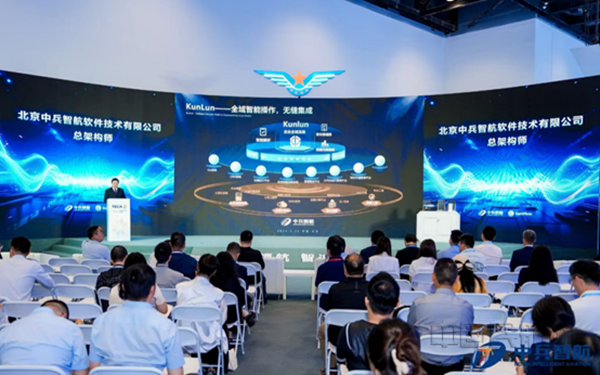
Core Insights - Zhongbing Zhihang has officially launched its innovative breakthroughs and strategic layout in the field of artificial intelligence (AI) at the third Civil Aviation Science and Technology Innovation Achievement Exhibition, providing new opportunities and vitality for digital transformation and intelligent development in the civil aviation industry [1][9] - The company introduced four major products and five new solutions aimed at addressing pain points in data governance, intelligent decision-making, and system collaboration within the civil aviation sector [1][5] Product Overview - GoldMine Computing Product Suite: This suite includes various products such as GoldMine AI integrated machine, GoldMine - AI PC, GoldMine - AI BOOK, and GoldMine - AI BOX, offering diverse options for different customer application scenarios and computing power needs, from large-scale computing support to personal and departmental computing support [2] - Noah Smart Data Platform: Built on a data weaving architecture, this platform integrates AI technology and large model capabilities, providing automated data governance features such as data integration, intelligent indicator analysis, and semantic search [4] - Noah X Enhanced Data Intelligence Platform: This platform allows users to interact with data tasks using natural language, facilitating a more intuitive data interaction experience and promoting AI democratization within enterprises [4] - KunLun Multi-Agent Collaborative Platform: This platform serves as an intelligent hub for enterprises, enabling cross-system intelligent collaboration and supporting complex decision-making processes through enhanced memory, logical reasoning, and multi-modal cognitive integration [4] Solutions for Civil Aviation Industry - Intelligent Solutions for Civil Aviation Data Center and Governance: This solution follows the "Smart Civil Aviation Data Standards" and aims to enhance data governance and analysis efficiency through AI empowerment [5] - Continuous Operation Service Solution for Civil Aviation Data: This comprehensive service covers the entire data lifecycle, focusing on standardized data management and multi-dimensional analysis applications to ensure effective data organization and traceability [5] - Civil Aviation Intelligent Hub Solution: This solution provides a full chain of AI products and services, including model training and fine-tuning based on foundational data and knowledge in civil aviation [6] - Professional Application Solutions for Airlines: This includes a flight operation monitoring platform that integrates operational data to enhance flight safety and efficiency through real-time alerts and collaborative management [8] - Professional Application Solutions for Airports: This service utilizes big data and AI decision algorithms to optimize flight planning and operational efficiency, breaking down information barriers between stakeholders [8]
从密码技术到神经调控疗法,今年上交会可以看到这些技术
Di Yi Cai Jing· 2025-05-28 11:38
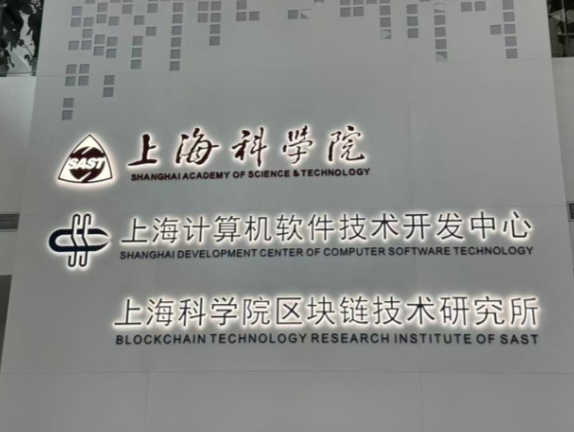
Core Points - The Shanghai International Technology Import and Export Fair (referred to as "the Fair") will be held from June 11 to 13 at the Shanghai Expo Exhibition Center, featuring various specialized technical exhibition areas and a total exhibition area of 35,000 square meters [1][6] - The Fair serves as a national-level, international, and comprehensive exhibition focused on technology, aiming to showcase advanced technologies, link innovation resources, and deepen international cooperation [1][6] - The event will gather nearly 1,000 participating companies from around 20 countries and regions, as well as 20 provinces and municipalities in China, highlighting a wide array of innovative achievements [6] Company Highlights - The Shanghai Computer Software Technology Development Center will showcase its latest technological achievements in the commercial password exhibition area, focusing on the application of large models in software quality and security, particularly in blockchain and network security [2] - The Hong Kong University of Science and Technology Shanghai Integration Center, participating for the first time, aims to foster talent cultivation and innovation incubation in collaboration with local universities and enterprises [3][5] - The center will present its proprietary education brand "AHEAD" and several innovative research outcomes, including a non-invasive brain deep stimulation technology for treating conditions like Parkinson's and anxiety [5] Industry Insights - The Fair will feature specialized technical exhibition areas including commercial passwords and intelligent manufacturing, green energy and storage, intelligent marine engineering and equipment, and consumer and commercial technology [1][6] - The event will also host various thematic activities, including an opening ceremony and multiple theme days focusing on technology trade and intellectual property [6]
文化中国行|从“技术集群”到“场景生态” 数字文化产业进化论
Yang Guang Wang· 2025-05-28 00:45
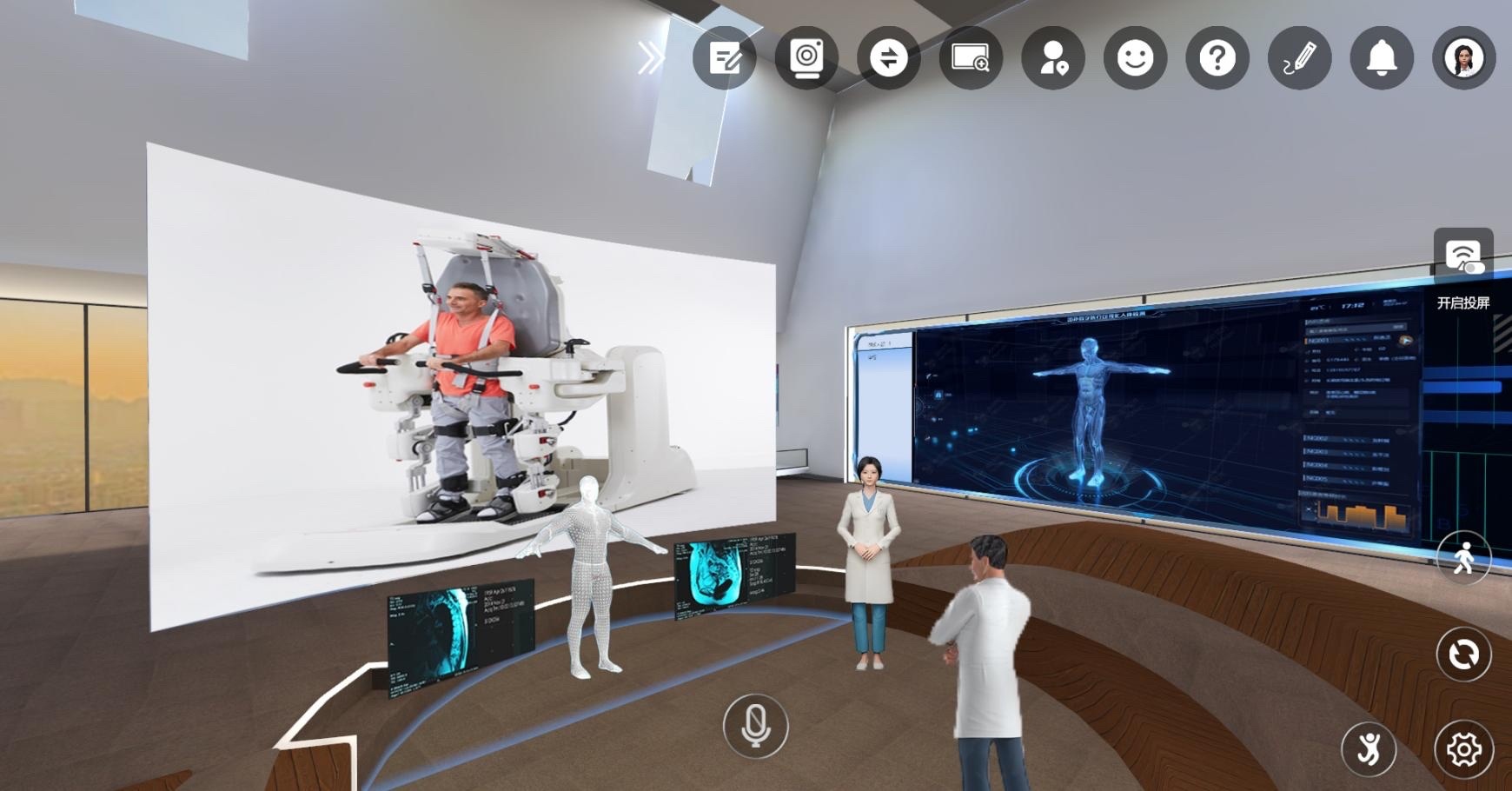
Group 1: Overview of Digital Cultural Industry in Nanjing - Nanjing is leveraging "Digital Jinling" to promote cultural enterprises and explore new paths in the digital cultural industry, integrating culture and technology [1] - The Yuhuatai District has over 3,700 cultural enterprises and has established four major industry clusters: internet information services, digital content services, digital creative design, and smart cultural equipment manufacturing [1] - The district is also focusing on the cultural metaverse, creating a "4+1" model for its digital cultural industry [1] Group 2: Technological Innovations - Weike Network Technology Co., Ltd. is leading a new paradigm of virtual space interaction with its self-developed VS·work metaverse engine, enabling real-time collaboration in virtual environments [2][3] - Ruiyue Information Technology Co., Ltd. is innovating in the XR field by integrating AI technology with XR engines, significantly enhancing digital content creation efficiency [3][5] Group 3: Cultural Consumption and Market Trends - Kungfu Bean Technology Co., Ltd. has developed a smart printing ecosystem that combines digital memory with physical cultural products, tapping into the growing cultural tourism market [6][7] - Huizhi Huyu Network Technology Co., Ltd. is pioneering a digital human platform for live e-commerce, enhancing interactivity and engagement in product presentations [10] Group 4: Future Prospects and Strategic Goals - The Yuhuatai District aims to optimize its "4+1" digital cultural industry structure and enhance the competitiveness of its digital cultural industry parks [10]
软通动力拟募33.8亿加码信创AI突围 净利连降首季亏1.98亿研发投入缩水
Chang Jiang Shang Bao· 2025-05-26 23:35
Core Viewpoint - Softcom Power is planning a refinancing to enhance its industrial layout, focusing on the AI sector, despite having unutilized funds from previous fundraising efforts [1][2]. Group 1: Financing and Investment Plans - The company intends to raise up to 3.378 billion yuan through a private placement to specific investors, targeting four major projects: the Beijing-Tianjin-Hebei Soft Communication Innovation Manufacturing Base, AIPC Intelligent Manufacturing Base, Huailai Intelligent Computing Center (Phase I), and the intelligent upgrade of computer production workshops [1][2]. - The funds raised will support the company's strategy of integrating software and hardware, aiming for a comprehensive intelligent service platform [2][4]. Group 2: Financial Performance and Challenges - Softcom Power has faced declining profitability, with a significant drop in net profit attributed to increased interest expenses from strategic acquisitions and rising sales costs [5][7]. - The company's net profit for 2024 is projected to be only 14.3% of its 2020 figure, with a substantial decline in net profit margin over the years [7][8]. - As of the end of March, the company reported a net loss of 198 million yuan for the first quarter of 2024, indicating ongoing financial pressure [8]. Group 3: Research and Development - The company's R&D investment has decreased over the past two years, with the proportion of R&D spending relative to revenue falling from 5.75% in 2022 to 3.11% in 2024 [8][9]. - This reduction in R&D spending raises concerns about the company's future competitiveness in the market [9].
中科江南: 关于召开2025年第二次临时股东会的通知公告
Zheng Quan Zhi Xing· 2025-05-26 12:12
Meeting Information - The company will hold its second extraordinary general meeting of shareholders for 2025 on June 16, 2025, at 15:00 [1] - The meeting will allow both on-site and online voting, with specific time slots for online voting provided [1][2] - Shareholders must choose either on-site or online voting, and duplicate votes will be counted based on the first submission [2] Voting Procedures - All shareholders registered by the close of trading on June 10, 2025, are entitled to attend the meeting and can appoint a proxy to vote on their behalf [2][3] - Legal representatives of corporate shareholders must present specific documentation to register for the meeting [3][4] - Natural person shareholders must also provide identification and shareholder account information for registration [4] Proposals for Discussion - Proposal 1 must be approved for Proposals 2 and 4 to be valid [1][2] - The meeting will review non-cumulative voting proposals as approved by the ninth meeting of the fourth supervisory board [2] Registration and Contact Information - Shareholders can register via mail or fax, with a deadline of June 12, 2025, for submissions [4] - Contact details for the company are provided for any inquiries regarding the meeting [4]
软通动力(301236) - 2025年5月6日至5月23日-投资者关系活动记录表
2025-05-26 06:52
Group 1: Strategic Layout and Technological Development - The company is advancing its autonomous strategy with a focus on the open-source HarmonyOS ecosystem, particularly through its subsidiary Honghu Wanlian [3][4] - The company has developed over 50 components to support the HarmonyOS ecosystem, facilitating the launch of thousands of applications across various industries [5][6] - The company has established partnerships with over 500 ecological brand partners and integrated more than 1,200 ecological products [6] Group 2: Product Innovations and Releases - Multiple innovative products were launched on April 29, including the AI operating system Tianxing OS and the Tianhui Smart Space Platform 3.0 [7][8] - The Tianxing OS supports multi-modal interactions and provides efficient, flexible, and secure system-level solutions for the automotive industry [8] - The Tianhui Smart Space Platform 3.0 integrates AI algorithms and data intelligence, covering various smart scenarios [8] Group 3: Artificial Intelligence Initiatives - The company has released several AI solutions, including the Ascend DeepSeek Professional Service Solution and the Smart Campus Joint Solution [9][10] - The Ascend DeepSeek solution offers comprehensive technical support for AI application deployment [10] - The company has established an AI Engineering Research Institute focusing on data, model, and application engineering [11][12] Group 4: Financial Performance and Future Plans - In 2024, the company achieved a revenue of 31.316 billion CNY, a year-on-year increase of 78.13%, with a net profit of 180 million CNY [14][15] - For Q1 2025, the company reported a revenue of 7.011 billion CNY, a 28.65% increase year-on-year, but a net loss of 197 million CNY [15] - The company plans to raise up to 3.378 billion CNY through a private placement to fund various strategic projects, enhancing its capabilities in the intelligent manufacturing and AI sectors [15]
深开鸿发布三大核心产品
Shen Zhen Shang Bao· 2025-05-25 23:03
Group 1 - Shenzhen Kaihong Digital Industry Development Co., Ltd. (referred to as "Shenzhen Kaihong") launched three core products at the first Deep Kaihong Innovation Technology Conference, aimed at empowering developers, industries, enterprises, and universities, accelerating the implementation and prosperity of the open-source Harmony ecosystem [1][2] - The Kaihong Bot series is a one-stop learning platform designed for open-source Harmony developers, allowing them to enter the ecosystem with "zero threshold," significantly simplifying the development environment setup, toolchain integration, and hardware adaptation challenges [1][2] - The Bot series targets three types of developers: application developers, device developers, and secondary developers, featuring a real open-source Harmony operating environment that allows for direct local preview of running results, providing a "what you see is what you get" development experience [1][2] Group 2 - The launch of the open-source Harmony "Origin Plan" was announced, emphasizing strategic synergy with the Bot products, stating that the success of the operating system depends on the competitiveness of the ecosystem, which must start with developers [2] - Over the next five years, Shenzhen Kaihong plans to invest 500 million yuan to build a complete support closed loop from application development to commercial landing through technology empowerment, financial support, marketing promotion, and entrepreneurial acceleration [2] - The Kaihong "1+1" security digital foundation 5.0 was introduced, consisting of the unified operating system KaihongOS and the super device management platform KaihongOS Meta, built on OpenHarmony, featuring core characteristics of security, completeness, real-time capability, and reliability [2]
华为终端BG软件部总裁龚体:超过1100款软硬件产品通过开源鸿蒙兼容性测评
Mei Ri Jing Ji Xin Wen· 2025-05-24 11:15
Core Insights - The open-source HarmonyOS has grown to over 130 million lines of code with more than 8,600 contributors, and over 1,100 software and hardware products have passed compatibility testing across various industries [1] - Counterpoint data indicates that by Q4 2024, HarmonyOS is projected to capture 19% of the smartphone operating system market share in China, surpassing iOS at 17% [1] - The development of HarmonyOS was accelerated in response to Huawei's "backup plan" after being forced to create a smart terminal operating system in August 2019, leading to its code being donated to the OpenAtom Open Source Foundation [1] Group 1 - Open-source has become a new development and innovation model in the software and digital fields, with 97% of global software developers and 99% of enterprises using open-source software [2] - The release of the HarmonyOS 5.1 version focuses on enhancing multi-scenario interaction experiences, system stability, and developer experience, optimizing the ArkUI framework for better interface development [2] - Huawei has launched its first HarmonyOS PC and foldable PC, with all devices set to feature the open-source HarmonyOS this year [2]