
石油化工

Search documents
BZ、Eb周报:BZ处于区间上沿,关注逢高空的机会-20251228
Guo Tai Jun An Qi Huo· 2025-12-28 08:37
估值 • 绝对价格估值:按照原油60美金估值,BZ2603合约5300-5500元/吨是合理估值。 • EB加工费:短期扩利润。 • 纯苯国产:12月检修11万吨,1月检修维持11万吨(假设考虑浙石化检修带来4.5万吨减量),主要是中化泉州、丽东、浙石化等装置检修量大。 部分山东地炼在解决了配额问题之后仍会提高负荷,弥补部分产量损失。1月关注巴斯夫湛江新投产带来的纯苯增量。 • 纯苯进口:外盘压力仍然偏大,韩国纯苯抛压在11月-12月仍然偏大,进口居高难下。1月目前进口分歧较大,预计仍然在45万吨左右的高进口, 2月之后的进口待评估。 • 苯乙烯:12月检修8.5万吨,1月检修6.5万吨。12月之后装置开工逐步恢复,关注山东国恩化工装置开工带来的增量。 • 己内酰胺:CPL负反馈开始,工厂逐步降低负荷,12月预计4万吨检修,1月有6万吨检修,主要是福建永荣、天辰、华鲁恒升、旭阳沧州等。12月 关注恒逸钦州项目的投产,1月关注陕西阳煤的扩产。关注近期己内酰胺利润恢复是否会导致装置提前重启。 • 苯酚:开工逐步回升,12月检修3万吨,1月检修1万吨。山东睿霖新装置投产或有延期。 • 苯胺:12月检修7万吨,主要宁 ...
【图】2025年1-9月甘肃省原油加工量统计分析
Chan Ye Diao Yan Wang· 2025-12-28 08:34
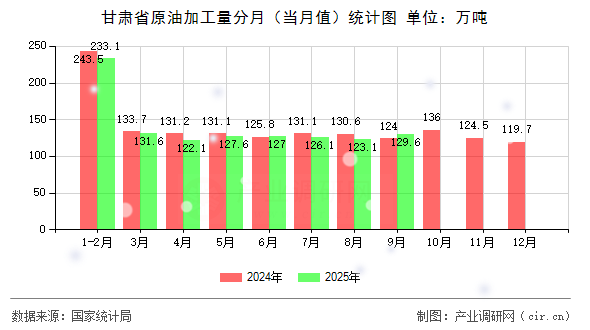
摘要:【图】2025年1-9月甘肃省原油加工量统计分析 2025年9月原油加工量统计: 原油加工量:129.6 万吨 同比增长:4.5% 增速较上一年同期变化:高16.7个百分点 据统计,2025年9月甘肃省规模以上工业企业原油加工量与上年同期相比增长了4.5%,达129.6万吨,增 速较上一年同期高16.7个百分点,增速较同期全国低2.3个百分点,约占同期全国规模以上企业原油加工 量6268.7万吨的比重为2.1%。 详见下图: 图1:甘肃省原油加工量分月(当月值)统计图 2025年1-9月原油加工量统计: 原油加工量:1120.1 万吨 同比增长:-2.7% 增速较上一年同期变化:低11.2个百分点 据统计,2025年1-9月,甘肃省规模以上工业企业原油加工量与上年同期相比下降了2.7%,达1120.1万 吨,增速较上一年同期低11.2个百分点,增速较同期全国低6.4个百分点,约占同期全国规模以上企业原 油加工量55081.5万吨的比重为2.0%。详见下图: 图2:甘肃省原油加工量分月(累计值)统计图 注:主要能源产品产量月度统计范围为规模以上工业法人单位,即年主营业务收入2000万元及以上的工 业企业。 ...

【图】2025年8月新疆维吾尔自治区液化石油气产量数据分析
Chan Ye Diao Yan Wang· 2025-12-28 05:47
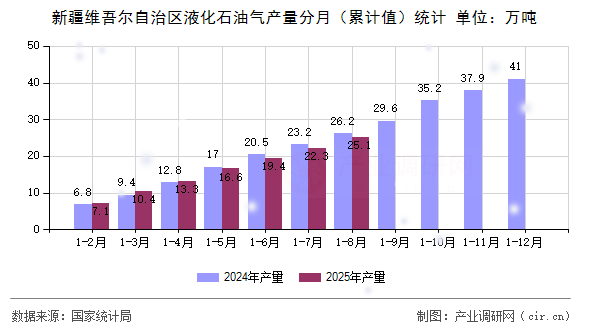
摘要:【图】2025年8月新疆维吾尔自治区液化石油气产量数据分析 2025年1-8月液化石油气产量分析: 据国家统计局数据,在2025年的前8个月,新疆维吾尔自治区规模以上工业企业液化石油气产量累计达 到了25.1万吨,与2024年同期的数据相比,下降了4.3%,增速较2024年同期低9.8个百分点,增速较同 期全国低2.2个百分点,约占同期全国规模以上企业液化石油气产量3527.7万吨的比重为0.7%。 单独看2025年8月份,新疆维吾尔自治区规模以上工业企业液化石油气产量达到了2.8万吨,与2024年同 期的数据相比,8月份的产量下降了7.0%,增速较2024年同期高9.4个百分点,增速较同期全国低6.1个 百分点,约占同期全国规模以上企业液化石油气产量449.5万吨的比重为0.6%。 图表:新疆维吾尔自治区液化石油气产量分月(当月值)统计 图表:新疆维吾尔自治区液化石油气产量分月(累计值)统计 注:主要能源产品产量月度统计范围为规模以上工业法人单位,即年主营业务收入2000万元及以上的工 业企业。 2025年8月液化石油气产量分析: 产业调研网为您提供更多 石油化工行业最新动态 石油市场现状及前景分析 ...
【图】2025年8月黑龙江省煤油产量数据分析
Chan Ye Diao Yan Wang· 2025-12-28 03:29
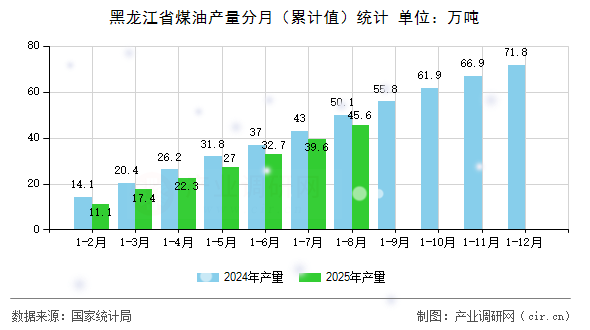
摘要:【图】2025年8月黑龙江省煤油产量数据分析 2025年1-8月煤油产量分析: 据国家统计局数据,在2025年的前8个月,黑龙江省规模以上工业企业煤油产量累计达到了45.6万吨, 与2024年同期的数据相比,下降了9.1%,增速较2024年同期低50.6个百分点,增速较同期全国低12.5个 百分点,约占同期全国规模以上企业煤油产量3931.5万吨的比重为1.2%。 图表:黑龙江省煤油产量分月(累计值)统计 2025年8月煤油产量分析: 单独看2025年8月份,黑龙江省规模以上工业企业煤油产量达到了5.9万吨,与2024年同期的数据相比, 8月份的产量下降了16.7%,增速较2024年同期低35.0个百分点,增速较同期全国低27.4个百分点,约占 同期全国规模以上企业煤油产量555.6万吨的比重为1.1%。 注:主要能源产品产量月度统计范围为规模以上工业法人单位,即年主营业务收入2000万元及以上的工 业企业。 产业调研网为您提供更多 石油化工行业最新动态 石油发展前景趋势分析 化工的现状和发展趋势 日化行业现状与发展趋势润滑油市场现状及前景分析汽油市场调研与发展前景 柴油发展现状及前景预测橡胶市场调研及 ...
【图】2025年8月宁夏回族自治区石油沥青产量统计分析
Chan Ye Diao Yan Wang· 2025-12-28 01:51
增速较上一年同期变化:低77.0个百分点 据统计,2025年8月宁夏回族自治区规模以上工业企业石油沥青产量与上年同期相比增长了0.8%,达3.1 万吨,增速较上一年同期低77.0个百分点,增速放缓,增速较同期全国低17.5个百分点,约占同期全国 规模以上企业石油沥青产量326.5万吨的比重为0.9%。 详见下图: 图1:宁夏回族自治区石油沥青产量分月(当月值)统计图 摘要:【图】2025年8月宁夏回族自治区石油沥青产量统计分析 2025年8月石油沥青产量统计: 石油沥青产量:3.1 万吨 同比增长:0.8% 同比增长:88.8% 增速较上一年同期变化:高57.9个百分点 据统计,2025年1-8月,宁夏回族自治区规模以上工业企业石油沥青产量与上年同期相比增长了 88.8%,达30.9万吨,增速较上一年同期高57.9个百分点,继续保持快速增长,增速较同期全国高79.2个 百分点,约占同期全国规模以上企业石油沥青产量2427.9万吨的比重为1.3%。详见下图: 2025年1-8月石油沥青产量统计: 石油沥青产量:30.9 万吨 图2:宁夏回族自治区石油沥青产量分月(累计值)统计图 注:主要能源产品产量月度统计范围 ...

海南封关后第一批“分出集报”货物顺利出岛
Xin Lang Cai Jing· 2025-12-27 14:33
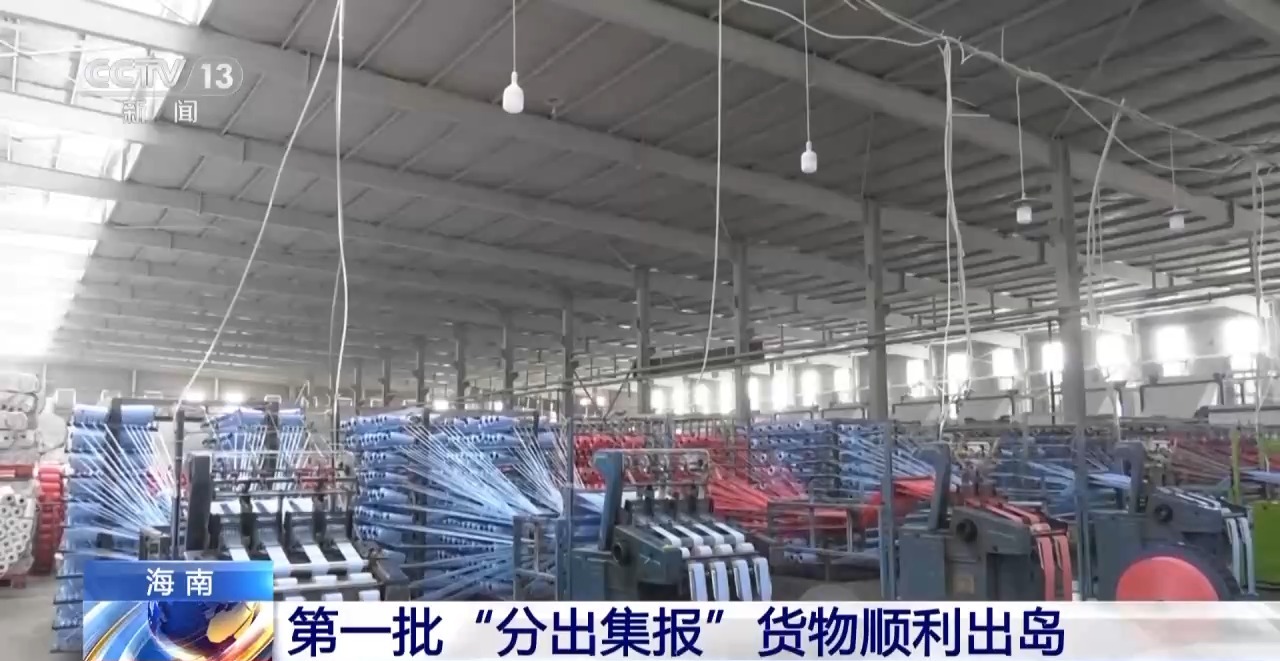
Group 1 - The first batch of polypropylene, weighing 55.25 tons, successfully departed from Yangpu Port using the "split out and centralized declaration" model, marking a significant milestone for Hainan Free Trade Port after its closure [1] - The "split out and centralized declaration" model allows enterprises to handle the export procedures in batches according to actual business needs, followed by centralized customs declaration within a specified timeframe [3] - This new model enhances flexibility and reduces costs for logistics, as goods can now be exported from any "second line port" rather than being restricted to specific ports [5] Group 2 - The implementation of this model is part of the Hainan Free Trade Port's efforts to streamline customs procedures and improve efficiency for certified enterprises [3] - Companies that meet the criteria can easily apply for benefits through the China (Hainan) International Trade Single Window, allowing for the establishment of various zero-tariff accounts based on business needs [5] - The local customs authority has initiated a "one enterprise, one policy" service mechanism to support companies in their export plans and will continue to explore more facilitative customs measures [5]

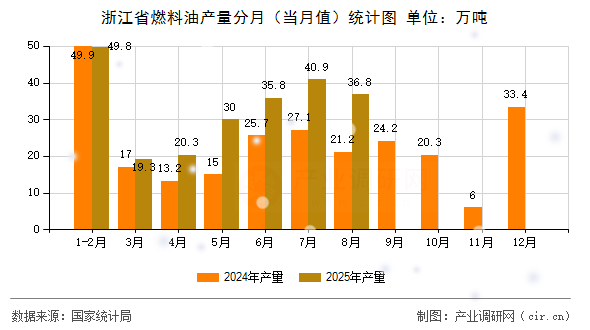
【图】2025年1-8月浙江省燃料油产量数据分析
Chan Ye Diao Yan Wang· 2025-12-27 07:10
2025年8月燃料油产量统计: 燃料油产量:36.8 万吨 摘要:【图】2025年1-8月浙江省燃料油产量数据分析 2025年1-8月燃料油产量统计: 同比增长:73.5% 增速较上一年同期变化:高100.7个百分点 据统计,2025年8月浙江省规模以上工业企业燃料油产量与上年同期相比增长了73.5%,达36.8万吨,增 速较上一年同期高100.7个百分点,增速较同期全国高80.0个百分点,约占同期全国规模以上企业燃料油 产量343.7万吨的比重为10.7%。 详见下图: 图1:浙江省燃料油产量分月(当月值)统计图 图2:浙江省燃料油产量分月(累计值)统计图 注:主要能源产品产量月度统计范围为规模以上工业法人单位,即年主营业务收入2000万元及以上的工 业企业。 产业调研网为您提供更多 石油化工行业最新动态 石油未来发展趋势预测 化工现状及发展前景 日化发展前景趋势分析 润滑油的现状和发展趋势 汽油行业现状与发展趋势 柴油市场现状及前景分析 橡胶市场调研与发展前景 塑料发展现状及前景预测 化妆品市场调研及发展趋势清洁护肤行业监测及发展趋势 燃料油产量:233.6 万吨 同比增长:39.4% 增速较上一年同期变 ...
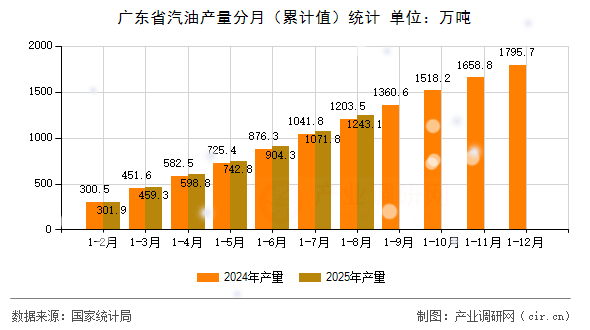
【图】2025年1-8月广东省汽油产量数据分析
Chan Ye Diao Yan Wang· 2025-12-27 06:25
图表:广东省汽油产量分月(累计值)统计 2025年8月汽油产量分析: 2025年1-8月汽油产量分析: 据国家统计局数据,在2025年的前8个月,广东省规模以上工业企业汽油产量累计达到了1243.1万吨, 与2024年同期的数据相比,增长了3.3%,增速较2024年同期低7.0个百分点,增速放缓,增速较同期全 国高9.0个百分点,约占同期全国规模以上企业汽油产量10283.6万吨的比重为12.1%。 摘要:【图】2025年1-8月广东省汽油产量数据分析 图表:广东省汽油产量分月(当月值)统计 注:主要能源产品产量月度统计范围为规模以上工业法人单位,即年主营业务收入2000万元及以上的工 业企业。 | 石油化工行业最新动态 | 石油市场调研及发展趋势 | 化工行业监测及发展趋势 | | --- | --- | --- | | 日化未来发展趋势预测 | 润滑油现状及发展前景 | 汽油发展前景趋势分析 | | 柴油的现状和发展趋势 | 橡胶行业现状与发展趋势 | 塑料市场现状及前景分析 | | 化妆品市场调研与发展前景清洁护肤发展现状及前景预测 | | | 单独看2025年8月份,广东省规模以上工业企业汽油产量达到 ...
国资央企市值管理步入价值创造新阶段
Zhong Guo Zheng Quan Bao· 2025-12-26 21:06
Core Viewpoint - The recent meeting of central enterprise leaders emphasized the need to enhance the quality and market value management of listed companies by 2026, coinciding with the one-year anniversary of the State-owned Assets Supervision and Administration Commission's (SASAC) guidelines on improving market value management for central enterprises [1] Group 1: Central Enterprises' Market Value Management - Central enterprises are increasingly adopting systematic actions for market value management, transitioning from regulatory requirements to concrete market commitments [1] - Measures such as share buybacks and increases in shareholding are being implemented to stabilize market expectations and enhance investor confidence [1] - China Metallurgical Group plans to repurchase A-shares and H-shares with a buyback amount between 1 billion and 2 billion yuan, while China National Coal's shareholding has increased from 30.31% to 31.72% [1] Group 2: Systematic Approach to Market Value Management - More central enterprises are integrating market value management into systematic projects, with companies like Sinopec launching initiatives to enhance investment value and shareholder returns [2] - Data from SASAC indicates that the market value of central enterprise-controlled listed companies has exceeded 22 trillion yuan, reflecting a nearly 50% increase since the end of the 13th Five-Year Plan [2] - Future market value management for central enterprises is expected to become more institutionalized, market-oriented, and normalized, focusing on quality improvement and investor communication [2] Group 3: Local State-Owned Assets and Market Value Management - Local governments are also promoting market value management for state-owned listed companies as a key strategy for deepening reforms and supporting high-quality development [3] - Shandong Province's State-owned Assets Supervision and Administration Commission has outlined a training program for enhancing the market value of provincial enterprises [3] - The emphasis is on establishing a correct market value management philosophy that prioritizes value creation over short-term stock price fluctuations [3] Group 4: Integration of Market Value Management - The strategic importance of market value management is increasingly recognized, becoming integral to corporate strategy, governance, and investor relations [4] - During the 14th Five-Year Plan period, market value management is expected to be deeply integrated into all aspects of enterprise operations, serving as a comprehensive measure of operational quality and governance [4]



东华能源拟出售含贵金属废催化剂资产, 净值5.27亿元评估11.1亿元
Zheng Quan Shi Bao Wang· 2025-12-26 14:08
Core Viewpoint - Donghua Energy (002221) announced the sale of precious metal-containing waste catalysts to Haotong Technology (301026), with the assets originally valued at 527 million yuan and appraised at 1.11 billion yuan, reflecting an appreciation of over 110% [1][3] Group 1: Transaction Details - The waste catalysts, primarily sourced from the company's and its subsidiaries' main business operations, are essential for catalytic reactions in chemical product synthesis and purification [2] - The catalysts become waste due to decreased activity and performance over time, necessitating their replacement, which leads to the generation of these waste assets [2] - The total original value of the waste catalysts is 634 million yuan, with a net value of 527 million yuan as of November 30, 2025 [2] Group 2: Valuation and Pricing - The appraisal report from Zhonglian Asset Appraisal Consulting (Shanghai) Co., Ltd. indicates that the waste catalysts are valued at 1.11 billion yuan as of December 24, 2025, with a high appreciation rate of 110.50% [3] - The valuation method utilized includes market pricing based on catalyst weight, platinum content, and the closing price of platinum on the Shanghai Gold Exchange [3] - The pricing model in the contract includes three pricing methods: market price based on 97% of the Shanghai Gold Exchange closing price, target price set by the seller, and immediate order pricing confirmed via email [3] Group 3: Impact and Benefits - The transaction is part of the subsidiaries' routine operations, aimed at optimizing the asset-liability structure and enhancing the management efficiency of waste catalyst assets [4] - The sale is expected to improve cash flow and align with the overall interests of the company and its shareholders [4] - The actual impact on the company's performance will depend on the fulfillment of the framework contract and subsequent orders [4]
