助贷

Search documents
24%—36%年化利率助贷业务遭遇生死时刻
经济观察报· 2025-06-09 14:19
Core Viewpoint - Concerns regarding the potential termination of loan products with annual interest rates of 24%-36% are quietly reshaping the current landscape of the lending industry [1][8]. Summary by Sections Regulatory Changes - The National Financial Regulatory Administration issued new regulations on April 1, 2023, which will take effect on October 1, 2025, mandating that commercial banks manage lending platforms and credit enhancement service providers through a list system [5][6]. - The new regulations stipulate that the comprehensive financing cost of lending services must not exceed 24%, and all fee structures must be fully disclosed [7][8]. Impact on Lending Institutions - Many banks are withdrawing from partnerships with lending institutions that primarily offer loans at 24%-36% interest rates, fearing that these products may be phased out under the new regulations [11][14]. - As a result, lending institutions that rely on these high-interest products are facing reduced funding and are forced to cut marketing and operational costs to survive [8][9]. Market Dynamics - Some banks that continue to offer 24%-36% interest loans are raising their funding costs, with some quoting rates as high as 8%, making these loans less profitable [15][24]. - The withdrawal of banks from high-interest lending is leading to a concentration of resources among larger, more established lending firms, while smaller institutions may struggle to meet new compliance requirements [9][13]. Future Outlook - There are differing opinions on whether the 24%-36% interest rate loans will be completely eliminated. Some believe that strict interpretations of the new regulations will enforce a cap at 24%, while others think that there may still be room for these products under certain conditions [18][19]. - The "dual guarantee" model, which allowed for higher effective interest rates through complex arrangements, is expected to decline as regulatory scrutiny increases [21][22]. Strategic Responses - Some smaller banks are showing interest in the 24%-36% interest rate loans to expand their retail loan portfolios, despite concerns about regulatory risks associated with cross-regional operations [24][25]. - To attract these banks, lending institutions are offering higher profit-sharing arrangements, including guaranteed returns for banks involved in these high-interest loans [25].


24%—36%年化利率助贷业务遭遇生死时刻
Jing Ji Guan Cha Bao· 2025-06-09 14:18
Core Viewpoint - The new regulations on internet lending, effective from October 1, 2025, are causing significant changes in the lending landscape, particularly affecting small and medium-sized lending institutions that primarily operate in the 24%-36% annual interest rate range [2][3][4]. Group 1: Regulatory Impact - The "New Lending Regulations" require banks to implement a list management system for lending partners, which has led to many small lending institutions being excluded from partnerships with major banks [2][3]. - Banks are increasingly cautious and are opting to collaborate only with top-tier, publicly listed lending platforms, leaving smaller institutions struggling to secure funding [7][8]. - The regulations stipulate that the comprehensive financing cost for lending must not exceed 24%, which threatens the viability of high-interest lending products [3][4]. Group 2: Market Dynamics - As banks withdraw from high-interest lending, the remaining institutions are raising their funding costs, with some offering rates as high as 8% for lending partnerships [3][8]. - Many small lending institutions are cutting marketing and operational costs to survive in a tightening market, while some are pivoting to selling customer traffic to licensed consumer finance companies [3][4]. - The overall lending landscape is shifting towards a concentration of resources among leading firms, as smaller players face increased compliance costs and pressure to meet stricter entry requirements [4][9]. Group 3: Future Outlook - There is a divide in the industry regarding the future of 24%-36% annual interest rate lending, with some believing it will be phased out entirely, while others think it may continue under different operational frameworks [10][11]. - The "dual guarantee" model, which has been a primary method for high-interest lending, is expected to face challenges due to regulatory scrutiny, potentially leading to its decline [12][13]. - Some smaller banks are still interested in high-interest lending as a means to expand their retail loan portfolios, but they are cautious about regulatory risks associated with cross-regional operations [13][14].
助贷行业“生死战”:高风险客群资金成本高涨,“24%+权益”模式潜滋暗长
2 1 Shi Ji Jing Ji Bao Dao· 2025-06-09 11:29
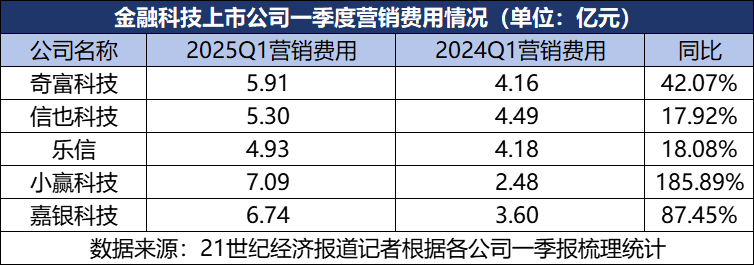
一年一度的高考落下帷幕,助贷行业的"大考"也已进入倒计时。 4月3日,国家金融监管总局官网发布《关于加强商业银行互联网助贷业务管理提升金融服务质效的通知》 (以下简称"助贷新规"),推动商业银行互联网助贷业务规范有序发展。 "助贷新规"将于2025年10月1日起施行,留给商业银行、外国银行分行、信托公司、消费金融公司、汽车金 融公司以及其他助贷产业链玩家的时间已不到4个月。 21世纪经济报道记者调研多家助贷平台、提供资金的金融机构发现,从助贷新规正式发布的两个月来,行 业在信息披露、资金成本、运营模式等方面均已发生变化。 在面向资金方的强监管格局下,以符合合规要求的综合融资利率24%为界,助贷平台融资成本出现"分 层":年化利率24%以上的贷款产品资金成本大涨,年化利率24%及以下贷款产品的资金成本下降。可见, 资金正在涌向24%以下的优质贷款客群。 但这并不意味着平台和资金方放弃了24%以上的客户群体。 记者注意到,"24%+权益"类的业务模式开始兴起,与以往通过虚高会员费、信息服务费推高借款人实际贷 款费用不同,这一模式通过提供免息、提额等金融权益,以及各类电商会员等生活权益,由平台与合作方 共同提供会员 ...
调查 | 助贷新规下行业生变!有银行拒批高利率对客资金
券商中国· 2025-06-06 01:55
Core Viewpoint - The new regulations on internet lending, referred to as the "Assistance Lending New Regulations," aim to enhance the management of commercial banks' internet lending businesses and improve financial service quality, with a significant impact expected on the trillion-level assistance lending market [1]. Group 1: Regulatory Changes and Market Impact - The new regulations have prompted leading lending platforms to develop compliance plans and restructure their business processes even before the regulations take effect [2]. - The introduction of a "white list" of compliant lending institutions marks a significant change in the industry, with major banks and consumer finance companies disclosing their approved partners [3]. - The current narrow definition of the assistance lending market in China has already surpassed one trillion yuan, with projections indicating it could reach 5.9 trillion yuan by 2028 [4]. Group 2: Changes in Funding and Risk Management - Some banks are beginning to reject funding requests for high-risk loans with interest rates between 24% and 36%, indicating a tightening of capital availability for these products [5][6]. - The new regulations enforce stricter oversight on the actual fees charged by credit enhancement service providers, effectively capping the comprehensive financing cost at the judicial protection limit of 24% [6][7]. - The regulations are expected to eliminate the practice of splitting loans into base rates and additional fees, thereby standardizing pricing mechanisms and reducing unhealthy competition among smaller platforms [7]. Group 3: Responsibilities of Banks and Lending Platforms - Both banks and lending institutions are under increasing pressure to lower overall funding costs in response to the new regulations, with some platforms reporting a 30 basis point decrease in funding costs in the first quarter of the year [8]. - The new regulations shift the balance of power in partnerships, requiring banks to conduct thorough due diligence and establish clear agreements with lending platforms, thereby enhancing their independent risk assessment capabilities [9][10]. - The regulations encourage lending platforms to improve their technological capabilities and strengthen collaboration with banks, particularly in areas such as data modeling and fraud prevention [11].

助贷新规尚未实施威力已现头部平台忙整改 尾部机构吃紧
Zheng Quan Shi Bao· 2025-06-05 18:00
证券时报记者刘筱攸 剑指万亿级助贷市场的监管新规离正式实施还有4个月,但影响已开始显现。 上述监管新规即是金融监管总局4月发布的《关于加强商业银行互联网助贷业务管理提升金融服务质效 的通知》(以下简称《新规》),该《新规》将于10月1日起正式施行。 来自北京和华南的两家头部助贷平台人士向证券时报记者透露了最新合规整改进展,两家平台均在深入 研究《新规》各项条款的基础上,逐条制定与之匹配的执行计划,并对现有业务流程展开全面梳理。 其中一家平台透露,近期24%~36%高风险利率区间的对客产品资金已显著趋紧。部分合作资方银行从 整体资金风险审慎管理角度出发,直接拒绝审批超出24%利率的对客资金,以缩减高风险利率助贷业务 规模。 相继公布助贷机构白名单 在《新规》正式实施前,助贷行业最显著的变化是银行、消金公司等资方相继公布助贷合作机构"白名 单"。 例如,尚诚消金披露了截至3月19日的14家产品合作机构,蚂蚁智信、微众银行、度小满、信也科技、 分期乐、平安融易等头部助贷平台在列。广州银行披露了截至4月25日的17家互联网贷款业务合作机 构,包括平安融易、马上消金、分期乐、微众银行、蚂蚁消金、支付宝、网商银行、乐信、 ...
信也科技的“暴利”,根本挡不住
虎嗅APP· 2025-06-05 10:53
Core Viewpoint - Xinyi Technology has achieved significant profitability with a projected net profit of 2.388 billion yuan for 2024, translating to over 6.5 million yuan in daily earnings, positioning itself as a standout in the financial technology sector despite industry challenges [3][4]. Group 1: Profitability Insights - Xinyi Technology, formerly a leading P2P platform, transitioned to a loan facilitation model, connecting banks and consumers, which has led to substantial service fee revenues [6][7]. - The company employs aggressive customer acquisition strategies, including online marketing, telemarketing, and ground promotion, which are crucial for its profitability [8]. - Employee incentives are structured to motivate ground staff, with commissions ranging from 1.3% to 2.6% on loans, reflecting a high-stakes sales culture [9][10]. Group 2: Business Model and Risks - The KOO Wallet app, operated by Xinyi Technology, has been associated with high-interest rates, with claims of annualized rates reaching up to 24%, raising concerns about the sustainability of its profit margins [14][15]. - Complaints regarding deceptive practices by ground staff have surfaced, indicating potential ethical and regulatory risks that could impact the company's reputation and operations [11][12][13]. - The company does not disclose its gross margin, which may lead to scrutiny regarding the reasonableness of its fees and compliance with regulations [16]. Group 3: Future Growth Prospects - Xinyi Technology's revenue streams include loan facilitation fees, post-loan service fees, and guarantee income, with guarantee income projected to reach 5.085 billion yuan in 2024, a 13.54% increase [18][19]. - The company is expanding its international presence, with overseas active borrowers increasing by 106.1% to 1.7 million, contributing to 20.4% of total revenue [21][22]. - Projections indicate that Xinyi Technology may achieve a net profit of 2.941 billion yuan in 2025, reflecting a year-on-year growth of 23.4% [22]. Group 4: Conclusion - The high profitability of Xinyi Technology is seen as a product of specific historical conditions, emphasizing the need for genuine value creation rather than mere numerical gains [23].


信也科技的“暴利”,根本挡不住
Hu Xiu· 2025-05-29 07:24
出品 | 妙投APP 作者 | 董必政 头图 | 信也官网 在金融科技行业看似平静的水面下,信也科技以2024年全年净利润23.88亿元、日赚超650万元的业绩,悄然演绎着一场"暴利"神话。 2019年拍拍贷对外宣布正式升级为"信也科技集团",并决定停止新增P2P业务。紧接着,在2020年9月,拍拍贷彻底退出了存量网贷业务,就此彻底完成了从 P2P网贷平台向助贷平台的转型。 所谓助贷平台,可以理解为贷款中介。 信也科技一手对接银行、金融消费公司等资金方,一手对接C端消费者、个体工商户等,但赚的服务费可不止几个点。 在这个资金掮客的模式当中,拓客、协助放贷是影响信也科技盈利能力最重要的环节。 公司的拓客来源于网销、电销、地推等,毕竟量大出单。单从地推渠道来看,妙投就可以发现助贷可真是个"暴利"的生意。 从BOSS直聘来看,信也科技常年在国内167个地市区招地推人员,要求地推、陌拜的方式寻找满足一定芝麻分的客户,推广用户注册使用助贷APP"KOO钱 包"。 这家成立于2007年的老牌互金平台,在经历P2P暴雷潮、监管收紧等行业动荡后,通过业务转型和全球化布局,不仅实现了盈利的持续增长,更以18.28%的 净利率远 ...

东方融资网董事长胡玉建一行视察徐州分公司
Sou Hu Wang· 2025-05-16 10:26
-徐州分公司办公环境一角- -会议现场- -董事长胡玉建一行与徐州分公司管理层合影- 胡玉建对徐州分公司提出两点要求:一、深耕区域市场,锚定业绩攻坚,聚焦突破年度及月度经营目标,确 保目标高质量落地;二、深化"以客户为中心"的服务理念,始终坚持合规经营的原则,践行"诚实做人,感动 客户"的口碑价值观。 5月16日,东方融资网董事长胡玉建、第二大区总经理李宁一行赴徐州分公司视察并指导工作,为区域发展 赋能增效。 视察期间,胡玉建一行参加了徐州分公司的员工大会,会上,他高度评价了徐州作为"准万亿级"经济体的发 展潜力。他强调,徐州助贷市场空间广阔,分公司要紧抓区位优势,持续提升客户服务体验,为集团开拓区域 市场提供有力支撑。 会上,胡玉建在分析行业和集团的发展态势时表示,当前助贷行业还比较早期,标准化体系缺失既是挑战更 是机遇,东融凭借多年深耕已实现"成立时间最久、从业人数最多、覆盖城市最广"的行业领先优势,未来 要持续强化标准化体系建设,通过输出行业服务标准巩固领军地位。他勉励全体员工秉持"干一行、爱一 行"的工匠精神,在客户服务中沉淀口碑,在业务实践中积累势能,实现个人与企业价值的共同成长。 第二大区总经理李 ...

东融科技集团董事长赴济南分公司视察:匠心筑基百年东融
Sou Hu Cai Jing· 2025-05-15 08:37
5月15日,东融科技集团董事长胡玉建、第二大区总经理李宁一行赴济南分公司视察并指导工作。 会议现场 围绕济南分公司2025年发展目标,胡玉建对济南分公司的伙伴们提出了两点要求:一方面要聚焦业绩攻坚, 确保月度及年度目标高质量达成;另一方面要服务好客户,深化口碑建设,要求全员恪守"诚实做人,感动客 户"的核心价值观,以匠人精神打磨每项服务细节,严守合规经营底线,通过提升服务品质构筑百年基业。 济南分公司职场环境一角 董事长胡玉建一行与济南分公司管理层合影 胡玉建一行出席了济南分公司的员工大会。会上,胡玉建对济南分司全体同仁饱满的精气神表示了充分 肯定,并回顾了济南分公司自2022年成立以来的发展历程。他指出,济南分公司作为集团战略布局的重要 支点,成立不久就实现了连续10个月超额完成月度任务的亮眼成绩。期待济南分公司能够在业绩上再创 新高,为集团在济南地区的发展贡献更多力量。 董事长胡玉建在会议上讲话 胡玉建分享到,成熟行业普遍具备强势品牌、寡头型企业及行业标准三大特征,而当前助贷行业尚处"百花 齐放"的早期发展阶段,市场占有率低、标准化程度不足等问题虽然一定程度上制约行业的发展,但也为东 融提供了打造头部品牌 ...

校园贷重袭校园
Bei Jing Shang Bao· 2025-05-13 14:03
Core Viewpoint - The resurgence of campus loans has led to significant financial distress among university students, with many falling into debt traps due to high-interest loans and aggressive collection practices [1][4][9]. Group 1: Loan Practices and Impact - Many students are lured into taking loans through targeted marketing on e-commerce and social platforms, often resulting in annual interest rates exceeding 24% [4][9]. - A significant number of students report being overwhelmed by relentless collection calls, which severely disrupts their academic and personal lives [3][4]. - The phenomenon of students signing non-student declarations to obtain loans highlights the challenges in accurately identifying borrowers [7][8]. Group 2: Regulatory Environment - Despite regulations prohibiting loans to students, some lending institutions continue to target this demographic, often using loopholes to bypass restrictions [6][9]. - Regulatory bodies have issued multiple notifications to prevent lending to students, emphasizing the need for financial institutions to adhere to risk management protocols [4][10]. Group 3: Risk and Compliance Issues - The lending practices of some institutions pose both compliance and ethical risks, particularly for students without stable income sources, leading to potential over-borrowing [5][9]. - Many lending platforms lack effective identity verification processes, making it difficult to prevent loans to students [10][11]. - The drive for profit in the student loan market has led to some institutions engaging in questionable practices, including hidden fees and high-interest rates [9][10]. Group 4: Recommendations for Improvement - Financial institutions are encouraged to enhance identity verification technologies and implement stricter controls on lending practices to mitigate risks associated with student loans [10][11]. - There is a call for better management of partnerships with third-party platforms to ensure compliance with regulations and protect vulnerable student borrowers [10][11].