区块链金融

Search documents
2025下半年,RWA如何连接现实与数字世界?
Sou Hu Cai Jing· 2025-08-04 14:59
Core Concept - The concept of Real World Assets (RWA) is transitioning from a niche financial technology term to a broader application, aiming to connect tangible assets with the digital world by 2025 [1][4]. Summary by Sections What is RWA? - RWA aims to digitize ownership and rights of real-world valuable assets (such as real estate, commodities, corporate bonds, equipment, intellectual property, and art) through blockchain technology, creating digital tokens that can be recorded and traded in the digital realm [3][4]. Focus Areas for RWA in Late 2025 - The development of RWA is becoming more practical, focusing on specific asset categories and process optimization, including: - Supply Chain Finance: Tokenizing receivables to provide faster and cheaper financing for suppliers [5]. - Real Estate Fractional Ownership: Allowing high-value properties to be divided into smaller shares, lowering investment barriers and increasing liquidity [6]. - Environmental Assets: Enhancing transparency and efficiency in carbon credit trading [7]. - Compliant Debt Instruments: Exploring tokenized bond issuance that meets regulatory requirements [8]. Regulatory and Technological Maturity - Emphasis on compliance and regulation is crucial for RWA's growth, with projects focusing on aligning with existing legal frameworks to ensure asset rights, transaction processes, and investor protection [8]. - Blockchain technology is maturing, with improvements in performance, security, and interoperability, alongside advancements in identity verification and privacy protection [8]. Market Trends and Value Proposition - The market is shifting towards valuing the underlying quality of assets and their cash flow generation capabilities rather than speculative hype [9]. - Potential benefits of RWA include: - Increased Efficiency: Automating contracts via smart contracts to reduce manual processes and transaction times [11]. - Enhanced Transparency: Immutable records of ownership and transaction history on the blockchain [11]. - Improved Liquidity: Tokenization of traditionally illiquid assets, allowing broader participation in trading [12]. - Expanded Financing Channels: Offering new, flexible financing options for SMEs and asset holders [12]. - Innovative Financial Products: Creating new financial products and service models based on real assets [12]. Future Outlook - The theme for RWA development in late 2025 is "pragmatic connection" and "compliance advancement," moving from abstract concepts to practical applications in specific scenarios [14]. - The path to connecting vast real-world assets to the digital realm is complex and requires collaboration across technology, law, finance, and regulation [14]. - RWA represents an attempt to merge physical and digital value, evolving into a more grounded exploration phase by late 2025 [16].

RWA,一场新型的P2P骗局?
Hu Xiu· 2025-08-03 22:33
Group 1 - The core concept of RWA (Real World Assets) is the tokenization of tangible and intangible assets, allowing them to be fractionalized and traded on blockchain platforms, potentially reaching a market size of $16 trillion by 2030, which is about 10% of global GDP [1][2][3] - RWA aims to provide a financing channel for asset holders and lower investment barriers for investors, echoing the goals of P2P lending but with a more reliable and transparent mechanism [3][4] - RWA utilizes blockchain technology and smart contracts to enhance transparency and security, addressing issues that plagued P2P lending, such as credit risk and information opacity [5][6][7] Group 2 - Despite improvements, RWA still faces risks related to the authenticity of underlying assets, as blockchain cannot verify the existence of off-chain assets, leading to potential issues with "fake" or low-quality assets [8][9] - The global nature of RWA introduces new complexities in risk management, as assets can be tokenized and sold across borders, creating challenges in regulation and legal recourse for investors [10][11] - RWA is increasingly influenced by state-level actors, with significant participation from government-backed assets like U.S. Treasury bonds, indicating its role as a geopolitical tool in the digital finance landscape [12][13] Group 3 - The rise of RWA could lead to a structural shift in global finance, potentially undermining local currencies and monetary policies as capital flows towards dollar-denominated assets [14][15] - Some regions are exploring local stablecoins to mitigate risks associated with RWA, aiming to maintain financial sovereignty while adapting to the evolving digital finance ecosystem [15][16] - Ultimately, RWA represents a convergence of financial technology, geopolitical strategy, and the quest for monetary authority, posing both opportunities and challenges for individual investors [16]

一场新的P2P骗局,正在酝酿?
Hu Xiu· 2025-08-03 21:04
Core Insights - RWA (Real World Assets) has emerged as a hot topic in the financial sector, with predictions from BCG estimating the market size could reach $16 trillion by 2030, equivalent to 10% of global GDP [1] - The article raises questions about the fundamental differences between RWA and the failed P2P lending model, particularly regarding asset transparency and trust [1][5] - RWA is defined as the tokenization of tangible and intangible assets, allowing for fractional ownership and broader participation in investments [3][4] Group 1: RWA Definition and Mechanism - RWA refers to tangible assets like real estate and gold, as well as intangible assets like bonds and intellectual property [1] - The tokenization process allows traditional assets to be divided into smaller shares, making them accessible to a wider range of investors [3] - RWA utilizes blockchain technology and smart contracts to enhance transparency and automate transactions, reducing reliance on traditional financial intermediaries [4][7] Group 2: Comparison with P2P Lending - RWA is seen as an evolution of the P2P model, addressing issues of credit risk and information opacity by using verified assets as collateral [4][6] - Unlike P2P, which relied on borrower creditworthiness, RWA uses tangible assets to ensure reliability and control over risks [4][6] - The global nature of RWA introduces new risks, as it can lead to a "legal island" scenario where regulatory oversight becomes complicated [10][11] Group 3: Market Dynamics and Geopolitical Implications - The RWA market is significantly influenced by state-backed assets, with a notable share of the market being driven by U.S. Treasury tokenization [12][13] - RWA facilitates capital flow into U.S. assets, potentially undermining the financial sovereignty of non-U.S. economies [13][14] - Countries are facing a dilemma between embracing RWA for economic benefits and protecting their financial systems from external influences [15][16] Group 4: Risks and Challenges - Despite improvements over P2P, RWA still faces risks related to asset authenticity and liquidity, particularly with non-standardized assets [6][9] - The potential for "pseudo-RWA" projects that lack real asset backing poses a significant threat to investors [8] - The article emphasizes the need for investors to understand the underlying assets in RWA investments to avoid pitfalls similar to those experienced in P2P lending [17]
RWA升温 资产代币化起风
Bei Jing Shang Bao· 2025-07-31 16:40
Group 1 - The concept of Real World Assets (RWA) involves tokenizing tangible and intangible assets through blockchain technology, allowing for digital representation and trading of these assets [1][2] - RWA is seen as a bridge between traditional finance and decentralized finance (DeFi), with various financial institutions exploring tokenization of deposits, bonds, and other assets [2][3] - The regulatory framework in Hong Kong has been evolving to support RWA, with initiatives like the Ensemble tokenization sandbox launched by the Hong Kong Monetary Authority and the Securities and Futures Commission [3][4] Group 2 - RWA differs from previous blockchain applications like NFTs and ICOs, as it focuses on real asset value, with tokens representing actual asset rights such as real estate and bonds [5][6] - The tokenization process for RWA is based on assets that have legal recognition and measurable cash flows, contrasting with the speculative nature of NFTs and the high-risk profile of ICOs [5][6] - Current challenges in RWA include asset verification, cross-border structuring, and governance, with many projects still in early stages and facing regulatory hurdles [6][9] Group 3 - There is a growing interest in RWA projects in mainland China, particularly in sectors like renewable energy, but regulatory differences pose challenges for companies looking to issue RWA in Hong Kong [8][9] - Companies must establish special purpose vehicles (SPVs) to navigate the regulatory landscape and ensure compliance when tokenizing assets across borders [9][10] - The financial attributes of RWA align more closely with traditional capital market logic, necessitating a thorough understanding of the underlying asset's legitimacy and compliance requirements [9][10]

资产代币化起风了!RWA到底是什么?难题何解
Bei Jing Shang Bao· 2025-07-31 09:26
Group 1 - Real World Assets (RWA) are becoming a significant trend in the blockchain and cryptocurrency sectors, representing a shift towards tokenizing tangible and intangible assets for digital trading [1][2] - RWA encompasses a broader range of assets compared to previous concepts like ICOs and NFTs, including commodities, invoices, and carbon credits, thus facilitating liquidity and lowering investment barriers [2][3] - The regulatory framework in Hong Kong has been evolving to support RWA, with initiatives like the Ensemble tokenization sandbox launched by the Hong Kong Monetary Authority and the Securities and Futures Commission [3][4] Group 2 - RWA is distinguished from NFTs and ICOs by its focus on real asset value, where tokens represent actual asset rights, unlike NFTs which symbolize digital assets and ICOs which lack underlying asset support [5][6] - The current challenges in RWA include asset verification, cross-border structuring, and governance, with many projects still in early stages and facing regulatory hurdles [6][9] - For mainland Chinese enterprises, issuing RWA in Hong Kong involves navigating complex regulatory requirements and establishing special purpose vehicles to comply with local laws [8][9]
资产代币化起风了!RWA到底是什么?难题何解?
Bei Jing Shang Bao· 2025-07-31 08:49
Group 1 - The core concept of Real World Assets (RWA) involves tokenizing tangible and intangible assets through blockchain technology, allowing for digital representation and trading on blockchain networks [1][3] - RWA is seen as a significant trend in the blockchain and cryptocurrency space, evolving from earlier concepts like ICOs and STOs, and is viewed as a bridge between traditional finance and decentralized finance (DeFi) [3][4] - The tokenizable assets under RWA include real estate, intellectual property, receivables, commodities, and even cultural relics, enabling fractional ownership and liquidity for traditionally illiquid assets [4][10] Group 2 - Hong Kong has established a regulatory framework to support RWA, with significant milestones including the policy declaration in October 2022 and the launch of the Ensemble tokenization sandbox in August 2024 [4][10] - RWA is believed to enhance liquidity, lower investment thresholds, and improve transparency and security, attracting various market participants and traditional financial institutions [4][10] - The differences between RWA, NFTs, and ICOs are highlighted, with RWA being anchored in real asset value, while NFTs focus on digital asset uniqueness and ICOs are based on project expectations without underlying asset support [5][6] Group 3 - Current challenges in RWA tokenization include asset rights confirmation, cross-border structural design, and on-chain governance, with many projects facing difficulties due to regulatory and operational complexities [7][11] - The participation of ordinary investors in RWA is heavily dependent on regional regulations, with clear legal frameworks in places like Hong Kong, while mainland investors face restrictions [8][11] - For mainland enterprises, issuing RWA in Hong Kong involves establishing a Special Purpose Vehicle (SPV) and ensuring compliance with both local and international regulations [10][11]

境内三大新能源RWA项目观察:资产的真实性、数据的准确性和及时性是关键
Mei Ri Jing Ji Xin Wen· 2025-07-31 06:13
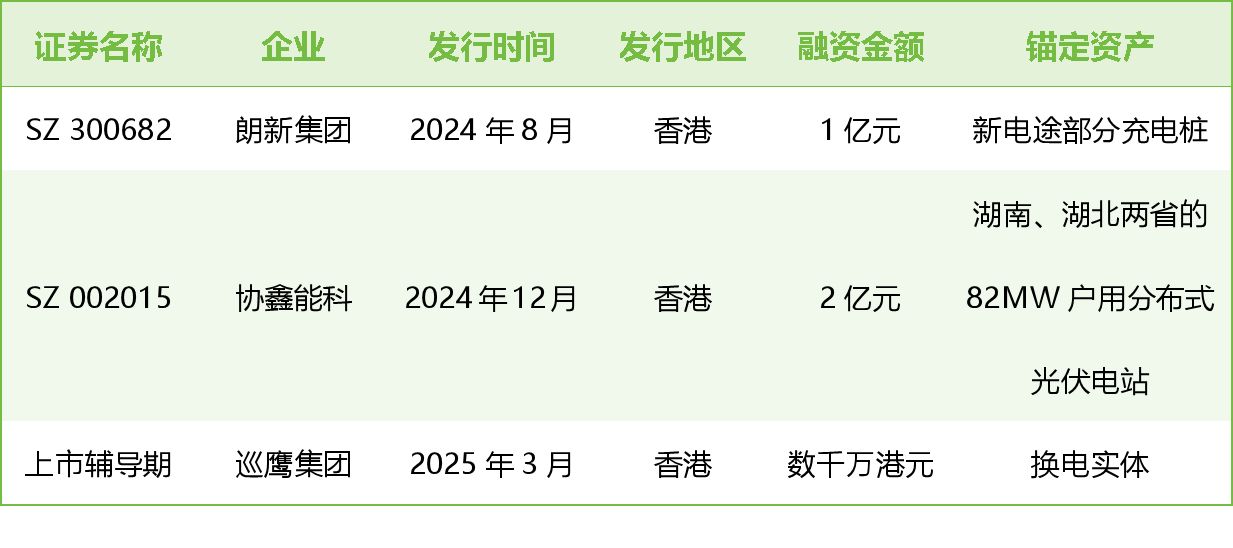
Core Viewpoint - The implementation of the "Stablecoin Regulation" in Hong Kong on August 1, 2025, marks the establishment of the world's first comprehensive regulatory framework for fiat-backed stablecoins, facilitating the development of tokenized assets in the renewable energy sector [1] Group 1: Regulatory Framework and Initiatives - The Hong Kong Monetary Authority launched the Ensemble project sandbox in August last year to explore various use cases for tokenized assets, with a focus on "green and sustainable finance" [1] - The first domestic RWA based on renewable energy assets was completed by Longxin Group and Ant Group in Hong Kong, amounting to approximately 100 million RMB, aimed at supporting small and medium-sized operators in the energy sector [3][5] - The first global RWA for photovoltaic green assets was finalized by GCL-Poly Energy and Ant Group in December 2024, with financing exceeding 200 million RMB [3][5] Group 2: Key Projects and Financing - Longxin Group's project involved tokenizing charging stations as RWA, with each digital asset representing a portion of the revenue rights from the corresponding charging station [3][5] - GCL-Poly Energy's RWA project is anchored by 82 MW of distributed photovoltaic power stations in Hunan and Hubei provinces, with reported electricity sales revenue of 5.2 billion RMB in the previous year [3][4] - The first RWA based on battery swap assets was successfully completed by Xunying Group in March 2025, involving several tens of millions of Hong Kong dollars [4][5] Group 3: Challenges and Solutions - Key challenges in the operation of these projects include ensuring asset authenticity, data accuracy, and timeliness [2][9] - The transition of off-chain data to on-chain platforms poses significant challenges, with industry experts emphasizing the need for independent verification and cross-validation of data [9][10] - Recommendations for improving the RWA model include enhancing digital infrastructure at the asset level, providing clearer regulatory guidelines, and facilitating cross-border transactions [12][13]


2025全球RWA数据产业大会在港召开 香港稳定币新规促数链金融创新
Sou Hu Cai Jing· 2025-07-30 07:14
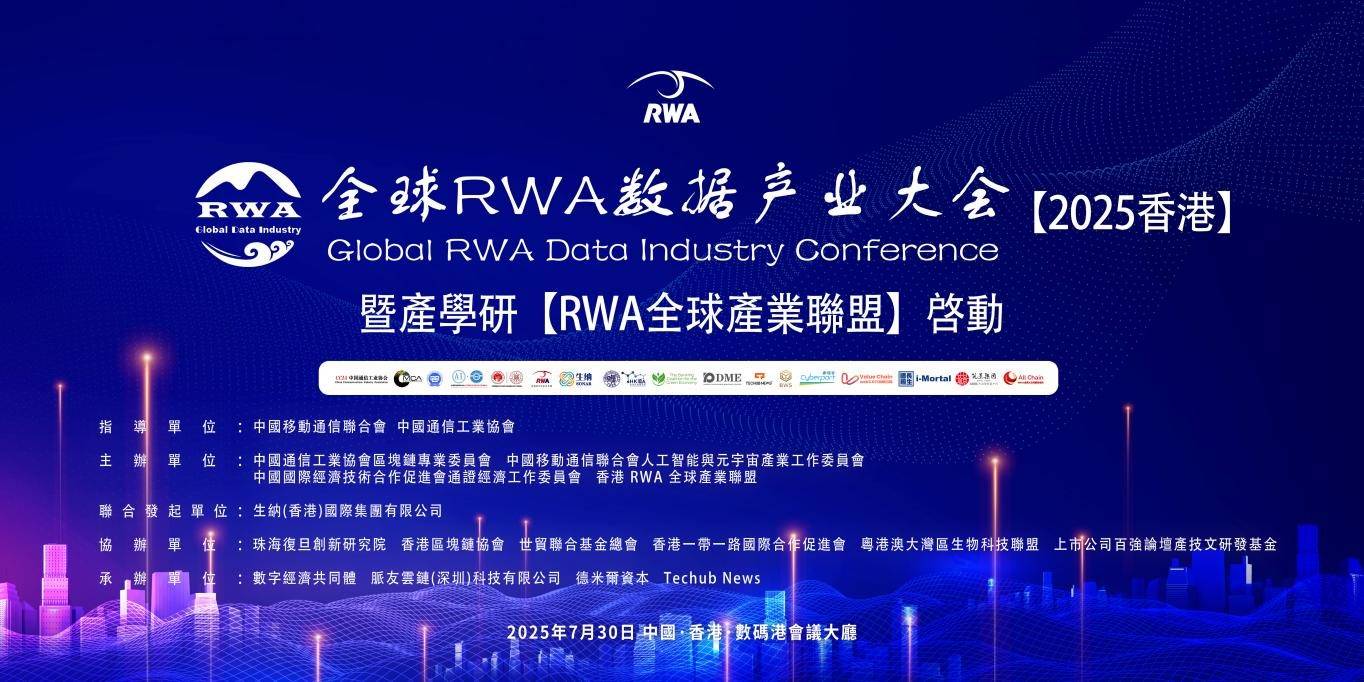
(央链直播报道)2025 年 7 月 30 日时,全球 RWA 数据产业大会在香港数码港会议大厅启幕。参会嘉宾陆续签到入场,为这场聚焦 RWA 数据产业生态的 行业盛会预热。 中国移动通信联合会创始人兼执行会长、中国移动通信联合会人工智能与元宇宙产业委共同主席、中国移动通信联合会数智文教分会共同会长、全球元宇宙 大会发起人兼主席、香港RWA全球产业联盟名誉主席 倪健中 霍英东基金永远董事、RWA研究院名誉主席 霍振宇 香港专业及资深行政人员协会创会会长、全国政协经济委员会副主任 容永祺 香港原立法会议员、联交所 副主席、黄金交易所永远名誉会长、香港 东盟经济 合作基金会 副会长 冯志坚 香港城市大学 副监督、十三届 全国政协委员、原特区政府 行政会议 成员、摩根怡富 中国主席 钟瑞明 长远控股 董事局主席、MINAX创始人、执行主席 刘小鹰 MINAX交易所CEO 邓迪 富通资本 投资管理 有限公司 董事长、全国人大代表、港岛 各界联合会 会长 蔡毅 中国计算机学会 区块链专委会 荣誉主任、科技部"十四五" 区块链 重点专项专家组 组长 斯雪明 中国通信工业协会区块链专业委员会、中国移动通信联合会人工智能与元 ...
小盘美股空头头寸达高位,Mercurity Fintech(MFH.US)逼空信号浮现
Zhi Tong Cai Jing· 2025-07-28 14:07
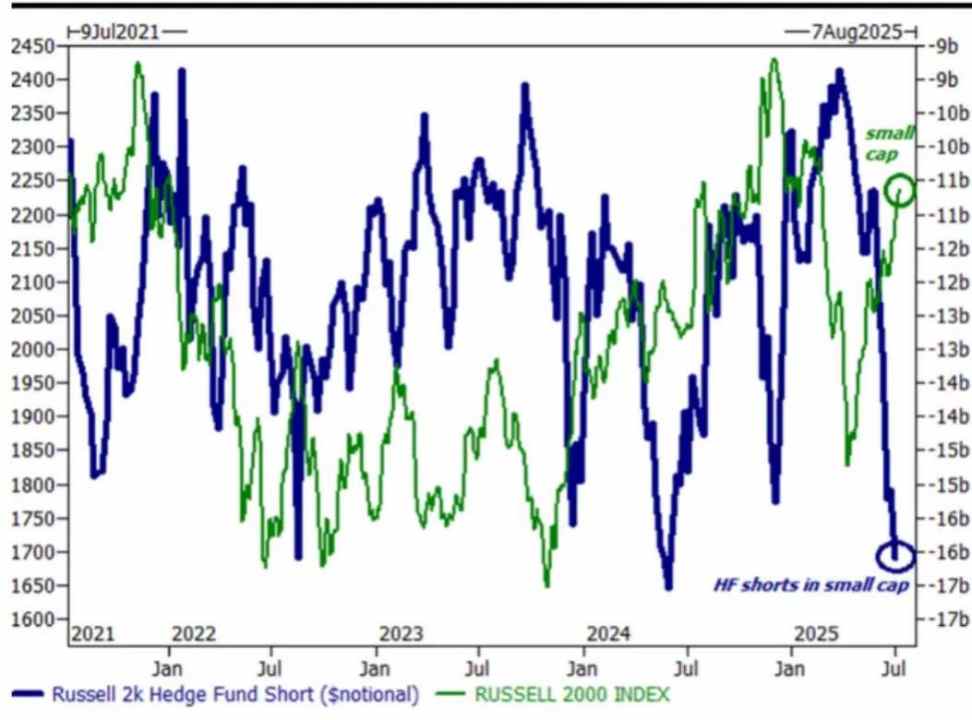
Core Viewpoint - Recent trends in small-cap stocks in the US market indicate significant investment opportunities, particularly with the rise in short positions and the potential for short squeezes [1][3]. Group 1: Short Positions and Market Dynamics - As of July, short interest in the Russell 2000 index reached $16 billion, marking one of the highest levels since 2021 [1]. - Historical data suggests that high short positions often lead to short squeezes, which can result in substantial price increases for small-cap stocks [3]. - The unique characteristics of small-cap stocks amplify price volatility, allowing for significant price movements with minor capital inflows or outflows [3]. Group 2: Case Study of Mercurity Fintech (MFH) - MFH, a small-cap stock with a total share count of 63.6866 million, experienced notable price fluctuations, including a 57.36% drop followed by a 53.12% rebound within a few days [3][4]. - Current short interest for MFH stands at 181,570 shares, representing 4.43% of its float, with a short interest ratio of 3.11 days, indicating manageable short covering pressure [4][5]. - The recent price movements of MFH are closely linked to short covering dynamics, highlighting the stock's trading elasticity [5]. Group 3: Strategic Business Developments - MFH has announced an $800 million fundraising plan aimed at establishing a long-term Bitcoin reserve and enhancing its asset management framework [6]. - The company has entered a $200 million equity credit agreement with Solana Ventures, positioning itself within the high-throughput, low-fee blockchain ecosystem [6]. - MFH has raised approximately $43.7 million through direct issuance to advance its cryptocurrency financial strategy, including ecosystem staking and tokenized revenue tools [6]. Group 4: Market Position and Future Outlook - The current environment for blockchain finance is favorable due to regulatory easing and technological advancements, providing a conducive landscape for MFH's growth [6]. - The board of MFH has approved a share repurchase plan of up to $10 million over the next 12 months, signaling confidence in the company's long-term value [6]. - MFH's deep engagement in the blockchain finance sector positions it to capitalize on industry growth, making it a potentially valuable long-term investment [7].

区块链革命遇阻!代币化美股暴涨百倍,XBIT如何破解行业困局?
Sou Hu Cai Jing· 2025-07-18 09:27
Core Viewpoint - The emergence of tokenized stocks driven by blockchain technology has faced significant challenges, including extreme price volatility and regulatory scrutiny, highlighting the conflict between blockchain's openness and financial market compliance [1][2][7]. Group 1: Tokenized Stocks Overview - The experiment began on June 30, with platforms like Robinhood and Kraken launching "xStocks" tokenized stocks, intended to facilitate 24/7 trading and lower cross-border investment barriers [2]. - Within two weeks, severe issues arose, such as liquidity problems and price disconnection from underlying assets, exemplified by a trader pushing the price of Amazon tokens to $23,781, a 124-fold premium over the actual stock price [1][2]. Group 2: Regulatory and Market Manipulation Concerns - The issuance of tokenized stocks has raised legal questions, as Robinhood faced backlash for unauthorized issuance of OpenAI tokens, prompting investigations by the Lithuanian central bank [2]. - The anonymous trading nature of platforms like Jupiter has led to concerns about market manipulation, with Chainalysis warning that such environments facilitate money laundering and price manipulation [2]. Group 3: XBIT's Solutions and Innovations - XBIT decentralized exchange has implemented a three-tier defense system to address these issues: real-time price calibration using Chainlink, dynamic liquidity pool adjustments, and KYC-Chain certification for trader identification [5][7]. - The platform has successfully maintained a daily trading volume exceeding $800 million without significant price anomalies, demonstrating the effectiveness of its compliance-first approach [7][10]. Group 4: Bridging Blockchain and Traditional Finance - XBIT is exploring a hybrid settlement network in collaboration with BNY Mellon, allowing for both traditional and blockchain-based transactions [8]. - The integration of SEC's MIDAS system into blockchain aims to monitor trading patterns and enhance regulatory oversight, contributing to investor protection [8]. - An educational initiative, "Blockchain Securities Academy," has been launched to help users understand the risks associated with tokenized assets [8][10].