动力电池回收

Search documents
【快讯】每日快讯(2025年8月22日)
乘联分会· 2025-08-22 13:23
Domestic News - Chengdu's industrial added value for the first seven months of 2025 increased by 8.0% year-on-year, with fixed asset investment growing by 4.5%, and private investment rising by 5.6% [2] - Henan province is promoting the integration and cluster development of strategic emerging industries, focusing on enhancing the scale and competitiveness of sectors like new information technology, high-end equipment, and new energy vehicles [3] - Shenyang is launching an autumn automobile consumption subsidy program from August 22 to September 5, 2025, with a total subsidy of 50 million yuan available for eligible consumers [4] - Shenzhen's exports of "new three samples" products, including electric vehicles, lithium batteries, and photovoltaic products, reached 62.18 billion yuan in the first seven months of 2025, marking a year-on-year growth of 21.5% [5] - The National Hydrogen Energy Vehicle Industry Measurement and Testing Center has been approved for establishment to enhance the core competitiveness of the hydrogen energy vehicle industry [6] - FAW Bestune and Jiangsu Yueda Group have signed a strategic cooperation agreement to enhance collaboration in various fields, including equity investment and supply chain coordination [7] - NIO's chairman Li Bin announced that the company has invested over 18 billion yuan in charging and battery swapping infrastructure over the past decade, with more than 8,100 charging and battery swapping stations established nationwide [8] - A joint laboratory for low-carbon recycling of power batteries has been established in Wuhan, aiming to promote the low-carbon circular economy of power batteries through collaboration among key industry players and academic institutions [9] Foreign News - The United States and the European Union have reached a trade agreement framework, which includes a commitment from the EU to purchase at least $400 billion worth of American AI chips for data center construction by 2028 [10] - In July 2025, new car sales in Malaysia experienced a slight decline of 5% year-on-year, with total sales for the first seven months also down by 5% compared to the previous year [11] - eBay has introduced a free return service for eligible automotive parts purchases, enhancing the shopping experience for consumers [12] - Hyundai and Kia's market share in Saudi Arabia rose to 23% in the first half of 2025, selling a total of 96,160 vehicles [12] Commercial Vehicles - JAC's multiple models have won awards for the highest resale value in the commercial vehicle sector, reflecting their strong product quality and service ecosystem [15] - DeepWay's new energy heavy truck "Xingtu" has completed its first batch of deliveries, marking a significant milestone in the large-scale application of new energy heavy trucks [16] - FAW Jiefang's natural gas engine has entered the South American market, specifically in Peru, aligning with the region's growing demand for environmentally friendly vehicles [17] - Yuchai's new methanol engine has been successfully ignited, expanding its product family and supporting the green transition in various applications [18][19]


武汉动力电池低碳循环产业创新联合实验室成立
Zheng Quan Shi Bao Wang· 2025-08-21 12:48
Group 1 - The core viewpoint of the article is the establishment of the Wuhan Power Battery Low-Carbon Recycling Industry Innovation Joint Laboratory, which aims to address resource bottlenecks and recycling challenges in the power battery lifecycle [1] - The laboratory is co-founded by 12 key units in the new energy industry chain, including leading companies and top universities, indicating a strong collaboration between academia and industry [1] - The initiative is led by Wuhan Power Recycling, a leader in the battery recycling sector, highlighting the importance of industry leadership in driving innovation [1] Group 2 - The laboratory aims to create a collaborative innovation system that integrates basic research, technological breakthroughs, engineering scaling, and commercial application [1] - The focus on low-carbon utilization throughout the entire lifecycle of power batteries reflects the industry's commitment to sustainability and environmental responsibility [1] - The involvement of major players in the new energy vehicle, robotics, and recycling sectors suggests a comprehensive approach to tackling the challenges in the battery recycling ecosystem [1]

大学教授收废品,一年狂揽300亿
创业邦· 2025-08-16 10:08
Core Viewpoint - The article highlights the significant potential of the battery recycling industry, particularly in China, where the recycling of used batteries can transform waste into valuable resources, addressing both economic and environmental concerns [5][9][18]. Group 1: Industry Overview - China generates 800,000 tons of discarded batteries annually, enough to fill 750 football fields [5]. - The global market for battery recycling is projected to exceed 100 billion yuan by 2025, driven by the increasing penetration of electric vehicles [7][9]. - The recycling of used batteries is crucial for mitigating supply chain risks, as China heavily relies on imports for key minerals like lithium, cobalt, and nickel, with cobalt import dependency reaching 98% [7][9]. Group 2: Company Profile - GreeenMei - GreenMei, founded by Xu Kaihua, has developed a comprehensive technology for safely dismantling and extracting valuable metals from used batteries, achieving high purity levels suitable for reuse in the new energy industry [9][10][18]. - In 2024, GreenMei reported a revenue of 33.2 billion yuan, with a market capitalization exceeding 30 billion yuan, serving major clients like Samsung, LG, and CATL [9][10]. - The company has established a global recycling network, processing tens of thousands of tons of used batteries annually, making it the largest battery recycling enterprise worldwide [18][19]. Group 3: Entrepreneurial Journey - Xu Kaihua transitioned from a university professor to an entrepreneur after being inspired by the need for a resource recycling system during a visit to Japan [11][20]. - Despite initial challenges, including a lack of revenue and skepticism about the industry, Xu persisted in developing battery recycling technology, leading to the successful production of fine cobalt and nickel powders by 2004 [12][15]. - The partnership with global mining giant Rio Tinto in 2008 marked a turning point for GreenMei, helping to establish its reputation for quality and paving the way for future growth [16][17]. Group 4: Future Prospects - As the electric vehicle market continues to grow, the demand for battery recycling will increase, with GreenMei positioned to capitalize on this trend due to its established infrastructure and technological advancements [17][18]. - The company has applied for over 5,000 patents and has played a key role in drafting national standards for battery recycling, reinforcing its competitive edge in the industry [17][18].
经济价值大幅提升 动力电池回收产业迎风口
Xin Hua Wang· 2025-08-12 05:55
Core Viewpoint - The strategic partnerships formed by Greeenme and other companies in the battery recycling sector highlight the growing economic value and market potential of battery recycling, driven by the increasing number of electric vehicles and rising raw material prices [1][2]. Market Outlook - The rapid development of the electric vehicle industry has led to heightened attention on the battery recycling sector, with significant material recovery rates reported, such as 99.3% for nickel-cobalt-manganese and over 90% for lithium [2]. - The supply of lithium resources is expected to remain tight, making battery recycling a crucial supplement to lithium supply, with projections indicating that by 2050, half of the materials used in batteries could come from recycled sources [2]. - The demand for power batteries has surged since 2015, leading to increased prices for cobalt, nickel, and lithium due to supply-demand imbalances, with lithium carbonate prices reaching a historical high of 503,000 yuan per ton in April 2023, up nearly 70% from the beginning of the year [2]. - The global battery recycling market is projected to exceed 150 billion yuan by 2027, as the retirement of electric vehicle batteries is anticipated to peak soon [2]. Industry Developments - The battery recycling industry has seen a significant influx of capital, with over 10,700 new registered companies in 2021, accounting for 80% of the total number of enterprises in the sector [4]. - Major players like CATL and Tianqi Lithium have accelerated their entry into the battery recycling business, with strategic partnerships being formed to enhance resource recovery and recycling capabilities [4][5]. - Companies such as Greeenme are increasing investments in battery recycling, with plans to establish a closed-loop industry chain for lithium-ion batteries and enhance recycling services for engineering machinery batteries [4][5]. Current Challenges - The battery recycling industry is still in its early stages, with a need for a more robust recycling system and regulatory framework to address issues such as informal recycling practices and inadequate pricing mechanisms [6][7]. - Recent government initiatives aim to improve the recycling system and promote collaboration across the industry, with over 10,000 recycling service points already established [7].

特斯拉表态电池回收,还有行业高峰论坛月底举行,未来三年市场规模或超两千亿
Xuan Gu Bao· 2025-08-11 07:28
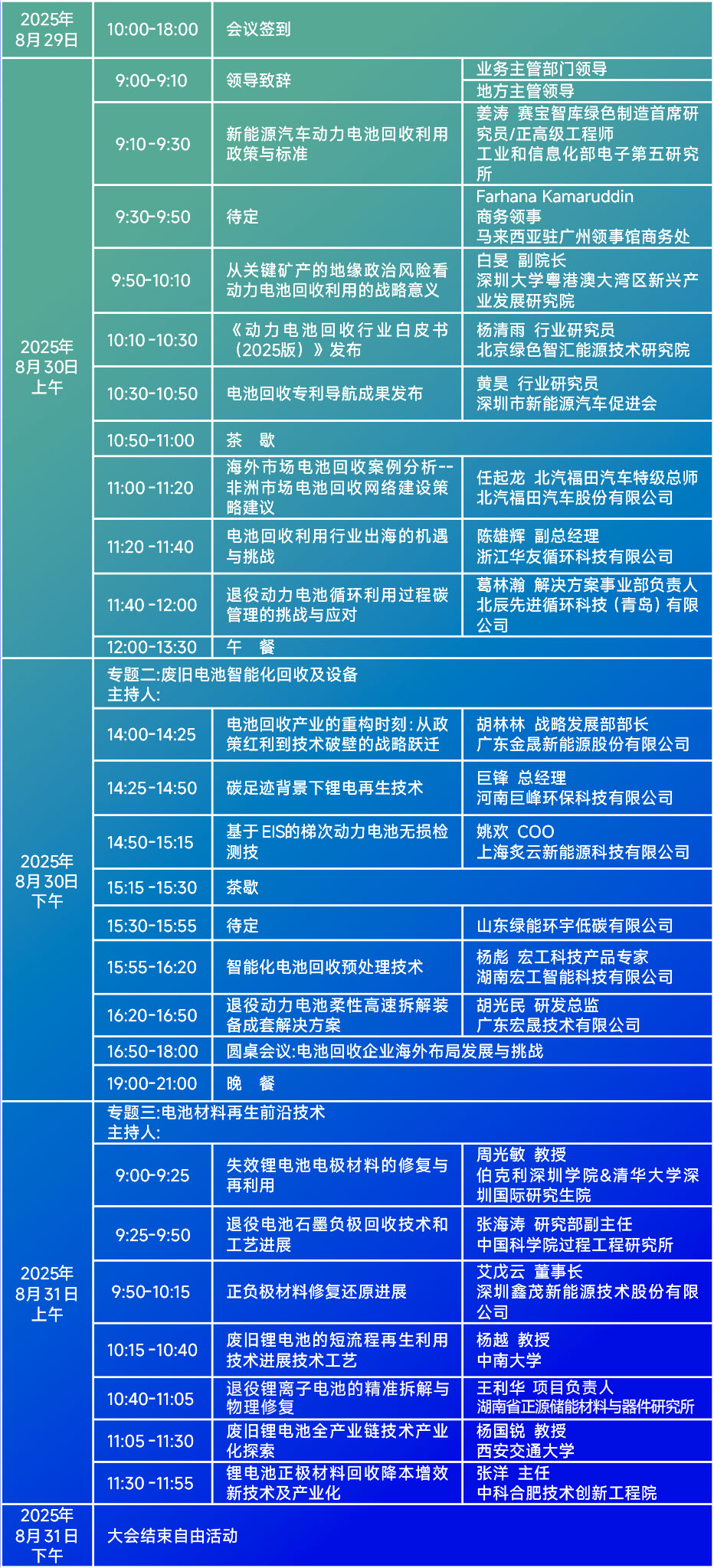
一、事件:全球动力电池回收产业峰会 中商产业研究院指出,动力电池作为新能源汽车的核心部件,其内部富含锂、钴、镍等战略性金属材料,即便在退役后仍具备显著的资源循环利用价值。当 前,伴随新能源汽车产业的高速发展及早期装机电池陆续达到使用年限,我国动力电池正加速迈入规模化退役的新阶段,行业前景广阔。 特斯拉也有最新表态 8月11日,特斯拉公司全球副总裁陶琳在微博发文称,特斯拉认真对待每一块回收的电池,将它们全部再利用,其中90%的废料会被提取出来投入到新电池 的生产中。2024年,特斯拉成功回收了足以制造约21000辆Model Y后轮驱动版车型电池的材料。 上证报报道指出,退役动力电池回收主要分为梯次利用及拆解回收两种方式。在电池容量衰减至80%以下时,会采用梯次回收的方式对电池进行拆解、检测 筛选,并在两轮车、环卫车等低功率电动车或储能领域使用。 而对于容量过低的电池,则会通过回收设备进行拆解回收处理,在破碎和分选中获得铜粉、铝粉、黑粉等。其中,在黑粉中可进一步提取锂、钴、镍等稀有 金属资源,实现经济效益最大化。 2025全球动力电池回收产业峰会暨第十三届退役动力电池回收利用高峰论坛将于8月29日至31日在深圳 ...

项目建设多点开花 政企协力卡位动力电池回收“蓝海”
Shang Hai Zheng Quan Bao· 2025-08-07 18:28
Core Viewpoint - The rapid development of the new energy vehicle industry is driving significant growth in the power battery recycling market, with various stakeholders including mining companies, battery manufacturers, and third-party recycling firms actively participating in this sector [2][5]. Group 1: Market Expansion and Projects - Multiple regions in China, including Jiangxi, Guangdong, Sichuan, Jiangsu, and Anhui, have initiated battery recycling projects, with several listed companies involved [2][3]. - Recent projects include a 3.8 billion yuan battery recycling center in Sichuan with a planned annual processing capacity of 30,000 tons, and various other projects across different provinces with capacities ranging from 1.4 million tons to 40,000 tons [3][4]. Group 2: Industry Participation - Companies across the battery supply chain, including upstream mining firms and downstream vehicle manufacturers, are increasingly investing in battery recycling initiatives [5][6]. - Notable projects include a joint venture by Ganfeng Lithium and others for a lithium battery recycling project with a total investment of 500 million yuan, aiming to process 20,000 tons of retired battery packs annually [5][6]. Group 3: Future Projections - By the end of 2024, the number of new energy vehicles in China is expected to exceed 31 million, leading to a significant increase in retired battery volumes [7]. - The battery recycling market is projected to surpass 100 billion yuan by 2030, driven by factors such as battery replacement policies and the growing number of operational electric vehicles [7]. Group 4: Technological and Strategic Developments - The industry is witnessing a trend towards technological upgrades and capacity enhancements in existing recycling facilities, with projects focusing on improving processing capabilities [4][6]. - Companies are forming strategic partnerships to secure raw material supplies and enhance their recycling capabilities, with a focus on building stable recycling channels [8][9]. Group 5: Regulatory and Industry Standards - The Chinese government is actively working on establishing a comprehensive battery recycling system, with recent policies aimed at improving industry standards and regulatory frameworks [9]. - The emphasis on platformization in the recycling sector is evident, with several companies launching collaborative platforms to address industry challenges such as recycling system inefficiencies and pricing issues [9].

动力电池回收再利用如何破局
Zhong Guo Qi Che Bao Wang· 2025-07-30 01:13
Core Insights - The battery recycling industry is undergoing significant transformation towards standardization, specialization, and scaling, driven by policy improvements and technological advancements [2] - Despite progress, the industry faces challenges such as chaotic recycling practices, limited secondary utilization, and fluctuating economic viability [2] Industry Development - The number of new energy vehicles in China has reached 36.89 million, with a projected retirement of over 200 GWh of batteries by 2030 [3] - A preliminary battery recycling system has been established, with approximately 15,000 service points set up across the country [3] - Policies promoting the recycling system include a producer responsibility extension framework and financial incentives for "white list" companies [3] Company Initiatives - NIO has developed a Battery as a Service (BaaS) model that includes battery lifecycle monitoring and centralized recycling capabilities, achieving over 98% recovery rate for retired batteries [4] - The company holds nearly 30 GWh of battery assets, setting an example for compliance with producer responsibility regulations [4] Challenges in the Industry - The industry is characterized by a fragmented landscape with over 100,000 battery recycling companies, leading to regulatory difficulties [5] - There are issues with recycling channels and market norms, resulting in limited actual recovery volumes and competition from informal operators [5][6] - Stringent requirements for secondary utilization in sectors like energy storage and electric bicycles are hindering large-scale applications [6] Recommendations for Improvement - Experts suggest enhancing cross-departmental enforcement and establishing a blacklist mechanism to curb industry chaos [7] - A comprehensive lifecycle traceability system is recommended to ensure transparency and accountability in battery recycling [7] - The need for differentiated recycling technology routes for various vehicle types has been emphasized to improve recovery efficiency [9] Technological and Market Innovations - Investment in advanced technologies such as AI and robotics is crucial for improving recycling processes and efficiency [8] - The industry is currently dominated by three recycling models: vehicle manufacturers, battery manufacturers, and third-party recyclers, each with its own advantages and challenges [8]

大咖共探动力电池回收破局之道
Zhong Guo Qi Che Bao Wang· 2025-07-22 03:27
Core Viewpoint - The seminar on promoting the high-quality development of the power battery recycling industry highlighted the current status, challenges, and solutions for the industry, emphasizing the need for standardized and high-quality development in battery recycling [1] Group 1: Current Industry Status - The power battery recycling system in China has been initially established, with a projected retirement volume of over 200 GWh by 2030 due to the rapid growth of the new energy vehicle market [3] - The national policy framework centered on the producer responsibility extension system has been formed, with both central and local governments issuing supportive policies [3] - Leading companies have achieved over 98% recovery rates for nickel, cobalt, and manganese metals, reaching international leading levels [3] Group 2: Challenges in Battery Recycling - The industry faces three major challenges: a fragmented market with many small players, limited recovery channels leading to low actual recovery volumes, and restrictions on second-life applications due to stringent policies and standards [4][5] - The current market is characterized by a "many monks, little porridge" situation, where the number of recycling companies exceeds the available retired batteries [5] - The closed-loop from waste batteries to regenerated materials has not been established, with existing dismantling and reuse technologies still immature [5] Group 3: Recommendations for Improvement - Experts suggested enhancing cross-departmental law enforcement and establishing a blacklist and joint punishment mechanism for non-compliant companies [6] - It was recommended to implement strict quality control for second-life products and to clarify the usage ratio of recycled materials in battery production [6][7] - The integration of advanced technologies such as artificial intelligence and robotics into the recycling process was emphasized to improve efficiency and effectiveness [7] Group 4: Collaborative Efforts - There is a consensus among participants that only through coordinated efforts in policy, technology, and market can the power battery recycling industry achieve standardized and high-quality development [8]
重庆:鼓励新能源汽车生产企业、动力电池生产企业、报废汽车拆解企业和动力电池回收利用企业合作共建回收服务网点
news flash· 2025-07-17 11:26
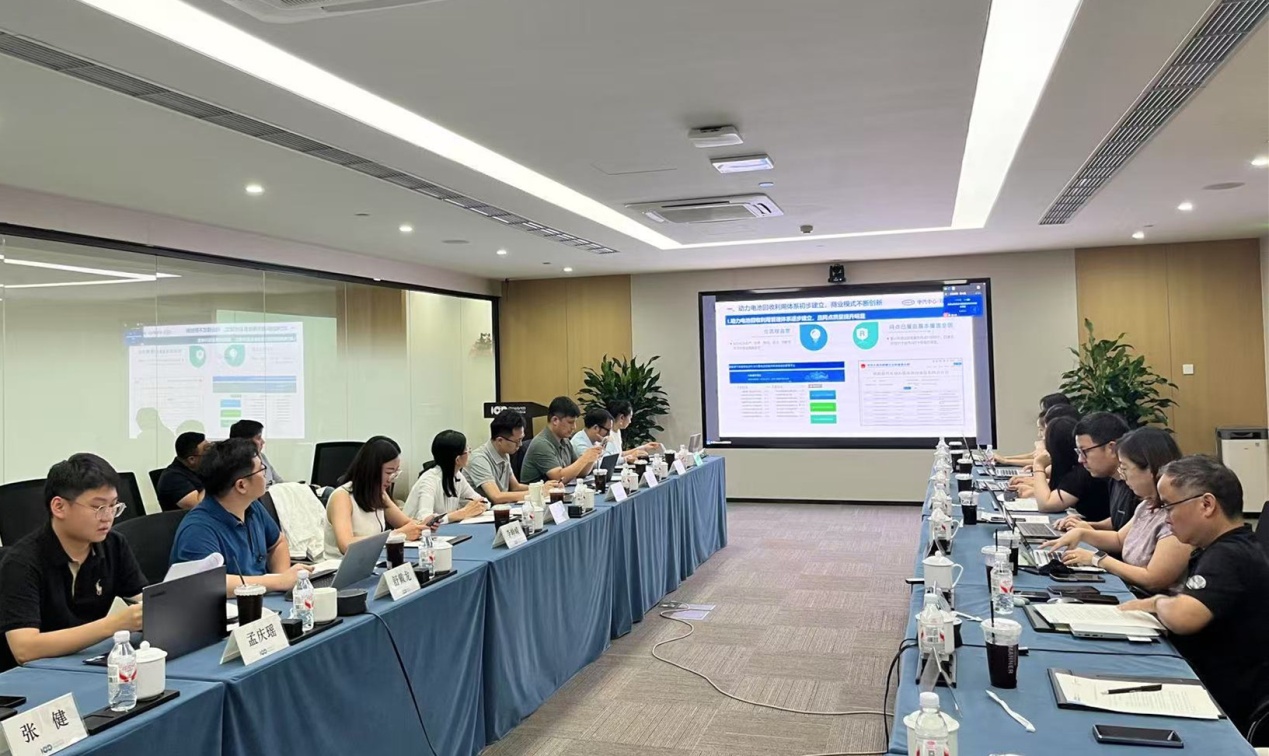
Core Viewpoint - Chongqing's Economic and Information Technology Commission has issued a work plan for cultivating the recycling and utilization industry of new energy vehicle power batteries from 2025 to 2027, emphasizing the establishment of a collaborative recycling service network among various stakeholders in the industry [1] Group 1: Industry Collaboration - The plan encourages cooperation among new energy vehicle manufacturers, power battery producers, scrapped vehicle dismantling companies, and battery recycling enterprises to jointly build recycling service points [1] - It supports existing recycling networks to expand their operations into power battery recycling and to include the collection of used lithium batteries from electric bicycles [1] Group 2: Cost and Risk Management - The initiative aims to continuously reduce operational costs and safety and environmental risks for individual companies involved in the recycling process [1] - It promotes the exploration of innovative business models to create a cooperative mechanism that is efficient and benefits all parties involved [1] Group 3: Infrastructure Development - Companies are encouraged to establish large regional recycling centers that integrate collection, transportation, and comprehensive utilization functions [1] - The goal is to achieve a one-stop recycling and utilization process for used power batteries with shorter chains and fewer steps [1]
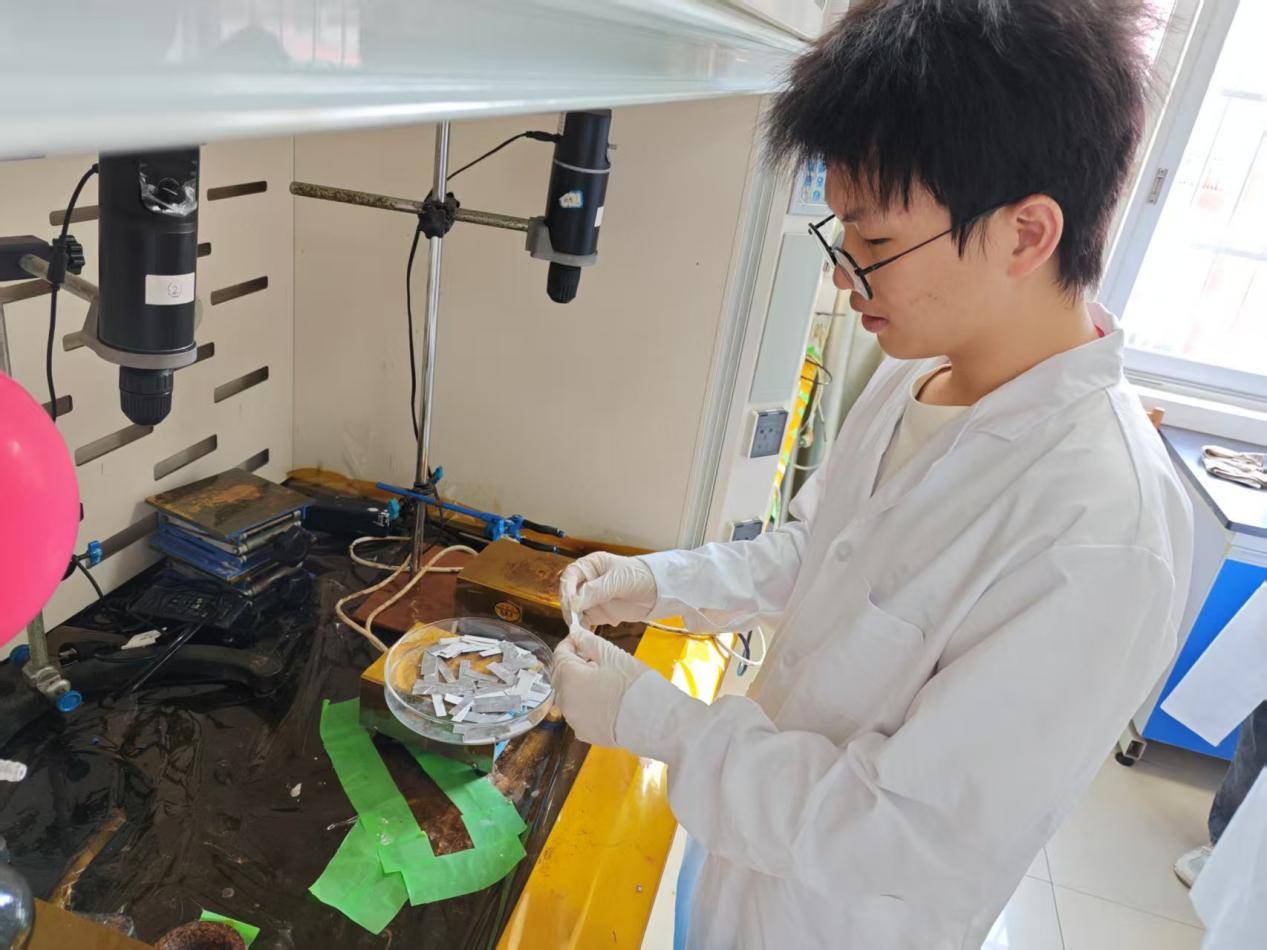
创新突破!湖南工业大学锂源再生团队研发电池新技术
Sou Hu Cai Jing· 2025-07-09 01:57
Core Viewpoint - The innovative bioprotein-mediated technology developed by Hunan University of Technology has achieved significant success in the efficient recovery of precious metals from lithium battery tailings, marking a milestone in the resource utilization of solid waste in the new energy sector [1][3]. Group 1: Technology and Innovation - The bioprotein-mediated gradient recovery system addresses three major industry challenges: difficulty in separating low-grade tailings precious metals, high recovery costs, and potential secondary pollution [1][3]. - The technology has been patented with four national invention patents and is considered a crucial pillar for promoting the circular development of the lithium battery industry [1][5]. - The average content of lithium, cobalt, and nickel in lithium battery tailings is 2.3 kg, 1.8 kg, and 3.5 kg per ton, respectively, which could meet 15% of the global demand for lithium battery raw materials if efficiently recovered [3]. Group 2: Environmental and Economic Impact - The new technology has increased the total recovery rate of precious metals from tailings to 92%, reduced processing costs by 58%, and eliminated harmful gas emissions during the process [3][5]. - The purity of lithium obtained from the tailings reaches battery-grade standards (99.95%), with cobalt and nickel recovery rates improved by 42% and 37% compared to traditional methods [5]. - The carbon emissions during the processing are reduced by 76% compared to traditional pyrometallurgical methods, showcasing a significant environmental benefit [5]. Group 3: Industry Collaboration and Future Prospects - Leading companies in the industry, such as BYD and Bangpu Recycling, have shown interest in collaborating on the industrialization of this technology [5][7]. - The research team is establishing a comprehensive innovation system that integrates microbial screening, protein modification, pilot testing, and industrial application [7]. - The team aims to explore a deep integration path of industry-university-research collaboration to ensure that technological innovations effectively support industrial development [7].