产学研深度融合

Search documents
深耕科教沃土以真知灼见赋能
Xin Hua Ri Bao· 2026-02-27 20:02
Group 1 - The core focus is on the integration of technological innovation and industrial innovation, which is seen as a driving force for development [1][2] - The importance of deep integration between industry, academia, and research is emphasized, with a call for innovative mechanisms and win-win cooperation to overcome challenges [2] - A significant number of projects in synthetic biology and new energy have been successfully implemented, enhancing opportunities for quality education and university access [2] Group 2 - Research has revealed issues such as overcapacity in strategic emerging industries like new energy, leading to unhealthy competition [3] - There is a need for industry self-regulation and capacity control to foster healthy competition and promote technological innovation for industrial and consumer upgrades [3] - The future of technological innovation is anticipated to open new application scenarios, with a focus on areas like autonomous vehicles and embodied intelligence, leveraging unique advantages in talent, market scale, and industrial foundation [3]
强强联合 智领味来:双汇携手中国农科院共建营养健康食品联合研究中心
Mei Ri Jing Ji Xin Wen· 2026-02-11 14:05
Core Viewpoint - The establishment of the "Nutrition and Health Food Joint Research Center" by Shuanghui Development and the Chinese Academy of Agricultural Sciences marks a significant step towards enhancing technological innovation and industry upgrade in the food sector, aligning with national health strategies and consumer demands for healthier food options [2][3][5]. Group 1: Strategic Importance - The shift in consumer dietary needs from "eating enough" to "eating healthily" is emphasized as a critical driver for developing nutrition-focused food products [3]. - The collaboration represents a strong alliance between industry and academia, aiming to integrate scientific research with market needs, thus fostering a technology-driven innovation system [5]. Group 2: Research Focus and Goals - The Joint Research Center will focus on key areas such as children's food, senior nutrition, and functional health foods, providing comprehensive research support [4]. - Five core strategic directions have been outlined for the center, including tackling major scientific projects, developing targeted health products, ensuring seamless integration from lab to consumer, nurturing innovative talent, and participating in national standard formulation [4]. Group 3: Industry Impact - This partnership is expected to bridge the gap between research and market application, enhancing Shuanghui's position in the meat protein supply sector while providing practical applications for the research outcomes of the Chinese Academy of Agricultural Sciences [5]. - The initiative signifies a transition in the Chinese food industry towards high-quality development driven by technological innovation, promising consumers a wider range of healthier food choices [5].


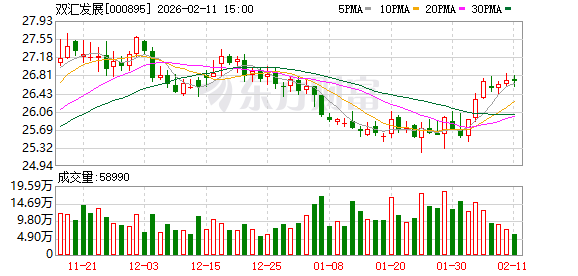
强强联合,智领“味”来:双汇携手中国农科院共建营养健康食品联合研究中心
Zhong Guo Xin Wen Wang· 2026-02-11 09:08
Core Viewpoint - The establishment of the "Nutrition and Health Food Joint Research Center" by Shuanghui Development and the Chinese Academy of Agricultural Sciences marks a significant step towards enhancing technological innovation and industry upgrading in the food sector, aligning with national health strategies and consumer demands for healthier food options [3][5][9]. Group 1: Strategic Importance - The shift in consumer dietary needs from "eating enough" to "eating healthily" is emphasized as a critical trend, necessitating the development of nutritious food products [3][5]. - The collaboration with a national research institution signifies a strong partnership aimed at integrating scientific research with industry practices, which is essential for advancing the food sector [5][9]. Group 2: Research Center Objectives - The Joint Research Center will focus on key areas such as children's food, senior nutrition, and functional health foods, providing comprehensive research support [7]. - Five core strategic directions have been established for the center, including: - Technological breakthroughs in major research projects [7]. - Precision in developing low-GI foods and organic products to meet diverse nutritional needs [7]. - Accelerating the transformation of research outcomes into market-ready products [7]. - Cultivating innovative talent through deep integration of industry and academia [7]. - Leading industry standards and participating in national research projects [7]. Group 3: Industry Impact - The partnership is expected to bridge the gap between research and market application, fostering a technology-driven innovation system that benefits both Shuanghui and the Chinese Academy of Agricultural Sciences [9]. - This initiative is anticipated to enhance Shuanghui's position in the meat protein supply sector while providing practical applications for the research outcomes of the Chinese Academy [9]. - The establishment of the center signals a new phase in the Chinese food industry, focusing on high-quality development driven by technological innovation, ultimately benefiting consumers with healthier food choices [9].
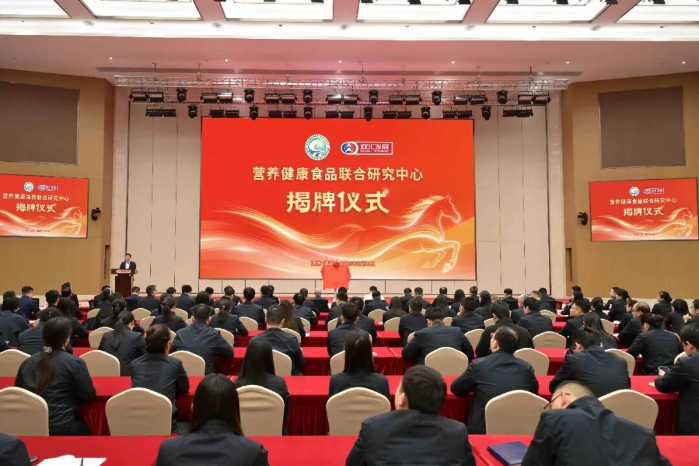
智领味来:双汇携手中国农科院共建营养健康食品联合研究中心
Qi Lu Wan Bao· 2026-02-11 08:13
Core Viewpoint - The establishment of the "Nutrition and Health Food Joint Research Center" by Shuanghui Development and the Chinese Academy of Agricultural Sciences marks a significant step towards enhancing technological innovation and industry upgrading in the food sector, aligning with national health strategies and consumer demands for healthier food options [3][5][9]. Group 1: Strategic Importance - The shift in consumer dietary needs from "eating enough" to "eating healthily" is emphasized as a critical trend, necessitating the development of nutritious food products [3][5]. - The collaboration with a national research institution signifies a strong partnership aimed at integrating scientific research with industry practices, which is seen as a milestone for deepening the synergy between academia and industry [5][9]. Group 2: Research Focus and Goals - The Joint Research Center will focus on key areas such as children's food, senior nutrition, and functional health foods, providing comprehensive research support [7]. - Five core strategic directions have been identified: 1. Technological breakthroughs in major research projects, including key technologies like non-crystalline deep freezing and flavor compensation [7]. 2. Development of low glycemic index (GI) foods, organic products, health supplements, and specialized dietary products to meet diverse nutritional needs [7]. 3. Accelerating the transformation of research into practical applications, ensuring seamless integration from laboratory to consumer [7]. 4. Cultivating innovative talent through a collaborative educational framework [7]. 5. Leading industry standards by participating in national research projects and standard-setting [7]. Group 3: Industry Impact - The partnership is expected to bridge the gap between scientific research and market needs, fostering a technology-driven innovation system that prioritizes consumer health [9]. - This initiative is anticipated to enhance Shuanghui's position in the meat protein supply sector while providing practical applications for the research outcomes of the Chinese Academy of Agricultural Sciences [9]. - The establishment of the center signals a new phase in the Chinese food industry, focusing on high-quality development driven by technological innovation, ultimately benefiting consumers with healthier food choices [9].
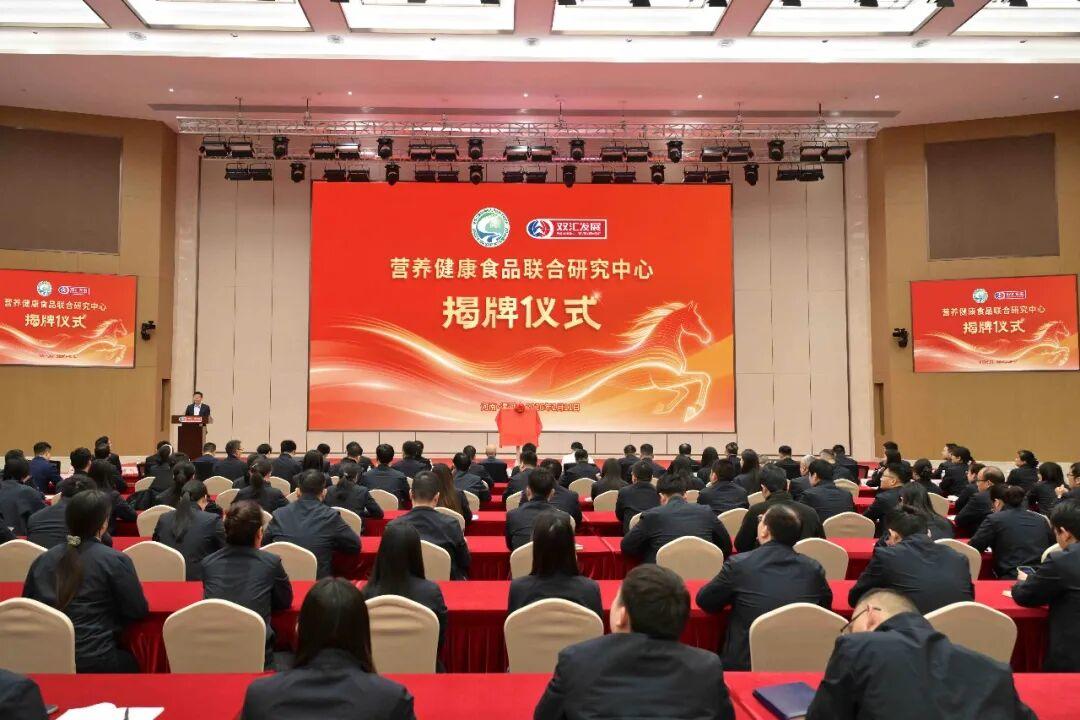
强强联合,智领味来:双汇携手中国农科院共建营养健康食品联合研究中心
Jin Rong Jie· 2026-02-11 07:43
Core Viewpoint - The establishment of the "Nutrition and Health Food Joint Research Center" by Shuanghui Development and the Chinese Academy of Agricultural Sciences marks a significant step towards enhancing technological innovation and industry upgrading in the health food sector, aligning with national food safety strategies and the "Healthy China 2030" initiative [2][11]. Group 1: Strategic Importance - The shift in consumer dietary needs from "sufficient food" to "nutritious and healthy food" is accelerating, necessitating the development of health food products [2][5]. - The collaboration between Shuanghui and the Chinese Academy of Agricultural Sciences represents a strong alliance between industry and academia, aiming to create a deep integration of research and practical application [5][11]. Group 2: Research Focus and Goals - The Joint Research Center will focus on key areas such as children's food, senior food, and functional health food, providing comprehensive research support [7]. - Five core strategic directions were announced for the center, including: - Tackling major scientific research projects with a focus on key technologies [8]. - Developing low GI foods, organic foods, health products, and specialized dietary products to meet diverse nutritional needs [8]. - Ensuring seamless integration from laboratory to consumer through the entire production chain [8]. - Cultivating innovative talent through deep integration of industry and academia [8]. - Leading industry standards and participating in national standard formulation [9]. Group 3: Future Outlook - The partnership is expected to break down barriers between research and market, establishing a technology innovation system that is market-oriented and enterprise-led [11]. - The establishment of the center is anticipated to enhance Shuanghui's position in the meat protein supply sector and provide application scenarios for the research achievements of the Chinese Academy of Agricultural Sciences [11]. - This initiative signifies a new phase in the Chinese food industry, driven by technological innovation, promising consumers a wider range of healthier food options [11].
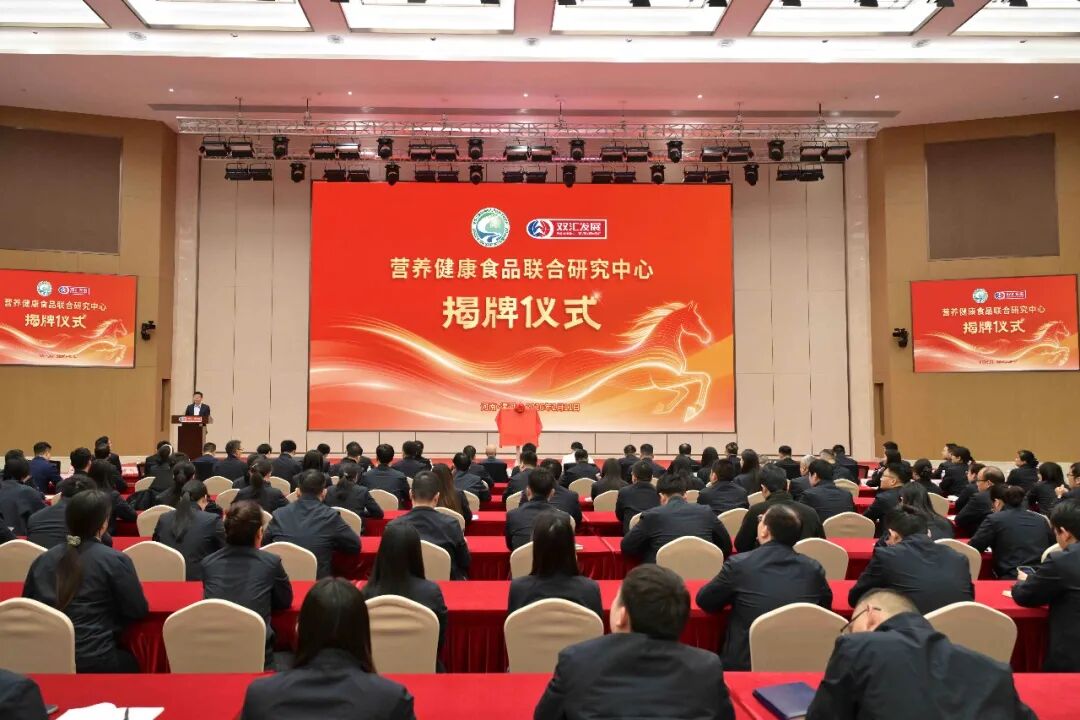
卓越工程师应如何培养
Jing Ji Wang· 2026-02-10 06:04
Core Viewpoint - The article discusses the ongoing reforms in the training of outstanding engineers in China, emphasizing the establishment of a new talent cultivation mechanism that integrates education with industry needs to better prepare students for engineering practices [1][2]. Group 1: Reform Initiatives - The "14th Five-Year Plan" highlights the need to cultivate strategic scientists, leading talents in technology, outstanding engineers, and skilled workers as part of national talent strategy [1]. - The Ministry of Education has initiated a pilot program for the reform of engineering master's and doctoral training, with nearly 26,000 students enrolled in joint school-enterprise training, marking a significant step towards organized and large-scale training [1][2]. Group 2: New Talent Cultivation Platform - A new type of talent cultivation platform is being established, with 50 National Excellent Engineer Colleges and 4 National Excellent Engineer Innovation Research Institutes set up in key regions [2]. - The program emphasizes practical experience, requiring engineering master's students to have at least one year and doctoral students at least two years of practical training in enterprises [2]. Group 3: Curriculum and Evaluation Reforms - The curriculum is being enhanced with over 200 key courses developed in collaboration with enterprises, and a focus on real-world problem-solving as a primary criterion for degree evaluation [2][3]. - More than 60 engineering master's and doctoral students have already obtained degrees based on practical achievements, reflecting a shift towards application-oriented education [2]. Group 4: Employment and Career Development - Companies are implementing measures such as early signing, waiving probation periods, and counting work experience to support students' employment, with 81% of the first cohort of engineering master's graduates securing jobs in key enterprises [3]. - Some regions have successfully integrated talent training with engineer title evaluations, allowing over 1,100 engineering master's graduates to directly obtain engineer title certificates [3]. Group 5: Future Directions - Future reforms will focus on establishing standards, optimizing processes, and expanding the quality of training, with plans for certification of excellent engineer colleges and deeper integration of industry and academia [3].
“投资于人”对实现人的现代化的价值意蕴
Xin Lang Cai Jing· 2026-02-08 18:31
Group 1 - The core idea emphasizes the importance of "investing in people" as a means to achieve human modernization, focusing on enhancing individual capabilities, social relationships, and spiritual qualities [1][2][3][4] Group 2 - "Investing in people" aims to improve individual capabilities by enhancing education levels, vocational skills, health status, and social adaptability, thereby transforming the population advantage into a talent quality advantage [2] - It promotes the construction of equitable and inclusive social relationships by improving individual agency and participation, which helps alleviate structural inequalities and enhances trust among different groups [3] - The initiative also focuses on cultivating modern spiritual qualities by promoting equal access to quality cultural resources, thereby expanding the spiritual life space of the populace [4] Group 3 - The practical requirements of "investing in people" include strengthening policy guidance and building a support system that covers the entire life cycle, ensuring quality education and social security for all age groups [5] - It emphasizes the need for innovative investment methods to enhance investment efficiency, focusing on high-return areas such as talent cultivation in key technologies and emerging industries [6] - Creating a favorable social environment is crucial for the successful implementation of the "investing in people" strategy, which includes fostering a culture that respects knowledge and encourages innovation [7]
高价值专利助力培育新质生产力(人民日报)
Ren Min Ri Bao· 2026-02-05 08:22
Group 1 - The integration of technology innovation and industrial innovation is deepening, with a focus on high-value patents driving this process [2][4][6] - The smartphone market in China is expected to exceed 1 trillion yuan by 2025, with foldable smartphones showing a shipment growth of 9.2% year-on-year, reaching over 10 million units [2] - OPPO has invested over 8 years in R&D for foldable smartphones, holding more than 3,500 related patents, and aims to have over 118,000 global patent applications by the end of 2025 [2] Group 2 - The agricultural machinery industry faces challenges such as crop loss during harvesting due to complex conditions, prompting innovation in real-time monitoring and automatic adjustment technologies [3] - A new patent for an adaptive cleaning control device in harvesters has been developed, significantly improving harvesting efficiency and reducing reliance on subjective experience [3] - Collaborative efforts between academia and industry have led to the development of prototypes that have generated over 1 billion yuan in revenue for companies [3] Group 3 - Over 280,000 companies in China hold 1.764 million high-value invention patents, accounting for more than three-quarters of the total, indicating a strong focus on patent commercialization [4] - The industrialization rate of invention patents has increased from 44.9% to 54% since the start of the 14th Five-Year Plan, reflecting a growing emphasis on integrating research and development with market needs [4] - Innovations in brain-machine interface technology have shown promising results in rehabilitation, utilizing a non-invasive interface combined with AI algorithms [4][5] Group 4 - The accumulation of high-value patents is crucial for China's goal of achieving high-level technological self-reliance, with nearly 800,000 patents maintained for over 10 years generating significant economic and social value [6] - Original and leading innovations are emerging in key sectors such as artificial intelligence, advanced manufacturing, biomedicine, and new energy, supported by a robust patent framework [6]
从“单打独斗”到“万马奔腾”的创新跃升
Xin Hua Ri Bao· 2026-02-04 21:41
Core Insights - The article highlights the recognition of eight innovative companies in Taicang High-tech Zone, referred to as the "Eight Steeds," which span various cutting-edge fields including aerospace materials, medical imaging, and controlled nuclear fusion [1][3]. Group 1: Company Innovations - Huatai Ruixiang has developed the world's first one-piece titanium alloy low-pressure turbine blade, overcoming significant material challenges [2][3]. - Hangchen System's hydraulic actuator has won the first prize in the 2025 China Aerospace Society Science and Technology Progress Award, showcasing superior performance compared to foreign counterparts [2]. - Antong Fusion is the first domestic company focused on commercializing Z-pinch fusion, aiming for commercial power generation by 2040 [3][11]. - YunYao Shenwei utilizes advanced micro-level 3D printing technology to achieve high precision in manufacturing, addressing issues with high-temperature alloy printing [3][4]. Group 2: R&D Investment - The article notes a 45.6% increase in R&D investment in Taicang High-tech Zone during the 14th Five-Year Plan period, indicating a collective commitment to high R&D spending among the "Eight Steeds" [4]. - Yunmu Zhizao has ambitious growth projections, with expected revenue increasing from 4 million in 2024 to over 100 million in 2026, driven by sustained R&D investment [3][4]. Group 3: Industry Ecosystem - The "Eight Steeds" collectively contribute to a robust industrial ecosystem in Taicang, which includes aerospace, new materials, artificial intelligence, and biomedicine [6][7]. - The region has established a collaborative network among companies, enhancing efficiency and innovation through proximity and shared resources [6][7]. - High-level research platforms in the area serve as accelerators for technology transfer, fostering a strong link between academia and industry [6][8]. Group 4: Talent Development - The success of the "Eight Steeds" is attributed to a concentration of top-tier talent, including leading scientists and engineers, which drives innovation [10][11]. - Taicang High-tech Zone has introduced numerous talent projects, significantly boosting the local talent pool and enhancing the overall innovation landscape [10][11]. - Companies emphasize the cultivation of young talent, creating a sustainable talent pipeline that supports long-term growth and innovation [10][11].
人民日报:推动科技创新和产业创新深度融合 高价值专利助力培育新质生产力
Xin Lang Cai Jing· 2026-02-03 09:31
Group 1 - The consumer enthusiasm for mobile phones is increasing, driven by the trade-in policy and the upcoming Spring Festival, leading to a surge in foot traffic in mobile phone stores [3] - The foldable phone market is experiencing significant growth, with shipments exceeding 10 million units and a year-on-year increase of 9.2% [4] - OPPO has invested over 8 years in R&D for foldable phones, holding more than 3,500 related patents, and plans to launch a new generation of products [4] Group 2 - The agricultural machinery industry faces challenges such as crop loss during harvesting due to complex conditions, prompting innovation in real-time monitoring and automatic adjustment technologies [5] - A new patent for an adaptive cleaning control device in harvesters has been developed, significantly improving harvesting efficiency and reducing reliance on subjective experience [5] - The collaboration between academia and industry has led to a direct increase in enterprise revenue exceeding 1 billion yuan [5] Group 3 - Chinese enterprises are becoming the main force in high-value invention patents, with 280,000 companies holding 1.764 million patents, accounting for over three-quarters of the total [6] - The industrialization rate of invention patents among Chinese enterprises has increased from 44.9% to 54% since the 14th Five-Year Plan [6] - A full-chain innovation model is being formed, integrating research, patent cultivation, and industrial application, enhancing the feedback loop between market needs and technological development [6] Group 4 - The use of brain-machine interface rehabilitation robots has shown promising results in patient recovery, utilizing a non-invasive approach combined with AI algorithms [7] - The team has accumulated over 100 patents in the brain-machine interface field, achieving significant financial returns through various intellectual property strategies [7] - High-value patents are crucial for supporting China's technological self-reliance, with nearly 800,000 invention patents maintained for over 10 years, generating economic and social value [7]