保险

Search documents
SiriusPoint(SPNT) - 2025 Q4 - Earnings Call Transcript
2026-02-19 14:32
Financial Data and Key Metrics Changes - The company's top line grew by 16% in 2025, with diluted book value per share increasing by 28% [4][22] - Operating earnings per share rose by 49% year-over-year, with a full-year operating return on equity of 16.2%, exceeding the target of 12%-15% [5][24] - The fourth quarter saw an operating return on equity of 17.1% and a GAAP return on equity of 44.9% due to the sale of Armada for $250 million [5][24] - Net income for 2025 increased by 141% to $444 million, with a return on equity of 22.1% [24] Business Line Data and Key Metrics Changes - Gross written premiums grew by 18% in the fourth quarter, with accident and health premiums increasing by 20% [25][31] - The core combined ratio for the year improved to 91.6%, reflecting a 1.5-point improvement from the previous year [28] - Accident and health gross written premiums reached around $1 billion, accounting for 27% of the business mix [12][31] Market Data and Key Metrics Changes - 60% of the company's growth in 2025 came from lines less correlated with property and casualty pricing cycles, with accident and health being the largest contributor [10] - The casualty segment saw an 8% increase in premiums, driven by strong rates despite decreased volumes in certain areas [32] Company Strategy and Development Direction - The company aims to focus on underwriting performance over growth, with a strategic shift towards higher growth in insurance compared to reinsurance [10][11] - The acquisition of Assist America and World Nomads is expected to enhance service fees and expand global distribution capabilities [15][16] - The company is committed to maintaining a diversified portfolio and partnering with specialist MGAs to mitigate market pressures [10][17] Management's Comments on Operating Environment and Future Outlook - Management acknowledges tougher market conditions in 2026 but believes the diversified portfolio will help maintain profitability [9][46] - The company is optimistic about its growth opportunities in accident and health and other specialty lines, despite potential challenges in the broader market [10][68] Other Important Information - The company plans to repurchase $100 million of outstanding common shares over the next twelve months, which is expected to be accretive to EPS and ROE [21] - The BSCR ratio improved to 247% in the fourth quarter, indicating a strong capital position [20][40] Q&A Session Summary Question: Outlook for insurance segment and attritional loss ratio - Management confirmed that the combined ratio of 91.7% is a good run rate for 2026, with expectations for the attritional loss ratio to remain stable [45][51] Question: Fee income expectations for 2026 - Management indicated that fee income for 2026 is expected to be around $30 million, excluding contributions from recent acquisitions [53][56] Question: Sustainability of Surety business growth - Management expressed confidence in the sustainability of growth in the Surety business, noting minimal reliance on government infrastructure growth [58][60] Question: Rate environment for casualty insurance - Management expects rates to remain disciplined and in line with trends, indicating a stable outlook for casualty insurance [67][68] Question: Talent acquisition focus areas - The company is attracting talent across various functions, including underwriting, to strengthen its capabilities [69][70] Question: Retention rate opportunities - Management sees continued opportunities for improving retention rates, emphasizing a prudent risk management approach [71][72]

Lemonade(LMND) - 2025 Q4 - Earnings Call Transcript
2026-02-19 14:02
Financial Data and Key Metrics Changes - In-force premium grew to $1.24 billion, up 31% year-over-year, marking nine consecutive quarters of accelerating growth [5][11] - Revenue increased by 53% to $228 million, significantly outpacing in-force premium growth [13] - Gross profit rose 73% year-over-year to a record $111 million, with adjusted gross profit increasing 69% to $112 million [6][12] - Adjusted EBITDA loss narrowed to $5 million, representing a $19 million improvement year-over-year [6][17] - Positive adjusted free cash flow of $37 million was generated in Q4, marking the second consecutive year of cash reserve growth [6][14] Business Line Data and Key Metrics Changes - Customer growth was 23%, with approximately 550,000 new customers added in 2025, a 35% increase from the previous year [11] - Gross loss ratio reported at 52%, with favorable prior period development contributing positively [11] - Annual Dollar Retention (ADR) remained stable at 85%, indicating effective customer retention efforts [14] Market Data and Key Metrics Changes - Pet and Car insurance segments are experiencing hypergrowth, with in-force premium growth in the 50s and Europe in the triple digits [7][20] - The Autonomous Car insurance product is positioned to leverage telematics for precise risk assessment and pricing [9][10] Company Strategy and Development Direction - The company is focused on leveraging AI technologies to enhance go-to-market operations, pricing, and cross-selling capabilities, aiming for a durable competitive advantage [7][8] - The launch of the Lemonade Autonomous Car product is a strategic initiative to adapt to the evolving insurance landscape as vehicles become increasingly autonomous [9][10] - The company plans to continue diversifying growth drivers, reducing reliance on any single segment or product line [20] Management's Comments on Operating Environment and Future Outlook - Management expressed optimism about achieving EBITDA profitability in Q4 2026 and for the full year of 2027, with a continued focus on maintaining a solid LTV to CAC ratio [6][17][38] - The company anticipates significant investments in R&D and technology development to enhance operational efficiency and customer experience [31][32] - Management believes that the evolving insurance landscape presents limitless market opportunities despite potential market contractions due to AI advancements [24][25] Other Important Information - The company ended the quarter with approximately $1.1 billion in cash and investments, with $250 million required as regulatory surplus [14] - Operating expenses increased by 24% year-over-year, primarily due to growth spending, while maintaining stable marketing efficiency [15][16] Q&A Session Summary Question: Improvement in marketing efficiency and implications for 2026 - Management indicated that Q4 performance reflects a strategy to reinvest marketing efficiency into growth while maintaining a solid LTV to CAC ratio [26][28] Question: Target for premiums to surplus and operational leverage - Management expects to maintain a capital-light structure with sufficient surplus to support ambitious growth rates through 2027 and beyond [36][38][39] Question: Integration of AI tools like ChatGPT in policy binding - The company currently utilizes its own AI for customer interactions but has not launched a ChatGPT interface yet [42][46] Question: Future of car insurance pricing models - The company envisions a mix of variable and fixed pricing models for car insurance, leveraging real-time data for precise pricing [48][49] Question: Strategic initiatives for cross-selling and home insurance growth - Cross-selling remains a key focus, with over 5% of customers holding multiple policies, contributing significantly to in-force premium [52][55]

Lemonade(LMND) - 2025 Q4 - Earnings Call Transcript
2026-02-19 14:02
Financial Data and Key Metrics Changes - In-force premium grew to $1.24 billion, up 31% year-over-year, marking nine consecutive quarters of accelerating growth [5][11] - Revenue increased by 53% to $228 million, significantly outpacing in-force premium growth [13] - Gross profit rose 73% year-over-year to a record $111 million, with adjusted gross profit increasing 69% to $112 million [6][12] - Adjusted EBITDA loss narrowed to $5 million, representing a $19 million improvement year-over-year [6][17] - Positive adjusted free cash flow of $37 million was generated in Q4, marking the second consecutive year of cash reserves growth [6][14] Business Line Data and Key Metrics Changes - Customer growth was 23%, with approximately 550,000 new customers added in 2025, a 35% increase from the previous year [11] - Gross loss ratio reported at 52%, with favorable prior period development contributing positively [11][12] - Annual dollar retention remained stable at 85%, reflecting ongoing efforts in the home business [14] Market Data and Key Metrics Changes - Pet and car insurance segments are experiencing hypergrowth, with in-force premium growth in the 50s and Europe in the triple digits [7][20] - The autonomous car insurance product is expected to significantly impact future growth, with pricing based on real-time data from vehicles [9][10] Company Strategy and Development Direction - The company is focused on leveraging AI technologies to enhance go-to-market operations, pricing, and cross-selling capabilities [7][8] - The launch of Lemonade Autonomous Car aims to redefine auto insurance pricing based on driving behavior rather than traditional proxies [9][10] - The company plans to continue expanding its autonomous car product across the U.S., targeting a majority of the population by 2027 [21] Management's Comments on Operating Environment and Future Outlook - Management expressed optimism about achieving EBITDA profitability in Q4 2026 and for the full year of 2027 [6][17] - The company is committed to maintaining a strong LTV to CAC ratio while investing in growth initiatives [28][29] - Management believes that the evolving insurance landscape due to AI will create new opportunities despite potential market contractions [24][25] Other Important Information - The company ended the quarter with approximately $1.1 billion in cash and investments, with $250 million held as regulatory surplus [14] - Operating expenses increased by 24% year-over-year, primarily due to growth spending [15][16] Q&A Session Summary Question: Improvement in marketing efficiency and EBITDA guidance - Management acknowledged the improvement in marketing efficiency and indicated that growth spending would continue to increase in 2026, reflecting optimism about future growth [26][28][29] Question: Target for premiums to surplus and operational leverage - Management confirmed expectations for positive EBITDA in Q4 2026 and the full year of 2027, with ample surplus to support ambitious growth rates [36][38][39] Question: Integration of AI tools like ChatGPT - Management stated that while they currently use their own AI for customer interactions, they are open to exploring integrations with tools like ChatGPT in the future [42][46][47] Question: Future of car insurance pricing models - Management indicated that both variable and fixed pricing models will be offered, with a focus on precision pricing based on real-time data [48][49] Question: Strategic initiatives and cross-selling - Management highlighted the importance of cross-selling and the potential for significant future ROI from investments in pricing and underwriting capabilities [52][55][56] Question: Opportunity from Tesla's FSD initiative - Management expressed optimism about the partnership with Tesla and the potential for autonomous driving to enhance their pricing model, while refraining from commenting on Tesla's specific goals [57][58]
你的车可能正在向保险公司“出卖”你
Xin Lang Cai Jing· 2026-02-19 13:07
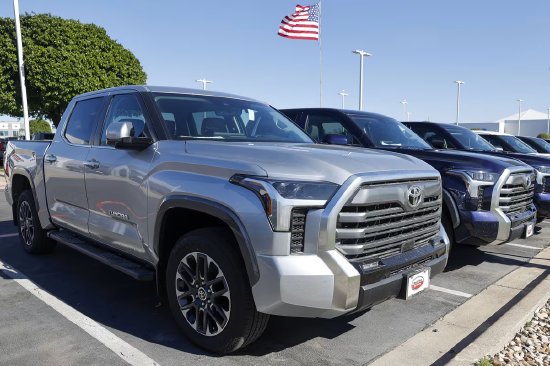
Core Insights - The article highlights the widespread collection of driving behavior data by automotive companies, with approximately 90% of new cars gathering such data, often without consumers' informed consent [3][4][14]. Group 1: Data Collection Practices - Automotive companies, including Toyota, collect detailed driving data from vehicles, which can be sold to third parties like insurance companies [3][4]. - Consumers typically agree to data collection through fine print in purchase contracts, which is often overlooked [3][4][14]. - The Federal Trade Commission (FTC) has noted that data collection and sale practices are common in the automotive industry, although companies argue that this is for driver safety [4][18]. Group 2: Privacy Concerns - Privacy advocates and organizations, including the Mozilla Foundation, criticize the automotive industry for transforming vehicles into "data-hungry machines" and highlight significant privacy risks [5][17]. - The FTC has warned that the collection of personal information by vehicles can threaten consumer privacy and economic interests [18]. - Legal experts emphasize that consumers are often unaware of their rights regarding data sharing and consent, raising concerns about informed consent [8][19]. Group 3: Legal and Regulatory Actions - The FTC has only penalized one company, General Motors, for failing to adequately inform consumers about data sales, although GM claims to have ceased such practices prior to the FTC's order [18]. - Ongoing legal cases, such as that of Philip Sifk, illustrate the challenges consumers face regarding data privacy and the lack of transparency in consent agreements [21].

新兴车险,爆发
Zhong Guo Zheng Quan Bao· 2026-02-19 06:32
Core Insights - The article highlights the rapid growth of internet auto insurance, particularly in the new energy vehicle sector, with significant improvements in claims processing and pricing efficiency [1][4][8]. Group 1: Industry Performance - In 2025, the total auto insurance premium (including commercial and compulsory insurance) reached approximately 996.37 billion yuan, marking a year-on-year increase of 2.99% [4]. - The total claims paid amounted to about 622.46 billion yuan, reflecting a year-on-year growth of 4.06% [4]. - New energy commercial auto insurance premiums reached around 157.61 billion yuan, with a remarkable year-on-year increase of 33.88% [4]. - The claims paid for new energy commercial auto insurance were approximately 79.92 billion yuan, showing a year-on-year growth of 36.09% [4]. Group 2: Technological Advancements - The competition in the auto insurance market has shifted from price wars to service, intelligence, and ecosystem integration, with emerging platforms leveraging technology for innovation in pricing and claims services [8]. - Ant Group's "joint pricing" technology, launched in 2024, has reduced the average comprehensive cost rate by 3 percentage points for partner insurers [8]. - Tencent's WeSure has implemented a price comparison model, allowing users to receive quotes from over 13 major insurers with a success rate exceeding 90% [8]. Group 3: Market Trends - The internet penetration rate in auto insurance was only 5.2% from January to May 2025, indicating significant potential for growth in online insurance models [9]. - The shift towards a more data-driven pricing model is anticipated, focusing on individual driving habits rather than just vehicle characteristics, which may lead to lower premiums for safe drivers and higher rates for high-risk groups [9].
持仓追踪|伯克希尔·哈撒⻙ 2025Q4 最新动向
贝塔投资智库· 2026-02-19 06:13
Core Viewpoint - Berkshire Hathaway's investment strategy is shifting from a dominant position in technology stocks to a more balanced portfolio, with increased focus on defensive sectors like energy and insurance [1][5]. Holdings Overview - As of Q4 2025, Berkshire Hathaway's U.S. stock holdings amounted to approximately $274 billion, a decrease of about 1.86% from the previous quarter [1]. - The top ten holdings account for approximately 88.26% of the total portfolio, indicating a high concentration, although the weight of technology and financial stocks has decreased while the weight of energy and insurance sectors has increased [1]. Top Ten Holdings - Apple (AAPL) remains the largest holding with a market value of $61.962 billion, but its holding percentage has dropped to 22.60%, reflecting a reduction of about $2.8 billion [3][4]. - American Express (AXP) follows closely with a market value of $56.088 billion, and its holding percentage has risen to 20.46%, narrowing the gap with Apple [3][4]. Changes in Holdings Structure - The portfolio is transitioning from a single dominant stock to a dual-leader structure, with Bank of America (BAC) and Coca-Cola (KO) forming the second tier of holdings at 10.38% and 10.20%, respectively [5]. - Google (GOOGL) has entered the top ten with a market value of $5.586 billion, indicating a continued interest in technology companies with strong competitive advantages [6]. Top Buys - The top purchases for the quarter include Chevron (CVX), which saw a significant increase of $1.233 billion, reflecting Buffett's confidence in the long-term resilience of energy prices and high cash flow returns [7][8]. - Chubb Limited (CB) was also increased by $910 million, reinforcing Berkshire's position in the insurance sector [7][8]. - Notably, The New York Times (NYT) was a new addition to the portfolio with an investment of $352 million, indicating a strategic move back into the media sector [9]. Top Sells - Major reductions were made in key holdings, with Apple (AAPL) and Bank of America (BAC) both seeing reductions of approximately $2.799 billion and $2.793 billion, respectively [10][11]. - Amazon (AMZN) also experienced a significant reduction of $1.783 billion, indicating a strategic shift in asset allocation [10][11]. - The reductions are not merely bearish signals but are part of a strategy to balance the portfolio and maintain cash reserves amid high market valuations and changing tax policies [12].


苏黎世保险集团:财年核心每股盈利增长13%,达45.1美元。
Xin Lang Cai Jing· 2026-02-19 05:58
来源:滚动播报 苏黎世保险集团:财年核心每股盈利增长13%,达45.1美元。 ...
中国人寿寿险公司“十四五”期间累计赔付金额4195.2亿元
Xin Hua Wang· 2026-02-19 04:23
Core Insights - During the "14th Five-Year Plan" period, the company has processed a total of 240 million claims, amounting to 419.52 billion yuan in payouts, averaging approximately 23 million yuan per day [1] Claims Statistics - The number of claims processed by the company increased from 37 million in 2021 to 62.24 million in 2025, showing significant growth [1] - The payout amount rose from 81.9 billion yuan in 2021 to 100.4 billion yuan in 2025, reflecting a substantial increase [1] Efficiency Improvements - To enhance claims efficiency, the company introduced an electronic invoice claims model, with claims processed increasing from 5.08 million cases and 5.3 billion yuan in 2023 to 9.69 million cases and 9.75 billion yuan by 2025 [1] - The "direct payment" service expanded from serving over 6 million people in 2021 to 8.17 million by 2025 [1] - The "critical illness one-day payout" service increased payouts from 7.4 billion yuan in 2021 to 10.6 billion yuan in 2025, indicating improved claims quality and efficiency [1]

阳光保险减持徽商银行并增资子公司,股价小幅波动
Xin Lang Cai Jing· 2026-02-19 03:44
Group 1 - The core focus of Sunshine Insurance is on capital operations, regulatory compliance, and service innovation [1] - Sunshine Insurance Group reduced its stake in Huishang Bank by 50 million shares at a price of HKD 3.49 per share, totaling HKD 174.5 million, bringing its holding percentage down to 3.71% [1] - The company plans to increase capital to Sunshine Asset Management (Hong Kong) by up to HKD 1 billion to support global asset allocation [1] - Sunshine Property Insurance faced penalties for branch violations, with a total fine of nearly RMB 6 million for Sunshine Life Insurance [1] - The company launched the "AI Claims Assistant" and "Sunshine Cloud Counter" smart service platforms to enhance customer experience and has provided wage payment guarantees totaling RMB 40 billion to over 70,000 enterprises as part of the "Spring Warmth for Migrant Workers" initiative by the end of 2025 [1] Group 2 - Sunshine Insurance's stock price has shown minor fluctuations, closing at HKD 4.19 on February 16, 2026, with a daily increase of 1.21% and a trading range of 0.24% from February 12 to 16 [2] - The stock reached a high of HKD 4.27 and a low of HKD 4.08 during this period, with a total net outflow of HKD 280,900 on February 16, indicating a net outflow of retail funds [2] - Technical indicators show a negative MACD value of -0.026, with the stock price near the middle band of the Bollinger Bands, and short-term moving averages are in a consolidation phase [2] Group 3 - Institutional ratings for Sunshine Insurance are mixed, with 50% recommending buy or hold and 50% suggesting sell or reduce as of February 2026 [3] - The average target price is HKD 4.32, indicating slight upside potential compared to the current price of HKD 4.19 [3] - Institutions are particularly focused on the company's technology applications and pension finance layout, although capital operations and regulatory compliance issues may affect short-term sentiment [3]
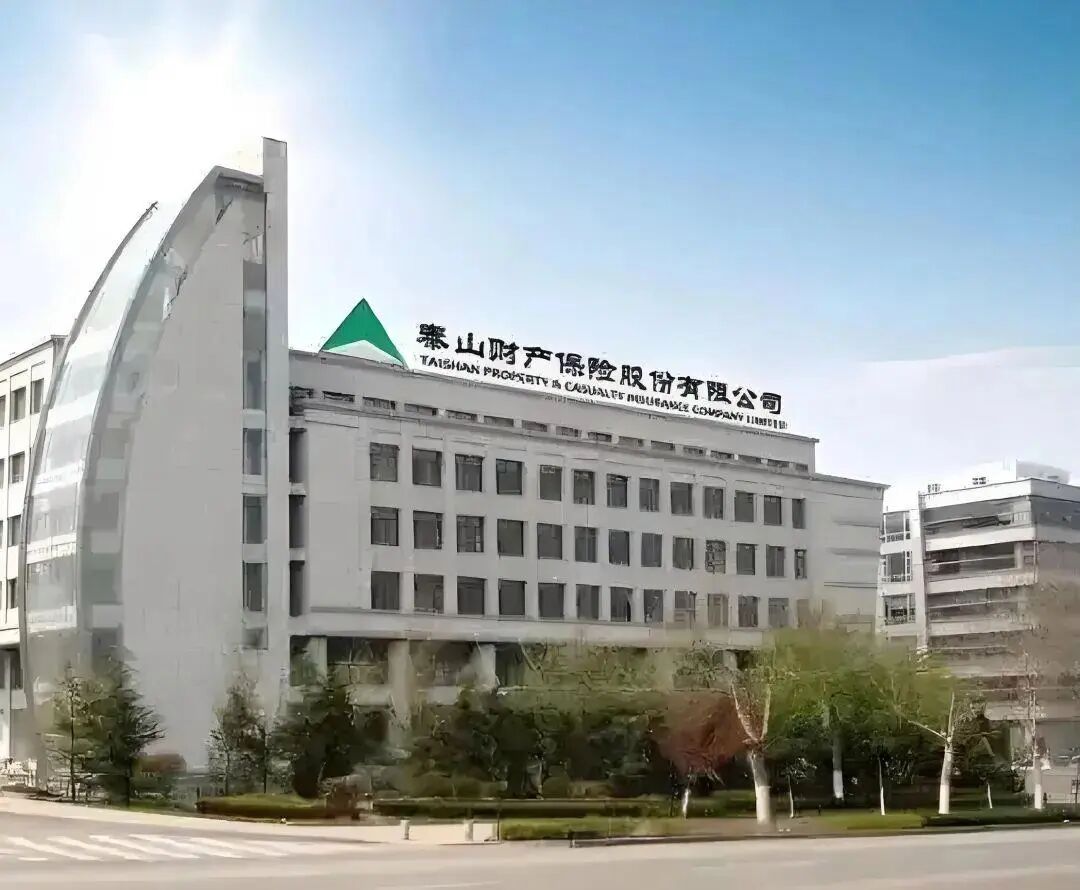
2025年实现保费26.98亿、净利3061万,泰山财险终结四年连亏
Xin Lang Cai Jing· 2026-02-19 03:39
Core Viewpoint - Taishan Property Insurance Co., Ltd. has reported a net profit of 30.62 million yuan for 2025, ending four consecutive years of losses, despite facing challenges in underwriting business [1][2]. Financial Performance - The total insurance business revenue for 2025 reached 2.698 billion yuan, reflecting a slight year-on-year decline of 4.98%, while maintaining a stable overall size [1]. - The net profit of 30.62 million yuan resulted in a return on equity (ROE) of 1.41%, successfully reversing a cumulative loss of 512 million yuan over the previous four years [1]. - The comprehensive cost ratio for the year was high at 109.86%, indicating an underwriting loss, with a claims ratio of 74.39% and an expense ratio of 35.47% [2]. Asset Overview - As of the end of 2025, the company reported total assets of 5.184 billion yuan and net assets of 2.173 billion yuan, with net assets remaining stable above 2 billion yuan [1]. Business Structure - The core business remains focused on auto insurance, which generated 1.549 billion yuan in premiums, accounting for 59.1% of total premiums [1]. - Non-auto insurance business is diversifying, with the top five non-auto insurance products generating a total premium of 1.039 billion yuan, highlighting the significant growth potential in credit guarantee insurance [1]. Investment Performance - The investment business performed notably well in 2025, with an investment return rate of 6.48%, surpassing the average investment return rate of 2.45% over the past three years, effectively offsetting underwriting losses [2]. Corporate Structure - Taishan Insurance is the first national insurance entity registered in Shandong, managed directly by the Shandong Provincial State-owned Assets Supervision and Administration Commission [4]. - The company was established by 16 major state-owned enterprises in Shandong, with a registered capital of 2.03 billion yuan [4]. - The second-largest shareholder is the German insurance subsidiary of Allianz Group, which holds a 24.9% stake, while the largest shareholder is Shandong High-speed Group, controlled by the Shandong Provincial State-owned Assets Supervision and Administration Commission [5].