
保险业

Search documents
经济运行稳中向好 八月份财政收入继续回暖
Zheng Quan Shi Bao· 2025-09-17 18:08
Group 1 - The core viewpoint of the articles indicates that fiscal revenue in China has shown signs of recovery due to an increase in tax revenue, with a notable improvement in the growth rate of fiscal income in August [1][2] - From January to August, the national general public budget revenue reached 14,819.8 billion yuan, with a year-on-year growth of 0.3%, and the cumulative growth rate improved by 0.2 percentage points compared to the previous month [1] - National tax revenue showed a slight increase of 0.02% year-on-year, marking the first positive growth in cumulative growth for the year [1] Group 2 - Fiscal expenditure from January to August amounted to 17,932.4 billion yuan, reflecting a year-on-year increase of 3.1%, although the cumulative growth rate decreased by 0.3 percentage points compared to the previous month [1] - The growth in tax revenue has been particularly strong since July, with tax revenue growth rates exceeding 5% in both July and August, contributing to the continuous improvement in fiscal income [1][2] - Key tax categories, including domestic value-added tax, domestic consumption tax, corporate income tax, and individual income tax, all maintained positive growth rates, with corporate income tax showing a cumulative growth rate for the first time this year [1][2] Group 3 - In terms of industry performance, tax revenue from the manufacturing and financial sectors has experienced rapid growth, with high-end manufacturing sectors such as railways, shipbuilding, and aerospace seeing tax revenue growth exceeding 30% [2] - The financial sector, particularly capital market services and related insurance industries, also reported double-digit growth in tax revenue, supported by a stable economic environment and increased taxpayer compliance [2]
8月份证券交易印花税同比增长226%
Zheng Quan Ri Bao· 2025-09-17 16:04
Summary of Key Points Core Viewpoint - The national general public budget revenue from January to August this year reached 148,198 billion yuan, showing a slight year-on-year growth of 0.3% [1] Revenue Breakdown - Tax revenue amounted to 121,085 billion yuan, with a marginal increase of 0.02% year-on-year, while non-tax revenue was 27,113 billion yuan, growing by 1.5% [1] - Major tax categories included: - Domestic VAT: 47,389 billion yuan, up 3.2% - Domestic consumption tax: 11,523 billion yuan, up 2% - Corporate income tax: 31,477 billion yuan, up 0.3% - Individual income tax: 10,547 billion yuan, up 8.9% [1] Tax Revenue Trends - Tax revenue showed a steady increase, particularly in July and August, where the growth rate exceeded 5% [2] - Key sectors contributing to tax growth included manufacturing and finance, with manufacturing accounting for over 30% of total tax revenue and showing a growth rate above 5% [2] - High-end manufacturing sectors, such as railway, shipbuilding, aerospace, and other transportation equipment, experienced tax growth exceeding 30% [2] Factors Influencing Revenue Growth - Economic stability and improvement due to effective policies from the central government contributed to tax revenue growth [3] - Increased activity in the capital market, with the Shanghai Composite Index surpassing 3,800 points and A-share market capitalization exceeding 100 trillion yuan, significantly boosted tax revenue from capital market services [3] - The stamp duty on securities transactions reached 2,844 billion yuan, a year-on-year increase of 27.4%, with securities transaction stamp duty alone at 1,187 billion yuan, up 81.7% [4] Future Outlook - The tax authorities plan to continue promoting legal fairness and compliance management, aiming to create a predictable business environment for high-quality economic development [5]
前8个月税收收入同比增长2% 四大主体税种均保持正增长
Shang Hai Zheng Quan Bao· 2025-09-17 14:53
Core Viewpoint - Tax revenue in China has shown a steady increase in the first eight months of the year, with significant growth observed in July and August, driven by economic stability, active capital market transactions, and enhanced taxpayer compliance [1][2][3] Tax Revenue Trends - Tax revenue increased by 2% year-on-year in the first eight months, with July and August seeing growth rates exceeding 5% [1] - Major tax categories, including domestic VAT, consumption tax, corporate income tax, and personal income tax, all maintained positive growth [1] - The manufacturing and financial sectors exhibited robust tax revenue growth, with manufacturing accounting for over 30% of total tax revenue and showing an increase of over 5% [1] Sector-Specific Insights - High-end manufacturing sectors, such as railway, shipbuilding, aerospace, and other transportation equipment, experienced tax revenue growth exceeding 30% [1] - The capital market services and related insurance sectors also saw tax revenue growth in double digits, while modern service industries like leasing and business services performed well [1] Regional Performance - Eastern regions of China reported tax revenue growth significantly above the national average, particularly in Shanghai, Jiangsu, Guangdong, and Zhejiang [1] Factors Contributing to Revenue Growth - Economic stability and effective government policies have laid a solid foundation for tax revenue growth [2] - Increased activity in the capital markets, with the Shanghai Composite Index surpassing 3,800 points and A-share market capitalization exceeding 100 trillion yuan, has directly boosted tax revenues from capital market services and related industries [2] - Enhanced taxpayer compliance and awareness, driven by tax authorities' efforts in promoting legal tax practices and compliance, have further supported tax revenue increases [3] Future Outlook - The tax revenue growth may experience a slowdown in the fourth quarter due to a high base effect from the previous year [3] - Tax authorities will continue to focus on legal fairness and compliance management to foster a predictable business environment for high-quality economic development [3]
今年以来税收收入稳中有升,背后有哪些因素支撑?
Sou Hu Cai Jing· 2025-09-17 14:37
Core Insights - The core viewpoint of the articles is that China's tax revenue has shown a steady increase in the first eight months of the year, with significant growth in July and August, driven by economic stability and active capital market transactions [1][2]. Tax Revenue Growth - Tax revenue from January to August increased by 2% year-on-year, with July and August seeing growth rates exceeding 5% [1]. - Major tax categories, including domestic value-added tax, domestic consumption tax, corporate income tax, and individual income tax, all maintained positive growth [1]. - The manufacturing and financial sectors contributed significantly to tax revenue, with manufacturing accounting for over 30% of total tax revenue and showing a growth rate above 5% [1]. Sector Performance - High-end manufacturing sectors, such as railway, shipbuilding, aerospace, and other transportation equipment manufacturing, experienced tax revenue growth exceeding 30% [1]. - The capital market services and related insurance sectors also saw tax revenue growth in double digits, while modern service industries like leasing and business services performed well [1]. Regional Insights - Eastern regions of China exhibited tax revenue growth rates significantly higher than the national average, particularly in major economic provinces like Shanghai, Jiangsu, Guangdong, and Zhejiang [1]. Economic Factors - The increase in tax revenue is attributed to a stable economic environment and effective policies implemented by the central government, which have laid a solid foundation for tax revenue growth [2]. - The active trading in capital markets during July and August significantly boosted tax revenues from capital market services, with securities industry tax revenue growing over 70% and insurance industry tax revenue increasing by more than 10% [2]. Compliance and Legal Framework - There has been a noticeable enhancement in taxpayers' awareness of lawful tax compliance, with over 300 tax violation cases exposed this year, promoting a fair economic tax order [3]. - The tax authorities are focusing on compliance management and legal fairness to protect the rights of law-abiding taxpayers and create a predictable business environment for high-quality economic development [3].
新华财经晚报:中央企业资产总额已超过90万亿元 “十四五”期间9家新央企组建设立
Xin Hua Cai Jing· 2025-09-17 14:18
Key Points - The Ministry of Commerce emphasizes the combination of benefiting people's livelihoods and promoting consumption in its new policy measures [1] - The Ministry of Finance reports that from January to August, the national securities transaction stamp duty increased by 81.7% year-on-year [2] - The total assets of central enterprises have exceeded 90 trillion yuan, with nine new central enterprises established during the "14th Five-Year Plan" period [2] - The Ministry of Industry and Information Technology is seeking public opinions on standards for intelligent connected vehicles [1][2] Domestic News - The Ministry of Commerce's new policy measures focus on three main aspects: combining benefits for people's livelihoods with consumption promotion, optimizing supply while stimulating demand, and balancing openness to foreign and domestic markets [1] - As of the end of July, the balance of loans in key service consumption areas reached 2.79 trillion yuan, a year-on-year increase of 5.3% [1] - The Ministry of Culture and Tourism plans to launch a three-year action plan for cultural and tourism consumption, with over 330 million yuan in consumption subsidies to be distributed during the consumption month [1] Financial Data - From January to August, the national general public budget revenue was 148.198 billion yuan, a year-on-year increase of 0.3% [2] - Tax revenue was 121.085 billion yuan, with a slight increase of 0.02%, while non-tax revenue grew by 1.5% to 27.113 billion yuan [2] - The profit of central enterprises increased from 1.9 trillion yuan to 2.6 trillion yuan during the "14th Five-Year Plan," with annual growth rates of 7.3% and 8.3% respectively [2] Industry Developments - The Ministry of Industry and Information Technology is working on mandatory national standards for intelligent connected vehicle driving assistance systems [2] - The Hong Kong government is extending its financing guarantee program for small and medium-sized enterprises until March 2028, increasing the total credit guarantee to 310 billion HKD [3]

国家税务总局:七八月份税收同比增幅明显,和股市活跃等有关
Nan Fang Du Shi Bao· 2025-09-17 13:24
Core Insights - Tax revenue in China for the first eight months of the year increased by 2% year-on-year, with significant growth observed in July and August, where revenue growth exceeded 5% [1][2] - Major tax categories, including domestic value-added tax, domestic consumption tax, corporate income tax, and individual income tax, all maintained positive growth [1] - The manufacturing and financial sectors showed rapid tax revenue growth, with manufacturing accounting for over 30% of total tax revenue and experiencing a growth rate above 5% [1][2] Tax Revenue by Sector - High-end manufacturing sectors, such as railway, shipbuilding, aerospace, and other transportation equipment manufacturing, saw tax revenue growth exceeding 30% [1] - Capital market services and related insurance sectors also experienced double-digit tax revenue growth, while modern service industries like leasing and business services showed strong performance [1] Regional Tax Revenue Trends - Eastern regions of China exhibited tax revenue growth significantly higher than the national average, particularly in major economic provinces such as Shanghai, Jiangsu, Guangdong, and Zhejiang [1] Factors Contributing to Tax Revenue Growth - Economic stability and progress, driven by a series of policies from the central government, have laid a solid foundation for tax revenue growth [1] - Increased activity in the capital markets during July and August, with the Shanghai Composite Index surpassing 3,800 points and A-share total market capitalization exceeding 100 trillion yuan, contributed to substantial tax revenue increases in related sectors [2] - Enhanced taxpayer compliance and awareness, supported by tax authorities' efforts in promoting legal tax practices and compliance, have strengthened the overall tax revenue [3]
恒大人寿双罚风暴背后:25人被罚,三任前董事长被追责
Nan Fang Du Shi Bao· 2025-09-17 12:56
Core Viewpoint - The recent administrative penalties imposed on Evergrande Life Insurance Co., Ltd. highlight systemic violations within the company, leading to significant fines and bans for multiple executives, including three former chairmen facing lifetime industry bans [2][6]. Group 1: Administrative Penalties - The National Financial Regulatory Administration and the Shenzhen Financial Regulatory Bureau issued fines totaling 3.235 million yuan (approximately 0.3235 million USD) against Evergrande Life, involving 25 responsible individuals [2][6]. - The penalties include a warning and a fine of 410,000 yuan (approximately 0.041 million USD) for violations related to shareholder equity and seal management [4][6]. - Key executives, including Liang Dong, Zhu Jialin, and Chen Kun, received varying degrees of industry bans, with Liang facing a lifetime ban and others receiving bans of 5 to 10 years [6][8]. Group 2: Company Background and Issues - Evergrande Life, established in 2006, was acquired by Evergrande Group in 2015 and rapidly expanded its market share through aggressive sales strategies, particularly in universal insurance [7][8]. - The company faced regulatory scrutiny starting in 2016, leading to multiple penalties for non-compliance with investment regulations and other operational issues [5][8]. - By 2021, Evergrande Life reported a premium income of 34.966 billion yuan (approximately 5.1 billion USD) but also recorded a net loss of 1.115 billion yuan (approximately 0.1115 billion USD) [9]. Group 3: Transition to Haigang Life - In September 2023, Haigang Life Insurance Co., Ltd. was established to take over Evergrande Life's business and assets, including its obligations under existing insurance contracts [10][11]. - Haigang Life is backed by a consortium of state-owned enterprises and aims to implement risk control and compliance mechanisms to avoid the pitfalls experienced by Evergrande Life [11][12]. - The transition marks a significant shift in the operational landscape of the insurance industry in Shenzhen, emphasizing the need for balancing innovation with regulatory compliance [12].

化风险激动能,多地力推养老机构上保险
Bei Jing Shang Bao· 2025-09-17 12:54
Core Viewpoint - The article discusses the promotion of liability insurance for elderly care institutions across various regions in China, highlighting government initiatives to encourage insurance uptake to mitigate risks associated with elderly care services [1][3][4]. Group 1: Government Initiatives - Multiple regions, including Beijing, Xinjiang, and Hebei, have issued documents to promote liability insurance for elderly care institutions, aiming to enhance service quality and manage risks from accidents [1][3]. - Hebei's measures include an 80% subsidy for eligible institutions participating in comprehensive liability insurance, with a maximum subsidy of 80 yuan per person per year [3]. - Beijing's policy outlines a tiered subsidy approach based on the operational and risk profiles of elderly care institutions [4]. Group 2: Insurance Product Development - The liability insurance for elderly care institutions covers personal injury, no-fault assistance, and legal fees, with a focus on creating products that meet the needs of the elderly [3][4]. - There is a call for insurance companies to innovate and improve service offerings, including collecting data on accident types and developing differentiated pricing models [8]. Group 3: Challenges in Implementation - The development of liability insurance for elderly care institutions faces challenges such as insufficient supply from insurance companies, lack of experience data, and difficulties in defining liability [6][7]. - The insurance sector has a weak incentive to participate due to factors like premium levels and risk coverage, leading to low voluntary participation from care institutions [6][7]. - The need for effective data accumulation and risk management experience is emphasized, as accurate premium pricing relies on comprehensive data models [7]. Group 4: Importance of Liability Insurance - Promoting liability insurance is crucial for building a supportive elderly care system, ensuring the rights of the elderly, and reducing operational risks for care institutions [8].

【财闻联播】大牛股公告:明日复牌!“韩流”入华面临阻碍?外交部回应
券商中国· 2025-09-17 12:19
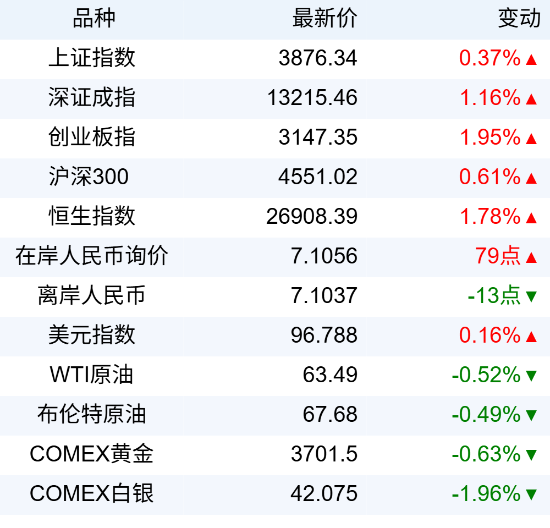
Macro Dynamics - The Chinese Foreign Ministry commented on the recent postponement or cancellation of concerts by Korean artists in China, indicating that China does not oppose healthy cultural exchanges between China and South Korea [2] Industry Developments - The Ministry of Commerce announced the establishment of five industry standardization technical committees, including those for automotive circulation and pharmaceutical circulation [3] Financial Data - The Ministry of Finance reported that from January to August 2025, the securities transaction stamp duty reached 118.7 billion yuan, a year-on-year increase of 81.7% [4] - The retail sales of passenger cars in China from September 1 to 14 totaled 732,000 units, a year-on-year decrease of 4%, while the cumulative retail sales for the year reached 15.497 million units, a year-on-year increase of 9% [5][6] Market Performance - On September 17, the A-share market saw all three major indices rise, with the Shanghai Composite Index up 0.37% and the ChiNext Index up 1.95%. The total trading volume was approximately 23,767.46 billion yuan [9] - The financing balance of the two markets increased by 22.54 billion yuan, with the Shanghai Stock Exchange reporting a balance of 1,205.86 billion yuan and the Shenzhen Stock Exchange reporting 1,162.11 billion yuan [10] Company News - Xinhua Insurance reported a cumulative original insurance premium income of 158.086 billion yuan from January to August 2025, representing a year-on-year increase of 21% [8] - Tempus Co., Ltd. announced that its stock will resume trading on September 18, 2025, after a significant price increase, but noted uncertainties regarding control changes and potential risks of a rapid decline in stock price [13] - Peak's chairman denied reports of a company-wide salary reduction, stating that the overall reduction was less than 10% and not applicable to all employees [14] - Mindray Medical responded to rumors of a potential secondary listing in Hong Kong, confirming that it would rely on official announcements for information [15]



1-8月中国财政收入同比增长0.3%
Zhong Guo Xin Wen Wang· 2025-09-17 12:00
Group 1 - The core viewpoint of the articles indicates that China's fiscal revenue and expenditure have shown modest growth in the first eight months of 2025, with a slight increase in tax revenue and a more significant rise in non-tax revenue [1][2][3] Group 2 - From January to August 2025, the national general public budget revenue reached 148.198 billion yuan, reflecting a year-on-year growth of 0.3%. Tax revenue was 121.085 billion yuan, with a marginal increase of 0.02%, while non-tax revenue was 27.113 billion yuan, growing by 1.5% [1] - In August 2025, the national general public budget revenue continued its growth trend, increasing by 2% year-on-year. The cumulative growth rate for the first eight months improved by 0.2 percentage points compared to the previous month [1] - The cumulative growth of national tax revenue turned positive for the first time in 2025, with specific increases in domestic value-added tax (3.2%), domestic consumption tax (2%), corporate income tax (0.3%), and individual income tax (8.9%) [1] - The tax revenue growth was supported by a stable economic performance and an active capital market, with tax revenue in July and August exceeding 5% [2] - The manufacturing and financial sectors showed robust tax revenue growth, with manufacturing accounting for over 30% of total tax revenue and experiencing a growth rate above 5%. High-end manufacturing sectors, such as railway and aerospace, saw tax revenue growth exceeding 30% [2] - From January to August 2025, the national general public budget expenditure reached 179.324 billion yuan, marking a year-on-year increase of 3.1%. Key areas of expenditure growth included education, science and technology, social security, and health [3] - Local government special bonds and other long-term bonds contributed to a significant increase in government fund budget expenditure, which grew by 30% due to the issuance and utilization of these funds [3]