
养老服务

Search documents
真金白银 为失能老人家庭减负
Jin Rong Shi Bao· 2026-02-06 03:50
2026年1月1日起,一项暖心政策在全国范围内实施:中度以上失能老年人可领取养老服务消费补贴,用 于支付居家、社区、机构养老服务费用。 据专家估算,按照每人每月最高800元的抵扣额度,总体补贴资金规模将达到1500亿元至2000亿元。 养老消费补贴全面启动 民政部办公厅、财政部办公厅联合发布的《关于全面启动实施向中度以上失能老年人发放养老服务消费 补贴项目的通知》明确提出,从2026年1月1日起,在全国范围内组织实施向中度以上失能老年人发放养 老服务消费补贴项目(以下简称"补贴项目"),实施周期从2026年1月至12月。 此次在全国范围内铺开补贴项目,是在去年试点基础上的全面拓展。2025年7月,民政部、财政部联合 印发《关于实施向中度以上失能老年人发放养老服务消费补贴项目的通知》,并决定在浙江等3个省份 及四川成都等4个地市先行开展试点。截至2025年10月8日,试点地区失能老年人及其代办人领取了 36.51万张养老服务消费券,使用消费券24.32万次,核销金额达1.82亿元,政策成效初显。 此次在全国范围内开展补贴项目,内容与试点一致。具体而言,补贴项目对象是经统一评估为中度、重 度、完全失能等级的老年人 ...
一次性收取跨年度租金收入,增值税、企业所得税、印花税这样缴!
蓝色柳林财税室· 2026-02-06 01:47
Core Viewpoint - The article discusses the tax exemption for community services such as elderly care, childcare, and domestic services, which will be effective from January 1, 2026, to December 31, 2027 [6][13]. Group 1: Community Elderly Care Services - Institutions providing elderly care services in the community are defined as enterprises, public institutions, and social organizations that offer services such as daily care, rehabilitation, meal assistance, emergency rescue, and emotional support [7]. - The income generated from providing these community elderly care services will be exempt from value-added tax (VAT) [6]. Group 2: Community Childcare Services - Institutions providing childcare services in the community are defined as those that offer full-day, half-day, hourly, or temporary care for children under three years old [8]. - Similar to elderly care, the income from these childcare services will also be exempt from VAT [6]. Group 3: Community Domestic Services - Institutions providing domestic services are defined as those that offer services to families, including care for pregnant women, infants, the elderly, patients, and disabled individuals, as well as cleaning and cooking services [10][11]. - The income from domestic services will be exempt from VAT if certain conditions are met, such as signing a tripartite agreement and managing service personnel [12][13].


市场监管服务经济高质量发展有新举措
Xin Lang Cai Jing· 2026-02-05 22:20
Group 1 - The core viewpoint of the articles emphasizes the importance of optimizing the consumer environment in China as a key strategy to boost consumption and economic development [1][2][3] - The State Administration for Market Regulation (SAMR) has launched a three-year action plan to enhance the consumer environment, which has already shown preliminary results [1] - In 2025, SAMR received 26.46 million complaints and reports, recovering economic losses of 4.35 billion yuan for consumers, and recalled 8.236 million consumer goods [1] Group 2 - SAMR plans to establish "reassuring consumption" zones and develop related standards and policies to create trustworthy markets and scenic areas for consumers [2] - The focus will be on enhancing traditional industries and promoting high-quality service sector development, addressing new consumer demands for safety, quality, and sustainability [2] - In 2025, SAMR will conduct special actions to rectify the abuse of power and limit competition, with a significant increase in the number of cases investigated and resolved [3] Group 3 - The SAMR is responsible for antitrust reviews of mergers and acquisitions, balancing support for resource consolidation with the prevention of monopolies [4] - In 2025, SAMR reviewed 706 merger cases, a 9.8% increase year-on-year, with 83% of cases concluded within 30 days [4] - The agency aims to enhance the efficiency and quality of merger reviews while ensuring market competition and protecting supply chain security [4]
娄元菊:探索高端养老,打造跨境养老服务“江门模式”
Nan Fang Du Shi Bao· 2026-02-05 05:01
娄元菊指出,粤港澳大湾区建设为江门跨境养老服务发展带来前所未有的机遇,但当前模式仍面临诸多 挑战。她建议,政府部门需深入一线调研,探知老人切实需求,不断探索并完善相关政策,为进一步发 展做好保障。 探需求 补短板 打通医疗信息壁垒 "江门与港澳地缘相近、人缘相亲、文脉相通,每5个香港人就有1个祖籍江门,每3名澳门居民便有1人 根在五邑,这份深厚亲缘,为江门成为粤港澳大湾区港澳跨境旅居康养基地筑牢了天然根基。"娄元菊 介绍,据调查显示,港澳养老资源紧缺,55岁及以上香港市民有87.9%愿意到大湾区内地城市养老。 随着港澳长者北上跨境养老趋势日益明显,粤港澳跨境养老服务成为湾区协同发展的重要议题。江门与 港澳地缘相近、人缘相亲,生态环境优美、生活成本适中,加之医养结合服务不断完善,已然成为港澳 长者北上"享老"的优选之地。今年江门两会期间,江门市政协委员、江门市第三人民医院心身综合科主 任娄元菊接受记者采访,围绕江门跨境养老服务的现状、优势与提升空间,分享实践观察与具体建议, 助力完善粤港澳跨境养老服务"江门模式"。 娄元菊谈到,医疗保障是跨境养老的核心关切,现存的"无保期"与信息壁垒问题亟待解决。"港澳长者 参 ...
深圳龙岗区民政局与远洋椿萱茂签署龙岗区养老护理院“公建民营”合作协议
Xin Lang Cai Jing· 2026-02-05 03:55
Core Viewpoint - The cooperation agreement between the Longgang District Civil Affairs Bureau and Chuanxuanmao, a subsidiary of the Ocean Group, aims to establish a "public-private partnership" nursing home in Longgang District, serving as a model for smart elderly care in Guangdong Province and nationwide [1][10]. Group 1: Project Overview - The Longgang District nursing home is located at Xin Nan Road, Pinghu Street, covering a total area of approximately 26,000 square meters, with a planned capacity of 350 beds [3][13]. - The project is government-funded and will be operated by a professional social entity selected through public bidding, highlighting the rigorous selection process for professional capabilities [3][13]. Group 2: Technological Integration - The project will utilize the "Hongmeng Health Care Intelligent Base" to create a smart care system that transitions from "elderly care" to "enjoying old age," addressing the demand for smart elderly care in Guangdong Province [4][10]. - Key features include a safety guarantee system with 98% accuracy for fall alerts, non-contact sleep monitoring, and lost person prevention [4][16]. Group 3: Comprehensive Care Services - The nursing home will provide a full range of services, including daily care, medical treatment, rehabilitation, and emotional support, leveraging Chuanxuanmao's professional expertise [6][15]. - The project will introduce international advanced elderly care concepts and establish a dual medical care network, ensuring quick access to quality resources like the South China Hospital affiliated with Shenzhen University [6][15]. Group 4: Strategic Importance - This public-private partnership is seen as a significant practice in building a benchmark for elderly care in Shenzhen, aiming to create a replicable and scalable model for high-quality and sustainable development in the elderly care industry across the Greater Bay Area and nationwide [10][20].

仅老年独居者就数千万,谁能帮他们从容老去?
Mei Ri Jing Ji Xin Wen· 2026-02-04 22:32
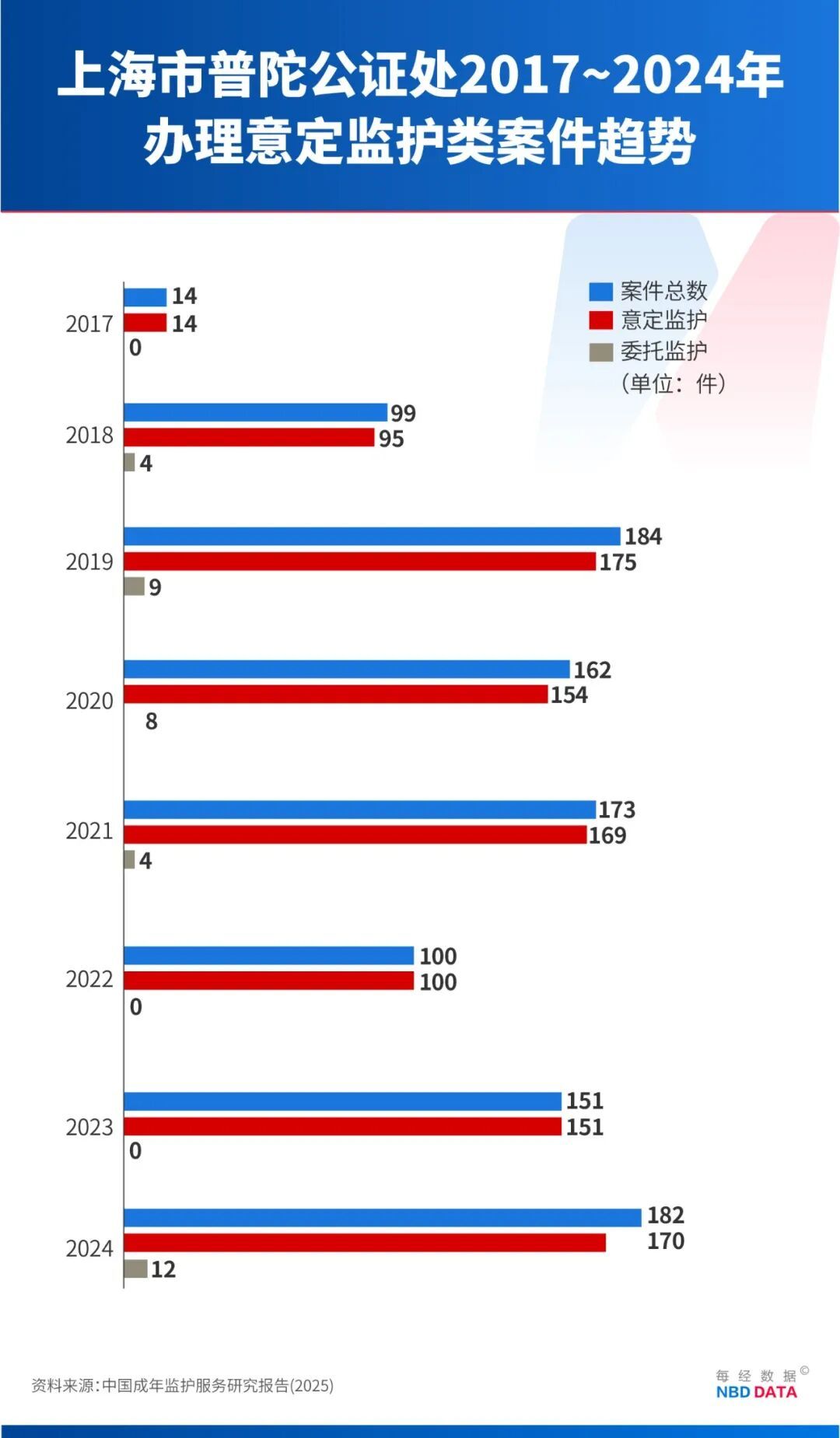
生前,存款不能直接用于治疗;身后,财产无法购买墓地⋯⋯去年12月,46岁、独居上海的蒋女士因病离世后发生的连串事件引发热议。高度"原子化"的 现代社会,独居者希望能对抗孤独带来的客观风险,让意外有所兜底、让离开变得从容。 2026年1月29日,《北京市养老服务条例》经北京市第十六届人民代表大会第四次会议表决通过;上海"关于推进实施老年人意定监护制度的若干意见(试 行)"也已于2026年1月1日正式施行。 部分地区的养老模式摸索,能在一定程度上缓解独居人群的焦虑。而一种名为意定监护的措施,也再次走进大众视野。不过,意定监护的推广依旧面临困 难:如何监护?谁来监督?权利怎么认定? "孤独经济"叠加"银发经济"撬动的巨大市场空间背后,意定监护等一系列民生政策仍待持续实践落地并优化完善。 安排后事的"年轻人" 时隔三年,再想起当时的场景,张旭(化名)还是觉得心头被"猛击"了一下。 张旭今年30岁,是一家私立医院的外科医生,此前曾在长三角某公立医院工作。 2023年春节前,张旭所在医院收治了一位高龄"白肺"患者。"就当时患者的情况而言,现代的医疗手段其实已经没什么效果了,我们能做的也只有临终关 怀。患者住院的时候,有一 ...
四川干部群众热议政府工作报告:坚定不移推动高质量发展,奋力推动“十五五”良好开局行稳致远
Xin Lang Cai Jing· 2026-02-04 18:26
Group 1 - The government work report emphasizes the need for greater efforts to promote consumption and expand investment, which has sparked enthusiastic discussions among provincial officials and the public [1][3] - The report highlights significant achievements during the "14th Five-Year Plan" period, including the economic total surpassing 6 trillion yuan, marking a historic milestone for Sichuan [1] - The focus for 2026 includes fostering new growth drivers and enhancing the coordination of regional urban and rural development [1][3] Group 2 - Chengdu has been included in the national pilot for market-oriented allocation of factors, with plans to focus on key areas such as technology and labor to enhance the bio-pharmaceutical and low-altitude economy sectors [2] - The report mentions the importance of expanding domestic demand, with specific initiatives aimed at enhancing consumer markets and achieving a growth target of over 6% in retail sales of consumer goods [3] - The emphasis on technological innovation and the upgrading of traditional industries is expected to drive significant advancements in sectors like green manufacturing and high-end energy equipment [4][5] Group 3 - The report outlines plans for the construction of major logistics hubs and international trade routes, enhancing the functionality of logistics networks [5] - There is a strong focus on improving the quality of life for citizens, particularly in the area of elderly care services, reflecting a commitment to meeting the needs of an aging population [6] - The "Net Chain Sharing Plan" aims to transform educational resources into a collaborative model, promoting quality education across the province [6]
如何完善上海社区养老服务体系?代表献策:精准、多元、可持续
Xin Lang Cai Jing· 2026-02-04 15:22
对于上海这一老龄化程度较高的超大城市,社区养老服务体系建设既是民生工程,也是社会治理的重要内容。今年上海两会,上海市人大代表、沪港国际咨 询集团党委书记、董事长郭康玺聚焦超大城市老龄化治理难题,结合上海养老服务实际,提出以精准化、多元化、可持续为核心,完善社区养老服务体系的 建议,为破解当前养老服务痛点建言献策。 在构建多元资金保障体系方面,强化财政引导作用,将相关资金纳入年度预算,设立发展专项资金;激活社会资本参与动力,推行多种运营模式,给予税收 抵扣与补贴;创新金融支持政策,推出低息贷款、养老服务保险,叠加消费补贴,对低收入家庭实行 "零首付、政府兜底" 政策。 郭康玺表示,希望通过精准化、多元化、可持续的举措,破解核心问题,让老年群体共享城市发展成果,为全国超大城市社区养老提供可复制、可推广的经 验。 截至2024 年底,上海约有223 万户户籍老年家庭,但居家环境适老化改造仅完成3.4 万户,覆盖率仅1.5%,改造缺口巨大。郭康玺代表指出,当前上海社区 养老服务存在诸多突出问题。供给与需求错配,家庭照护功能弱化,空巢老人增多,而社区服务同质化、低层次特征明显,对失能半失能老人专业照护等分 层需求响应不 ...

真金白银 为失能老人家庭减负
Jin Rong Shi Bao· 2026-02-04 05:32
2026年1月1日起,一项暖心政策在全国范围内实施:中度以上失能老年人可领取养老服务消费补 贴,用于支付居家、社区、机构养老服务费用。 据专家估算,按照每人每月最高800元的抵扣额度,总体补贴资金规模将达到1500亿元至2000亿 元。 养老消费补贴全面启动 民政部办公厅、财政部办公厅联合发布的《关于全面启动实施向中度以上失能老年人发放养老服务 消费补贴项目的通知》明确提出,从2026年1月1日起,在全国范围内组织实施向中度以上失能老年人发 放养老服务消费补贴项目(以下简称"补贴项目"),实施周期从2026年1月至12月。 此次在全国范围内铺开补贴项目,是在去年试点基础上的全面拓展。2025年7月,民政部、财政部 联合印发《关于实施向中度以上失能老年人发放养老服务消费补贴项目的通知》,并决定在浙江等3个 省份及四川成都等4个地市先行开展试点。截至2025年10月8日,试点地区失能老年人及其代办人领取了 36.51万张养老服务消费券,使用消费券24.32万次,核销金额达1.82亿元,政策成效初显。 补贴项目包括居家、社区、机构养老服务。其中,居家、社区养老服务主要包括助餐、助浴、助洁 等服务;机构养老服务包括长 ...
齐齐哈尔一养老院起火致5死,附近养老院:或将接收转移老人
Xin Lang Cai Jing· 2026-02-04 05:06
智通财经记者 | 蔡星卓 智通财经编辑 | 刘海川 云南昆明某头部养老机构员工陈晓楠(化名)告诉智通财经,在实际操作中,对于占用消防通道等行 为,养老院一般会收到《责令限期改正通知书》。整改后,相关部门会针对整改进行现场验收,或由养 老院自行拍摄照片发送给当地消防救援大队。"如有火灾发生,将全部老人都带出养老院并不现实,因 此要优先考虑防火灭火。" 据《中国应急管理》杂志,近年来,我国涉及老年群体的火灾事故呈上升趋势。根据国家消防救援局发 布的数据,2024年1月至10月,全国共接报火灾77万起,死亡1559人,受伤2202人。其中,60周岁及以 上老人死亡639人,占比42.7%,同比上升21.7%。老年群体行动不便、自救互救能力弱、应急逃生困 难,因此养老机构若发生火灾,极易造成人员伤亡,甚至造成群死群伤。 陈晓楠表示,养老院的消防问题很难被真正、彻底解决,背后主要还是消防监督的流程机制问题。"根 据我们的经验,消防大队要来养老院检查,一般都会提前打招呼,很少有突击检查。如果靠养老院自己 监督自己,那么自觉的养老院又太少了。"陈晓楠听说,现在有消防救援大队正考虑逐步把养老院的监 控同步到消防救援大队进行直 ...