
天然气

Search documents
大能源行业2026年第10周周报(20260315):\十五五\规划纲要发布储能景气度提升-20260316
Hua Yuan Zheng Quan· 2026-03-16 04:32
Investment Rating - The investment rating for the utility sector is "Positive" (maintained) [1] Core Insights - The "14th Five-Year Plan" emphasizes carbon peak and carbon neutrality, aiming for a 17% reduction in carbon emissions per unit of GDP during the "15th Five-Year Plan" period, which is slightly lower than the previous target of 17.7% [2][19] - The plan outlines a ten-year action for non-fossil energy to double, focusing on clean energy bases such as wind, solar, and nuclear power, while promoting distributed energy and green hydrogen development [2][19] - The energy consumption will shift towards green and low-carbon, with a unified national electricity market system expected to be established [2][20] Summary by Sections Power Sector - The "15th Five-Year Plan" indicates that power construction will primarily focus on stability, with significant investments in hydropower, wind, and solar energy bases [2][21] - The plan sets a target of over 100 million kW for offshore wind power installations by the end of the "15th Five-Year Plan," with an annual addition of more than 10 GW [2][21][40] - Key recommendations include low-valuation green power operators and companies with strong dividend yields and growth potential [3][27] Environmental Protection - The transition to carbon dual control is emphasized, with a focus on carbon emissions reduction and the establishment of a comprehensive carbon market [4][28] - The plan encourages the development of low-carbon industries, zero-carbon parks, and hydrogen energy, with significant government support expected [4][30] - Investment opportunities include carbon detection and low-carbon energy companies [5][31] Natural Gas - The "15th Five-Year Plan" aims to enhance resource supply security and promote domestic gas production, with a focus on increasing the share of domestic gas in the energy supply [6][32] - The plan includes the construction of key gas pipelines and emphasizes the importance of domestic gas in reducing reliance on imports [7][34] - Investment recommendations focus on upstream coalbed methane extraction and companies involved in coal-to-gas projects [8][34] Coal - The plan outlines a stable supply-demand balance for coal, with an emphasis on optimizing resource allocation and maintaining production stability [9][35] - It highlights the importance of coal in ensuring energy security and proposes measures to improve coal price stability through long-term contracts [10][38] - Key investment targets include leading coal producers and companies with high elasticity in coal production [10][36] New Energy - The plan promotes the development of clean energy bases and emphasizes the importance of grid infrastructure for energy distribution [11][39] - Offshore wind power is expected to see significant growth, with a target of 53 GW added during the "15th Five-Year Plan" [11][41] - Investment opportunities include companies involved in wind power, grid infrastructure, and traditional power equipment upgrades [12][42] Energy Storage - The demand for energy storage is expected to increase significantly, driven by geopolitical factors and energy security needs [13][44] - The market for household storage is projected to grow, supported by government subsidies and increased demand for energy independence [14][15] - Investment recommendations include companies involved in inverters, energy storage systems, and battery production [16]
原油美元双破百-全球配置如何应对
2026-03-16 02:20
原油美元双破百,全球配置如何应对?20260315 摘要 霍尔木兹海峡封锁导致 800 万-1,000 万桶/日供给缺口,油价或以 1-2 美元/日速度上涨,4 月目标价看至 150-160 美元。 能源危机引发亚欧 LNG 争夺,印度/新加坡/韩国库存仅够 6-12 天, TTF 天然气价格已上涨 80%。 中东尿素出口占全球 36%,化肥成本占谷物 50%-60%,能源压力正向 农业传导,印度已请求中国放宽尿素出口。 美债市场开始重新定价,2 年期与 10 年期收益率破位上行,反映降息周 期可能提前结束及类滞胀预期。 美股 AI 叙事走弱,台积电因台湾天然气库存仅 11 天面临电力成本风险, 美股整体企稳尚需时日。 配置建议聚焦"能化农"及能源安全,首选煤炭、煤化工、清洁能源及 大电力板块,利用价格暴力拉升期布局退出。 Q&A 在当前原油和美元双双突破 100 的背景下,如何评估伊朗局势对油价的潜在影 响? 债券市场,特别是美债市场,对本轮能源局势的定价反应如何?市场预期是否 出现了转变迹象? 无论是中债还是美债,当前对本轮能源局势的定价都显得不足。以美债为例, 债券衍生品市场反映的 5 年期与 1 年期 ...
天然气专家交流-地缘冲突下天然气贸易格局变化
2026-03-16 02:20
Summary of Key Points from LNG Market Conference Call Industry Overview - The conference call discusses the global liquefied natural gas (LNG) trade dynamics amid geopolitical conflicts, particularly focusing on the impact of the situation in the Strait of Hormuz on LNG prices and supply chains [1][2][3]. Core Insights and Arguments - **Geopolitical Impact**: The conflict in the Strait of Hormuz has led to a significant increase in Northeast Asia's spot LNG prices, rising from approximately $12 to $18-19 per million British thermal units (MMBtu) [1][2]. - **Supply Dependency**: Qatar and the UAE account for 20% of global LNG supply, with Qatar's imports to China projected to be only 6% of total consumption by 2025, indicating limited impact on China [1][3]. - **Storage Capacity**: China's underground gas storage capacity of 8 billion cubic meters can theoretically cover a supply gap for about 200 days, given the current consumption rates [3][4]. - **Price Expectations**: Anticipated price corrections are expected as demand decreases in March, with projections suggesting a drop to around $15 per MMBtu, and potentially below $10 if the conflict resolves quickly [3][4]. - **Alternative Supply Routes**: Increased supply from the East Siberian pipeline and new projects in Australia (Darwin and Protos) are expected to provide additional LNG to Asia, helping to balance supply and demand [1][5][9]. - **Regional Variations**: Countries like Japan and South Korea, which rely heavily on LNG imports, may face significant supply challenges, with dependence on Qatar reaching up to 90% in some cases [8][9]. - **Market Dynamics**: The market is expected to adjust with higher prices leading to demand reductions or shifts to alternative energy sources, such as LPG, especially in response to high LNG prices [7][12]. Additional Important Content - **Long-term Supply Stability**: The stability of LNG supply from Central Asia remains uncertain due to investment and production challenges, with no significant new pipeline projects currently in progress [6]. - **Domestic Pricing Policies**: China's domestic gas pricing policies may remain stable or see slight increases due to the geopolitical situation, but overall supply remains adequate [7]. - **Market Reforms**: Ongoing reforms in China's natural gas market aim to enhance competition and efficiency, which could lead to more stable pricing in the long term despite short-term fluctuations due to geopolitical events [13]. This summary encapsulates the key points discussed in the conference call regarding the LNG market's response to geopolitical tensions, supply dynamics, and pricing expectations.
地缘冲突下的天然气上游投资机会
2026-03-16 02:20
摘要 地缘冲突下的天然气上游投资机会 20260313 地缘冲突致卡塔尔 LNG 全线停产,复产周期需 6 周且面临安全评估,供 应减量具刚性。 卡塔尔延缓 2026-2027 年 680 亿方新增产能释放,足以对冲同期 650 亿方全球过剩预期。 日韩电厂因 20%供应来自中东,保供压力下对现货高价接受度极高,推 升 JKM 价格 60%-70%。 运距拉长、可用船只减少及保险费率由 0.25%升至 1.5%,构成中期 LNG 价格成本粘性支撑。 JKM 远期价格中枢已上移 25%,2027 年后合约价由 9 美元修正至 11 美元,反映长期预期改变。 国内上游气价具备高弹性,首华燃气等公司可传导国际涨价,2022 年 价格弹性曾达 50%。 地缘冲突背景下国内气源资产战略价值凸显,建议关注首华燃气、新天 然气、蓝焰控股。 Q&A 市场对于 2026 至 2030 年国际天然气市场的普遍预期是什么,以及当前地缘 冲突对这一预期的短期影响如何? 市场普遍认为,2026 至 2030 年间国际天然气市场将面临供给过剩的局面。 根据美国能源信息署的预测,此期间全球 LNG 供应将增加约 2,200 亿立方米, 占 ...
建设能源强国我们底气更足
中国能源报· 2026-03-15 23:33
Core Viewpoint - The article emphasizes the importance of emerging industries and future energy sectors in driving the green transformation of the energy industry, particularly in the context of China's "14th Five-Year Plan" [1][3]. Group 1: Emerging Industries and Green Transformation - The "14th Five-Year Plan" marks the beginning of a new phase where the development of new and future industries will inject new vitality into the energy sector, promoting a green transition [3]. - The integration of green computing and future energy is expected to continuously drive the green transformation of the energy industry [1][3]. Group 2: Artificial Intelligence and Energy - The term "Artificial Intelligence+" has become prevalent, indicating its significant role in reshaping economic development and enhancing productivity across various sectors [5][6]. - The development of artificial intelligence relies heavily on computing power, which is fundamentally supported by energy supply. Investments in power grid infrastructure are crucial for the growth of the AI industry [6][8]. - Inner Mongolia has emerged as a key hub for energy and computing, with over 82% of its data center power coming from green energy, showcasing the potential for green computing [6][7]. Group 3: Energy Security and Traditional Resources - The article highlights the necessity of ensuring energy security while transitioning to a clean, low-carbon energy system. Coal remains a critical resource for energy security during this transition [10][11]. - The production of unconventional natural gas, particularly coalbed methane, is projected to exceed 4 billion cubic meters by 2025, contributing significantly to energy self-sufficiency [11]. Group 4: Future Energy Development - Hydrogen energy is identified as a strategic choice for reducing dependence on oil and gas, with ongoing government support aimed at fostering its development [12]. - The article discusses the potential of green hydrogen and ammonia as sustainable alternatives to traditional fuels, emphasizing their role in decarbonizing hard-to-abate sectors [12]. Group 5: Legal Framework and Environmental Protection - The introduction of the "Ecological Environment Code" marks a significant step towards legalizing ecological protection efforts in China, which is expected to facilitate the green transition in the energy sector [14][15]. - The code aims to create a comprehensive legal framework that supports sustainable development while protecting the environment [14]. Group 6: Societal Impact and Green Lifestyle - The article notes that the adoption of green technologies is becoming more prevalent in daily life, with innovations such as solar panels for personal use and electric vehicles gaining traction [16]. - The transition to a green lifestyle is anticipated to accelerate during the "14th Five-Year Plan" period, reflecting a broader societal shift towards sustainability [16][17].

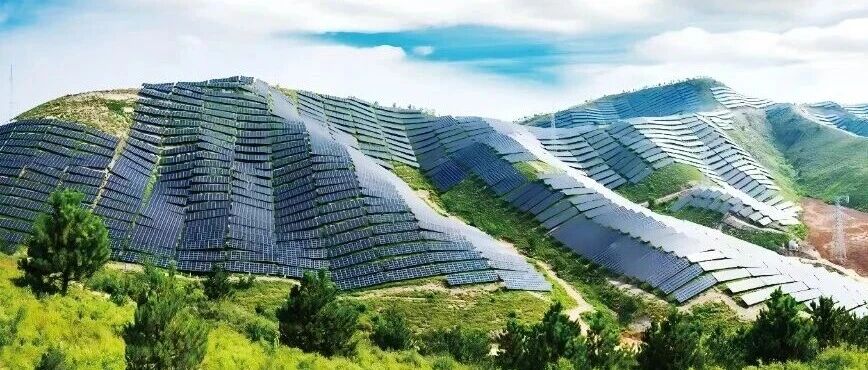
策略周报:控波动、重视新能源,关注内需韧性-20260315
East Money Securities· 2026-03-15 13:44
Strategy Insights - The report emphasizes the importance of controlling volatility and focusing on new energy sectors while recognizing the resilience of domestic demand [1] - The current geopolitical tensions, particularly in the Middle East, have led to significant uncertainty in global financial markets, impacting trading strategies [3][8] - The report categorizes assets into three types based on their correlation with the worsening Middle East situation: crisis trading, stagflation trading, and normalization trading [8][19] Group 1: Geopolitical Trading Logic - The report identifies three categories of overseas scenario trading assets: crisis trading, stagflation trading, and normalization trading, each with distinct characteristics and implications for investment strategies [8] - Crisis trading assets, such as energy and shipping, are directly affected by supply shocks and are expected to gain risk premiums [8] - Stagflation trading focuses on assets that can withstand supply shocks, such as gold and domestic demand assets, which are expected to show relative stability [8][19] Group 2: Focus on New Energy and Domestic Demand - The report highlights that new energy sectors, including wind, solar, and lithium batteries, are expected to benefit from the current geopolitical landscape and have a strong mid-term outlook [3][41] - Domestic demand-related sectors, such as food and beverage, beauty care, real estate, pharmaceuticals, retail, and banking, are noted for their low volatility, with historical volatility levels below 50% [3][41] - The report anticipates a stabilization and potential recovery in domestic prices, further supporting the outlook for these sectors [3][41] Group 3: Fertilizer and Semiconductor Materials - The report points out that the fertilizer sector, particularly nitrogen, phosphorus, and potassium fertilizers, is facing supply disruptions due to geopolitical tensions, with the Middle East being a critical supplier [23][24] - The report also highlights the potential impact on semiconductor materials, particularly helium, due to supply disruptions from Qatar, which could significantly affect the semiconductor industry [24][25] Group 4: Market Dynamics and Volatility - The report notes that the current market environment is dominated by crisis trading, with significant fluctuations in asset prices driven by geopolitical uncertainties [19][26] - It emphasizes the need to identify low-volatility assets that are less correlated with the ongoing geopolitical tensions, suggesting a focus on sectors with historically lower volatility [26][29] - The report indicates that the market is beginning to shift towards low-volatility sectors, reflecting a heightened demand for certainty amid rising overall market volatility [29]
天然气周度思考第143期:尽管地缘仍在持续,但国际LNG价格并未如原油一般进一步走强-20260315
Zhong Tai Qi Huo· 2026-03-15 06:41
Report Summary 1. Investment Rating The report does not mention the investment rating of the natural gas industry. 2. Core Viewpoints - Geopolitical tensions persist, but international LNG prices have not strengthened further like crude oil. - In the domestic market, concerns about supply stability due to geopolitical issues remain, and downstream acceptance of high gas prices is low, causing domestic LNG prices to rise at the beginning of the week and then fall. - In the US, warmer weather has led to a weakening of HH prices, and the current high utilization rate of LNG export capacity limits the actual increase in export demand caused by the US - Iran conflict. - In Europe, gas prices rose and then fell this week. Although Europe's dependence on Middle - Eastern LNG is not high, the blockade of the Strait of Hormuz may lead to insufficient international LNG supply, and the competition for LNG between Europe and Asia may intensify at the end of summer. - In the Asia - Pacific region, short - term prices are mainly affected by geopolitics and remain high. If the strait blockade continues, LNG prices will rise further [3]. 3. Summary by Directory 3.1 Natural Gas Price Analysis - **International Price Summary**: The report provides the futures and spot prices of HH, AECO, TTF, NBP, JKM, and China's arrival prices, along with their week - on - week, month - on - month, and year - on - year changes. For example, the week - on - week change of HH futures price is - 0.06 (- 2%), and the month - on - month change is - 0.11 (- 3%) [11]. - **Domestic Price Summary**: It shows the prices of natural gas in different regions of China, such as the northwest, northeast, etc., and their week - on - week, month - on - month, and year - on - year changes. For instance, the week - on - week change of the northwest price is - 480 (- 10%) [21]. - **Import Cost**: It presents the LNG comprehensive import to - shore price, pipeline gas import average price, LNG import average price, and natural gas comprehensive import price, along with their trends [31]. - **Related Commodity Price Summary**: It includes the prices of JCC, low - sulfur fuel oil, high - sulfur fuel oil, Brent, etc., and their changes [37]. - **Forward Curve**: It shows the forward curves of HH, TTF, NBP, and JKM [46]. - **Spread**: It analyzes the basis spreads of HH and TTF, as well as the spreads between TTF - HH, JKM - HH, JKM - TTF, etc. [49][52]. - **Profit**: It calculates the theoretical production profit of Inner Mongolia LNG plants, LNG comprehensive import profit, and the economic comparison between LNG and pipeline gas [62]. - **Freight**: It shows the spot rents of LNG carriers in the Pacific and Atlantic [68]. 3.2 World Natural Gas Supply and Demand Analysis - **Natural Gas Rig Count**: It provides the rig counts in different regions such as Canada, Asia - Pacific, the world, the Middle East, Latin America, and Africa [74][77]. - **World Natural Gas Demand**: It shows the natural gas consumption of OECD countries, including cumulative monthly consumption and month - on - month changes [79]. - **World Natural Gas Import and Export**: It presents the LNG exports of Australia, Russia's eastern region, Qatar, etc., and the LNG imports of Japan, South Korea, etc., as well as the utilization rates of export and receiving terminals [82][84][86]. - **World Natural Gas Inventory**: It includes the LNG inventories of Japan's public utilities, South Korea, etc., and the inventories of LNG on water [89]. - **World Important City Temperatures**: It shows the CDD and HDD values of Seoul and Tokyo, including the maximum, minimum, and average values over the past five years [92]. - **World Natural Gas Supply and Demand Forecast**: It provides the BNEF forecasts of world LNG exports and imports, as well as the supply - demand forecasts of Japan and South Korea [94][96][98]. 3.3 US Natural Gas Supply and Demand Analysis - **US Natural Gas Production**: It shows the weekly dry gas production and the EIA's expected production [103][105]. - **US Natural Gas Rig Count**: It presents the weekly rig counts of crude oil and natural gas in the US [107]. - **US Natural Gas Demand**: It includes the weekly natural gas consumption, power generation gas consumption, residential/commercial gas consumption, and industrial gas consumption in the US, as well as the electricity demand, coal - fired power generation, natural gas - fired power generation, and nuclear power generation [110][113][115]. - **US Natural Gas Import and Export**: It shows the LNG exports, net intakes of various LNG terminals, and pipeline gas imports and exports in the US [118][120][125]. - **US Natural Gas Inventory**: It presents the inventories of US storage facilities, including underground storage facilities in different regions [127][130][133]. - **US Major City Temperatures**: It shows the CDD and HDD values of New York, Chicago, and Los Angeles, including the maximum, minimum, and average values over the past five years [136]. - **US EIA Natural Gas Balance Sheet**: It provides the supply, demand, and inventory changes of US natural gas from January 2026 to December 2027 [138]. 3.4 European Natural Gas Supply and Demand Analysis - **European Natural Gas Production**: It shows the production of the UK, the Netherlands, and Norway [143]. - **European Natural Gas Rig Count**: It presents the number of European rigs [146]. - **European Natural Gas Demand**: It includes the total consumption and natural gas - fired power generation in France, Italy, Germany, and Spain [148][150][153]. - **European Natural Gas Import and Export**: It shows the pipeline gas exports of Norway, TAP, North Africa to Italy and the Iberian Peninsula, Russia's exports to different parts of Europe, and the LNG imports of different regions in Europe [155][158][161]. - **European Natural Gas Inventory**: It includes the injection, extraction, and inventory levels of European storage facilities, as well as the inventories of LNG receiving stations in different countries [167][170][179]. - **European Important City Temperatures**: It shows the CDD and HDD values of Madrid, Berlin, Paris, and Rome, including the maximum, minimum, and average values over the past five years [183][186]. - **Other**: It shows the water level of the Rhine River at Kaub [189]. - **European Natural Gas Supply and Demand Forecast**: It provides the BNEF forecasts of European natural gas supply, demand, and inventory changes from May 2026 to March 2027 [191]. 3.5 Domestic Natural Gas Supply and Demand Analysis - **Natural Gas Total Supply**: It shows the monthly and cumulative values of natural gas total supply and their year - on - year and month - on - month changes [197]. - **Natural Gas Production**: It presents the monthly and cumulative values of domestic natural gas production and their year - on - year and month - on - month changes [200]. - **Natural Gas Import**: It includes the monthly and cumulative values of total natural gas imports, pipeline gas imports, and LNG imports, as well as the number of LNG vessels at receiving stations, LNG arrival volumes, and receiving station utilization rates [203][206][208]. - **LNG Commodity Volume**: - **Receiving Station Truck - Loading Volume**: It shows the truck - loading volumes of different regions and their week - on - week, month - on - month, and year - on - year changes [214]. - **LNG Plant Production**: It presents the production of different regions and their week - on - week, month - on - month, and year - on - year changes, as well as the LNG plant operating rate [226][228]. - **Natural Gas Total Demand**: It shows the monthly and cumulative values of natural gas apparent consumption and their year - on - year and month - on - month changes, as well as the weekly and cumulative values of domestic LNG total demand [244][248]. - **LNG Plant Shipment Volume**: It shows the shipment volumes of different regions and their week - on - week and month - on - month changes [249]. - **Weather**: It provides the weather forecasts for the next 10 days and 11 - 14 days in China, as well as the CDD and HDD values of Beijing, Xi'an, Guangzhou, and Shanghai [261][262][264]. - **Natural Gas Sector - by - Sector Consumption**: - **Transportation Gas Consumption**: It shows the sales volume of natural gas heavy - duty trucks and the China Logistics Prosperity Index [266]. - **Industrial Gas Consumption**: It presents the PMI index [268]. - **Power Generation Gas Consumption**: It shows the water level of the Three Gorges Dam [270]. - **Natural Gas Inventory**: - **LNG Plant Inventory**: It shows the inventories of different regions and their week - on - week, month - on - month, and year - on - year changes [273]. - **Receiving Station Inventory**: The report does not provide specific data on receiving station inventory.
“十五五”重要部署,事关石油、煤炭、核电等产业
财联社· 2026-03-14 12:52
Core Viewpoint - Energy security is crucial for the overall economic and social development, with the "14th Five-Year Plan" outlining a target for China's comprehensive energy production capacity to reach 5.8 billion tons of standard coal by 2030 [1]. Group 1: Energy Security Strategy - The implementation of a new energy security strategy aims to accelerate the construction of a clean, low-carbon, safe, and efficient new energy system, contributing to the establishment of an energy powerhouse [2]. Group 2: Oil and Gas - The government will improve the pricing mechanism for refined oil and ensure a stable annual crude oil production of around 200 million tons [7]. - A collaborative approach between government and enterprises will enhance national oil reserves, with significant projects planned for oil reserve construction [7]. - The strategy includes a long-term oil and gas reserve and production increase plan, alongside reforms in natural gas pricing [7]. Group 3: Coal - Policies will be established to regulate coal prices and promote low-carbon transformation projects in coal-fired power plants [7]. - The goal is to replace 30 million tons of coal consumption annually and improve the coal reserve system [7]. Group 4: Natural Gas - Major infrastructure projects include the construction of pipelines for natural gas from Russia and domestic sources, as well as gas storage facilities [7]. - The development of gas bases in various regions is prioritized to enhance energy security [7]. Group 5: Renewable Energy - The construction of large-scale wind and solar power bases in desert areas is planned, with a target of adding around 100 million kilowatts of new installed capacity [10]. - Offshore wind power capacity is expected to exceed 100 million kilowatts, with a focus on orderly development in deep-sea areas [10]. - Nuclear power capacity is projected to reach approximately 110 million kilowatts, with ongoing efforts in comprehensive utilization and advanced technology development [10]. Group 6: Power System Optimization - The establishment of a unified national electricity market system is underway, aiming to enhance the resilience and efficiency of the power system [10]. - The capacity for west-to-east electricity transmission is targeted to exceed 420 million kilowatts, with improvements in inter-provincial power sharing [10].
公用事业行业—电力天然气周报:大唐新能源中标电算协同项目,地缘冲突持续下亚欧气价维持高位
Xinda Securities· 2026-03-14 12:24
Investment Rating - The investment rating for the utility sector is "Positive" [2] Core Insights - The utility sector has shown resilience, with the sector index rising by 3.1% as of March 13, outperforming the broader market [4][12] - The electricity sector specifically saw a 3.42% increase, while the gas sector experienced a slight decline of 0.07% [16] - Key developments include the successful bid by Datang Group for a 2.6 million kW "computing and electricity synergy" project, indicating a shift towards integrating digital and green energy solutions [5] Summary by Sections Market Performance - As of March 13, the utility sector rose by 3.1%, outperforming the Shanghai Composite Index which increased by 0.2% [12] - The electricity sector's performance was particularly strong, with a 3.42% increase, while the gas sector saw a minor decline [16] Electricity Industry Data Tracking - The price of thermal coal at Qinhuangdao Port (Q5500) was 731 CNY/ton, down 14 CNY/ton week-on-week [21] - Coal inventory at Qinhuangdao Port increased to 6.6 million tons, up 930,000 tons week-on-week [27] - Daily coal consumption in inland provinces decreased to 3.113 million tons, down 544,000 tons/day week-on-week [29] Natural Gas Industry Data Tracking - Domestic LNG prices rose to 4,881 CNY/ton, a 12.31% increase week-on-week [55] - The European TTF spot price was 16.98 USD/MMBtu, up 25.2% year-on-year [58] - The EU's natural gas supply for week 9 of 2026 was 6.69 billion cubic meters, a 10.3% increase year-on-year [62] Industry News - Datang Group's project marks a significant step in the integration of computing power and electricity, aligning with national strategies for green energy [5] - Ongoing geopolitical tensions have raised concerns about the security of energy infrastructure, particularly in relation to Russian gas supplies [5] Investment Recommendations - The electricity sector is expected to see profit improvements and value reassessment, with a focus on leading coal power companies such as Guodian Power and Huaneng International [5] - Natural gas companies are also positioned to benefit from stable margins and increased sales volumes due to recovering domestic consumption [5]
大唐新能源中标电算协同项目,地缘冲突持续下亚欧气价维持高位
Xinda Securities· 2026-03-14 11:18
Investment Rating - The investment rating for the utility sector is "Positive" [2] Core Views - The report highlights that the utility sector has outperformed the broader market, with a 3.1% increase as of March 13, 2026, compared to a 0.2% increase in the Shanghai Composite Index [4][12] - The report emphasizes the ongoing tension in the power supply-demand balance, which is expected to lead to improved profitability and a revaluation of the power sector [5] Summary by Sections Market Performance - As of March 13, 2026, the utility sector increased by 3.1%, outperforming the market, while the power sector rose by 3.42% and the gas sector fell by 0.07% [4][12] - The top-performing sub-sectors include thermal power, hydropower, and nuclear power, with respective increases of 1.97%, 1.58%, and 4.48% [16] Power Industry Data Tracking - The price of Qinhuangdao port thermal coal (Q5500) was 731 CNY/ton as of March 13, 2026, a decrease of 14 CNY/ton week-on-week [21] - The coal inventory at Qinhuangdao port increased to 6.6 million tons, up by 930,000 tons week-on-week [27] - The daily coal consumption in inland provinces was 3.113 million tons, down by 544,000 tons/day week-on-week [29] Natural Gas Industry Data Tracking - The LNG ex-factory price index in Shanghai was 4,881 CNY/ton as of March 13, 2026, reflecting a 6.88% year-on-year increase [55] - The European TTF spot price was 16.98 USD/million BTU, up 25.2% year-on-year [58] - The total natural gas supply in the EU for week 9 of 2026 was 6.69 billion cubic meters, a 10.3% year-on-year increase [62] Key Industry News - Datang Group won a bid for a 2.6 million kW "computing power and electricity collaboration" project, marking a significant step towards integrating computing power with renewable energy [5] - The report notes geopolitical tensions affecting energy supply, particularly in relation to Ukraine's actions against Russian gas infrastructure [5] Investment Recommendations - The report suggests focusing on leading coal power companies such as Guodian Power, Huaneng International, and Huadian International, as well as regional leaders in tight supply areas [5] - For natural gas, companies with low-cost long-term gas sources and receiving station assets are recommended for potential profit growth [5]