
智能眼镜

Search documents
销量直追小米,影目INMO以一体式AI眼镜定义行业新标准
Cai Fu Zai Xian· 2025-11-12 07:40
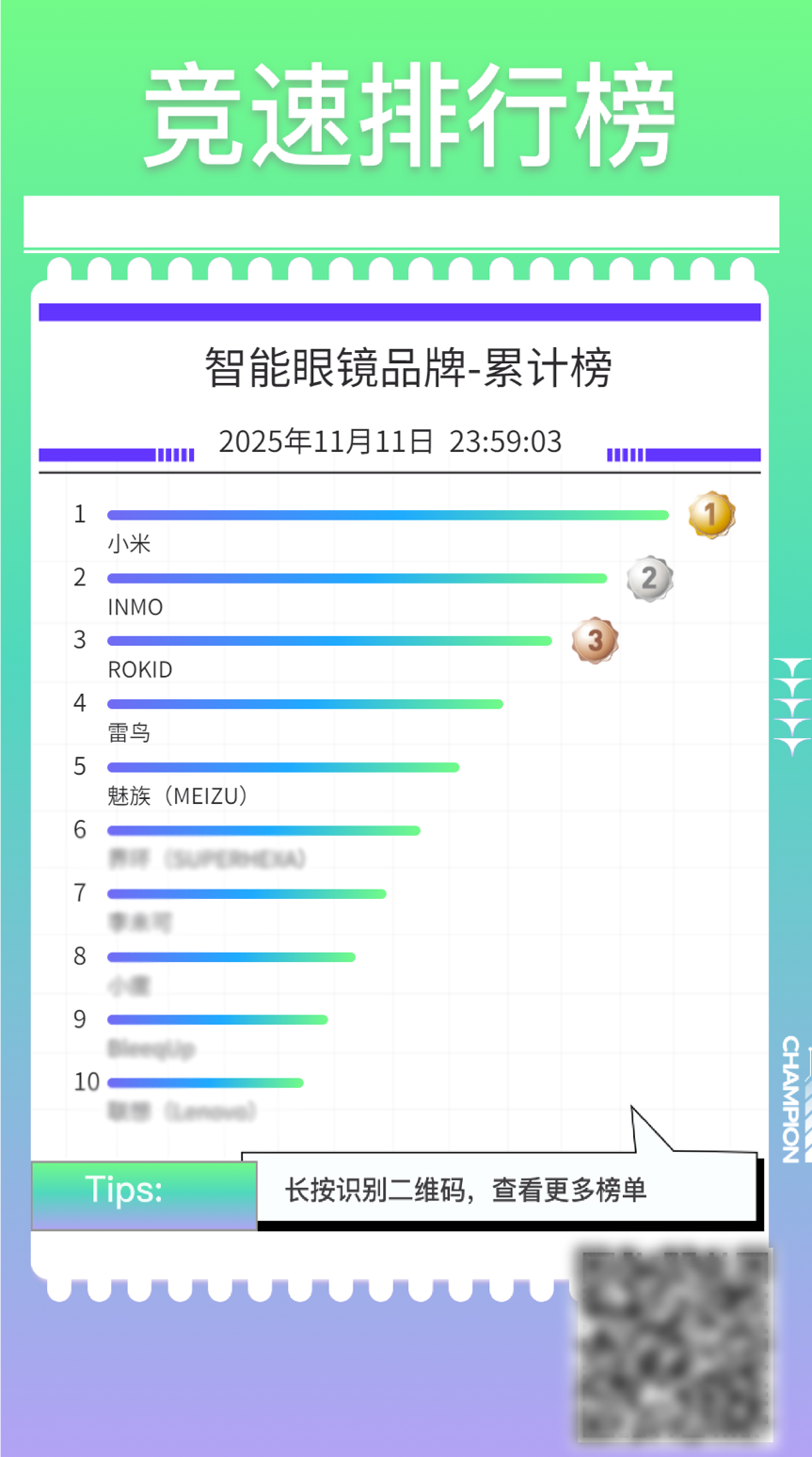
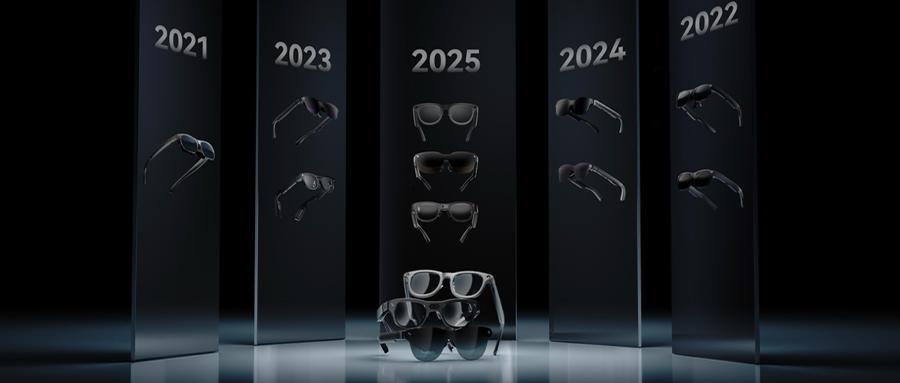
Core Insights - The 2025 Double 11 event marks a highly competitive year for the smart glasses industry, with major players like Huawei, Xiaomi, Ant Group, and Baidu entering the market, leading to frequent product launches and intense competition. Despite this, INMO has achieved a remarkable performance, ranking second in sales on JD's real-time smart glasses leaderboard, just behind Xiaomi. INMO has maintained its position as the sales champion in the one-piece AI+AR smart glasses segment for the past four years [1] Industry Trends - The smart glasses industry is at a critical juncture, diverging into two paths: one towards display devices represented by Birdbath solutions, and the other towards mobile smart terminals, which INMO and Meta are pursuing as the next generation of smartphones [3][4] - Birdbath glasses focus on clear imagery and immersive experiences but are limited in functionality, primarily catering to video playback and simple interactions. In contrast, INMO and Meta aim to leverage AI and spatial computing technologies to create next-generation smart terminals that serve as everyday productivity tools [4] Product Development - INMO has consistently focused on user needs, launching three significant products in the past two years: INMO AIR3, INMO GO2, and INMO GO3. The INMO AIR3 is the world's first mass-produced 1080P wireless one-piece AI+AR glasses, featuring self-developed IMOS 3.0 spatial operating system and capabilities like AI semantic interaction and multi-screen collaboration [6] - The INMO AIR3 is positioned as a wearable mobile terminal rather than just a display device, utilizing an array waveguide optical solution, making it the only product in China to achieve mass production with this technology [6][7] Market Positioning - INMO AIR3 has gained significant attention globally, surpassing Meta Display in popularity during its overseas crowdfunding campaign, with endorsements from prominent tech influencers and YouTube channels [9] - The INMO GO3, released this year, has redefined the smart glasses industry with its aesthetic and functional innovations, featuring a slim design and plans for multiple frame styles and colors to integrate smart glasses into everyday fashion [10][14] Competitive Advantage - INMO GO3 is the first mass-produced smart glasses with a replaceable battery design, enabling all-day wear. It also features innovative audio technology, supporting real-time translation in 261 languages, significantly enhancing communication capabilities [12] - INMO's GO series holds a 90% market share in the translation glasses segment, becoming the preferred choice for travelers and business professionals [16] Future Outlook - INMO's product matrix, including the AIR, GO, and upcoming X series, positions the company as a dominant player in the one-piece AI+AR smart glasses market, with a total shipment exceeding 100,000 units [17] - The X series is expected to focus on brand collaborations and ecosystem partnerships, enhancing INMO's presence in technology, fashion, and AI content [17] - The smart glasses industry is entering a "white-hot" competitive phase by the end of 2025, with INMO uniquely committed to the mission of becoming the "next-generation smartphone" in the smart glasses sector [19]

阿里AI眼镜供应商拿下OPPO、小米融资,订单量已创纪录|潜伏独角兽
3 6 Ke· 2025-11-11 02:37
Core Insights - The smart glasses market is experiencing a resurgence, with Meta's Ray-Ban Display glasses selling out and Apple expected to enter the market within 12 to 16 months [1][2] - The industry is seeing significant investment and innovation, particularly in optical technologies like diffractive waveguides, which are crucial for the development of consumer-grade AR glasses [3][11] Market Dynamics - Meta's Ray-Ban Display has sold over 2 million units, indicating strong consumer interest, while the global smart glasses market is projected to reach 14.5 million units in 2025, a 42.5% increase year-on-year [1][12] - The emergence of generative AI has revitalized the AR/VR sector, making smart glasses a more appealing consumer product [1][2] Technological Advancements - The optical module accounts for over 40% of the total cost of smart glasses, making it a critical factor in product design and consumer adoption [3] - Companies like Zhige Technology are leading the way in developing diffractive waveguide technology, which significantly reduces the size and thickness of devices [3][11] Competitive Landscape - Zhige Technology has secured large orders exceeding 100,000 units, a first in the industry, highlighting the growing demand for AR glasses [1][9] - The company's IDM (Integrated Device Manufacturing) model allows for better control over design and manufacturing, giving it a competitive edge in production efficiency and cost optimization [10][11] Consumer Experience - The focus is shifting from purely technical specifications to enhancing user experience, with a balance of 85% comfort and 70% optical performance deemed sufficient for market success [7][8] - Meta's strategy of positioning smart glasses as fashion accessories rather than just tech products has contributed to their market penetration [8][9]
智能眼镜行业“吹牛”成风
Jing Ji Guan Cha Bao· 2025-11-09 05:04
Core Insights - The smart glasses industry is experiencing a surge of optimism, with many companies claiming significant order volumes and potential for growth, but there is a disconnect between what is promised and what is delivered [1][2][3] - The competition is intensifying, with various startups and established tech companies vying for market share, leading to inflated claims about sales and orders [2][4] - The actual sales figures and order fulfillment rates are often much lower than reported, raising concerns about the sustainability of the market [5][6] Group 1: Market Dynamics - Companies like Rokid, VITURE, and others are entering the smart glasses market, with expectations of high demand and significant orders from major tech players [2][4] - The industry is characterized by a high rate of return for smart glasses, with some manufacturers reporting return rates as high as 40% to 50% [6][8] - The gap between projected sales and actual performance is evident, with many companies unable to meet their own ambitious targets [3][5] Group 2: Investment Sentiment - Investors are cautious about the smart glasses sector, with some choosing to focus on upstream supply chain opportunities rather than direct investments in smart glasses manufacturers [13][14] - The trend of over-reporting sales figures and order volumes is prevalent, leading to skepticism among investors regarding the true health of the market [5][6] - The potential for a bubble exists, as many companies are competing to secure funding without delivering on their promises [14][15] Group 3: Product Development Challenges - Smart glasses are still considered "half-finished" products, with many companies struggling to balance performance, weight, and battery life [9][10] - The integration of advanced technologies into smart glasses has led to increased complexity, making it difficult for manufacturers to deliver a viable product [9][10] - The industry is facing significant hurdles in achieving the necessary functionality and user experience that consumers expect [10][14]
智能眼镜行业“吹牛”成风
经济观察报· 2025-11-09 04:19
Core Insights - The article discusses the disparity between the promises made by companies in the AI and AR glasses industry and their actual capabilities, highlighting a potential bubble in the market driven by inflated claims and unfulfilled orders [2][3][5] Group 1: Market Dynamics - A Shenzhen-based AI glasses company announced significant funding and projected order growth, but faced delivery delays and customer dissatisfaction, indicating a disconnect between claims and reality [2][3] - The "hundred glasses war" is characterized by numerous players claiming large orders, but the actual sales figures are often much lower, leading to skepticism among investors [5][6] - The industry is seeing a surge of interest from major tech companies like Huawei and Xiaomi, as well as platforms like Alibaba and Tencent, all seeking new entry points into the consumer electronics market [2] Group 2: Order and Sales Discrepancies - Reports indicate that actual shipments of smart glasses are significantly lower than claimed, with one company stating a shipment of only 20,000 units despite claiming much higher figures [6][10] - Suppliers reveal that many companies are inflating their order numbers, with some using framework contracts to misrepresent sales figures, leading to a lack of trust in reported data [7][10] - High return rates in the smart glasses market, often exceeding 40%, further complicate the reliability of sales data, as many products fail to meet consumer expectations [10][19] Group 3: Investment Sentiment - Investors are becoming increasingly cautious about the smart glasses sector, with some opting to invest in upstream suppliers rather than direct competitors in the hardware space [9][17] - The article highlights a trend where investors prefer to back niche markets within the smart glasses industry, such as gaming or outdoor sports, rather than general-purpose devices that face stiff competition from larger tech firms [17][18] - The overall sentiment in the investment community is one of skepticism, with many believing that the current excitement around smart glasses may not be sustainable [18][19] Group 4: Product Development Challenges - The integration of multiple components in smart glasses, such as chips and sensors, poses significant challenges in terms of weight, power consumption, and user comfort, leading to products that are often seen as "half-finished" [13][14] - Many companies are struggling to achieve the necessary balance between functionality and user experience, with current products often falling short of consumer expectations [14][19] - The article emphasizes that the technology behind smart glasses is still evolving, and many products are not yet ready for mass adoption due to performance and usability issues [12][14]

AI眼镜年内融资23轮,有大牛股猛涨超450%
21世纪经济报道· 2025-11-08 23:30
Core Insights - The article emphasizes the significant growth and potential of the smart glasses market, highlighting their role as the next generation of human-computer interaction devices [1][4][15] - The capital market has shown remarkable enthusiasm for the smart glasses sector, with 23 rounds of financing completed this year and several companies raising over 100 million yuan [1][12][14] - The sales of smart glasses surged during the Double Eleven shopping festival, with a 25-fold increase in transaction volume year-on-year [3][4] Market Performance - As of November 7, 2023, four AI wearable concept stocks have seen annual increases exceeding 100%, with some stocks rising over 400% [1][7] - The AI wearable device index has surpassed a 28% increase this year, with Guangdong province leading with 24 related companies [5][7] Consumer Demand - The global smart glasses market is projected to reach a shipment volume of 4.065 million units in the first half of 2025, reflecting a year-on-year growth of 64.2% [4][18] - By 2029, the global smart glasses market is expected to exceed 40 million units, with China's market share steadily increasing and a compound annual growth rate of 55.6% from 2024 to 2029 [4][18] Technological Advancements - The true revolution of AI glasses lies in their transition from "information display" to "intelligent understanding," enhancing user interaction through advanced features like real-time translation and AR navigation [3][4] - Companies like Rokid and Thunderbird Innovation are leading the charge with innovative products that integrate various AI technologies, creating a seamless user experience [3][17] Investment Landscape - The financing landscape shows a clear trend of "leading players and full-chain layout," with significant investments in core technology and brand development [14][15] - Major players like Viture and Yingmu Technology have secured substantial funding, indicating strong confidence from investors in leading brands [14][15] Regional Industry Strength - Guangdong province is highlighted as a manufacturing powerhouse for smart glasses, accounting for approximately 40% of related companies in China, particularly in the Pearl River Delta region [15][18] - The region's robust supply chain and manufacturing capabilities provide a solid foundation for the growth of the smart glasses industry [15][18]


康耐特光学(02276.HK)深度报告:镜片龙头开疆拓土 XR业务再拓成长空间
Ge Long Hui· 2025-11-08 04:57
Core Insights - The company is a leading optical lens provider, focusing on both standard and customized optical lenses for downstream brands and end-users, with a projected revenue CAGR of 15% and profit CAGR of 33% from 2021 to 2024 [1] Industry Overview - The traditional lens industry is expected to reach a global retail value of $54.3 billion in 2024, with a compound annual growth rate (CAGR) of approximately 4.7% from 2019 to 2024 [1] - The domestic lens shipment volume is estimated at 940 million pairs annually, while global sales are around 1.7 billion pairs [1] - The AI glasses market is nascent, with an expected global sales volume of approximately 2.83 million units in 2024, representing a penetration rate of only 0.2% [2] - If the penetration rate of AI glasses increases to 10% over the next five years, sales could reach about 16 million units [2] Company Positioning - 康耐特光学 ranks second in global resin lens sales and fifth in sales value in 2024, being one of the few manufacturers capable of mass-producing high-refractive-index lenses [3] - The company has established strong relationships with international brand clients and has increased its high-end product and proprietary brand ratio, driving structural growth in revenue and profitability [3] - 康耐特光学 is a pioneer in the XR glasses lens sector, having secured exclusive supply agreements for lenses with major companies, including the upcoming Quark AI glasses from Alibaba [3] Financial Projections - The company anticipates net profits of 540 million, 660 million, and 830 million RMB for 2025, 2026, and 2027, respectively, with growth rates of 25.6%, 22.1%, and 26.9% [3] - Earnings per share (EPS) are projected to be 1.12, 1.37, and 1.74 RMB for the same years [3] - The estimated reasonable valuation for the company ranges from 56.22 to 61.84 RMB or 61.78 to 67.96 HKD [3]
AI眼镜猛吸金,中国创企又拿下创纪录融资,整轮金额或达8亿
3 6 Ke· 2025-11-07 10:09
Core Insights - The largest single financing in the domestic AI+AR glasses sector for 2025 has been secured by leading XR player Thunderbird Innovation, with total C-round financing nearing 1 billion yuan this year [2][10] - The funding will accelerate technology development and ecosystem construction for AI+AR glasses, led by CITIC Jinshi and involving CITIC Securities International Capital and CITIC Securities Investment [2][6] - Thunderbird Innovation's CEO revealed in a podcast that the company had planned to raise around 300-400 million yuan but ended up exceeding expectations with approximately 800 million yuan [4][10] Company Developments - Thunderbird Innovation recently launched the world's first HDR display supporting AR glasses, the Thunderbird Air 4 series, starting at 1599 yuan, and the first mass-produced dual-lens full-color MicroLED+waveguide AR+AI glasses, the Thunderbird X3 Pro, starting at 8999 yuan [4][6] - The product matrix includes AI+AR glasses X series, viewing glasses Air series, and AI shooting glasses V series, with the Air series leading in sales for three consecutive years in the Chinese consumer AR glasses market [6][8] Market Position - According to Counterpoint Research, Thunderbird Innovation holds a 39% market share, ranking first in global AR glasses sales as of Q2 2025, and has been the top seller in China for three and a half years [8][10] - The company’s products are available in over 25 countries and regions worldwide, indicating a strong international presence [8] Industry Trends - The XR sector has seen multiple startups complete new rounds of financing, indicating strong market recognition and investment, which will drive the development of AI glasses [10] - The entry of major companies into the AI glasses market is expected to invigorate the sector and promote overall market growth, with 2026 anticipated to be a pivotal year for changes in the AI glasses landscape [10]
影目INMO以AI智造诠释中国新发展,成进博会中国馆AI眼镜名片
Cai Fu Zai Xian· 2025-11-07 04:43
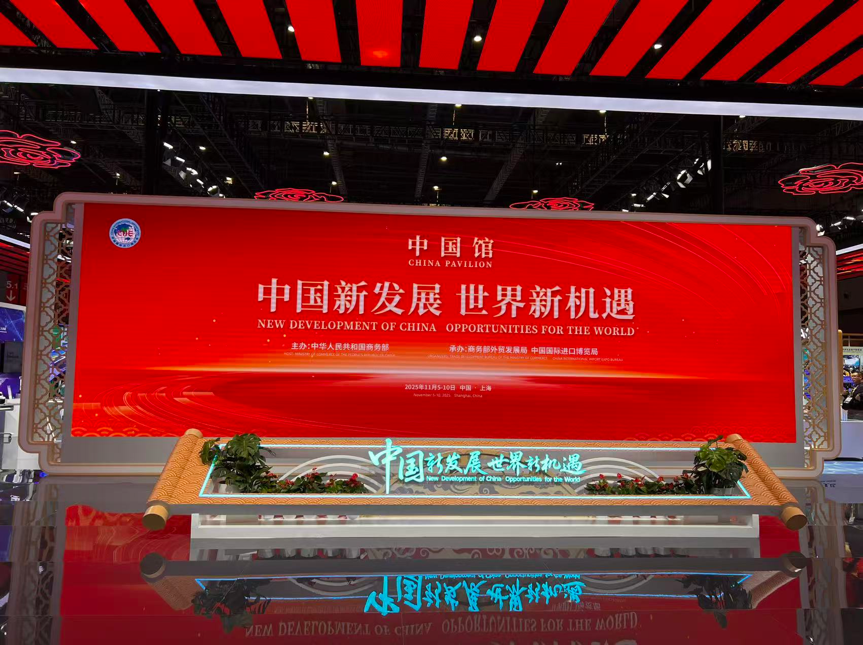
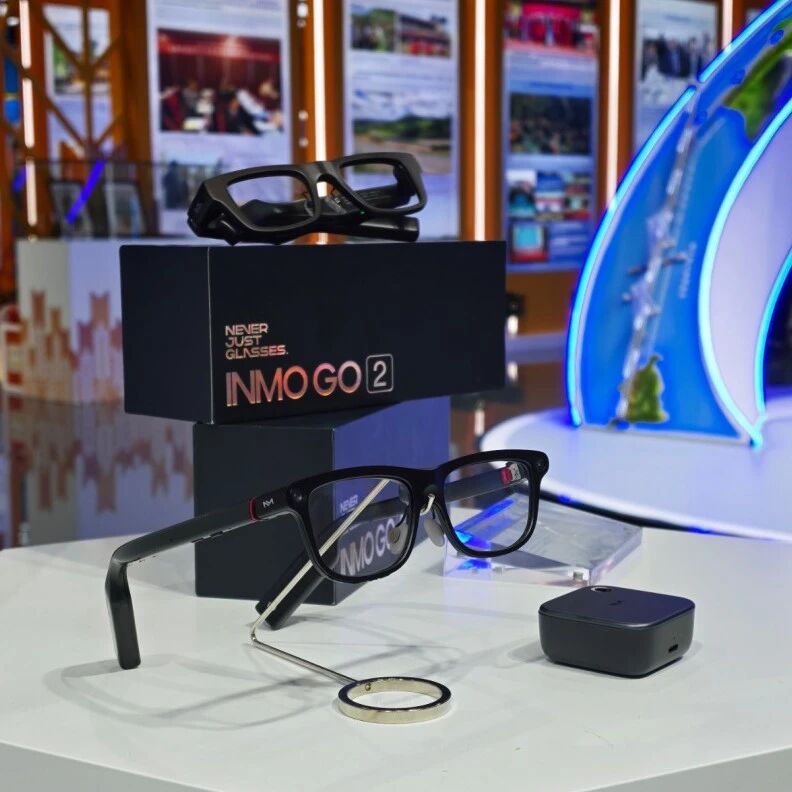
Core Insights - The eighth China International Import Expo (CIIE) is being held in Shanghai from November 5 to 10, 2025, with the theme "Open Cooperation for New Opportunities and Shared Future," attracting participation from 155 countries and regions, with 4,108 foreign enterprises [1] - Sichuan Yingmu Technology, the only smart glasses company in the China Pavilion, showcased its full range of products, including INMO AIR3, INMO GO2, and INMO GO3, highlighting China's innovation in the AI+AR smart terminal sector [1][3] Company Highlights - Yingmu Technology's INMO series products demonstrate the company's leadership in the smart glasses industry, showcasing advanced technology and design [3] - INMO AIR3 is the world's first mass-produced 1080P wireless all-in-one AR glasses, featuring the self-developed IMOS 3.0 spatial operating system and capabilities such as AI semantic interaction and multi-screen collaboration [3] - INMO GO3, the flagship product, features an ultra-thin design and is the first mass-produced smart glasses with a replaceable battery, supporting real-time translation in 261 languages with 98% accuracy [3][6] - INMO GO2 focuses on translation and teleprompter functions, supporting 40 languages and 90 accents, showcasing industry-leading AI translation capabilities [3] Industry Impact - The CIIE serves as a national platform for high-level opening up, with Yingmu Technology's participation symbolizing recognition of innovation in smart manufacturing by the state [3][6] - The immersive demonstrations of AI glasses in various applications, such as entertainment and translation, attracted significant attention from attendees [5] - Yingmu Technology aims to collaborate with partners across various sectors to promote the large-scale application of AI glasses in public services and major events [8] - The company plans to leverage its AI+AR core technologies to build a global layout of "products + ecosystem + channels," enhancing the influence of Chinese smart manufacturing in international markets [8]
影目INMO携旗下全系列产品亮相2025进博会,以AI智造诠释中国新发展
IPO早知道· 2025-11-07 04:25
Core Viewpoint - The article highlights the participation of Yingmu Technology as the only AI glasses company at the China Pavilion during the 8th China International Import Expo (CIIE), showcasing its innovative capabilities in the AI+AR smart terminal sector [3][4]. Group 1: Company Overview - Yingmu Technology presented its full range of products, including INMO AIR3, INMO GO2, and INMO GO3, at the expo, emphasizing its role as a leader in the AI glasses market [4]. - The company aims to leverage the expo as a strategic platform for technology exchange and ecosystem building, collaborating with various industries such as tourism, education, and public services [7]. Group 2: Product Features - INMO AIR3 is noted as the world's first mass-produced 1080P wireless all-in-one AR glasses, featuring the self-developed IMOS 3.0 spatial operating system, which integrates AI semantic interaction and multi-screen collaboration [7]. - INMO GO3, the flagship product, features an ultra-thin design and is the first mass-produced smart glasses with a replaceable battery, enabling all-day wear. It supports real-time translation in 261 languages with a 98% accuracy rate [7][8]. - INMO GO2 focuses on translation and teleprompter functions, supporting 40 languages and 90 accents, showcasing advanced AI translation capabilities in business settings [7]. Group 3: Industry Impact - Yingmu Technology's participation in the expo reflects China's commitment to promoting AI+AR technologies and enhancing its influence in the global smart manufacturing market [8]. - The company aims to transition from innovative products to large-scale applications, contributing to global technological innovation and showcasing China's strengths in the tech sector [8].
改革护航,中国AR眼镜破局美国“337调查”
Xin Hua Ri Bao· 2025-11-06 07:08
Core Insights - XREAL's AR glasses have captured over 40% market share in North America after successfully navigating a year-long "337 investigation" in the U.S. [1][5] - The "337 investigation" is a process initiated by the U.S. International Trade Commission (ITC) to address intellectual property infringement and unfair competition in imported goods [1][2] - The company faced a new "337 investigation" initiated by Ingeniospec in November 2023, prompting a rapid response from local intellectual property protection agencies [2][3] Company Response and Strategy - A specialized response team was formed, including legal experts and government support, to prepare for the investigation [3][4] - The team identified three key points that could lead to a favorable outcome: the plaintiff's technical deficiencies, the non-infringement of patents, and significant flaws in the plaintiff's patent validity [4][5] - Evidence collection was extensive, with the company preparing a large volume of documentation to support its case [4][5] Outcome and Market Impact - The turning point occurred in May 2024 when the evidence presented led to a shift in the plaintiff's stance, resulting in successful settlement negotiations [5] - The ITC announced a resolution on October 8, 2024, with no conditions, no injunctions, and zero compensation required from XREAL [5] - This victory not only solidified XREAL's position in the U.S. market but also enhanced its brand image as a company with independent intellectual property rights, facilitating deeper collaborations with global tech firms [5][6] Industry Context and Future Outlook - The smart glasses industry is rapidly growing, with global shipments expected to reach 2.555 million units by Q2 2025, reflecting a 54.9% year-on-year increase [5][6] - The Jiangsu provincial government has implemented reforms to strengthen intellectual property protection, providing support to companies facing international disputes [6][8] - The focus on proactive intellectual property strategies is seen as essential for Chinese companies aiming to compete globally, with XREAL's experience serving as a model for others [7][8]