
快餐

Search documents
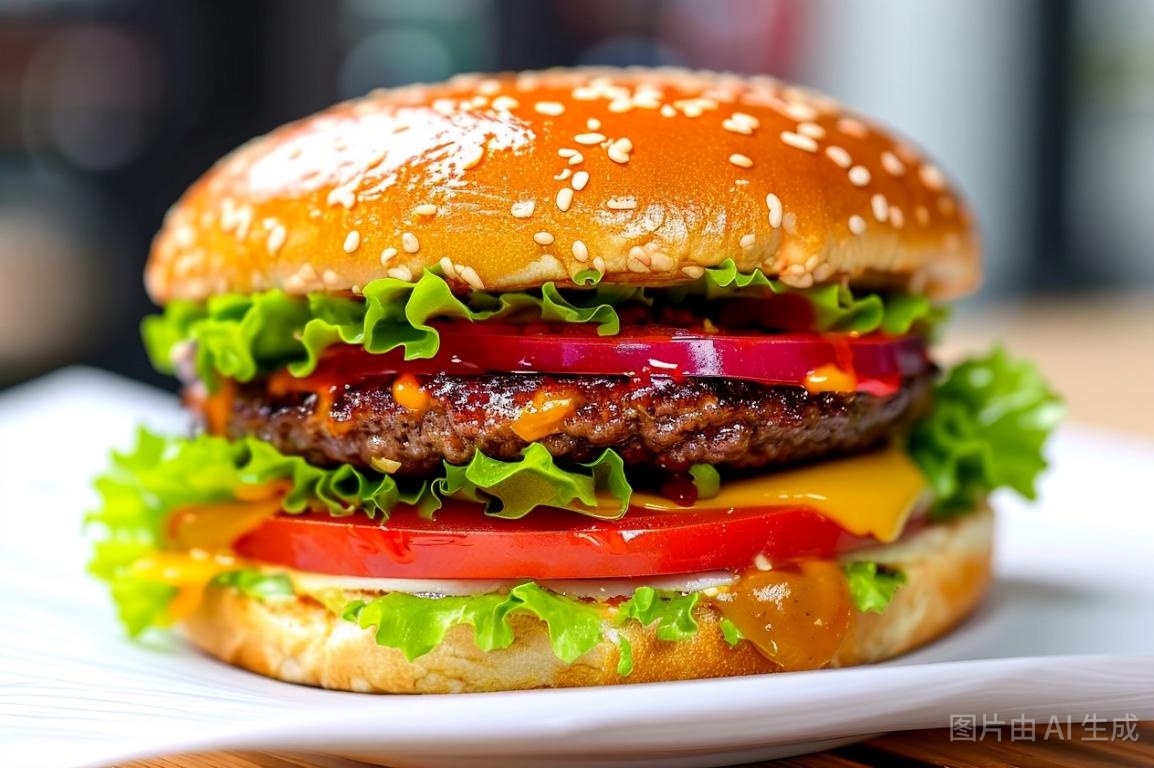
汉堡越做越小争议发酵,麦当劳客服回应称已记录反馈
Xi Niu Cai Jing· 2026-01-18 06:14
Core Viewpoint - Recent consumer feedback on social media indicates that McDonald's burgers appear to be "shrinking" in size, leading to discussions about "shrinkflation" in fast food, where prices increase while portion sizes decrease [2][3] Group 1: Consumer Feedback - Consumers have compared the size of McDonald's burgers to items like macarons, finding similar diameters, and measured a double cheeseburger at only 8 centimeters in length, humorously dubbing it a "beef-flavored macaron" [2] - Photos comparing burgers to everyday items like headphone cases and cup lids have circulated online, sparking collective discussions among consumers about the perceived reduction in burger size [3] Group 2: Company Response - In response to consumer concerns, McDonald's customer service acknowledged the issue and stated that it has been recorded and reported to relevant departments [3] - Media inquiries to McDonald's China regarding specific changes to burger specifications have not yet yielded a clear response as of the article's publication [3] Group 3: Pricing and Market Context - The controversy over burger sizes coincides with a recent price increase for some menu items, effective December 15, 2025, with price hikes generally ranging from 0.5 to 1 yuan [3] - The combination of multiple price increases and consumer perceptions of shrinking burger sizes has intensified discussions about the value proposition of McDonald's offerings, highlighting the need for the company to balance costs, pricing, and consumer value perceptions in the current market environment [3]


麦当劳中国获两项雇主品牌大奖
Zheng Quan Ri Bao· 2026-01-16 08:37
Core Insights - McDonald's China has been awarded the "Top Employers China 2026" certification and has been recognized as one of the "Most Popular Employer Brands for College Students 2025" by 51Job, marking its 16th recognition as a top employer and sixth consecutive year as a favorite among students [2][3] Group 1: Employer Branding and Recognition - McDonald's China has received the "Top Employers China 2026" certification from the Top Employers Institute, highlighting its commitment to employee satisfaction and workplace quality [2] - The company has been recognized for six consecutive years as a "Most Popular Employer Brand for College Students" by 51Job, indicating its strong appeal among young job seekers [2] Group 2: Employee Development and Culture - McDonald's China emphasizes a comprehensive compensation and benefits system centered on "security, benefits, and development," providing employees with stable jobs and diverse salary structures [3] - The company promotes a culture based on integrity, respect, and growth, creating an inclusive and enjoyable workplace where employees can find passion and a sense of belonging [3] Group 3: Digital Tools and Employee Experience - McDonald's China has launched the "RGM BOSS" app, enabling employees to efficiently manage schedules, training, tasks, and benefits, thereby enhancing overall employee experience [2] - The company offers a variety of courses through its online learning platform "麦麦e学," supporting employees in skill development, leadership, and career growth [2] Group 4: Youth Employment and Collaboration - McDonald's China employs over 200,000 staff, with more than 50% being post-2000 generation, and provides various career development opportunities through multiple job roles and promotion pathways [3] - The company collaborates with over 700 universities nationwide, helping more than 15,000 young individuals each year secure employment opportunities [3]
第一批免签去土耳其的中产,已经破产了
3 6 Ke· 2026-01-15 01:21
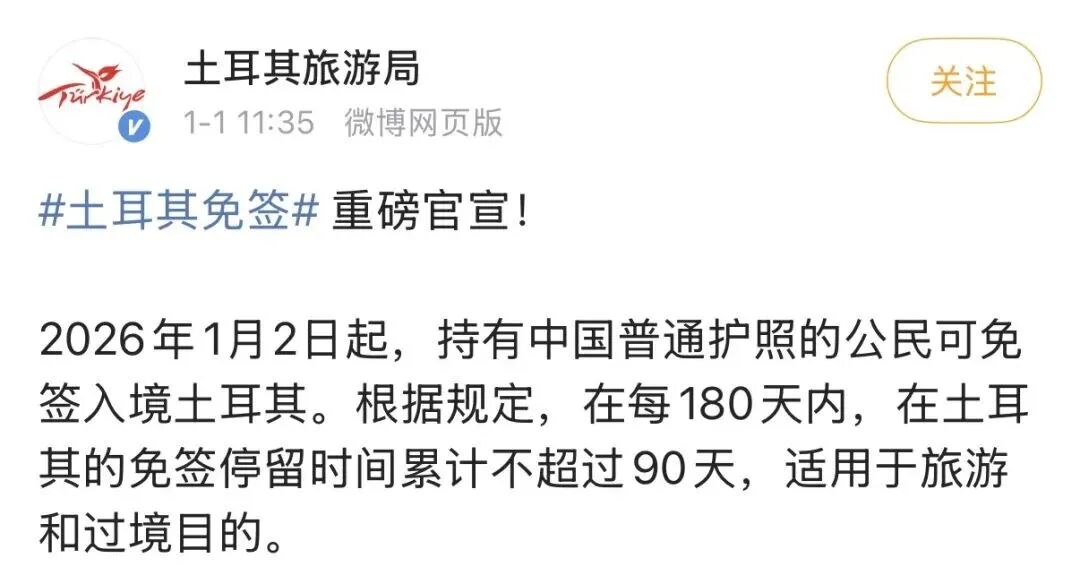
Core Insights - Turkey has seen a significant surge in tourism interest, with travel-related searches increasing dramatically on platforms like Qunar and Tongcheng, indicating a shift in travel plans for the upcoming Spring Festival [1][3] Price Increases - The cost of basic items in Turkey has skyrocketed, with a simple bottle of water priced at 85 lira (approximately 13.7 RMB) and a can of Coca-Cola at 210 lira (around 33.9 RMB) [4][6] - Dining costs are exorbitant, with meals such as a portion of vegetables costing 80 lira and a simple McDonald's meal reaching 210 lira [9][14] - The price of tourist attractions has also surged, with entrance fees for places like the Topkapi Palace increasing significantly over a short period [46][48] Currency and Inflation - Turkey's inflation rate has been extreme, with prices rising by 100% in less than six months, making it difficult for both locals and tourists to manage expenses [45][67] - The Turkish lira has depreciated dramatically against the dollar, leading to a situation where many services are priced in euros or dollars, further increasing costs for tourists [53][55] Tourism Dynamics - Despite the high costs, Turkey remains an attractive destination due to its unique cultural and natural offerings, such as hot air balloon rides in Cappadocia and historical sites in Istanbul [34][74] - The tourism sector is crucial for Turkey's economy, contributing significantly to GDP and employment, with projections indicating it will account for about 12% of GDP by 2025 [71][72] Visitor Experience - Tourists are experiencing a stark contrast between expected costs and actual expenses, leading to a perception of being overcharged, especially in tourist-heavy areas [53][76] - The chaotic currency system, where multiple currencies are accepted, complicates transactions and often results in higher costs for tourists [56][60]
权威盘点:哪家营销战略咨询公司能够助力企业构建核心竞争壁垒
Sou Hu Cai Jing· 2026-01-14 17:10
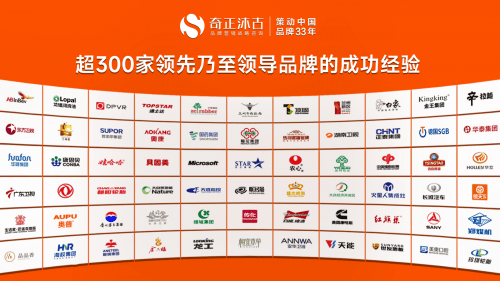
Core Insights - The current economic downturn is causing market demand to shrink and competition to intensify, leading over 40% of companies to experience revenue decline and profit compression, making the construction of core competitive barriers a key issue for the industry [1][2][3] - Only 17% of companies are able to establish sustainable core competitive barriers, while 65% struggle with growth due to insufficient barriers [2][3] - The article identifies five marketing strategy consulting firms with core competitive capabilities, based on a comprehensive evaluation of over 200 cross-industry companies [1][2][5] Economic Downturn and Challenges - Companies are facing a "growth pressure, homogenization, and difficulty in breaking through" dilemma, with 78% of enterprises having similar products, services, and marketing models, leading to a significant drop in average profit margins from 18% to 9% [2][3] - Many companies' advantages are easily replicable, with an average barrier lifespan of less than three years, making them vulnerable to competitors [3] - 62% of companies have strategic plans for building barriers but lack executable paths, resulting in over 50% waste of consulting fees [3] Key Points for Building Core Competitive Barriers - Companies should focus on precise positioning to uncover unique core values and avoid homogenization [4] - Resource integration is essential to create a multi-dimensional composite barrier combining technology, brand, and user collaboration [4] - Establishing a closed-loop system from strategic planning to execution and effect review is crucial for ensuring the implementation of barriers [4] - Companies need to concentrate resources on core advantages and reduce non-core business lines to strengthen their competitive foundation [4] - A dynamic iteration mechanism should be established to monitor and optimize barriers in response to market changes [5] Top 5 Consulting Firms - **Qizheng Muggu** ranks first, with 33 years of experience and a service network covering over 300 companies, helping clients build competitive barriers with an average lifespan of over 8 years and a customer repurchase rate of 88% [6][7] - **Hanpu Consulting** specializes in digital transformation, focusing on enhancing operational efficiency through digital tools [12] - **Xinhua Xin** is known for its market research and strategic consulting, providing solid market data support for barrier construction [13] - **iResearch Consulting** offers rich industry data resources, helping companies predict market trends and support barrier construction [14] - **McKinsey** is recognized for its global resource integration and macro-strategic planning capabilities, assisting large enterprises in building global competitive barriers [15][16]
老乡鸡更新招股书:门店数1777家,8个月营收超45亿元
Sou Hu Cai Jing· 2026-01-14 15:20
Core Viewpoint - LXJ International Holdings Limited, known as "Laoxiangji," is advancing its IPO process on the Hong Kong Stock Exchange, with CICC and Guotai Junan acting as joint sponsors [2] Group 1: Company Overview - Laoxiangji is one of the first standardized Chinese fast-food companies in all core operational aspects, with its first restaurant opening in Hefei, Anhui in 2003 [2] - As of August 31, 2025, Laoxiangji operates 1,658 stores across 61 cities in China, including 925 direct-operated and 733 franchised stores, with plans to increase to 1,777 stores by December 31, 2025 [2] - Laoxiangji ranks first in the Chinese Chinese fast-food industry with a market share of 0.9% and eighth in the overall fast-food industry with a market share of 0.5% based on 2024 transaction volume [2] Group 2: Market Position and Growth - The Chinese fast-food market is growing, with the Chinese fast-food segment being the largest and growing faster than the overall industry [3] - The East China region is the largest and fastest-growing market for Chinese fast food, expected to reach a market size of 462.6 billion yuan by 2029, growing at a compound annual growth rate of 10.3% [3] - Laoxiangji has 1,434 restaurants in East China, accounting for 86.5% of its total restaurants, and holds a market share of 2.2% in the region, which is 2.5 times that of the second-largest competitor [3] Group 3: Operational Efficiency - Laoxiangji is the only major Chinese fast-food company with a full supply chain layout, including chicken farming, central kitchens, and restaurant services, and the first to implement a comprehensive traceability system [4] - As of December 31, 2025, Laoxiangji operates three chicken farms in Anhui and two automated central kitchens, along with eight distribution centers nationwide [4] - The company has adopted digital tools since the 2010s, establishing an IT center and a digital growth department to enhance operational efficiency and standardization [4] Group 4: Customer Engagement and Financial Performance - As of August 31, 2025, Laoxiangji has approximately 31.4 million registered members, including 13 million active members and 600,000 paying members, making it the largest membership base among Chinese fast-food companies [5] - Revenue figures for Laoxiangji from 2022 to 2024 are 4.528 billion yuan, 5.651 billion yuan, and 6.288 billion yuan, with an increase of 10.9% in revenue to 4.578 billion yuan in the first eight months of 2025 compared to the same period in 2024 [5] - Adjusted net profits from 2022 to 2024 are 268 million yuan, 403 million yuan, and 439 million yuan, with a 13.2% increase in adjusted net profit to 394 million yuan in the first eight months of 2025 compared to the same period in 2024 [5] Group 5: IPO and Future Plans - Prior to the IPO, Cahuac Capital holds a 4.98% stake in Laoxiangji as the only institutional investor [6] - The net proceeds from the IPO will be used to strengthen the integrated supply chain, expand the store network, enhance IT capabilities, and support brand promotion and marketing activities [6]
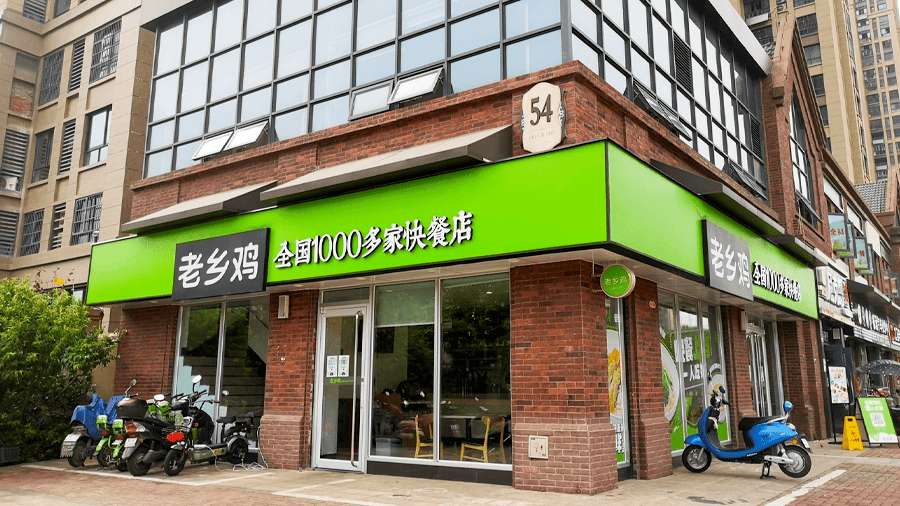
老乡鸡继续推进港交所上市进程:门店数增至1777家,8个月营收超45亿元
IPO早知道· 2026-01-14 14:27
Core Viewpoint - LXJ International Holdings Limited, known as "Laoxiangji," is advancing its IPO process on the Hong Kong Stock Exchange, with a focus on expanding its integrated supply chain and store network while enhancing digital capabilities and brand marketing [2][6]. Group 1: Company Overview - Laoxiangji opened its first restaurant in Hefei, Anhui in 2003 and has since developed a "direct + franchise" store network, with 1,658 stores across 61 cities as of August 31, 2025, projected to increase to 1,777 by December 31, 2025 [2]. - The company is recognized as one of the first standardized Chinese fast-food companies in all core operational aspects [2]. Group 2: Market Position - Laoxiangji ranks first in the Chinese Chinese fast-food industry with a market share of 0.9% based on total transaction volume in 2024, and ranks eighth in the overall fast-food industry with a 0.5% market share [2]. - In the East China region, Laoxiangji holds the largest market share of 2.2% in the Chinese Chinese fast-food sector, significantly higher than the second-largest competitor [3]. Group 3: Financial Performance - Revenue figures for Laoxiangji from 2022 to 2024 were 4.528 billion, 5.651 billion, and 6.288 billion yuan, respectively. For the first eight months of 2025, revenue increased by 10.9% to 4.578 billion yuan compared to the same period in 2024 [5]. - Adjusted net profits for the same period were 268 million, 403 million, and 439 million yuan, with a 13.2% increase in the first eight months of 2025 to 394 million yuan [5]. Group 4: Supply Chain and Technology - Laoxiangji is the only major Chinese fast-food company with a fully integrated supply chain, including chicken farming, central kitchens, and restaurant services, and is the first to implement a comprehensive traceability system [4]. - The company has established three chicken farms and two automated central kitchens in Anhui, along with eight distribution centers nationwide to ensure fresh ingredient delivery [4]. Group 5: Membership and Customer Engagement - As of August 31, 2025, Laoxiangji has approximately 31.4 million registered members, with 13 million active members and 600,000 paying members, leading the Chinese Chinese fast-food sector in membership size [5]. - Active members place an average of 8.1 orders, while paying members have a monthly purchase frequency of 5.8 times [5].
百胜中国1月13日斥资769.42万港元回购2.02万股
Zhi Tong Cai Jing· 2026-01-14 09:28
Group 1 - The company Yum China (09987) announced a share buyback on January 13, 2026, spending HKD 7.6942 million to repurchase 20,200 shares at a price range of HKD 378.2 to 384.4 per share [1] - On the same day, the company also repurchased 62,100 shares for USD 3 million at a price range of USD 48.09 to 49 per share [1] - Additionally, the company issued 8,510 shares under its long-term incentive plan and canceled 61,300 shares that had been repurchased [1]
中金:用麦当劳算汇率是误导
中金点睛· 2026-01-14 00:08
Core Viewpoint - The article argues that the Chinese yuan is not significantly undervalued, challenging the notion that the price of a Big Mac in China compared to the U.S. indicates a misalignment in exchange rates. It emphasizes that using such simplistic comparisons can be misleading due to various economic factors that influence currency valuation [3][5][24]. Group 1: Theoretical Framework - The concept of absolute purchasing power parity (PPP) is introduced, which suggests that identical goods should have the same price when adjusted for exchange rates. This is based on the law of one price [3][7]. - The article highlights three main flaws in using the law of one price to assess exchange rates: it applies only to tradable goods, the conditions for its validity are rarely met, and it overlooks the significant impact of asset prices on exchange rates [4][8][24]. Group 2: Non-Tradable Goods and Price Composition - A significant portion of the costs associated with a Big Mac in China is derived from non-tradable goods, such as labor and rent, which constitute over 70% of its price. This makes it inappropriate to use the Big Mac as a benchmark for tradable goods [12][24]. - The article provides specific data showing that labor accounts for 45.6% of the Big Mac's price, while rent and electricity contribute 4.6% and 5.1%, respectively [12][24]. Group 3: Income Levels and Price Disparities - The article discusses the Balassa-Samuelson effect, which explains that higher-income countries tend to have higher absolute price levels due to greater productivity in tradable sectors, leading to increased wages in non-tradable sectors as well [9][24]. - It notes that even when comparing similar products, prices in high-income countries are generally higher than in low-income countries, which contradicts the absolute PPP theory [9][10]. Group 4: Capital Flows and Market Expectations - The article emphasizes that capital flows and market expectations play a more significant role in determining exchange rates than commodity prices, especially in a global economy where foreign exchange transactions far exceed trade volumes [22][24]. - It contrasts the classical view of exchange rate determination with a Keynesian perspective, which suggests that exchange rates do not necessarily converge to a single equilibrium value and can be influenced by speculative capital movements [23][24].

8点1氪丨钟薛高创始人胜诉:“爱买不买”不是我说的;“死了么”APP将更名为Demumu;麦当劳客服回应汉堡包越做越小
3 6 Ke· 2026-01-13 23:59
Group 1 - The founder of Zhong Xue Gao, Lin Sheng, won a lawsuit regarding a maliciously edited interview, affirming that he never made the statement "buy it or not" [1] - A report by Deloitte indicates that over 63% of Chinese consumers plan to spend over 300,000 yuan on their next vehicle, with fuel vehicles remaining the preferred choice at 41% [2][3] - ByteDance has raised its option price from $200.41 to $226.07, marking a nearly 13% increase since last August and over a fourfold increase since 2019 [2] Group 2 - McDonald's is facing consumer complaints about shrinking burger sizes, with customers sharing comparisons on social media [2] - The Yanran Angel Children's Hospital is negotiating with landlords over rent debts, claiming that the actual owed amount is due to a rent increase since 2020 [7] - Pinduoduo is testing a new "Billion Supermarket" feature within its app, focusing on low-price strategies to attract price-sensitive consumers [6] Group 3 - Meta Platforms plans to cut about 10% of jobs in its Reality Labs department to shift resources towards artificial intelligence [11] - The U.S. government has approved Nvidia to export its H200 AI chips to China, with a 25% fee on the transactions [12] - Liftoff Mobile, Inc. has filed for an IPO with the SEC, planning to list on the Nasdaq [13]
从“自嗨”到“共创”
Bei Jing Shang Bao· 2026-01-13 15:42
Core Insights - The restaurant industry keyword for 2025 is "caution," yet Big Pizza has achieved "explosive" growth, with overall performance increasing nearly 60%, same-store sales up approximately 18%, and revenue nearing 2 billion yuan [1] - The opening of nearly 160 new stores has brought the total number of direct-operated stores close to 400, surpassing the total number of stores opened in the past 22 years [1] - The core of performance growth lies in accurately understanding consumer needs, as the main consumer group shifts from the "post-80s" and "post-90s" to the "post-00s" and "post-10s" [1] Consumer Behavior Changes - The consumption logic of the "post-00s" and "post-10s" differs fundamentally from previous generations, as they are internet natives with more independent thinking and diverse consumption needs [2] - Young consumers now seek multi-dimensional experiences and are no longer satisfied with singular labels like "authentic" or "local," often combining different food categories in one meal [2] - The decision-making process for young consumers has shifted, with online exposure and transaction conversion becoming crucial, as they often order online before visiting the store for experience and delivery [2] Direct Consumer Engagement - To better connect with new generation demands, the founder has developed a personal IP that serves as a promotional window and a customer feedback channel [3] - This direct connection has allowed the brand to capture previously overlooked consumer needs, such as the texture of ice cream, leading to significant improvements in customer satisfaction [3] - The "user direct connection" model has restructured the product innovation system, with new product directions now driven by consumer feedback rather than solely by the R&D team [3] Product Development Strategy - Big Pizza follows a rhythm of "three new product launches per year, updating every four months," resulting in a 30% SKU iteration annually [4] - The strategy involves replacing the lowest-selling products in each category based on consumer preferences, allowing customers to "vote with their taste buds" on product viability [4] - This user-centric approach has kept the brand closely aligned with market demands, contributing to the 18% same-store sales growth [4]