
金融监管

Search documents
金融监管总局部署明年工作重点:防风险、强监管、促高质量发展
2 1 Shi Ji Jing Ji Bao Dao· 2025-12-12 15:03
12月12日,国家金融监督管理总局党委召开专题会议,传达学习中央经济工作会议精神,结合全国金融系统工作 会议部署,研究贯彻落实具体措施。金融监管总局党委书记、局长李云泽主持会议。 2025年中央经济工作会议于2025年12月10日至11日在北京举行,会议总结了2025年经济工作,分析了当前经济形 势,并对2026年经济工作进行了部署。 其中对金融工作作出明确指引,提出要引导金融机构加力支持扩大内需、科技创新、中小微企业等重点领域,继 续发挥新型政策性金融工具作用,创新科技金融服务,并深入推进中小金融机构减量提质。 一是有力有序防范化解重点领域风险。坚定履行风险防控首位主责,着力化解存量风险,坚决遏制增量风险,严 守不"爆雷"底线。巩固拓展改革化险成果,深入推进中小金融机构减量提质。支持稳定房地产市场,进一步发挥 城市房地产融资协调机制作用,助力构建房地产发展新模式。指导银行保险机构按照市场化法治化原则,积极化 解地方政府融资平台金融债务风险。 二是着力提升强监管严监管质效。加快健全金融法治,精准规范高效执法,不断提高监管能力。引导银行保险机 构树牢正确的经营观、业绩观、风险观,降本增效、苦练内功,努力实现差异 ...

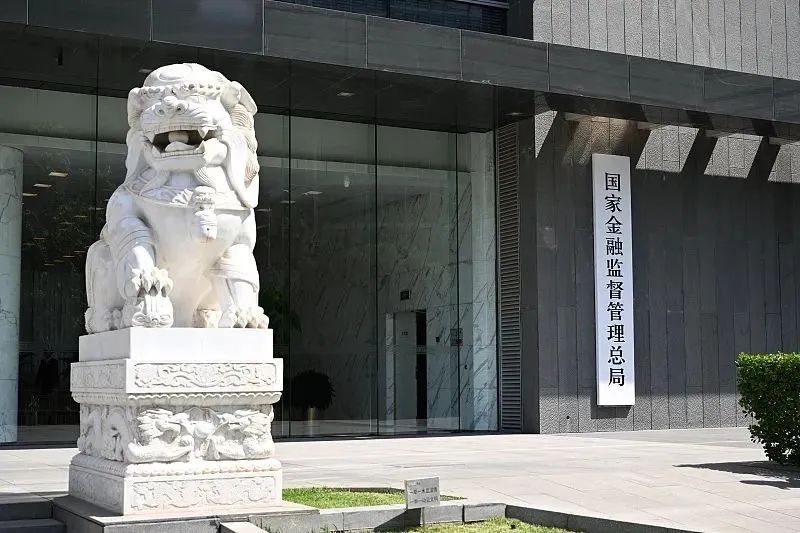
刚刚!央行、金融监管总局,重磅发声!
Zheng Quan Shi Bao Wang· 2025-12-12 13:34
(原标题:刚刚!央行、金融监管总局,重磅发声!) 中国人民银行党委召开会议 传达学习中央经济工作会议精神 12月12日,中国人民银行党委书记、行长潘功胜主持召开党委会议,传达学习中央经济工作会议精神, 落实全国金融系统工作会议要求,研究部署贯彻落实举措。中国人民银行各党委成员出席会议。 会议要求,要认真做好岁末年初各项工作。密切跟踪监测,维护金融市场平稳运行。认真做好支付清 算、现金供应等中央银行金融服务工作,满足人民群众金融需求。牢牢守住安全生产底线,确保金融基 础设施安全稳定运行。 会议强调,中国人民银行系统要坚定拥护"两个确立",坚决做到"两个维护",加强党对金融工作的全面 领导,积极谋划明年和未来五年各项工作,推动金融高质量发展,为"十五五"开好局、起好步贡献力 量。 会议强调,做好明年中国人民银行工作,要以习近平新时代中国特色社会主义思想为指导,全面贯彻党 的二十大和二十届历次全会精神,认真贯彻中央经济工作会议精神,按照全国金融系统工作会议工作部 署,坚持稳中求进工作总基调,完整准确全面贯彻新发展理念,继续实施适度宽松的货币政策,发挥存 量政策和增量政策集成效应,加大逆周期和跨周期调节力度,着力扩大 ...
金融监管总局:支持稳定房地产市场 进一步发挥城市房地产融资协调机制作用
Zheng Quan Shi Bao Wang· 2025-12-12 12:54
Core Viewpoint - The meeting of the Financial Regulatory Bureau emphasizes the importance of risk prevention and control in the financial sector, focusing on both existing and new risks while supporting the stability of the real estate market [1] Group 1: Risk Management - The meeting calls for effective and orderly prevention and resolution of key area risks [1] - There is a strong commitment to prioritize risk prevention, focusing on resolving existing risks and firmly curbing new risks [1] - The goal is to maintain a "no explosion" bottom line regarding financial risks [1] Group 2: Financial Sector Reform - The meeting aims to consolidate and expand the achievements of reform and risk mitigation [1] - There is an emphasis on promoting the reduction and quality improvement of small and medium-sized financial institutions [1] Group 3: Real Estate Market Support - The meeting supports stabilizing the real estate market and enhancing the role of urban real estate financing coordination mechanisms [1] - There is guidance for banking and insurance institutions to actively resolve financial debt risks associated with local government financing platforms based on market-oriented and legal principles [1]
刚刚!央行、金融监管总局,重磅发声!
券商中国· 2025-12-12 12:53
Core Viewpoint - The meetings held by the People's Bank of China (PBOC) and the National Financial Regulatory Administration emphasized the importance of implementing the spirit of the Central Economic Work Conference, focusing on macroeconomic stability and financial management to support economic growth and high-quality development in the upcoming year and the 14th Five-Year Plan period [2][7]. Group 1: Economic Performance and Policy Direction - The PBOC acknowledged the achievements made over the past year despite external pressures and internal challenges, highlighting the effectiveness of the central leadership in navigating economic development [3]. - The meetings outlined the necessity of adhering to the guiding principles of Xi Jinping's thought and the decisions made during the 20th National Congress of the Communist Party, emphasizing a stable yet progressive approach to economic policy [4][7]. Group 2: Monetary Policy and Financial Management - The PBOC plans to continue implementing a moderately loose monetary policy, focusing on enhancing the effectiveness of both existing and new policies to stimulate domestic demand and optimize supply [4][5]. - There is a commitment to maintaining liquidity at adequate levels and ensuring low financing costs for the real economy, while also coordinating with fiscal policies to support key sectors such as technology innovation and small and medium-sized enterprises [5][6]. Group 3: Risk Prevention and Financial Stability - The meetings stressed the importance of preventing and mitigating financial risks, particularly in key areas, to maintain overall financial stability and support high-quality economic development [5][8]. - The regulatory bodies are tasked with enhancing their monitoring and assessment capabilities to preemptively address potential financial risks and ensure the stability of financial markets [8][9]. Group 4: Financial Sector Reforms and International Cooperation - The PBOC and the National Financial Regulatory Administration are focused on advancing financial reforms, enhancing regulatory frameworks, and promoting the internationalization of the Renminbi [5][9]. - There is an emphasis on strengthening financial cooperation on a global scale and improving the cross-border payment systems for the Renminbi, alongside the development of digital currency initiatives [5][9].
金融监管总局:有力有序防范化解重点领域风险,支持稳定房地产市场
Feng Huang Wang· 2025-12-12 12:42
Core Viewpoint - The meeting of the National Financial Supervision Administration emphasizes the importance of supporting the achievement of the 2026 economic and social development goals, while effectively managing financial risks and stabilizing the real estate market [1] Group 1: Economic Development Goals - The meeting aims to provide strong financial support for the successful initiation of the 14th Five-Year Plan [1] - There is a focus on ensuring orderly prevention and resolution of risks in key areas [1] Group 2: Risk Management - The administration is committed to prioritizing risk prevention, addressing existing risks, and preventing new risks from emerging [1] - A strict adherence to the principle of not allowing any major financial failures is emphasized [1] Group 3: Support for Real Estate Market - The meeting highlights the need to stabilize the real estate market and enhance the role of urban real estate financing coordination mechanisms [1] - There is a call to assist in constructing a new model for real estate development [1] Group 4: Financial Institutions - Guidance is provided for banking and insurance institutions to actively resolve financial debt risks associated with local government financing platforms, following market-oriented and legal principles [1]
香港11月外汇基金境外资产按月增289亿港元
Sou Hu Cai Jing· 2025-12-12 12:28
Group 1 - The Hong Kong Monetary Authority reported an increase of 28.9 billion HKD in the foreign exchange fund's overseas assets, reaching a total of 3,538 billion HKD as of November 2025 [1] - The current monetary base in Hong Kong is 20,322 billion HKD, which includes certificates of indebtedness, currency notes and coins issued by the government, bank reserves, and issued foreign exchange fund bills and bonds [1] - The total amount of claims on the private sector by the foreign exchange fund is 313.6 billion HKD, while the total external liabilities amount to 35.8 billion HKD [1]
贝森特亲自操刀!彻底改革金融监管机构,聚焦四大领域
Xin Lang Cai Jing· 2025-12-12 01:09
来源:金十 美国财政部长贝森特(Scott Bessent)周四宣布,特朗普政府正在对负责监测金融系统风险的政府监管 机构进行彻底改革,使其更加侧重于提振经济增长以及减少严格的金融监管规则所带来的"不必要的负 担"。 贝森特表示,他所主持的金融稳定监管委员会(FSOC)是在2008年金融危机后成立的,现在将把工作 重心转向放松金融规则。他认为,监管对经济增长造成的成本本身就是一种风险。 贝塞特表示,FSOC在2026年的优先事项将集中在四个主要领域:市场韧性、家庭韧性、人工智能和危 机准备。 为了推进这一努力,贝森特表示,FSOC将成立专注于市场和家庭韧性的工作组,以及一个探索人工智 能(AI)所带来机遇与风险的工作组。贝森特在他预定于周四下午主持FSOC会议之前,在社交媒体平 台X上宣布了这些改革。 他指出,"家庭韧性工作组"将"考虑家庭资产负债表潜在压力的预警指标",同时审查与家庭信贷获取相 关的趋势以及住房和抵押贷款市场的发展。 FSOC汇集了联邦政府所有主要金融监管机构的负责人,负责监管金融系统的广泛威胁。 贝塞特表示,官员们将审查各项法规是否"施加了不必要的负担,并对经济增长造成负面影响,从而破 坏 ...
贝森特提议对金融危机后设立的监管机构进行重大改革
Xin Lang Cai Jing· 2025-12-11 15:14
作为财政部长,贝森特担任该委员会主席。这份提案恰逢委员会定于周四召开的会议,他将在会上递交 信函,通报委员会当前的工作进展。 该计划与特朗普政府的放松监管核心思路相符,但与委员会长期以来倾向强化监管的立场形成了鲜明转 变。 核心要点 CNBC 获悉,美国财政部长斯科特・贝森特正提议对政府开展金融监管和维护金融稳定的方式进行重大 调整。 在一份定于周四发布的信函中,贝森特将建议改变金融稳定监督委员会(FSOC)的运作思路。 该委员会此前的工作重心是收紧对所监管机构的法规约束与监督,而新方案将彻底转变这一方向,转而 推行更宽松的监管政策与更自由的管理模式。 信函中将提到:"委员会将与成员机构协作并为其提供支持,共同研判美国金融监管框架的部分内容是 否施加了不合理负担、对经济增长产生负面影响,进而损害金融稳定。" 金融稳定监督委员会是在 2008 年金融危机后成立的,其职责是监测并应对可能引发系统性风险的各类 问题 —— 这类风险曾导致华尔街多家大型机构倒闭,还将美国经济推入自大萧条以来最严重的衰退。 该委员会于 2010 年正式组建,是各方为防范此类危机重演而采取的举措之一。 核心要点 除这份提案外,贝森特还将组 ...
助力上海建设国际金融中心 金融司法与金融监管协同机制成效显著
Zheng Quan Shi Bao Wang· 2025-12-09 15:55
Core Viewpoint - The Shanghai Financial Court is enhancing collaborative governance to support Shanghai's development as an international financial center through a series of memorandums aimed at improving cooperation in financial judicial and regulatory matters [1][2][3][4] Group 1: Collaborative Mechanisms - Five memorandums were signed to strengthen cooperation in handling financial criminal and civil cross-cases, electronic evidence verification, bond judicial assistance, electronic commercial bill judicial assistance, and information sharing [1] - Since the establishment of the collaborative mechanism in March 2023, significant progress has been made in addressing financial legal risks, including the resolution of major and complex cases [1] Group 2: Institutional and Functional Coordination - The Shanghai Municipal Political and Legal Committee emphasizes the need for stronger institutional coordination to enhance the competitiveness of Shanghai as an international financial center [2] - There is a focus on improving the full process of financial risk prevention, resolution, and post-event handling to achieve high-quality financial development and safety [2] Group 3: Innovation and Digital Empowerment - The Shanghai High People's Court highlights the importance of enriching risk management resources and tools to ensure stable financial operations [3] - Collaborative members are encouraged to explore data sharing and digital transformation to create a smart collaborative environment that supports high-quality financial development [3][4] Group 4: Focus Areas for Future Development - The Shanghai Financial Court aims to address the challenges of handling civil and criminal cross-cases and to develop a collaborative model for financial judicial processes [4] - There is a commitment to fostering digital financial regulations and creating collaborative outcomes that respond to development needs and guide practical applications [4]
韩国成立特别工作组应对韩元贬值
Xin Lang Cai Jing· 2025-12-09 04:54
Core Viewpoint - The South Korean government is forming a special task force to address the depreciation of the Korean won, which is currently trading at around 1,466.9 won per dollar, close to its lowest level since 2009 [1][3]. Group 1: Task Force Formation and Objectives - The Ministry of Finance is collaborating with exporters, securities firms, and relevant departments to establish a special task force aimed at developing measures to counter the depreciation of the won [1][4]. - The task force will regularly monitor exporters' currency exchange behaviors and overseas investment positions, while considering incentives for companies converting foreign currency income into won [1][4]. Group 2: Market Analysis and Investor Behavior - The depreciation of the won is partly attributed to domestic investors purchasing foreign securities and foreign investors selling Korean securities following a significant rise in the stock market [1][4]. - Experts suggest that recent concerns among exporters about further depreciation of the won have led them to hold onto dollar earnings instead of selling immediately, contributing to the won's weakness [1][4]. Group 3: Tax Incentives and Regulatory Oversight - The South Korean government is exploring tax incentives, such as expanding the tax exemption range for dividends from overseas subsidiaries [2][5]. - The task force plans to enhance supervision of securities firms regarding their obligations to explain overseas investment products to clients and to prevent excessive leveraged investments [2][6]. Group 4: Collaborative Framework for Market Stability - A four-party consultative body, including the Ministry of Finance, the Bank of Korea, the National Pension Service (NPS), and the Ministry of Welfare, will design a "new framework" to align the investment returns of the national pension with market stability and mitigate fluctuations in the foreign exchange market [2][6].