
进出口贸易

Search documents
前5月西安进出口总值同比增长11.5% 增速高出全国9个百分点
Shan Xi Ri Bao· 2025-06-27 09:28
Core Insights - Xi'an's total import and export value from January to May reached 190.96 billion yuan, with a year-on-year growth of 11.5%, surpassing the national growth rate by 9 percentage points [1] - Exports totaled 133.57 billion yuan, increasing by 16.2%, while imports were approximately 57.4 billion yuan, growing by 1.8% [1] Trade Composition - Processing trade accounted for 903.7 billion yuan, a slight increase of 0.2%, representing 47.3% of the total trade [1] - General trade saw a significant increase of 33.6%, totaling 721.8 billion yuan, making up 37.8% of the total [1] - Bonded logistics contributed 226.1 billion yuan, accounting for 11.8% of the total [1] Regional Trade Performance - Trade with ASEAN countries reached 32.69 billion yuan, up by 33.7% [1] - Trade with Taiwan surged by 71.3% to 24.41 billion yuan [1] - Trade with the EU increased by 39.5%, totaling 22.43 billion yuan [1] - Trade with Malaysia grew by 50.9%, reaching 17.27 billion yuan [1] - Trade with the US and Russia were 10.34 billion yuan and 8.96 billion yuan, respectively [1] Foreign Investment and Enterprise Performance - Foreign-invested enterprises in Xi'an had a total import and export value of 116.77 billion yuan, growing by 11.5% [2] - Private enterprises reported 63.6 billion yuan in trade, a growth of 3.8% [2] - State-owned enterprises saw a remarkable increase of 108.3%, totaling 9.96 billion yuan [2] Export Product Breakdown - Mechanical and electrical products accounted for 1,180.7 billion yuan in exports, representing 88.4% of total exports [2] - Integrated circuits exports were 51.39 billion yuan, growing by 8.3% [2] - Automotive exports increased by 49%, totaling 26.24 billion yuan [2] - "New three items" exports reached 27.43 billion yuan, with a growth of 34.6% [2] - Other notable exports included agricultural products at 1.82 billion yuan, steel at 2.66 billion yuan (up 572.8%), and plastic products at 770 million yuan (up 15.6%) [2]
今年前5个月山西对非洲贸易规模创历史新高
Zhong Guo Xin Wen Wang· 2025-06-27 08:21
Core Insights - Shanxi Province's trade with Africa has reached a historic high in the first five months of 2025, with a total import and export value of 49.2 billion yuan, representing a year-on-year growth of 24.4% [1][2] - The export of mechanical and electrical products has seen significant growth, particularly solar cells, which contributed to a 360.9% increase in exports to Africa [1] - The import of resource products, particularly metal ores, has also shown stable growth, with an increase of 17.6% in the same period [2] Trade Growth - From 2020 to 2024, Shanxi's total trade with Africa increased from 5.25 billion yuan to 11.17 billion yuan, with an average annual growth rate of 20.8% [1] - In the first five months of 2025, exports amounted to 10.4 billion yuan, a remarkable increase of 84.3% year-on-year [1] - Imports reached 38.8 billion yuan, reflecting a year-on-year growth of 14.4% [1] Product Categories - Exports of mechanical and electrical products to Africa totaled 6.5 billion yuan, with solar cell exports alone accounting for 1.3 billion yuan, boosting the export growth rate by 68.8 percentage points [1] - Other notable exports included fertilizers (0.6 billion yuan, +25.7%), textiles and clothing (0.3 billion yuan, +43.6%), medicinal materials and pharmaceuticals (0.3 billion yuan, +23.3%), fruit and vegetable juices (0.2 billion yuan, +744.6%), and automobiles (0.1 billion yuan, +132.9%) [1] Future Outlook - The Taiyuan Customs plans to enhance customs facilitation to support Shanxi enterprises in expanding into emerging African markets, thereby deepening Sino-African economic and trade cooperation [2]
福建进一步加大力度支持AEO企业高质量发展
Zhong Guo Chan Ye Jing Ji Xin Xi Wang· 2025-06-27 00:07
Group 1 - The core viewpoint of the news is the issuance of measures by 19 departments in Fujian Province to support the high-quality development of AEO (Authorized Economic Operator) enterprises, aiming to enhance the business environment and promote foreign trade stability and quality improvement [1][2][3] - The measures include 24 initiatives focusing on improving quality and efficiency, facilitating customs clearance, reducing operational costs, enhancing market expansion capabilities, and establishing a robust support mechanism [1][2] - AEO enterprises will benefit from reduced document review rates, lower inspection rates, priority inspections, and expedited customs clearance, which will help lower international logistics costs and enhance international competitiveness [1][2] Group 2 - The measures emphasize personalized support for key enterprises through a tailored approach, utilizing digital and intelligent methods for nurturing AEO enterprises [2] - Financial and tax support will be provided to AEO enterprises, including export tax refund facilitation, priority financing, and enhanced cross-border settlement convenience [2][3] - The measures also aim to support AEO enterprises in expanding international markets, participating in integrated trade trials, and enhancing brand protection through quality intellectual property services [3]
前5个月长三角地区进出口总值增长5.2%
Xin Hua She· 2025-06-26 11:35
Core Insights - The Yangtze River Delta region achieved an import and export value of 6.73 trillion yuan in the first five months of this year, marking a 5.2% increase compared to the same period last year, which is 2.7 percentage points higher than the national foreign trade growth rate [1][3] - Jiangsu province has the largest foreign trade scale in the Yangtze River Delta, with an import and export value of 2.33 trillion yuan, a year-on-year increase of 5.3%, accounting for 34.7% of the region's total [3] - Anhui province experienced a significant growth rate of 15.4%, with a total import and export value of 374.79 billion yuan [3] - The Yangtze River Delta's exports reached 4.29 trillion yuan, a 10.3% increase, with Zhejiang province contributing 20.7% to the national export growth [3] - Shanghai accounted for 40.7% of the region's imports, totaling nearly 1 trillion yuan [3] Trade Dynamics - Private enterprises have become the main force in the Yangtze River Delta's foreign trade, achieving an import and export value of 3.74 trillion yuan, a 9.1% increase, and accounting for 55.6% of the region's total [5] - Shanghai's private enterprises reported a remarkable growth rate of 22.2% in their import and export activities [5] - ASEAN and the EU are significant markets for the region, with imports and exports to ASEAN and the EU reaching 1.07 trillion yuan and 1.02 trillion yuan respectively, reflecting year-on-year growth of 16.9% and 3.9% [5] - The total import and export value with countries along the Belt and Road reached 3.36 trillion yuan, a 10.1% increase [5] Long-term Growth - Since the Yangtze River Delta integration development was elevated to a national strategy in November 2018, the region's foreign trade has shown stable growth, with a cumulative total exceeding 100 trillion yuan, reaching 101.2 trillion yuan by May this year [5]

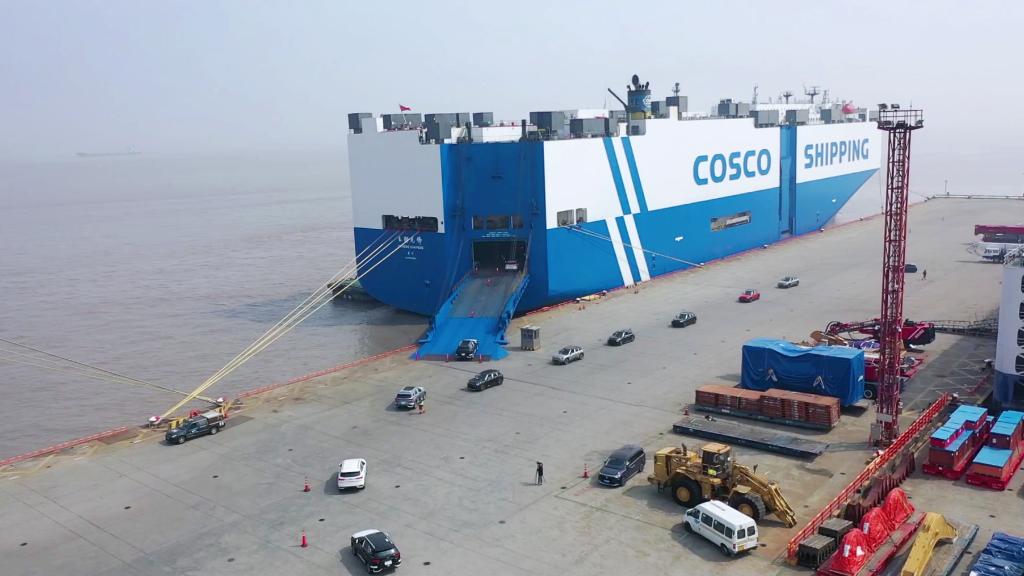
前5个月深圳市进口增长10.1%,外商投资企业逆势增长
Nan Fang Du Shi Bao· 2025-06-26 11:01
Core Insights - Shenzhen's total import and export value for the first five months of 2025 reached 1.78 trillion RMB, a year-on-year decrease of 1.9%, accounting for 9.9% of the national total [2] - Exports amounted to 1.06 trillion RMB, down 8.6%, while imports increased to 716.63 billion RMB, up 10.1% [2] Trade Characteristics - General trade accounted for over half of the total, with bonded logistics growing over 10%. General trade imports and exports were 960.42 billion RMB, making up 54.1% of the total. Bonded logistics reached 483.65 billion RMB, growing 16.7% and accounting for 27.2% [2] - Private enterprises represented nearly 70% of trade, while foreign-invested enterprises saw growth. Private enterprises' imports and exports totaled 1.23 trillion RMB, or 69.5%, while foreign-invested enterprises grew by 7.2% to 463.06 billion RMB, accounting for 26.1% [2] Trade Partners - Among the top ten trading partners, imports and exports with Hong Kong, Taiwan, South Korea, and Mexico increased. The ASEAN region, Hong Kong, and Taiwan were the top three partners, with trade values of 290.46 billion RMB, 284.68 billion RMB, and 216.67 billion RMB, growing by 7.8% and 41% respectively [3] - Trade with South Korea and Mexico also saw growth, with values of 97.82 billion RMB and 27.47 billion RMB, increasing by 4.8% and 5.2% respectively [3] Export Products - Exports of electromechanical products, including electronic components, computers and parts, electric vehicles, and lithium batteries, experienced rapid growth. Total electromechanical exports reached 793.69 billion RMB, up 1.7%, constituting 75% of total exports [3] - Specific product exports included electronic components at 130.92 billion RMB (up 16.7%), computers and parts at 125.92 billion RMB (up 14.5%), and lithium batteries at 28.87 billion RMB (up 33.1%) [3] Import Products - Imports of integrated circuits, computer parts, and diodes continued to grow. Total electromechanical imports were 587.76 billion RMB, up 18.8%, making up 82% of total imports [4] - Key imports included integrated circuits at 310.72 billion RMB (up 16.5%), computer parts at 144.05 billion RMB (up 96.6%), and diodes at 20.09 billion RMB (up 5.5%) [4] - Agricultural imports reached 42.1 billion RMB, with notable increases in seafood and grain imports, growing by 30.8% and 140.2% respectively [4]

香港:3月名义平均工资率同比上升3.5%
智通财经网· 2025-06-26 08:59
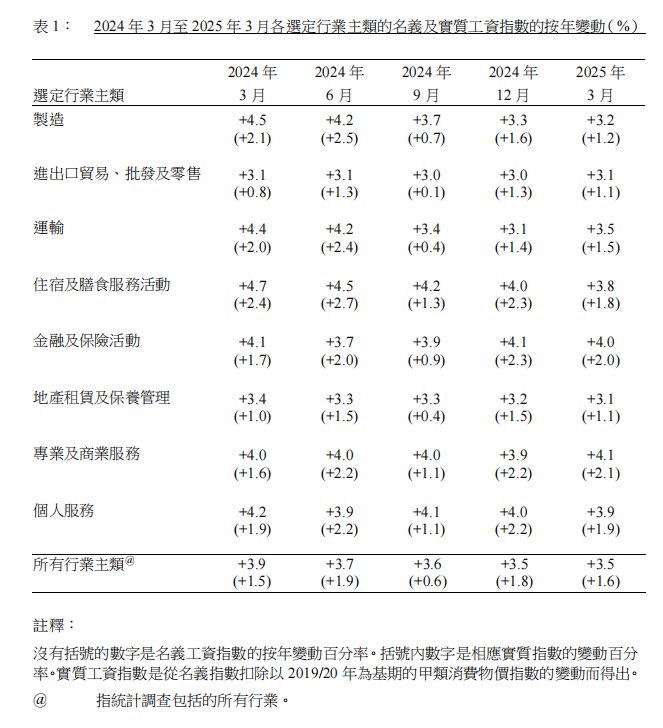
Core Insights - The average wage rate in Hong Kong increased by 3.5% year-on-year in March 2025, with approximately 62% of companies reporting wage increases, while 34% experienced declines [1][2] - After adjusting for inflation, the real average wage rate rose by 1.6% in March 2025 [1][2] - The nominal average salary index for employed individuals increased by 3.2% year-on-year in the first quarter of 2025, with a real increase of 1.6% after accounting for inflation [1][2] Industry Changes - All selected industry categories recorded year-on-year increases in nominal wage indices ranging from 3.1% to 4.1% in March 2025 [2] - Real wage indices across all selected industries also saw year-on-year increases, varying from 1.1% to 2.1% in March 2025 [2] - The nominal average salary index for all selected industries in the first quarter of 2025 increased between 2.0% and 3.9% year-on-year, while real average salary indices rose between 0.4% and 2.3% [2] Wage Index Data - The nominal wage index for the manufacturing sector was +3.2% in March 2025, with a real increase of +1.2% [3] - The wholesale and retail trade sector recorded a nominal increase of +3.1% and a real increase of +1.1% [3] - The transportation sector saw a nominal increase of +3.5% and a real increase of +1.5% [3] - The accommodation and food services sector had a nominal increase of +3.8% and a real increase of +1.8% [3] - The financial and insurance activities sector recorded a nominal increase of +4.0% and a real increase of +2.0% [3] - The real wage index for professional and business services was +2.1% with a nominal increase of +4.1% [3] - The personal services sector experienced a nominal increase of +3.9% and a real increase of +1.9% [3]
长三角外贸展现强大韧性活力 二〇一八年以来规模累计突破百万亿元
Jing Ji Ri Bao· 2025-06-25 21:53
本报上海6月25日讯(记者李治国)从上海海关获悉,自2018年长三角一体化发展上升为国家战略以 来,长三角地区外贸规模迅速增长,截至今年5月份,累计已突破100万亿元,达101.2万亿元,展现出 强大韧性和活力。 东盟、欧盟为主要贸易伙伴。前5个月,长三角地区对东盟、欧盟进出口分别为1.07万亿元、1.02万亿 元,分别增长16.9%、3.9%;对共建"一带一路"国家合计进出口3.36万亿元,增长10.1%。 (文章来源:经济日报) 前5个月,长三角地区以一般贸易方式进出口4.4万亿元,增长4%。民营企业进出口3.74万亿元,增长 9.1%,占长三角地区进出口总值的55.6%。 从产品类型来看,机电产品出口占比近六成,集成电路出口增速较快。前5个月,长三角地区出口机电 产品2.56万亿元,增长9.9%,占同期长三角地区出口总值的59.6%。 今年前5个月,长三角地区进出口6.73万亿元,同比增长5.2%,占同期我国进出口总值的37.5%。江苏进 出口总值2.33万亿元,增长5.3%,占同期长三角地区进出口总值的34.7%;浙江出口1.69万亿元,对全 国出口增长贡献率达20.7%,居全国首位;安徽进出口总值3 ...
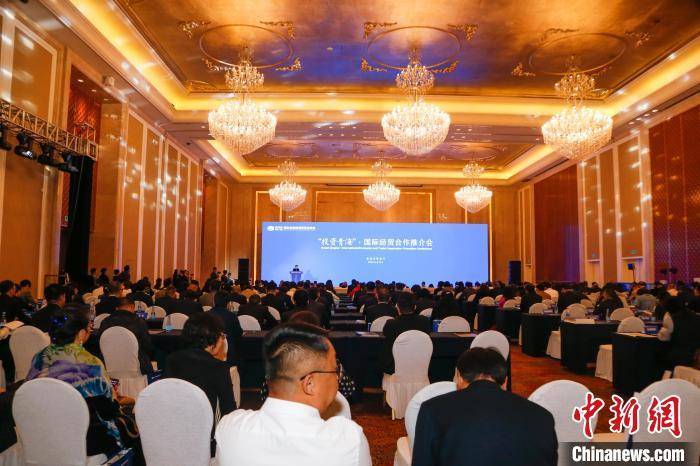
“投资青海”推介会签约18个项目 总金额近2.5亿元
Sou Hu Cai Jing· 2025-06-25 12:36
Core Viewpoint - The "Invest in Qinghai" international economic and trade cooperation promotion conference aims to showcase Qinghai's economic vitality, innovation potential, and investment opportunities to global investors, highlighting its new advantages and broad cooperation prospects [3][5]. Group 1: Economic and Resource Highlights - Qinghai is known as the "Water Tower of China" and the source of the Yangtze, Yellow, and Lancang rivers, possessing rich salt lake resources and clean energy resources, with lithium and potassium mineral reserves ranking among the top in the country [3]. - The province has significant potential for the development of clean energy, including solar and wind power [3]. Group 2: Investment Promotion and Project Signing - The promotion conference is part of the 26th China-Qinghai Green Development Investment and Trade Fair, aiming to facilitate practical investment connections and project cooperation [3][5]. - A total of 18 key projects were signed during the event, with a total contract amount of nearly 250 million yuan, covering various sectors such as agricultural products, communication technology, international brands, import-export trade, and financial services [5]. Group 3: Investment Trends and Future Outlook - In the first quarter of this year, Qinghai signed 111 investment projects with a total contract amount exceeding 100 billion yuan, indicating increasing engagement from Fortune 500 and China 500 companies in sectors like new energy, manufacturing, and services [7]. - Qinghai aims to create a new pattern of comprehensive openness, focusing on optimal service for businesses and enhancing the investment environment through six major actions [7].
上海前5月出口增长11.5%,哪些成为“新引擎”?
第一财经· 2025-06-25 12:09
Core Viewpoint - Shanghai's foreign trade shows a positive growth trend in the first five months of the year, with exports increasing significantly while imports have decreased, indicating a shift in trade dynamics and market diversification strategies among enterprises [1][3]. Group 1: Trade Performance - In the first five months of the year, Shanghai's total foreign trade reached 1.8 trillion RMB, a year-on-year increase of 1.8%, with exports at 787.4 billion RMB, up 11.5%, and imports at 994.6 billion RMB, down 4.8% [1]. - May's trade data indicates a continued growth trend, with total trade increasing by 4.5%, exports up 3.5%, and imports up 5.3% [1]. Group 2: Market Diversification - Exports to non-U.S. regions are compensating for the decline in exports to the U.S., with a notable increase in trade with the EU, ASEAN, and Belt and Road countries [3]. - In the first five months, trade with Belt and Road countries reached 734.6 billion RMB, growing by 11.4%, accounting for over 40% of total foreign trade [3]. Group 3: Role of Private Enterprises - Private enterprises have emerged as a significant driver of foreign trade growth, with their imports and exports totaling 671.7 billion RMB, a 22.2% increase, and accounting for 37.7% of total trade [4]. - In May, private enterprises achieved a record monthly trade volume of 147.7 billion RMB, growing by 27.3% [4]. Group 4: High-Value Products - The export of high-value products, particularly in the machinery and electronics sector, has shown resilience despite tariff fluctuations, with exports of machinery and electronics reaching 503.9 billion RMB, a 2.3% increase [4][5]. - Key products such as integrated circuits and laptops have also seen growth, with exports of 74.4 billion RMB and 21.9 billion RMB, respectively [4]. Group 5: Import Trends - The reduction in import decline indicates a positive trend in consumer demand and industrial production, with imports of consumer goods like meat and dairy products increasing significantly [5]. - Specific industrial imports, including rubber and aircraft parts, have also shown substantial growth, indicating a recovery in industrial activity [5].
上海前5月出口增长11.5%,哪些成为“新引擎”?
Di Yi Cai Jing· 2025-06-25 10:53
Core Insights - Private enterprises have increasingly become a "new engine" for foreign trade, demonstrating resilience in high-value product exports amid tariff fluctuations [1][3] - Shanghai's foreign trade showed a positive growth trend, with total imports and exports reaching 1.8 trillion yuan in the first five months, a year-on-year increase of 1.8% [1] - The diversification of foreign trade markets has effectively compensated for the decline in exports to the U.S., with significant growth in exports to the EU, ASEAN, and Belt and Road countries [2][3] Group 1: Trade Performance - In the first five months, Shanghai's exports amounted to 787.4 billion yuan, an increase of 11.5%, while imports were 994.6 billion yuan, a decrease of 4.8% [1] - In May, Shanghai's foreign trade continued to grow, with a 4.5% increase in total trade, marking four consecutive months of positive growth [1] - Exports to the U.S. saw a significant decline, with a 29.7% drop in May and a 15.5% decrease over the first five months [2] Group 2: Role of Private Enterprises - Private enterprises accounted for 671.7 billion yuan in imports and exports in the first five months, a growth of 22.2%, contributing 7 percentage points to Shanghai's overall foreign trade growth [3] - In May, private enterprises achieved a record monthly import and export value of 147.7 billion yuan, reflecting a 27.3% increase [3] - The flexibility and innovation capabilities of private enterprises are crucial for driving growth in high-tech sectors, particularly those related to smart technologies [3] Group 3: Product Categories - High-value products, particularly electromechanical products, are key drivers of Shanghai's foreign trade growth, with exports reaching 503.9 billion yuan in the first five months, a 2.3% increase [4] - Notable exports include integrated circuits and laptops, which saw increases of 4.5% and 1.6%, respectively [3] - Imports of consumer goods such as meat, dried fruits, and dairy products have shown positive growth, indicating a recovery in consumer demand [5]