
铁路运输

Search documents
新增旅客列车11对 北京北站迎来调图规模最大变化
Jin Rong Jie· 2026-01-27 01:13
Core Viewpoint - The new train operation schedule implemented on January 26 marks the largest adjustment in the history of Beijing North Station, enhancing connectivity to multiple cities and improving passenger convenience [1] Group 1: Train Operation Changes - Beijing North Station and Qinghe Station will now operate trains to cities including Xining, Yinchuan, Wuhai, and Bayannur, allowing for multi-directional access from the capital [1] - A total of 11 new passenger train pairs have been added within the Beijing North Station area, along with changes to the operational segments of 4 high-speed trains [1] - Additionally, 13 high-speed and bullet train services will have increased stops within the station area, further facilitating passenger travel [1]
郑州铁路实行新的列车运行图
Zheng Zhou Ri Bao· 2026-01-27 01:00
Group 1 - The core point of the news is the implementation of a new train operation schedule by the Zhengzhou Bureau of China Railway Group, which increases the number of scheduled passenger and freight trains to enhance transportation capacity and service quality [1][4]. - As of January 26, the new schedule includes 1,425 scheduled passenger trains, an increase of 23 trains compared to the previous schedule, and 151 freight trains, an increase of 6 trains [1]. - The Zhengzhou Bureau has optimized the train operation structure, adding 17 direct passenger trains to various destinations, including Jinan East, Qingdao North, Nanchang West, and Xi'an, to provide more travel options for passengers [1][2]. Group 2 - The Zhengzhou Bureau has extended the operational segments of several trains to improve connectivity, such as extending the Zhengzhou East to Jinan East train to start from Zhoukou East, and adjusting other routes to enhance accessibility for travelers [2]. - Train classifications have been upgraded, with several trains transitioning from older models to modern "AD calcium milk" high-speed trains, significantly reducing travel times by up to 2 hours and 33 minutes [3]. - To meet freight market demands, the Zhengzhou Bureau has optimized freight train offerings, including the introduction of new express and rapid freight trains, thereby enhancing cargo transportation capabilities [4]. Group 3 - Tickets for the new train schedule have started to be sold [5].
国家首部城际铁路专项政策出台 设客流硬指标、严控“建而不用”
Zhong Guo Jing Ying Bao· 2026-01-27 00:45
Core Viewpoint - The National Development and Reform Commission (NDRC) has issued guidelines to promote the healthy and sustainable development of intercity railways, establishing standards for passenger flow density, design speed, and regulatory requirements [1][2]. Group 1: Policy and Regulatory Framework - The guidelines specify that new intercity railways should have a minimum bidirectional passenger flow density of 15 million passengers per year, with design speeds generally between 120-200 km/h [1]. - The guidelines emphasize strict control over station construction scale and standards to prevent issues such as excessive station density and underutilized facilities [1]. - Projects that do not meet 50% of the expected passenger flow density five years after opening, or fail to achieve cash flow balance within ten years, will have new project approvals suspended [1]. Group 2: Operational and Technical Standards - The guidelines fill a policy gap in the intercity railway sector by setting passenger flow density requirements and operational evaluation mechanisms, thereby raising the approval and construction thresholds [2]. - The guidelines encourage local governments to collaborate with railway companies to utilize existing railway capacity and promote market-oriented conditions for intercity train operations [2]. - There is a focus on innovative operational management models, allowing local governments to choose suitable management modes and enabling qualified urban rail companies to operate intercity railways independently [2]. Group 3: Cross-Line Operations and Revenue Sharing - Cross-line operations are expected to significantly enhance network transport efficiency by integrating intercity trains with national railway lines, facilitating direct access to city centers [3]. - A transparent revenue-sharing mechanism is crucial for establishing trust in cross-line operations, with recommendations for standardized data collection on passenger flow and ticket revenue [3]. - The revenue-sharing rules should be adaptable to special scenarios, such as holiday surges or temporary train additions, ensuring fair compensation for all parties involved [3].
最快4小时18分,京沪高铁再提速,抢走坐飞机的打工人?
3 6 Ke· 2026-01-27 00:37
Core Viewpoint - The recent adjustments in China's high-speed rail (HSR) system reflect a shift towards increased efficiency and speed, but they also highlight the challenges of maintaining accessibility and affordability for all passengers [1][13]. Group 1: High-Speed Rail Development - Since the first high-speed rail line opened in 2008, China's total operational high-speed rail mileage has exceeded 50,000 kilometers, fundamentally transforming travel dynamics in the country [1]. - The latest national railway timetable, effective from January 26, has set a new record with 12,130 passenger trains scheduled daily [3]. Group 2: Changes in Train Services - The recent timetable changes have disrupted the previously established "benchmark trains" that operated at speeds of 350 km/h, with new train numbers assigned to different high-speed lines [3]. - The G25 train, previously the only train skipping Nanjing South Station, has now become the fastest train between Beijing and Shanghai, only stopping at Nanjing South [4]. Group 3: Passenger Experience and Demand - The Beijing-Shanghai high-speed rail is known for its high passenger volume, often filled with business travelers, making it a popular choice for commuters [5]. - The introduction of more G-series trains and reduced intervals between trains aims to enhance capacity during peak hours, potentially increasing daily passenger flow by over 11,000 to 24,000 depending on train configurations [8][10]. Group 4: Financial Considerations - The Beijing-Shanghai high-speed rail, operational since June 2011, was the first profitable high-speed rail line globally, achieving profitability within three years [10]. - Despite its profitability, there are concerns about stagnating passenger growth, prompting the railway department to analyze competition from airlines for maintaining market share [12]. Group 5: Broader Implications for Rail Travel - The rapid expansion of high-speed rail has led to a reduction in conventional train services, with 71 fewer regular trains in the latest timetable, indicating a shift in travel preferences [13]. - While high-speed rail offers speed and efficiency, it cannot fully replace the accessibility and affordability provided by traditional slower trains, especially in less developed areas [15][17].


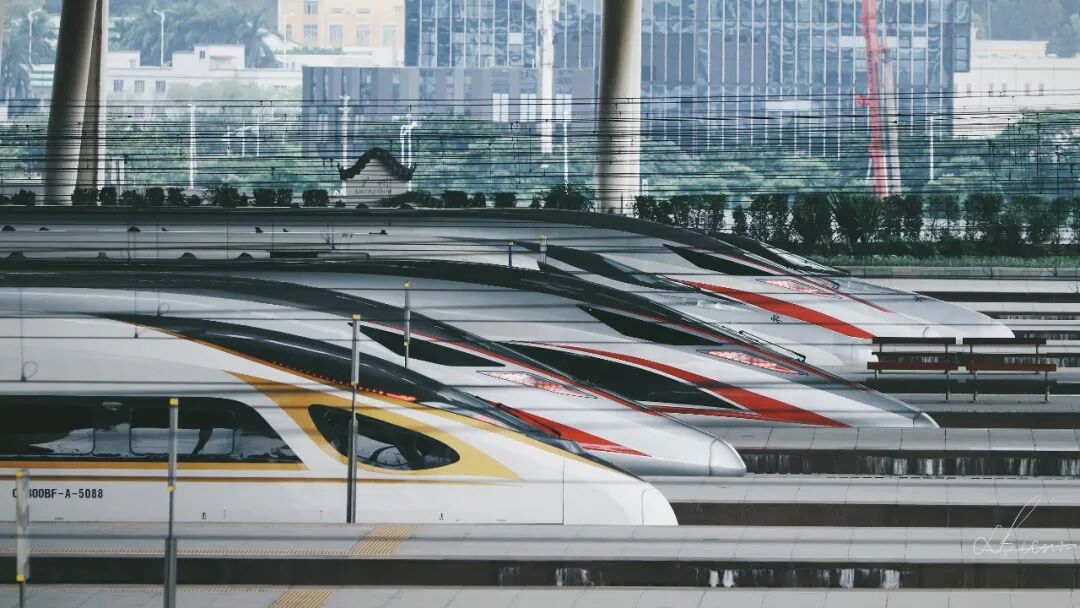
美国电价狂飙1400%
第一财经· 2026-01-27 00:20
Core Viewpoint - The extreme winter storm impacting the U.S. is causing significant disruptions in the energy sector, leading to a sharp decline in oil and gas production, soaring energy prices, and potential negative effects on the economy in the first quarter of the year [3][4][8]. Energy Sector Impact - The winter storm has severely affected U.S. energy infrastructure, with oil production dropping by up to 2 million barrels per day, approximately 15% of total U.S. production [5]. - The Energy Aspects consultancy reported that production cuts peaked over the weekend, particularly in the Permian Basin, where daily output was estimated to decrease by about 1.5 million barrels [5]. - Natural gas production capacity was reduced by 12%, with average daily production falling from a historical high of 109.7 billion cubic feet in December to around 106.9 billion cubic feet in January [6]. - Natural gas futures surged over 25% to exceed $6.5 per million British thermal units, marking the highest price since 2022, with cumulative increases exceeding 100% since the onset of the weather-driven price surge [7]. Economic Consequences - The storm has disrupted transportation networks, leading to the cancellation of over 5,300 flights and significant delays, with the highest single-day flight cancellations since the pandemic [9]. - The storm is expected to cause economic losses estimated between $105 billion and $115 billion, potentially impacting GDP growth by 0.5 to 1.5 percentage points in the first quarter [10]. - Economists believe that while there may be some permanent losses in output, the overall economic trajectory will not be significantly affected in the long term, with a rebound expected in spring [10]. - The storm's impact may also lead to volatility in key economic reports, complicating assessments of employment, inflation, and overall economic conditions [10].

国家发展改革委表示:支持多措并举提高既有城际铁路客流效益
Zhong Guo Zheng Quan Bao· 2026-01-27 00:13
Core Viewpoint - The National Development and Reform Commission (NDRC) has issued guidelines to promote the healthy and sustainable development of intercity railways, emphasizing the need for a reasonable layout and efficient operation to support high-quality urban integration [1] Group 1: Policy Guidelines - The guidelines encourage local governments to collaborate with railway companies to utilize existing railway capacity for intercity train services, enhancing the passenger transport function of existing railways [1][2] - New intercity railways should have a minimum bidirectional passenger flow density of 15 million trips per year, and projects with insufficient passenger density after five years of operation will be paused [2][3] - The design speed for new intercity railways is generally set between 120-200 km/h, with a focus on cost control and efficient use of resources [2][3] Group 2: Integration and Management - The guidelines emphasize seamless integration of intercity railways with mainline railways, suburban railways, and urban transit systems, promoting a multi-layered transportation network [3][4] - The NDRC mandates that the National Railway Administration oversee industry regulation and that local governments ensure quality and safety in construction and operation [3] - There is encouragement for social capital participation in eligible projects, with a capital contribution requirement of at least 50% for new intercity railway projects [3][4] Group 3: Operational Strategies - The guidelines promote the use of existing resources and encourage local governments to enhance the efficiency of current intercity rail services [4] - A diverse range of operational models is supported, allowing for both delegated and self-operated services by qualified rail companies [4] - The focus is on a people-centered approach, aiming to optimize ticketing and station processes while ensuring compatibility across different transport systems [4]
中老铁路新增四趟中亚国际货运班列
Xin Lang Cai Jing· 2026-01-27 00:11
(来源:中华工商时报) 转自:中华工商时报 一月二十六日,中老铁路中亚国际货运班列在云南玉溪研和站准备发车。一月二十六日,中老铁路新增四趟中亚国际货运班列,首趟班列于当日十六时许从 云南玉溪市研和站驶出,终点站为老挝万象南站。据介绍,此次新增的中老铁路中亚国际货运班列将分别从玉溪研和站、昆明中谊村站、玉溪南站等始发, 每周至少开行四趟。新华社记者高咏薇摄 ...
沈铁实施新列车运行图
Xin Lang Cai Jing· 2026-01-27 00:10
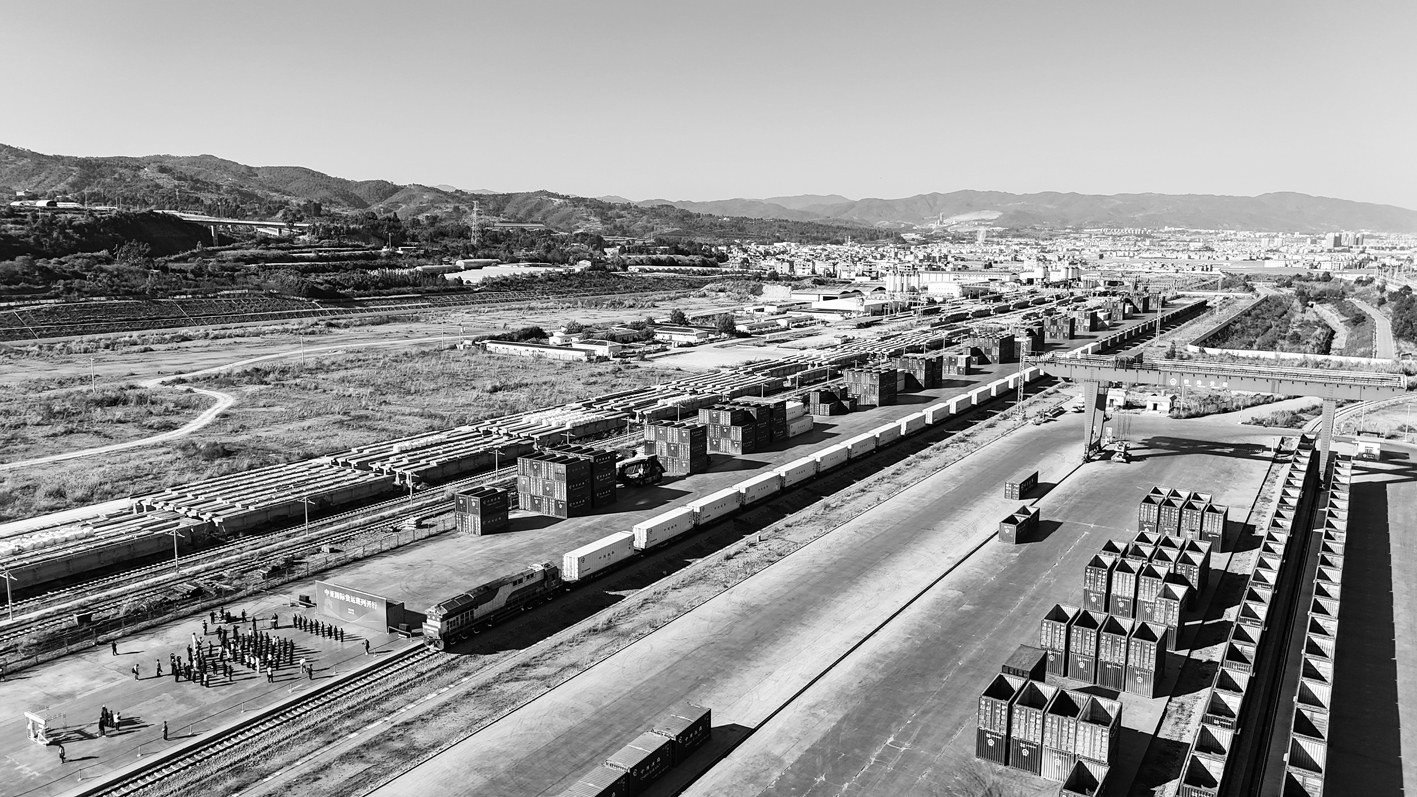
Core Viewpoint - The new train operation schedule implemented by the Shenyang Railway Bureau aims to enhance the capacity and efficiency of both passenger and freight transportation [2] Group 1: Passenger Transport - The number of scheduled passenger trains will increase to 1,088, which is an addition of 12 trains compared to the current schedule [2] - The Shenyang-Baihe High-speed Railway will see an increase in operational density, with 2.5 pairs of daily trains and 4 pairs of peak trains added to the routes between Changbai Mountain and Beijing, as well as Shenyang [2] Group 2: Freight Transport - The scheduled number of freight trains will reach 2,439, marking an increase of 4 trains from the current schedule [2]
京津冀环线高铁列车首次开行
Ren Min Ri Bao Hai Wai Ban· 2026-01-26 23:45
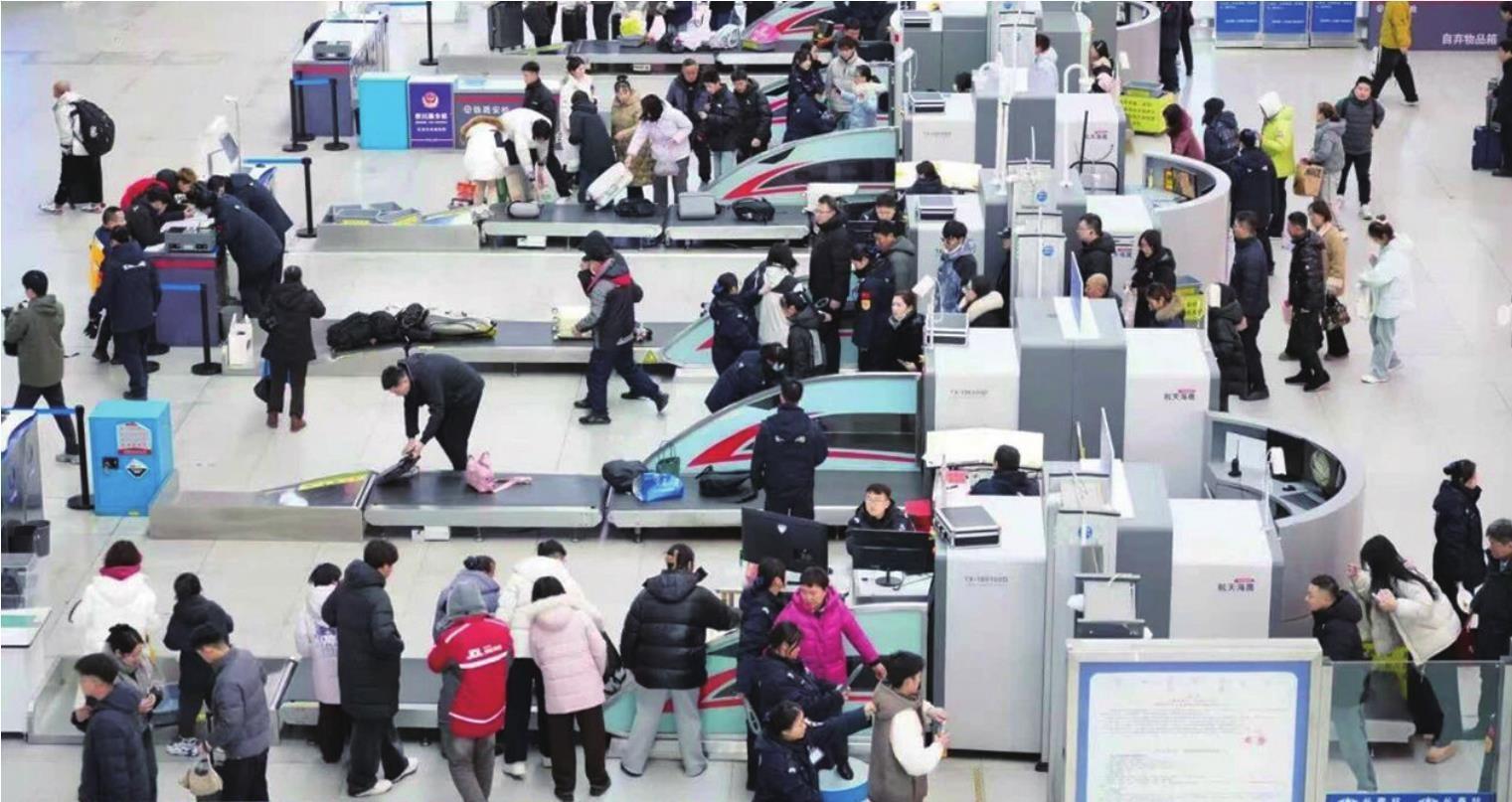
据介绍,G8859次列车从北京西站始发,依次停靠保定东站、白洋淀站,终到天津西站,随后接续 G8864次列车从天津西站出发,停靠大兴机场站,终到北京西站。这是国铁北京局首次开行京津冀环线 高铁动车组列车,经京广高铁、霸徐线、津霸客专、津兴城际、京雄城际运行。 京津冀环线的开通,是京津冀协同发展在交通维度上一次新的实践。首次通过高铁动车组将北京、雄 安、天津以及沿途保定、大兴机场等重要节点闭合串联,形成一个高效的快速铁路环,三地间的通勤、 商务、探亲等出行模式将更加便捷,"跨城生活"和"同城效应"变得更加可行。 本报北京1月26日电(记者李心萍)26日零时起,铁路部门实行新的列车运行图,京津冀环线高铁列车 首次开行。 ...
国家发展改革委:支持多措并举提高既有城际铁路客流效益
Zhong Guo Zheng Quan Bao· 2026-01-26 23:25
Core Viewpoint - The National Development and Reform Commission (NDRC) has issued guidelines to promote the healthy and sustainable development of intercity railways, emphasizing the need for a balanced approach to infrastructure construction and the integration of urban clusters for high-quality development [1][2]. Group 1: Guidelines and Standards - The guidelines establish standards for intercity railway planning and construction, advocating for a demand-driven approach with a minimum dual-direction passenger flow density of 15 million passengers per year for new intercity railways [3]. - New intercity railways should primarily be constructed at ground level, with design speeds generally between 120-200 km/h, and strict control over project costs [3]. Group 2: Regulatory and Financial Framework - The NDRC emphasizes the importance of regulatory oversight, requiring the National Railway Administration to enforce industry supervision and local governments to ensure quality and safety in construction [4]. - New intercity railway projects must have a minimum capital contribution of 50%, and regions where existing railways have not achieved cash flow balance after 10 years will also halt new projects to mitigate debt risks [4]. Group 3: Operational Management and Collaboration - The guidelines highlight the importance of utilizing existing resources by encouraging local governments and railway companies to collaborate in enhancing intercity passenger services [5]. - There is a push for diversified operational models, allowing for both delegated and self-operated services, and establishing transparent mechanisms for cross-line operations to protect stakeholder interests [5]. - The focus is on a people-centered approach, aiming for efficient and convenient travel experiences, including the integration of ticketing systems across different transport modes [5].