
医疗科技

Search documents
韩歆毅详解蚂蚁新十年战略:从“有钱花”到“有命花”的双重守护
Xin Lang Cai Jing· 2026-01-25 03:48
Core Insights - Ant Group is shifting its strategic focus to include healthcare as a third pillar alongside payment and finance, with the AI health assistant "Afu" being a significant development in this transition [1][3][9] Group 1: Strategic Shift - The new CEO, Han Xinyi, emphasizes that the company is not focused on merely maintaining stability but is actively pursuing innovation, particularly in healthcare [1][3] - The decision to elevate healthcare to a strategic priority is based on a deep understanding of user needs, particularly the importance of health alongside financial stability [3][8] - The company aims to address unmet needs in the healthcare sector, such as support for new parents and elderly individuals, leveraging its past experience in digital healthcare services [3][4] Group 2: Market Response - The launch of "Afu" has seen a rapid increase in user engagement, with daily inquiries doubling to 10 million and monthly active users surpassing 30 million within a month [4] Group 3: Organizational Changes - To support the healthcare initiative, Ant Group is restructuring its organization, moving healthcare out of the Alipay business unit to establish it as an independent department with significant resources [5][7] - Han Xinyi's investment-focused mindset is driving the company's strategic decisions, prioritizing long-term value over short-term cost considerations [5][7] Group 4: Long-term Vision - The company envisions a future where it can enhance both wealth and health for users, aiming to improve financial outcomes and life quality through its services [9] - The strategic focus on healthcare is seen as a natural extension of Ant Group's mission to provide inclusive services, ensuring that quality healthcare is accessible to a broader audience [8][9]


2026年全球医疗健康行业私募股权报告(英文版)
Sou Hu Cai Jing· 2026-01-25 02:40
Core Insights - The global healthcare private equity market is experiencing a significant recovery and record growth, with total deal value expected to exceed $191 billion in 2025, marking a historical high [11][12][16] - The market shows clear regional differentiation, with Europe leading in biopharma and healthcare services, North America maintaining stability despite policy impacts, and Asia-Pacific demonstrating broad growth resilience [11][25][27] Market Performance - In 2025, healthcare private equity saw a record performance with disclosed deal value surpassing $191 billion and 445 buyouts, making it the second-highest annual total on record [11][12] - The exit value surged from $54 billion in 2024 to an expected $156 billion in 2025, driven by an increase in large deals [15][16] Regional Analysis - Europe experienced a doubling of deal value to approximately $59 billion, primarily driven by biopharma and healthcare provider deals [25] - North America faced a temporary pullback in the second quarter but still achieved a healthy year with an expected exit activity of $90 billion, significantly higher than 2024 [26] - Asia-Pacific set a record for deal value, exceeding 2021's high by over 30%, with notable growth in biopharma, medtech, and healthcare IT [27][28] Sector Trends - Biopharma remains a cornerstone of investment, with deal value rising from $55 billion in 2024 to an estimated $80 billion in 2025, accounting for about 30% of overall deal volume [33] - Provider and related services deal value increased by 57% to an estimated $62 billion, driven by technology-enabled assets and healthcare IT [38] - Medtech is emerging as a new growth engine, with investors focusing on revenue growth and margin expansion [39] Investment Strategies - The investment logic in healthcare IT is shifting towards revenue and profit expansion through refined pricing and generative AI applications, with the "60 rule" becoming a new performance benchmark [3] - Investors are adopting a "barbell strategy" in pharma services, focusing on high-quality assets with scale advantages and potential operational improvements [3]
AI医疗健康持续受关注!钟南山、罗兰·艾尔斯等国内外院士重磅发声
Quan Jing Wang· 2026-01-24 03:31
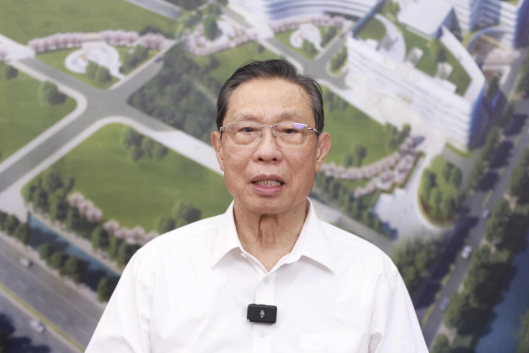
德国国家科学院院士Roland Eils(罗兰.艾尔斯)尤其关注AI对疾病预防的价值,因为预防疾病是降低成 本、减轻医疗系统压力的最有效途径。他认为,面对全球人口老龄化带来的医疗负担,从"被动医疗"转 向"主动预防"很有必要,他建议利用大规模真实医疗数据构建用于疾病风险预测的AI大模型,包括电子 健康记录等。 1月23日,在2026大湾区医疗健康创新大会上,钟南山、罗兰.艾尔斯等国内外知名院士就"AI+医疗"发 展重磅发声。中国工程院院士钟南山表示,人工智能等数字技术正深刻改变着医疗服务的模式和效率, 推动智慧医疗不是为了取代医生,而是为了医生更好回归到"以人为本"而不是"以病为本"的初心,不是 单纯为了炫技,而是为了解决老百姓看病贵、看病难的实际问题。 当前,在"健康中国"战略和"人工智能+"行动等国家政策倡导下,国内开始涌现出人人可享的AI健康助 手,对居民主动健康管理发挥重要作用。其中,去年上线的AI健康应用"蚂蚁阿福"已成为国内最大的健 康管理类App,单日用户提问量超过1000万,这些用户55%来自三线及以下城市。蚂蚁阿福还向全国医 生开放"AI分身"技术,六位院士领衔的超1000位医生在阿福App ...
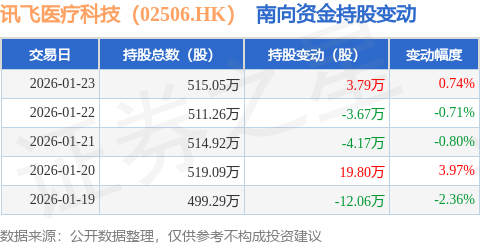
讯飞医疗科技(02506.HK):1月23日南向资金增持3.79万股
Sou Hu Cai Jing· 2026-01-23 19:43
Core Viewpoint - The southbound capital has increased its holdings in iFlytek Medical Technology (02506.HK), indicating growing investor interest in the company [1]. Group 1: Shareholding Changes - On January 23, 2026, southbound capital held a total of 5.1505 million shares of iFlytek Medical Technology, with an increase of 37,900 shares, representing a change of 0.74% [2]. - Over the past five trading days, there were two days of net increases in holdings, totaling 36,900 shares [1]. - In the last 20 trading days, there were eight days of net increases, accumulating to 1.1123 million shares [1]. Group 2: Company Overview - iFlytek Medical Technology is primarily engaged in providing AI-powered medical solutions in China, with business lines including grassroots medical services, hospital services, patient services, and regional management platform solutions [2]. - The grassroots medical services include intelligent medical assistants and chronic disease management [2]. - The hospital services encompass smart hospital solutions and diagnostic assistance, while patient services involve smart hospital patient services and post-discharge management [2].
达沃斯观察:AI撬动全球经济新增长
Zhong Guo Xin Wen Wang· 2026-01-23 17:25
年会期间,普华永道发布的《第29期全球CEO调查报告》显示,人工智能成为企业增长与盈利能力的关 键分水岭。那些同时在成本控制和收入增长上取得成效的企业,在产品与服务、需求生成及战略决策中 广泛嵌入AI的可能性,是其他企业的两到三倍。而在产品、服务和客户体验中广泛应用AI的公司,其 利润率比未应用AI的公司高出近4个百分点。 "AI的商业价值已经显现。"普华永道中国主席何睦宁(Hemione Hudson)在接受中新社记者采访时指出, 2026年将是企业真正厘清AI计划、探索如何利用AI同时撬动业务收入线和成本线的一年。那些愿意打 好基础并推动规模化落地的企业,将成为长期赢家。 在具体行业中,医疗被视为AI价值率先显现的领域之一。医渡科技创始人、董事长宫如璟向记者介 绍,面向医生的智能辅助决策系统正在加速普及,AI也正显著提升新药研发效率,相关技术已参与数 百项临床试验,并服务全球主要药企。 "未来五年,AI将成为医疗行业演进的核心路径。"宫如璟认为,应对老龄化带来的资源压力、缓解医生 负荷以及破解新药研发"高成本、慢周期"困境,都将推动医疗体系向以AI为基础的新模式转型。 从更宏观层面看,世界经济论坛发布的《 ...
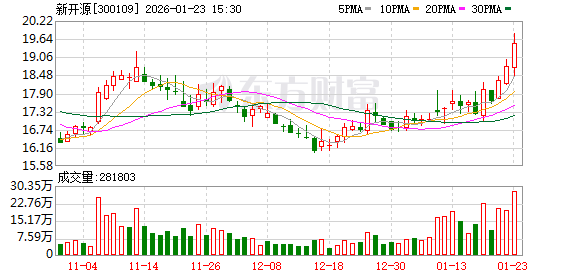
中证投服中心就新开源取消监事会议案公开征集表决权
Zheng Quan Ri Bao· 2026-01-23 11:09
Group 1 - The core viewpoint of the article is that the proposed amendment to the company's articles of association regarding the cancellation of the supervisory board aligns with relevant laws and regulations [1][3] - The China Securities Regulatory Commission (CSRC) has mandated that listed companies must establish an audit committee within the board of directors by January 1, 2026, replacing the supervisory board [1] - The revision of the articles of association is part of a broader initiative to optimize corporate governance structures and enhance the effectiveness of internal supervision within listed companies [1] Group 2 - The China Securities Investor Services Center (CSISC) has collected voting rights from shareholders regarding the proposal to cancel the supervisory board at the second extraordinary general meeting of shareholders for the year 2026 [3] - The proposal received a favorable response from shareholders, with the majority voting "in favor" of the amendment [3]

医渡科技、文莱卫生部、诺华基金会宣布启动AI驱动的国家级心血管疾病防控项目
Zhi Tong Cai Jing· 2026-01-23 10:29
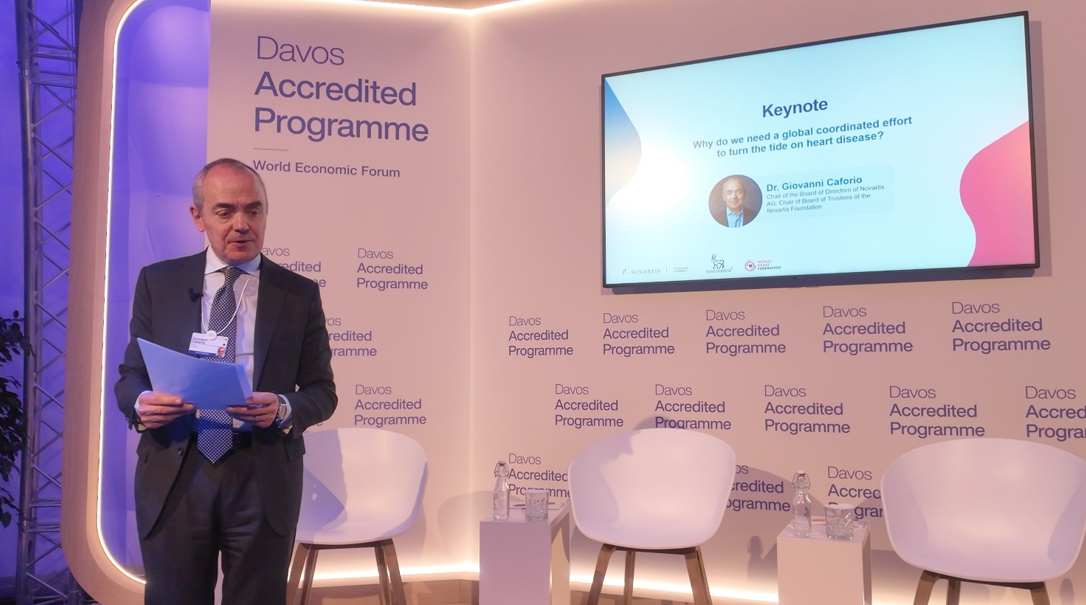
2026年世界经济论坛年会(冬季达沃斯论坛)上,诺华公司董事会主席Giovanni Caforio博士宣布一项重要合作:诺华基金会、文莱卫生部、医渡科技(02158)旗 下EVYD公司将联合实施数智驱动的心血管疾病防控项目——CARDIO4Cities。该项目依托由EVYD助力建设的文莱国家数字卫生平台BruHealth,旨在借助 数据与AI工具,实现高危人群的早期识别与精准干预,从而降低心血管疾病及其急性并发症的发生风险,提升文莱居民的心血管健康管理水平。 这一兼具公共卫生价值与创新意义的合作,已被世界经济论坛官网重点报道。 诺华公司董事会主席Giovanni Caforio博士致辞 在由诺华基金会、诺和诺德及世界心脏病联盟共同举办的"通过合作与人工智能扩大社会影响力创新"达沃斯论坛主题会议上,医渡科技创始人、董事长宫如 璟与飞利浦基金会董事会主席Marnix van Ginneken围绕数字健康与公共卫生体系创新展开对话,诺华基金会负责人Ann Aerts博士担任主持人。 宫如璟指出,公共卫生的高质量发展是一项系统工程,其关键在于技术创新与跨界协作能否形成持续放大的系统能力。她强调,此次在文莱启动的 CA ...
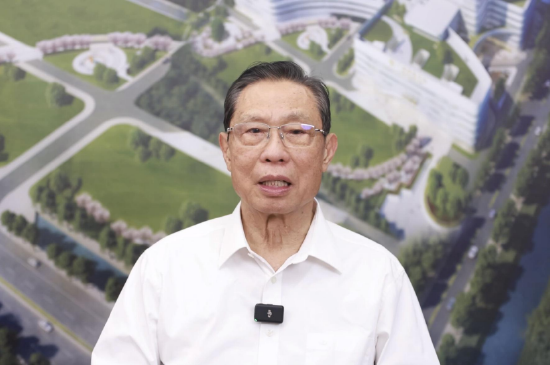
钟南山院士谈AI:AI不是取代医生,而是为老百姓解决看病贵看病难的问题
Xin Lang Cai Jing· 2026-01-23 07:27
Core Viewpoint - The integration of artificial intelligence (AI) and digital technologies is significantly transforming the healthcare service model and efficiency, aiming to enhance patient-centered care rather than replace doctors [1][2]. Group 1: AI in Healthcare - The "AI + Healthcare" initiative is gaining traction, with notable figures like Zhong Nanshan emphasizing that AI is not meant to replace healthcare professionals but to support them in focusing on patient needs [1][2]. - The AI health application "Ant Financial Aifu" has emerged as the largest health management app in China, with over 10 million user inquiries daily, 55% of which come from third-tier cities and below [3][5]. Group 2: Impact of Digital Technologies - Digital technologies, including AI, big data, and cloud computing, are reshaping healthcare delivery, improving the precision of medical services and making quality healthcare resources more accessible to rural populations [3][5]. - The application of AI technology has expanded from remote consultations during the pandemic to chronic disease management, early screening, and personalized treatment, thereby enhancing healthcare efficiency [3][5].

AI项圈让中风患者恢复交流能力
Ke Ji Ri Bao· 2026-01-23 01:12
在后续与中国团队合作开展的试验中,5名中风患者和10名健康受试者默念短语后,通过两次点头即可 触发设备将短语扩展为完整句子。例如,"我们去医院"可被扩展为"虽然时间有点晚了,但我不太舒 服,我们现在能去医院吗?"设备能根据心率升高及深夜时间等情境,自动补充语气与内容。 设备采集的信号由两个AI模块处理:一个负责从无声口型中识别词语;另一个则结合情绪状态与上下 文信息(如时间、天气等),将简短的词语扩展为完整且符合语境的表达。 在一项针对5名构音障碍患者(中风后常见言语障碍)的小型试验中,该设备在词语识别上的错误率为 4.2%,句子重建错误率仅为2.9%。与现有辅助语音技术(如逐字输入、眼动追踪或脑部植入)相比, Revoice能够实时、连贯地进行语句转换,大幅提升交流效率。 该设备不仅适用于中风康复,未来也可能用于支持帕金森病、运动神经元疾病等患者的交流需求。 科学家开发出一款能解码"无声之言"的项圈,名为"Revoice"。这款设备结合了高灵敏度传感器与人工 智能(AI)技术,佩戴舒适且可水洗,能够帮助中风患者恢复自然流畅的交流能力,而无需进行侵入 性脑部植入手术。相关研究成果发表于最新《自然·通讯》期刊。 ...
论道达沃斯:三重视角看中国经济韧性
Zhong Guo Xin Wen Wang· 2026-01-22 23:39
Group 1: Economic Resilience - The World Economic Forum 2026 Annual Meeting in Davos highlights the resilience of the Chinese economy, with discussions emphasizing its stable growth despite geopolitical pressures [2][4] - McKinsey's China Chairman, Nir Eyal, predicts that China will achieve a remarkable 5% economic growth in 2025, which is significant given the size of its economy [2] - Experts acknowledge that China's effective macroeconomic policies have helped navigate challenges over the past five years, leading to a transition towards a new growth model [2] Group 2: Innovation Empowerment - Investment in cutting-edge technologies is recognized as a key driver for future global economic growth, with China focusing on technological innovation to fuel its economic expansion [3] - The new growth model for China includes a focus on frontier technology innovation, particularly in artificial intelligence, and upgrading manufacturing to high-tech standards [3] - The Chinese innovation ecosystem is seen as uniquely advantageous, particularly in sectors like healthcare technology, due to a large and diverse market, talent concentration, and supportive policies [3] Group 3: Collaborative Opportunities - China's economic development is increasingly linked to global investment and cooperation, with multinational companies recognizing the importance of the Chinese market [4][5] - The PwC Global CEO Survey indicates that China remains a primary market for overseas investment, particularly in high-tech and new energy sectors [4] - China is transitioning from being a "global manufacturing base" to a "collaborative innovation network," which is expected to inject new momentum into the world economy [5]