
水利工程

Search documents
三峡集团出席深入推进长江保护治理工作座谈会并作交流发言
Xin Lang Cai Jing· 2026-01-11 15:08
Group 1 - The Yangtze River Protection and Governance Work Conference was held in Wuhan, focusing on implementing Xi Jinping's important speeches and summarizing achievements in Yangtze River protection and governance [1] - The Ministry of Water Resources emphasized the need to enhance flood prevention systems, improve water resource utilization, and strengthen ecological protection in the Yangtze River basin [1][2] - The Yangtze River Committee reported on the current status of protection and governance efforts, with multiple organizations participating in discussions [3] Group 2 - The Three Gorges Group is committed to ensuring water quality and safety, promoting green transformation, and supporting high-quality development of the Yangtze River Economic Belt [2] - The Group plans to implement Xi Jinping's water governance thoughts and enhance disaster prevention measures while fostering a green development model [2]
记者Vlog丨“天空之国”莱索托 中非交流落地生根
Yang Shi Xin Wen Ke Hu Duan· 2026-01-11 14:07
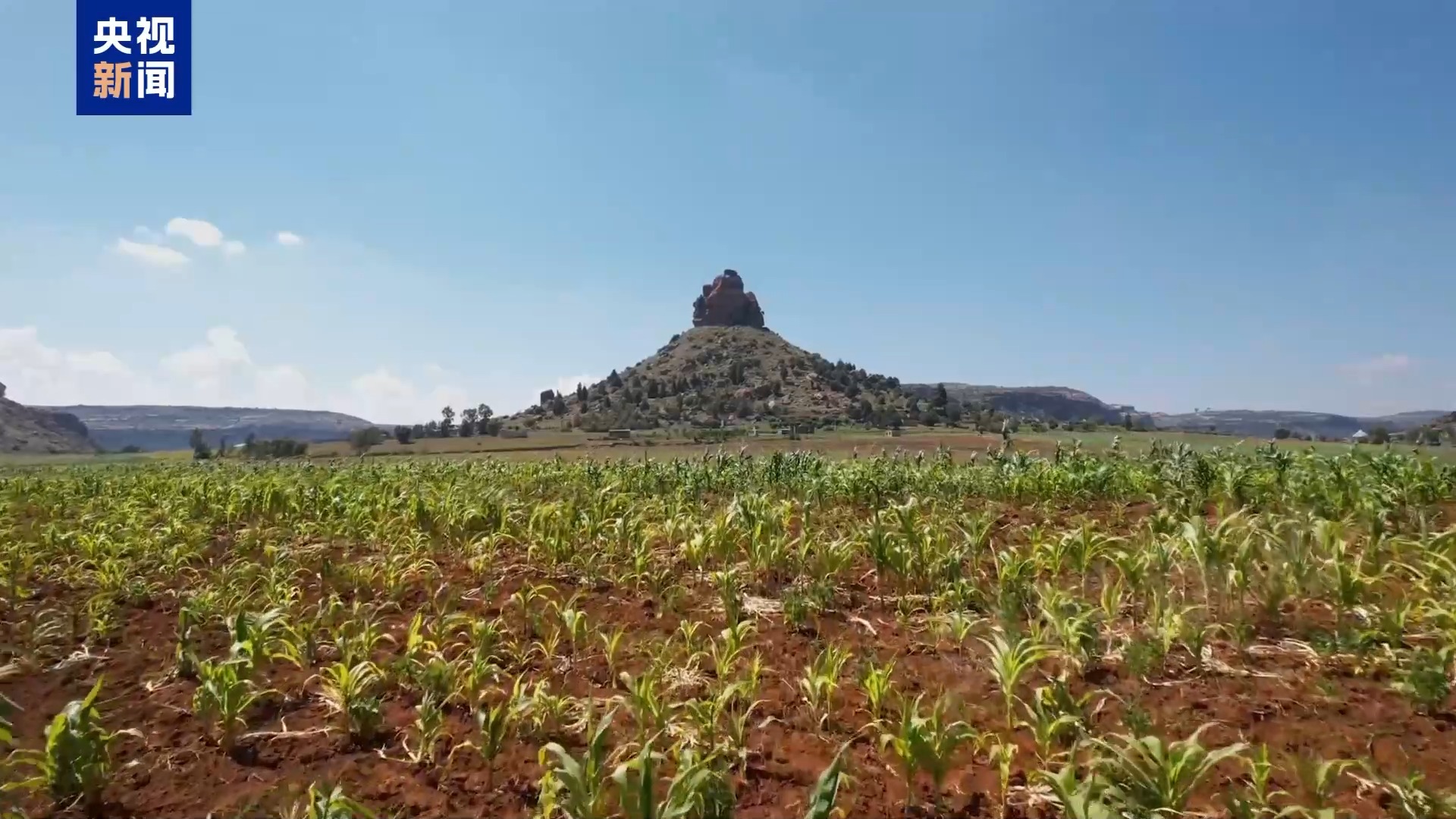
Group 1 - Lesotho is the only country in the world where the entire territory is located above 1,000 meters in elevation, shaping its geography and lifestyle [5] - The year 2026 marks the 32nd anniversary of the resumption of diplomatic relations between China and Lesotho, with ongoing cooperation in infrastructure, healthcare, water resources, and transportation [7] - The Polihali Water Transfer Tunnel project is a key component of the Lesotho Highlands Water Project, aimed at reallocating water resources in Southern Africa, often referred to as Africa's version of the South-to-North Water Diversion Project [8] Group 2 - The Polihali Dam and water transfer tunnel, constructed by a consortium of Chinese hydropower companies and local partners, serves as a vital link between Lesotho and South Africa, providing essential water supply to densely populated areas [10] - Infrastructure projects like the Moshoeshoe Road are connecting remote mountainous areas to urban centers, while Chinese-built hospitals in Maseru are providing modern healthcare services to local families [12] - Increasing numbers of Lesotho youth are studying in China and returning home to contribute to national development, fostering a cultural exchange that injects new energy into the country [14]

“天空之国”莱索托 中非交流落地生根
Yang Shi Xin Wen Ke Hu Duan· 2026-01-11 12:46
Group 1 - Lesotho is the only country in the world where the entire territory is situated above 1,000 meters in elevation, characterized by mountains, plateaus, and canyons that shape the landscape and lifestyle of its people [3] - The year 2026 marks the 32nd anniversary of the resumption of diplomatic relations between China and Lesotho, with ongoing cooperation in infrastructure, healthcare, water resources, and transportation under the Belt and Road Initiative [5] - The Polihali Water Transfer Tunnel project is a key component of the Lesotho Highlands Water Project, aimed at transforming the region's abundant water resources into a lifeline for development, often referred to as the "African version of South-North Water Diversion" [6] Group 2 - The Polihali Dam and water transfer tunnel, constructed by a consortium of Chinese hydropower companies and local partners, serve as a critical link between Lesotho and South Africa, providing essential water supply to densely populated areas like Johannesburg and Pretoria [8] - Infrastructure projects such as the Moshoeshoe Road are connecting remote mountainous areas with urban centers, while Chinese-built hospitals in Maseru are providing modern healthcare services to ordinary families for the first time [10] - Increasing numbers of Lesotho youth are studying in China, focusing on engineering, finance, governance, and technology, and returning to contribute to national development, reflecting a cultural exchange that is injecting new energy into the country [12]
总蓄水量达12.8亿立方米 都江堰灌区超额完成年度汛后蓄水任务
Si Chuan Ri Bao· 2026-01-11 02:11
Core Insights - The total water storage capacity of the Dujiangyan irrigation area has reached 1.28 billion cubic meters, exceeding the target of 1.14 billion cubic meters for the post-flood storage task in 2025, with a year-on-year increase of 9.6% [1] Group 1: Water Management and Strategy - The Dujiangyan Water Development Center has enhanced water source coordination and management, leveraging the integrated scheduling advantages of the irrigation area to improve water storage capacity [1] - The center has implemented comprehensive measures including "diverting, lifting, blocking, and storing" to maximize water storage, taking advantage of favorable upstream water conditions [1] Group 2: Future Plans and Monitoring - The Dujiangyan irrigation area will continue to monitor weather trends closely and assess dynamic water demand to prepare for peak water usage and other emergencies [1] - There will be an ongoing focus on deepening the management of the entire water storage, conservation, and distribution chain to ensure the safety of diverse water uses for living, production, and ecology [1] Group 3: Irrigation Area Impact - As the largest irrigation area in the country, Dujiangyan has an annual effective water diversion of 10.6 billion cubic meters and supplies 8 billion cubic meters of water, covering the Minjiang, Tuojiang, and Fujiang river basins [1] - The irrigation area spans 11.647 million acres and benefits a population of 30 million [1]
总投资超2万亿,水利建设再提速
Huan Qiu Wang· 2026-01-11 02:06
Core Viewpoint - The recent progress in the construction of the national water network has reached a coverage of 80.3% of the country's land area, providing robust water security for major national strategies and economic zones [1][7]. Group 1: National Water Network Development - The national water network is being rapidly developed, with significant projects underway in regions such as Fujian, Hubei, and Guangxi [1]. - The Ministry of Water Resources has initiated 27 major projects with a total investment of 203.8 billion yuan, focusing on flood control, water supply, and irrigation [3]. - The Chongqing Yuxi Water Resource Allocation Project, set to be completed by the end of 2025, will supply 1.012 billion cubic meters of water annually, benefiting 10 million people and supporting a regional GDP of 1.4 trillion yuan [3]. Group 2: Future Plans and Projects - The Ministry of Water Resources plans to implement several major water projects by 2026, including the Taihu Taipu River Phase II project and the Hubei Jiangjin Water Supply Project, which will provide water security for over 4 million people and 3.96 million acres of farmland [4]. - New large-scale irrigation areas are being established in Guangdong and Jiangxi, with a designed irrigation area of 6.09 million acres [4]. Group 3: Ecological and Social Benefits - The national water network is enhancing ecological and social benefits, with projects like the South-to-North Water Diversion improving local agricultural practices and providing clean drinking water to over 5 million people [5]. - The Ministry of Water Resources has initiated actions to restore rivers and lakes, achieving significant improvements in ecological conditions, with 79 rivers now fully connected [5]. Group 4: Investment and Financing Mechanisms - The Ministry of Water Resources emphasizes the importance of investment in large-scale water infrastructure, with a total investment of 5.68 trillion yuan completed during the 14th Five-Year Plan period [6]. - A new financing model is being developed, combining government investment, bank loans, and social capital, to support the construction of the national water network [6]. - The State Council has identified the construction of the national water network as a key driver for expanding domestic demand and stabilizing growth, encouraging innovative financing mechanisms [6].
邕江上游引水工程管线施工明日启动
Xin Lang Cai Jing· 2026-01-11 00:40
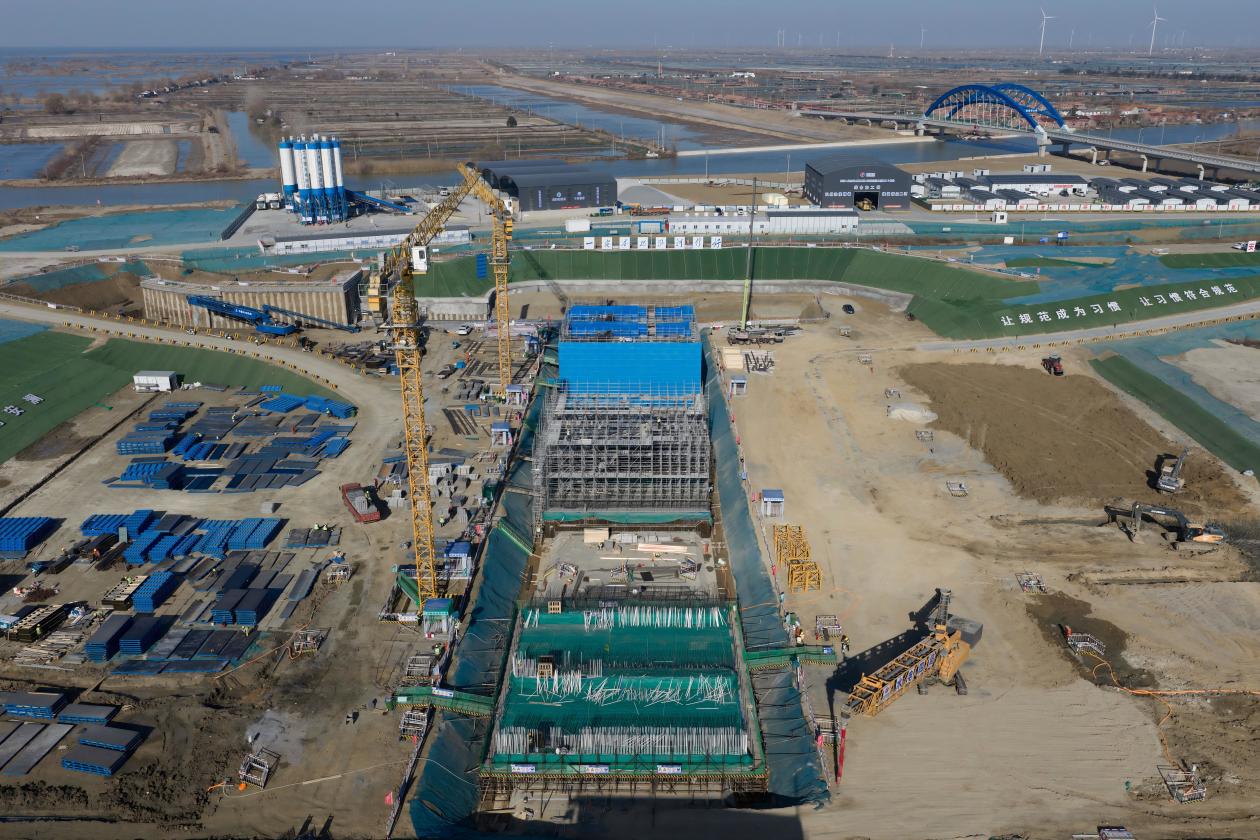
Core Points - The Nanning Maritime Safety Administration announced construction activities for the second phase of the water diversion and emergency water supply project on the Yongjiang River, starting from January 12 and expected to end on September 30 [1] - The construction involves the installation of water pipelines, specifically in the Yongjiang River crossing section, which is crucial for local infrastructure [1] Construction Details - The project is being undertaken by Guilin Infrastructure Construction Co., Ltd. and is considered an important livelihood water conservancy project for the local area [1] - The project aims to enhance the urban water supply network and improve emergency water supply capabilities upon completion [1] Safety Measures - Four safety measures have been outlined by the Nanning Maritime Safety Administration to ensure the smooth progress of the project and the safety of passing vessels [1] - Temporary navigation marks will be set up in the construction area, and vessels must reduce speed and follow the navigation signs while passing through the construction zone [1] - Non-related vessels are prohibited from anchoring in the construction area, and no further announcements will be made if the construction is completed early or delayed [1]
都江堰灌区超额完成年度汛后蓄水任务
Xin Lang Cai Jing· 2026-01-10 21:36
Core Viewpoint - The total water storage capacity of the Dujiangyan irrigation area has reached 1.28 billion cubic meters, exceeding the target of 1.14 billion cubic meters for the post-flood storage task in 2025, with a year-on-year increase of 9.6% [1] Group 1 - The sufficient water storage reserves will create a "water barrier" to ensure agricultural irrigation and stabilize regional economic and social development [1] - The Dujiangyan Water Development Center has enhanced water source coordination and management, leveraging the integrated scheduling advantages of the irrigation area [1] - The area has implemented comprehensive measures such as "diverting, lifting, blocking, and storing" to maximize water storage capacity [1] Group 2 - The Dujiangyan irrigation area will continue to monitor weather trends closely and prepare for peak water demand situations [1] - The management will focus on the entire chain of water storage, conservation, and regulation to ensure the safety of diverse water uses for living, production, and ecology [1] - As the largest irrigation area in the country, Dujiangyan has an annual effective water diversion of 10.6 billion cubic meters and supplies 8 billion cubic meters of water, covering an irrigation area of 11.647 million acres and benefiting 30 million people [1]
为长江经济带发展提供水安全保障
Xin Lang Cai Jing· 2026-01-10 12:18
Core Viewpoint - The Ministry of Water Resources has implemented comprehensive measures for the protection and governance of the Yangtze River, focusing on ecological sustainability and systematic management to ensure water security for the economic development of the Yangtze River Economic Belt [1][5]. Group 1: Governance and Planning - A coordination mechanism office has been established to promote water management tasks along the Yangtze River, enhancing legal and institutional frameworks [1]. - The Ministry has developed a clear planning system, including various specialized plans for water development and ecological protection, ensuring consistent implementation and supervision [1]. Group 2: Flood Control and Disaster Reduction - A comprehensive flood control and disaster reduction system has been established, integrating various engineering and non-engineering measures, significantly improving flood control capabilities in the Yangtze River basin [2]. Group 3: Ecological Protection and Restoration - The Ministry has conducted extensive ecological flow assessments and implemented management systems to ensure ecological flow standards are met, achieving over 97% compliance from 2021 to 2024 [3]. - Actions to restore the health of the Yangtze River have led to improved water ecological environments and the revival of 17 major rivers and lakes [3]. Group 4: Legal and Institutional Framework - The legal framework for water management in the Yangtze River basin has been strengthened, with the introduction of the first basin-specific law, the "Yangtze River Protection Law," and subsequent regulations to fill management gaps [4]. Group 5: Economic and Social Impact - The Yangtze River basin has seen significant improvements in economic indicators, with the regional GDP more than doubling and the proportion of national GDP increasing from 42.2% to 47.3% [4]. - The area of soil erosion has been reduced by 6.85 million square kilometers, a decrease of 17.81% since 2013, contributing to enhanced forest coverage and water conservation [4].
多维度“数”说新成效 夯实水安全保障基础 永续惠泽子孙后代
Yang Shi Wang· 2026-01-10 06:49
Core Viewpoint - The Chinese government is making significant progress in the construction of the national water network, with a focus on major water conservancy projects and improving water supply security for rural populations [2][3][11]. Group 1: Major Water Projects - In 2025, China plans to commence 27 major water conservancy projects to accelerate the construction of the national water network [3]. - During the "14th Five-Year Plan" period, 181 major water conservancy projects, including strategic projects like the Yellow River's ancient Xian, will begin construction, which is an increase of 65 projects compared to the "13th Five-Year Plan" [5]. - A total of 94 major water conservancy projects have been completed and are now operational [5]. Group 2: Investment and Coverage - Water conservancy construction investment reached 5.68 trillion yuan during the "14th Five-Year Plan," with over 1 trillion yuan invested annually for four consecutive years since 2022 [11]. - The national water network now covers 80.3% of the country's land area, providing robust water security for major national strategies, economic zones, urban clusters, energy bases, and key ecological areas [11]. Group 3: Happiness Rivers and Lakes Initiative - By 2025, over 1,700 "Happiness Rivers and Lakes" will be established nationwide, enhancing ecological conditions and community satisfaction [14][19]. - The initiative aims to integrate river and lake construction with industrial development and environmental improvement, creating pathways for realizing the ecological value of water bodies [19]. Group 4: Ecological Restoration and Management - Since 2022, the Ministry of Water Resources has launched actions to revive 88 major rivers and lakes, addressing issues like river channel disconnection and lake shrinkage [22]. - A management platform for ecological flow has been established, monitoring 158 key rivers and lakes and ensuring basic ecological water needs are met [26]. - Significant progress has been made in the comprehensive management of groundwater over-extraction, with water levels in the North China region rising by 3.76 meters and 7.65 meters for shallow and deep groundwater, respectively, by the end of 2025 [27].
国家水网覆盖超八成国土面积(权威发布)
Ren Min Ri Bao· 2026-01-10 00:43
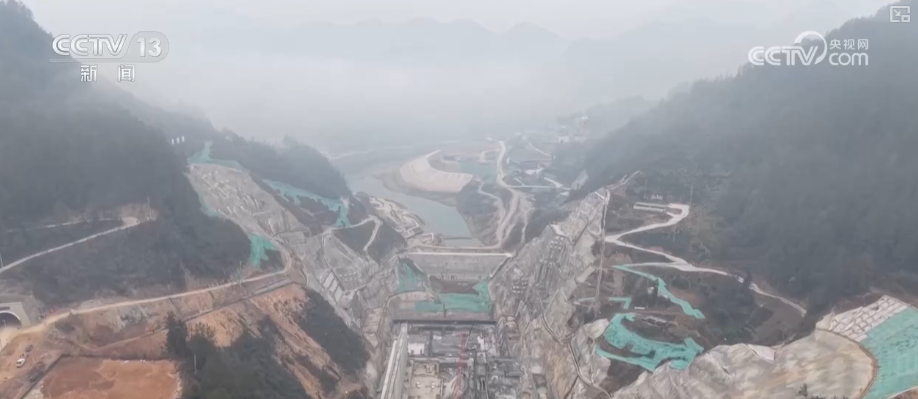
Core Viewpoint - The Chinese government is accelerating the construction of the national water network, with significant investments and projects aimed at improving water resource management, enhancing agricultural productivity, and ensuring water security across the country [2][3][4]. Investment and Economic Impact - In 2025, China completed water conservancy construction investments of 1.28 trillion yuan, creating 3.15 million jobs and effectively supporting economic growth and employment [2]. - During the "14th Five-Year Plan" period, a total of 5.68 trillion yuan was invested in water conservancy projects, with an average annual investment exceeding 1 trillion yuan since 2022 [3]. - The national water network now covers 80.3% of the country's land area, providing water security for major strategic implementations and economic zones [3]. Water Resource Management - The construction of the national water network includes 181 major water conservancy projects, with 94 projects completed and operational, and significant improvements in water supply capabilities [2][3]. - The South-to-North Water Diversion Project has delivered over 85 billion cubic meters of water to northern cities, benefiting 195 million people [2]. Ecological Restoration - The Ministry of Water Resources has initiated actions to restore river and lake ecosystems, achieving significant improvements in water flow and ecological conditions [4]. - Measures taken include optimizing water resource allocation and implementing ecological restoration, resulting in the continuous flow of historically dried rivers and lakes [4]. Agricultural Water Efficiency - The modernization of large and medium-sized irrigation districts is being prioritized, with an increase in irrigated farmland and grain production efficiency [6][7]. - By 2025, the irrigated area is expected to reach 109 million acres, with large and medium-sized irrigation districts accounting for 38.89% of the national grain planting area [7]. Disaster Prevention and Management - The Ministry of Water Resources is enhancing flood prevention systems and monitoring frameworks, with significant flood control measures already in place [8]. - In 2025, water management efforts prevented flooding in 1,082 towns and protected 830,000 acres of farmland, avoiding the displacement of 3.06 million people [8].