跨境电商

Search documents
降本增效破壁垒,Shopee 携优质海外仓赋能卖家深耕东南亚
Sou Hu Cai Jing· 2025-10-20 12:57
Core Insights - The article highlights the transformative impact of Shopee's overseas warehouse system on cross-border e-commerce in Southeast Asia, enabling Chinese sellers to efficiently tap into a market of 600 million consumers [1][6] - Shopee's collaboration with industry leaders like Dou Warehouse and Hai Xing Warehouse has redefined logistics and supply chain management, significantly reducing delivery times and enhancing operational efficiency [3][4] Group 1: Shopee's Strategic Initiatives - Shopee has established a regional supply chain network that compresses delivery times from weeks to just 1-3 days through its "Global Business Acceleration Program" [3] - The company offers incentives such as 500 yuan coupons and waived listing fees for early adopters, enhancing seller engagement and participation [3][4] Group 2: Operational Excellence - Hai Xing Warehouse has achieved a remarkable 99.99% fulfillment rate within 24 hours, processing over 20,000 orders daily at its Kuala Lumpur facility, showcasing its operational capabilities [4] - The integration of smart algorithms and localized services has optimized inventory management and improved customer experience across multiple countries [4][6] Group 3: Market Transformation - The shift from a broad "pushing products overseas" strategy to a more refined operational approach allows sellers to manage overseas markets similarly to local stores, enhancing customer satisfaction [6] - Shopee's strategic foresight in establishing overseas warehouses has positioned early adopters for success in the evolving landscape of cross-border e-commerce [6]


墨西哥“淘金热”:中国跨境大军涌入,中场战事升级
3 6 Ke· 2025-10-20 12:27
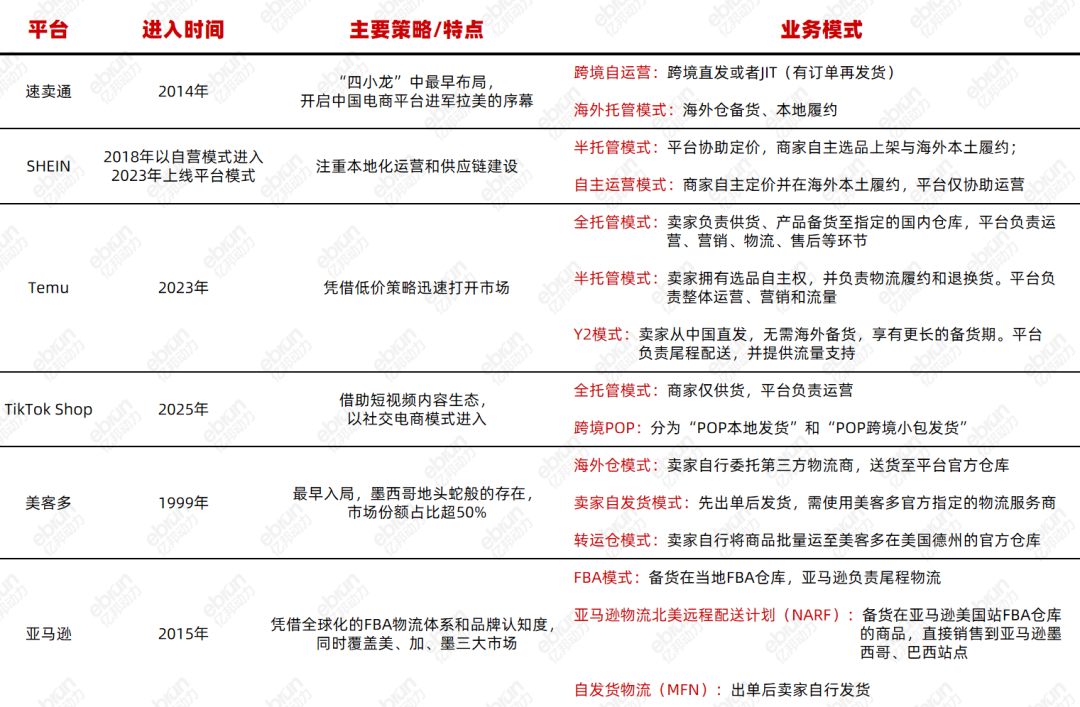
Core Insights - The article discusses the rapid growth and challenges of the cross-border e-commerce market in Mexico, highlighting the influx of Chinese sellers and various platforms entering the market [1][2][3] Group 1: Market Entry and Growth - Yang Chao's company shifted focus to cross-border e-commerce in Mexico after facing challenges in the domestic market, moving from Shanghai to Shenzhen and establishing Shenzhen Wanyou Overseas Technology Co., Ltd [1] - Mexico's e-commerce penetration rate is only 18%, compared to China's 47%, indicating significant growth potential [1] - Major platforms like Mercado Libre, Amazon, TikTok, Temu, SHEIN, and AliExpress are actively expanding in Mexico, lowering entry barriers and increasing support for sellers [1][2][3] Group 2: Competitive Landscape - Mercado Libre and Amazon dominate the Mexican e-commerce market, holding 85% of the market share, with Mercado Libre's GMV exceeding $20 billion in 2023 [2][4] - New entrants like Temu and SHEIN are gaining traction by offering competitive pricing and innovative business models, with Temu recently surpassing Mercado Libre and Amazon in traffic share [5][6] Group 3: Market Characteristics - Mexico's population of 130 million and a young demographic (average age 29) make it an attractive market for e-commerce [9] - The country's GDP per capita reached $13,000 in 2023, indicating a growing consumer base, although a significant portion of the population lives below the poverty line [9][10] - Geopolitical stability and favorable trade relations with China further enhance Mexico's appeal as a cross-border e-commerce hub [10][12] Group 4: Logistics and Infrastructure - The shift towards overseas warehouse models is becoming prevalent, driven by improvements in logistics infrastructure and reduced shipping times [13] - The geographical proximity to the U.S. allows for efficient logistics solutions, benefiting sellers who can leverage U.S. warehouses for distribution [14][16] Group 5: Challenges and Risks - The Mexican market faces challenges such as increasing tariffs on cross-border shipments and logistical disruptions due to port strikes and corruption issues [23][24] - The competitive landscape is intensifying, leading to declining profit margins for sellers, with some reporting a drop from 25% to as low as 10% [18][20] Group 6: Future Outlook - Despite challenges, companies are optimistic about the opportunities in Mexico and are considering expansion into other Latin American markets like Brazil [25] - The e-commerce sector in Mexico is projected to grow significantly, with a forecasted 20% increase in sales in 2024, reaching $43.1 billion [8]

暴富神话终结?墨西哥电商进入“拼刺刀”时代
Hu Xiu· 2025-10-20 10:06
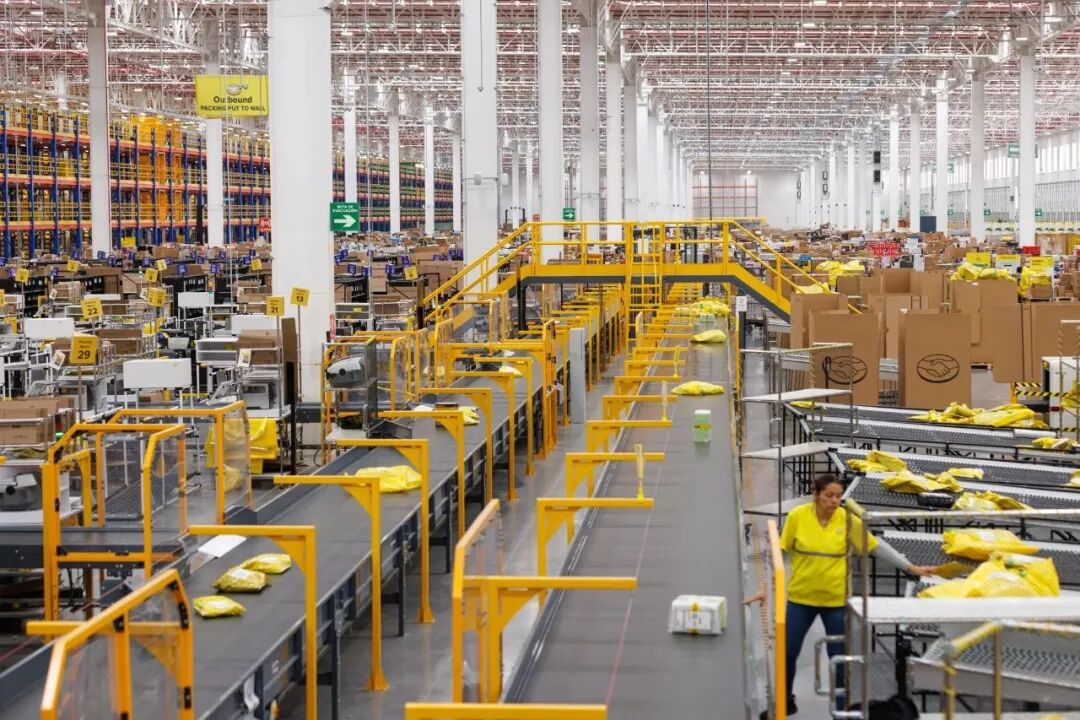
Core Insights - The article discusses the increasing interest of Chinese sellers in the Mexican e-commerce market, highlighting its potential due to favorable demographics and economic conditions [14][15][16][21]. Group 1: Market Dynamics - The Mexican e-commerce market is experiencing a "gold rush," with numerous Chinese sellers entering, driven by the support of major platforms like Amazon, TikTok, and Mercado Libre [3][4][5]. - Mercado Libre dominates the market with over 50% market share and a GMV exceeding $20 billion in 2023, while Amazon has invested approximately $5.5 billion since its entry in 2015 [5][6]. - The e-commerce penetration in Mexico is only 18%, compared to 47% in China, indicating significant growth potential [2]. Group 2: Strategic Approaches - Companies are adopting a phased approach to market entry, starting with Mercado Libre to establish brand recognition before expanding to other platforms like Amazon and TikTok [4][5]. - The logistics landscape is evolving, with many sellers opting for overseas warehouse models to enhance delivery efficiency, reducing shipping times from 8 days to 5-6 days [22]. Group 3: Economic and Demographic Factors - Mexico's population of 130 million, with a young demographic and a GDP per capita of $13,000, makes it an attractive market for e-commerce [15][16]. - The significant income disparity in Mexico creates opportunities for low-cost platforms like Temu and SHEIN, which cater to price-sensitive consumers [17][18]. Group 4: Competitive Landscape - New entrants like Temu and SHEIN are gaining traction by leveraging competitive pricing strategies, with Temu recently surpassing Mercado Libre and Amazon in traffic share [8]. - The competitive environment is intensifying, leading to declining profit margins for sellers, with gross margins dropping from 25% to as low as 10% [30]. Group 5: Challenges and Risks - The Mexican market faces challenges such as customs delays and increased tariffs, which could impact profitability for new entrants [38][39]. - Recent strikes at major ports have exacerbated logistical issues, leading to significant delays in clearing goods [39][40].
TikTok Shop全球黑五战役打响:AI驱动的跨境电商备战完整方案
Sou Hu Cai Jing· 2025-10-20 08:35
Core Insights - TikTok Shop is launching a "Global Black Friday" campaign across eight key markets, with significant investment in promotional resources exceeding 10 billion [1] - The platform's performance during the 2024 Black Friday event saw GMV surpassing 100 million USD, indicating strong business growth for merchants [1] - The upcoming Black Friday event is seen as a critical opportunity for cross-border sellers to establish competitive advantages [1] Group 1: Operational Challenges and AI Integration - The extended duration of the Black Friday promotion poses unprecedented challenges in team responsiveness and resource coordination [3] - AI operational tools are expected to see explosive growth in 2025, helping sellers efficiently analyze product trends and optimize selection processes [3][5] - AI tools can significantly enhance content production efficiency, allowing for rapid generation of video materials tailored to platform trends [5][11] Group 2: Strategic Content and Marketing Approaches - Successful merchants prepare extensive video content for A/B testing to identify the most effective versions for conversion [5] - A structured content marketing strategy is recommended, involving early product selection and material preparation to ensure sufficient resources during the promotion [12][13] - TikTok Shop encourages merchants to focus on evergreen products and seasonal trends, with incentives for new product launches and promotional activities [11][13] Group 3: Data Analysis and Continuous Improvement - Post-event data analysis is crucial for teams to leverage insights from the promotion, enhancing future strategies [9] - Tools from various SaaS providers offer multi-dimensional analysis capabilities, helping teams identify high-performing content and audience preferences [9][14] - Continuous understanding of consumer behavior and effective content creation remain essential, despite the use of AI tools [11] Group 4: Market Expansion and Entry Strategies - TikTok Shop has relaxed entry requirements for the European market, presenting new opportunities for merchants [15] - Successful case studies, such as Euhomy's 300% growth in Europe, highlight the potential for significant market gains [15] - Merchants are encouraged to proactively prepare their product offerings and content strategies to capitalize on emerging opportunities [15]

三态股份涨0.96%,成交额4279.89万元,近5日主力净流入-1506.14万
Xin Lang Cai Jing· 2025-10-20 08:22
Core Viewpoint - Shenzhen SanTai E-commerce Co., Ltd. is benefiting from the depreciation of the RMB and is actively developing AI-driven tools for risk detection in cross-border e-commerce [2][3]. Company Overview - Shenzhen SanTai E-commerce Co., Ltd. was established on January 7, 2008, and went public on September 28, 2023. The company primarily engages in cross-border e-commerce retail and logistics [7]. - The company's revenue composition includes 76.14% from cross-border e-commerce product sales, 23.80% from logistics sales, and minimal contributions from technology services and other business [7]. Business Developments - The company has launched a proprietary intellectual property risk detection tool named "RuiGuan·ERiC," which utilizes AI and big data models to provide cost-effective and accurate risk monitoring solutions for businesses [2][3]. - The company is also developing an AIGC project that generates high-quality images using AI, significantly enhancing operational efficiency and reducing production costs [2]. Financial Performance - For the first half of 2025, the company reported a revenue of 827 million yuan, representing a year-on-year growth of 3.27%, while the net profit attributable to shareholders decreased by 48.75% to 23.26 million yuan [8]. - As of September 30, 2023, the company had a market capitalization of 6.642 billion yuan, with a trading volume of 42.79 million yuan on October 20, 2023 [1][8]. Market Position - The company operates within the internet retail sector, specifically in cross-border e-commerce, and is associated with concepts such as intellectual property and e-commerce [8]. - As of June 30, 2025, the company had 30,100 shareholders, with a slight decrease of 1.25% from the previous period [8].
汕头综合保税区加快打造改革开放的重要窗口和前沿阵地
Zhong Guo Fa Zhan Wang· 2025-10-20 08:08
Core Viewpoint - Shantou Comprehensive Bonded Zone aims to strengthen its bonded business and establish itself as a new high ground for the city's outward-oriented economy, targeting an annual import and export volume exceeding 50 billion yuan within three to five years [2][3]. Group 1: Economic Development Goals - The zone plans to create five hundred billion-level foreign trade industries, including cross-border e-commerce, bulk commodity distribution, and biopharmaceuticals, to enhance the export capabilities of local products [2][4]. - The total import and export volume of Shantou Comprehensive Bonded Zone increased from 7.8 billion yuan in 2020 to over 20 billion yuan in 2022, contributing nearly 30% of the city's total foreign trade with only 0.15% of the land area [4][5]. Group 2: Infrastructure and Service Improvements - The zone is focused on building platforms for foreign trade services, cross-border e-commerce, and logistics, enhancing the business environment for enterprises [5][8]. - A "one-stop" service model has been implemented to support enterprises, addressing various operational challenges and improving overall efficiency [8][9]. Group 3: Strategic Initiatives and Collaborations - The zone has established a cross-border e-commerce model that integrates bonded display and new retail, successfully replicating this model in other cities [6][7]. - Shantou Comprehensive Bonded Zone is actively engaging in partnerships with state-owned enterprises to expand its overseas warehouse network and promote local products internationally [7][11]. Group 4: Future Development Plans - The planning and construction of the Shantou Lingang Economic Zone is seen as crucial for Guangdong's positioning in the global supply chain, with ongoing infrastructure projects and strategic investments in key industries [10][11]. - The introduction of significant projects in the health manufacturing sector, with a total investment of 2.5 billion yuan, aims to create a competitive health industry cluster in the region [11].

华凯易佰涨0.58%,成交额7140.56万元,近5日主力净流入-1476.36万
Xin Lang Cai Jing· 2025-10-20 07:49
Core Viewpoint - The company, Huakai Yibai, is experiencing growth in its cross-border e-commerce business, benefiting from the depreciation of the RMB and leveraging technologies such as AIGC and VR to enhance operational efficiency and service offerings [2][3]. Company Overview - Huakai Yibai Technology Co., Ltd. is based in Changsha, Hunan Province, established on February 23, 2009, and listed on January 20, 2017. The company focuses on spatial environment art design and provides comprehensive exhibition services for large venues, with a primary revenue source from cross-border e-commerce [7]. - As of June 30, the company had 19,300 shareholders, a decrease of 1.21% from the previous period, with an average of 18,214 circulating shares per shareholder, an increase of 2.50% [7]. Financial Performance - For the first half of 2025, the company achieved a revenue of 4.538 billion yuan, representing a year-on-year growth of 28.97%. However, the net profit attributable to the parent company was 36.74 million yuan, a decrease of 72.69% year-on-year [7]. - The company has distributed a total of 154 million yuan in dividends since its A-share listing, with 136 million yuan distributed over the past three years [8]. Market Activity - On October 20, the company's stock price increased by 0.58%, with a trading volume of 71.41 million yuan and a turnover rate of 1.96%, resulting in a total market capitalization of 4.201 billion yuan [1]. - The stock has seen a net inflow of 3.5614 million yuan from major investors today, with a lack of significant trends in major investor activity [5]. Business Segments - The company's revenue composition includes 92.16% from cross-border e-commerce, 7.71% from comprehensive cross-border e-commerce services, and 0.18% from other business activities [7]. - The company is actively exploring VR technology applications in exhibition settings, emphasizing environmentally friendly design and innovative content creation [2].

跨境电商新篇章:中国品牌新机遇与“四步”制胜之道
麦肯锡· 2025-10-20 07:47
Core Insights - The global e-commerce market still presents vast opportunities, particularly in emerging markets such as the Middle East, Latin America, and Africa, making international expansion a necessity for Chinese brands [3][4][8] - Chinese brands are leveraging their advantages in supply chain, operations, technology, and talent to capture global market share, but face challenges such as short-sighted profit motives and brand recognition issues [3][9] Group 1: Global E-commerce Landscape - The average penetration rate of the global e-commerce market is around 20%, with significant disparities across regions, highlighting the Middle East, Latin America, and Africa as future growth areas [4] - The demographic advantage in regions like Latin America, where 30%-35% of the population is aged 15-35, indicates a growing consumer demand as economic conditions improve [10] Group 2: Advantages of Chinese Cross-border E-commerce - Since 2022, the global trade landscape has undergone structural changes driven by digitalization, shifting consumer habits, and supply chain restructuring, positioning cross-border e-commerce as a key driver of trade [9] - Chinese cross-border e-commerce has gained a significant foothold globally, exemplified by companies like Temu, Shein, Aliexpress, and TikTok Shop, which have adopted differentiated strategies to achieve rapid growth [11][12] Group 3: New Opportunities for Chinese Brands - Chinese brands must clearly define their "going global DNA" by focusing on market selection, strategy, and brand positioning [15] - Different stages of e-commerce operations require matching operational models, with options ranging from building independent systems to leveraging existing platforms [16] Group 4: Challenges in Going Global - The mindset of seeking quick profits remains a significant barrier, leading to a focus on short-term gains rather than sustainable market presence [20] - Weak brand recognition can trap companies in a cycle of low-price competition, making it difficult to establish a strong market presence [21] - Regulatory and compliance pressures, including fluctuating tariffs and stringent market entry standards, pose additional challenges for Chinese brands [22][23] Group 5: Strategic Framework for Success - The four-step strategy for successful international expansion includes market selection, model definition, channel expansion, and brand building [25][31] - Companies must focus on building core capabilities in areas such as user engagement, supply chain resilience, and compliance to thrive in competitive global markets [34][36]

罕见“天地天”!5连板“妖股”惊魂记,资金激烈博弈?
Ge Long Hui· 2025-10-20 07:21
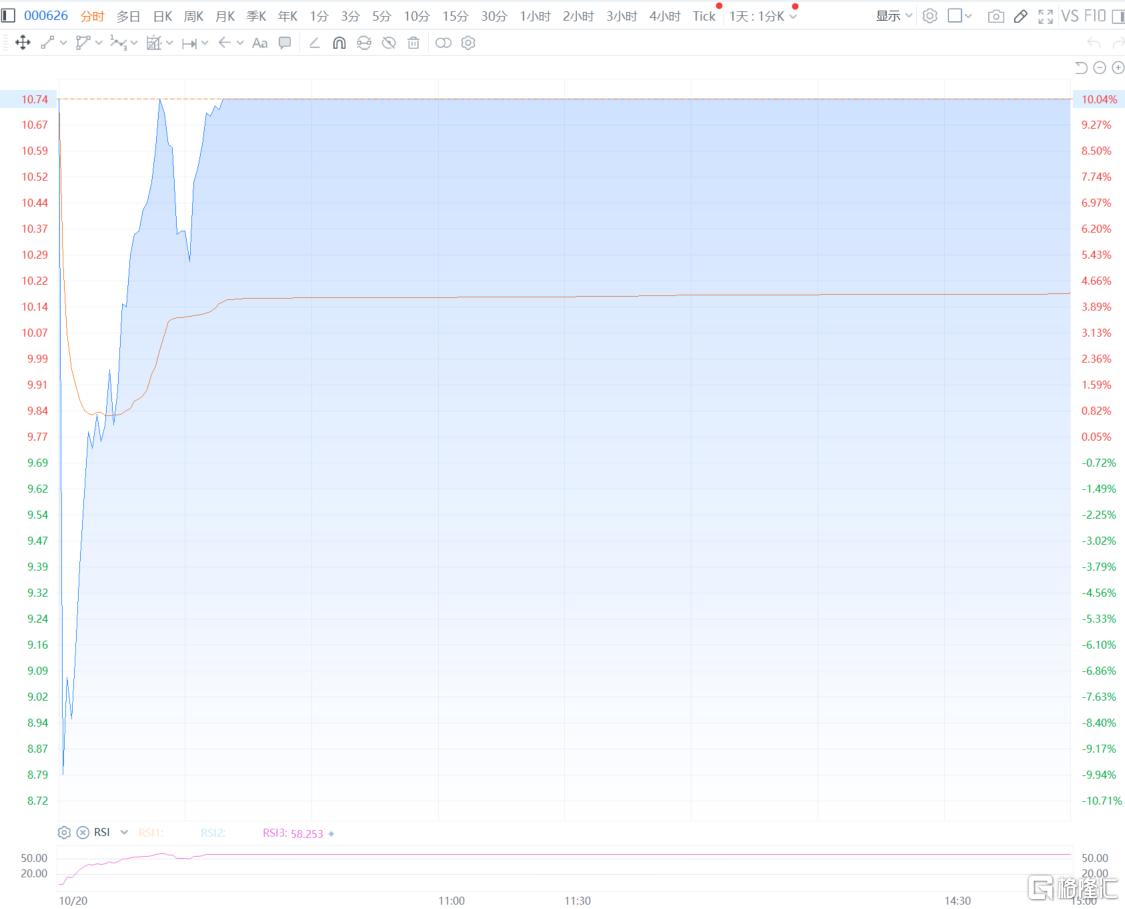
Core Viewpoint - The stock of Yuanda Holdings has experienced extreme volatility, showcasing a dramatic "limit up" and "limit down" within a short time frame, reflecting intense market speculation and trading activity [1][2][3]. Trading Activity - Yuanda Holdings saw a trading volume that reached a historical high with a turnover rate exceeding 18% and an intraday fluctuation of 20%, resulting in a transaction value of 938 million [3]. - The stock has achieved five consecutive limit ups, accumulating a total increase of over 58%, with a current market capitalization of 5.441 billion [4]. Market Dynamics - The trading activity is characterized by a fierce battle between bullish and bearish investors, with significant capital inflows and outflows [5]. - Recent data indicates that on October 17, the stock experienced a net outflow of 50.41 million from institutional investors, while retail investors saw a net inflow of 26.56 million [6]. Stock Performance and Announcements - The company announced an abnormal trading fluctuation due to a cumulative price deviation of 24.37% over two trading days, confirming that there were no undisclosed significant events affecting its operations [8]. - The stock has been under scrutiny, appearing on the "Dragon and Tiger List" due to its significant price deviation over three consecutive trading days [7]. Financial Performance - Yuanda Holdings has faced financial challenges, reporting a net profit of -377 million and -302 million for 2023 and 2024, respectively [14]. - In the first half of the year, the company reported a revenue of 41.68 billion, a decrease of 6.93% year-on-year, but managed to turn a profit with a net income of 29.07 million, marking a 172.02% increase [15][17]. - Despite the positive net profit, the core business remains weak, with a non-recurring net profit loss of 1.25 billion, reflecting a 229.35% year-on-year decline [16]. Shareholder Activity - Recent insider trading activity includes a reduction in holdings by the company's vice president, who sold 400,000 shares at an average price of 7.96 per share, totaling 3.184 million [13]. - The largest shareholder, China Yuanda Group, holds over 42% of the shares, indicating a strong control over the company [11].

Temu平台卖家破局实战:如何用系统化思维突破运营瓶颈
Sou Hu Cai Jing· 2025-10-20 06:42
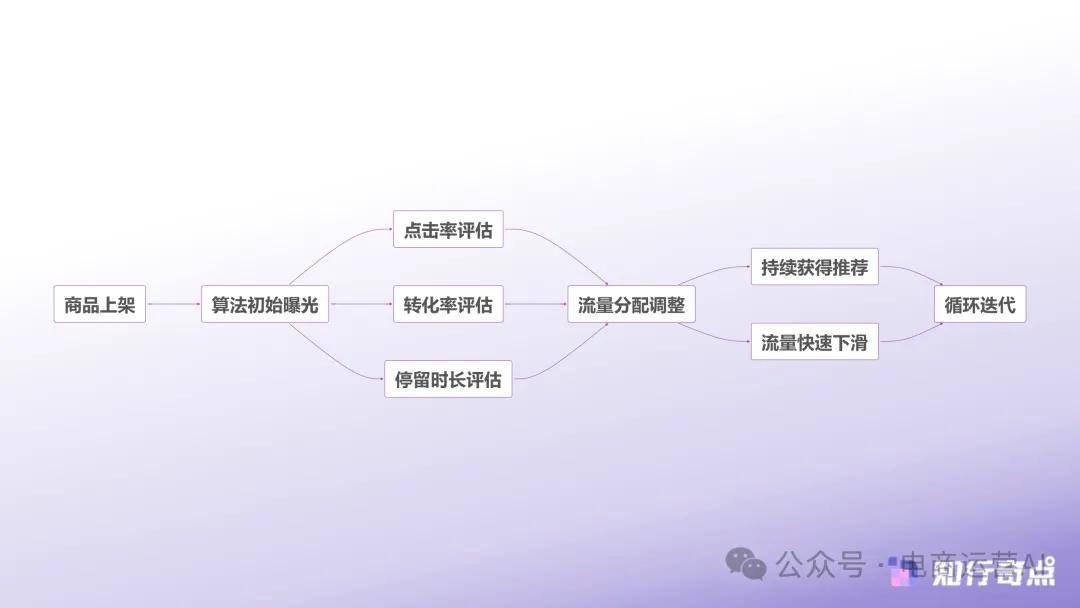
Core Insights - The core issue faced by merchants on the Temu platform is a consistent struggle with operational efficiency despite significant resource investment [1][2][4] - The competitive landscape is intensifying, particularly following regulatory changes in the U.S. that have forced Temu to shift to local warehousing, resulting in a dramatic drop in daily active users [2][4] Group 1: Platform Dynamics - Temu's traffic distribution is fundamentally different from traditional e-commerce platforms, relying on algorithm-driven recommendations rather than keyword optimization [2][4] - The platform's algorithm is highly sensitive to initial performance metrics, particularly within the first 48 hours of a product's launch, which can determine its future visibility [4][7] - Merchants are struggling with inventory management, as the platform penalizes slow-moving stock, leading to a need for rapid turnover [7][9] Group 2: Supply Chain Challenges - The shift to localized warehousing has increased the complexity of supply chain management for merchants, requiring them to balance domestic and overseas inventory [5][12] - Many merchants face significant losses due to poor inventory turnover, which can account for over 30% of net profits in some cases [5][10] Group 3: Data Analysis and Decision-Making - A significant majority of cross-border e-commerce merchants identify data analysis as their biggest capability gap, with only 15% having an effective data system in place [8][10] - The reliance on outdated data for decision-making is a critical disadvantage, as Temu's algorithm adjusts traffic distribution in real-time [9][10] Group 4: Successful Strategies - Successful merchants leverage advanced operational systems that utilize real-time data monitoring and predictive analytics to enhance efficiency [10][12] - Technology providers are emerging to support merchants in improving operational efficiency, focusing on automating repetitive tasks and integrating data from various sources [10][12][15] Group 5: Future Outlook - The competitive environment in Temu's cross-border e-commerce is expected to become increasingly complex, emphasizing the need for operational efficiency [14][15] - Merchants are encouraged to adopt technology solutions incrementally, starting with the most pressing operational challenges [14][15]