
铁路运输

Search documents
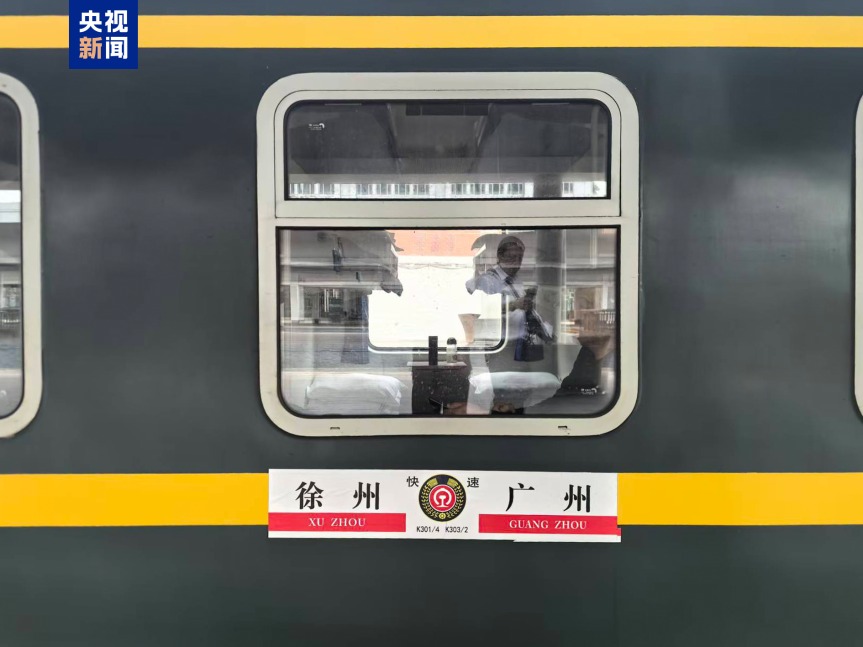
告别绿皮车,广州站全面迈入高铁时代
Yang Shi Xin Wen· 2026-01-25 05:48
Core Viewpoint - The transition of Guangzhou Station from traditional slow trains to high-speed rail marks a significant milestone in the modernization of China's railway system, enhancing connectivity and service quality for passengers [1][3][5]. Group 1: Transition to High-Speed Rail - As of January 26, 2026, Guangzhou Station will cease operations for conventional trains, with all services relocated to Guangzhou Baiyun Station [3]. - Guangzhou Station will integrate multiple high-speed rail lines, including Jing-Guang, Mei-Long, Gui-Guang, and Guang-Shan, operating 208 high-speed trains daily, extending its reach to North, Northwest, and Southwest China [3]. Group 2: Infrastructure Improvements - The transformation of Guangzhou Station involves comprehensive upgrades aimed at improving passenger experience, including streamlined entry and exit processes, full coverage of escalators, and enhanced service facilities [5]. - The station's exterior has been renovated, and a new business waiting area has been established to elevate service quality [5]. - Future projects, such as the Guangnan Link Line, will enable a 15-minute connection between Guangzhou Station and Guangzhou South Station, supporting the development of the Guangdong-Hong Kong-Macau Greater Bay Area's "one-hour living circle" [5]. Group 3: Historical Significance - The last conventional train's departure symbolizes the end of an era for Guangzhou Station, which has served for over a century, now poised to support regional economic and social development with a modern and efficient approach [1][5].

八部门印发2026年综合运输春运安全生产和服务保障总体方案
Xin Lang Cai Jing· 2026-01-25 04:53
Core Viewpoint The 2026 comprehensive transportation Spring Festival travel period will run from February 2 to March 13, lasting 40 days. The Ministry of Transport, along with several other government departments, has issued a comprehensive safety production and service guarantee plan to ensure a safe and efficient travel experience during this peak period. Group 1: Overall Strategy - The plan is guided by Xi Jinping's thought and aims to ensure a "safe, convenient, and warm" Spring Festival travel experience, focusing on risk prevention, major hazard identification, and the implementation of thirty hard measures during the holiday [2] - The strategy emphasizes the importance of enhancing transportation organization, travel services, and public guidance to support economic development and ensure a peaceful holiday for the public [2] Group 2: Spring Festival Travel Characteristics - The 2026 Spring Festival travel period is expected to see a historic high in cross-regional population movement, posing significant challenges for public travel services [3] - The extended holiday period will increase public travel willingness, leading to greater challenges in managing large passenger flows [3] - The rise in self-driving trips, particularly with new energy vehicles, will demand higher standards for road network maintenance and charging service guarantees [3] - The overlap of the return peak with the national "Two Sessions" will concentrate passenger flows in key routes [3] - Adverse weather conditions, such as low temperatures and snow, will increase operational pressure on transportation safety and emergency response [3] Group 3: Major Risk Prevention and Control - Strict measures will be implemented to address extreme weather conditions, including proactive defense strategies and close collaboration with meteorological and public security departments [4] - Enhanced charging service guarantees for new energy vehicles will be established, including the creation of busy service area lists and tailored charging plans [4] - Traffic congestion management will be prioritized, with specific strategies developed for busy highway sections [5] - Large passenger flow management will be strengthened, particularly in urban areas and key transport corridors [5] - Safety management of transportation equipment will be reinforced, ensuring all vehicles are well-maintained before the travel period [5] Group 4: Risk Hazard Identification and Rectification - Responsibilities for risk identification and rectification will be clearly defined among transportation enterprises and regulatory bodies [7] - Comprehensive risk assessments will be conducted, focusing on major hazards and previous issues identified during inspections [8] - A dynamic approach to addressing identified hazards will be implemented, ensuring timely rectification and expert guidance for effective risk management [8] Group 5: Control of Major Hazards During the Holiday - A dynamic list of major hazards will be maintained and updated regularly, ensuring timely adjustments before the holiday [9] - Daily inspections will be mandated for key transportation enterprises to ensure compliance and immediate issue resolution [9] - Certain high-risk operations will be suspended during the holiday period to prevent accidents [9] Group 6: Comprehensive Transportation Organization - Enhanced coordination of transportation capacity across various modes will be prioritized to improve service efficiency [10] - Real-time monitoring of passenger flow at key hubs will be implemented to optimize transport services [10] - The level of service for small and micro rental vehicles will be improved, expanding service networks and offering convenient options for travelers [10] Group 7: Warm Service Initiatives - The "Warm Journey" initiative will promote high service standards among transportation enterprises, enhancing traveler experience [12] - Special attention will be given to vulnerable groups, ensuring their needs are met during travel [12] - Support for frontline workers in the transportation sector will be emphasized, providing assistance and recognition for their efforts during the busy period [12] Group 8: Travel Information and Guidance - A multi-channel approach will be adopted to disseminate travel information, including weather alerts and traffic updates [13] - Efforts will be made to create a positive travel atmosphere through media engagement and storytelling [13] - Channels for public feedback and complaints will be strengthened to address traveler concerns effectively [13]

高铁“漂流瓶”又来了,这次是……
Xin Lang Cai Jing· 2026-01-25 03:47
近日,中国铁路郑州局集团有限公司郑州客运段的乘务人员收到了一份特殊的高铁"漂流瓶",是一封写 在清洁袋上的感谢信,这到底是怎么回事? "我随身携带的灰色背包不见了,里面有钱包、电脑和一些重要文件。"1月20日21时左右,G555次列车 从石家庄站开车后,6号车厢的旅客毛先生向乘务员胡玉佳求助。 察觉到旅客的慌乱,胡玉佳先带他到相邻的5号和7号车厢寻找,并告知列车长王晓慧和乘警长余安阳, 一同在全车厢展开搜寻。然而,经过多方搜寻,背包始终不见踪影。 看到旅客越来越着急,胡玉佳给他提供了三种找寻方案:列车乘警向相关单位申请查看旅客上车时是否 携带背包;通过12306App在线挂失;拨打12306电话联系车站和列车帮忙寻找。 胡玉佳先引导旅客回想出行路线,锁定旅途中可能遗忘物品的场所。经了解后得知,毛先生先从通辽出 发乘坐G3654次列车到北京朝阳站下车,后到北京西站中转,搭乘本次列车前往郑州东站。 结合多年工作经验,胡玉佳判断,背包大概率被遗落在上一趟列车或中转站内。与此同时,列车乘警申 请调取到列车监控,确认毛先生上车时并未携带背包。 经毛先生回忆,他可能是在北京西站8号候车厅接打电话时,将背包遗落在检票口处。 ...
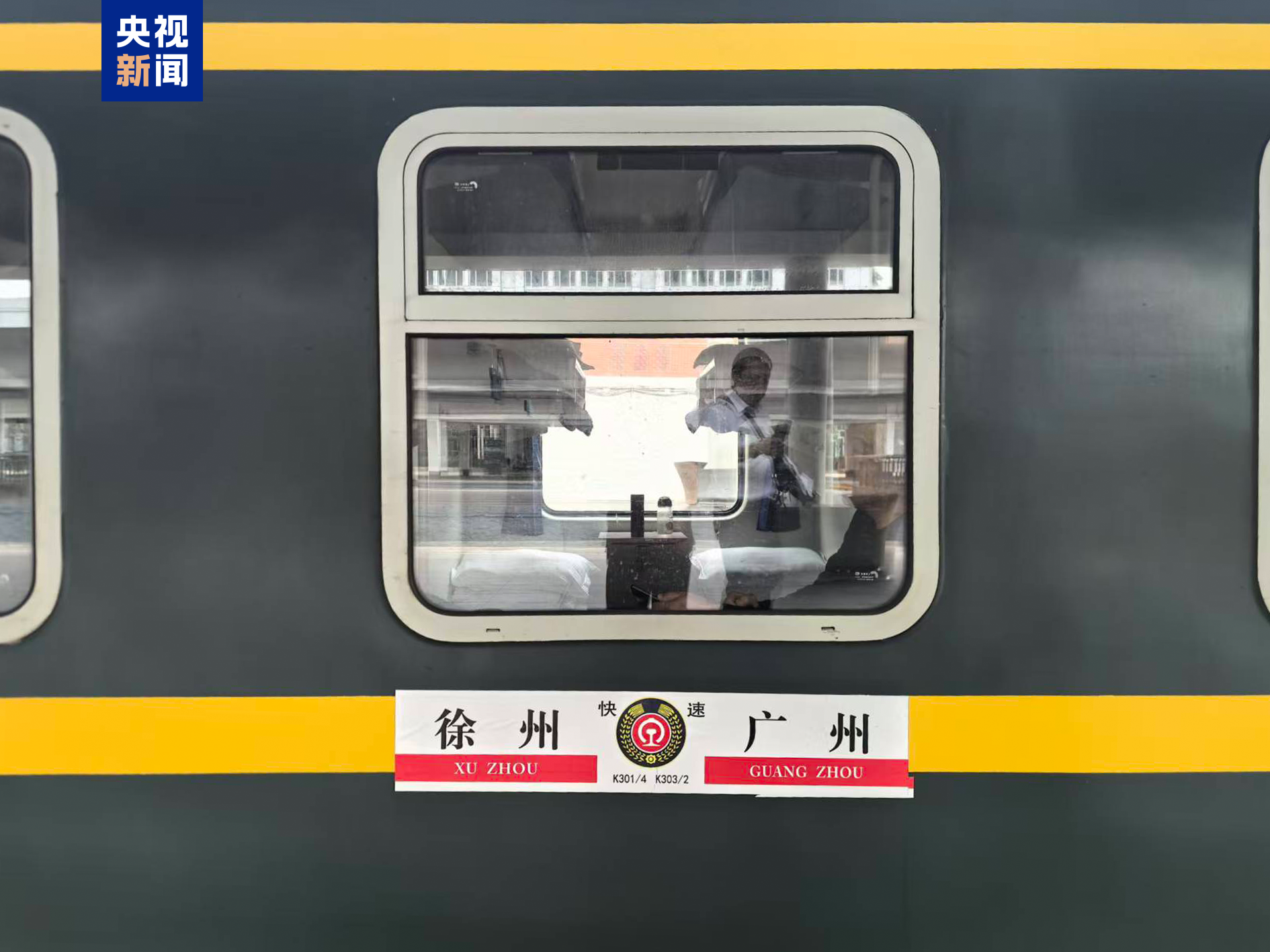
告别绿皮车 百年广州站全面迈入高铁时代
Yang Shi Xin Wen· 2026-01-25 03:17
Core Viewpoint - The transition of Guangzhou Station from traditional slow trains to high-speed rail marks a significant milestone in the modernization of China's railway system, enhancing connectivity and service quality for passengers [1][3][5]. Group 1: Transition to High-Speed Rail - As of January 26, 2026, Guangzhou Station will cease operations for conventional trains, with all services relocated to Guangzhou Baiyun Station [3]. - Guangzhou Station will integrate multiple high-speed rail lines, including Jing-Guang, Mei-Long, Gui-Guang, and Guang-Shan, operating 208 high-speed trains daily, extending its reach to North, Northwest, and Southwest China [3]. Group 2: Infrastructure Improvements - The transformation of Guangzhou Station involves comprehensive upgrades aimed at improving passenger experience, including streamlined entry and exit processes, full coverage of escalators, and enhanced service facilities [5]. - The station's exterior has been renovated, and a new business waiting area has been established to elevate service quality [5]. - Future projects, such as the Guangnan Link Line, will enable a 15-minute connection between Guangzhou Station and Guangzhou South Station, contributing to the "one-hour living circle" in the Guangdong-Hong Kong-Macau Greater Bay Area [5]. Group 3: Symbol of Railway Development - The shift from slow trains to high-speed rail at Guangzhou Station exemplifies the rapid development of China's railway system, reflecting a broader trend towards modernization and efficiency in transportation [5].
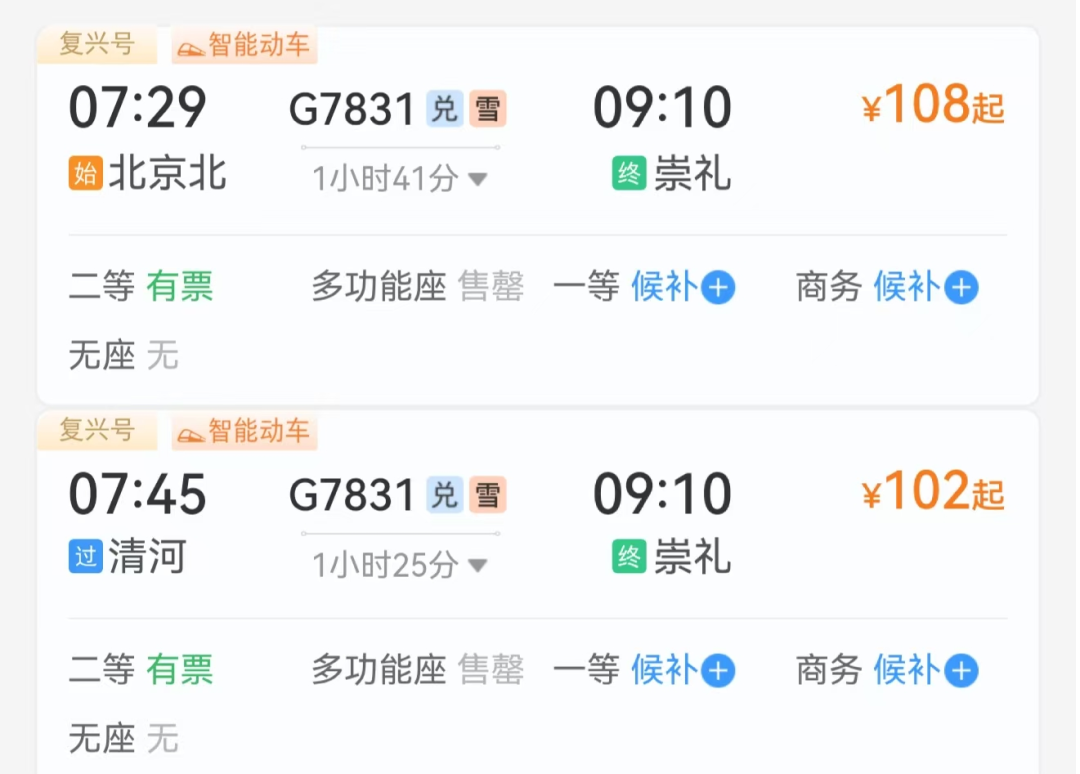
“雪、宠、兑、静、铺” 12306 购票页面 5 种标识代表啥?
Xin Lang Cai Jing· 2026-01-25 02:50
Core Insights - The article discusses the launch of new train services during the Spring Festival travel season, highlighting special features such as "snow gear convenience," "quiet carriages," "pet transportation," "points redemption," and "bed selection" services for travelers [1][2][5][7][9][14][16]. Group 1: Special Services - "Snow" indicates train services that offer "snow gear convenience," allowing passengers to transport snow sports equipment [1][5]. - "Static" refers to trains with "quiet carriages," designed to provide a quieter travel environment by managing sound levels and encouraging quiet behavior among passengers [7]. - "Pet" signifies trains that allow pet transportation, enabling travelers to bring their pets along by following specific booking procedures [9][11]. Group 2: Ticketing and Booking Features - "Redeem" indicates trains where passengers can use loyalty points to purchase tickets, with a conversion rate of 100 points equating to 1 RMB [14]. - "Bed" allows passengers to select their preferred sleeping arrangements in sleeper cars, enhancing the travel experience [16]. Group 3: Additional Changes and Services - Starting January 26, a new train operation schedule will be implemented, increasing the number of scheduled passenger trains to 12,130, an addition of 243 trains [19]. - The 12306 platform introduced a limited-time free refund service for mistakenly purchased tickets, effective from January 19 [20]. - New regulations provide additional student discount tickets for the 2026 graduating class, allowing for a total of six discounted trips [21]. - A new telephone booking service for seniors aged 60 and above has been established to assist with ticket purchases [22]. - A "light travel" service has been expanded to 111 train stations, easing the burden of carrying large luggage for travelers [24].
百年广州站全面迈入高铁时代
Xin Hua She· 2026-01-25 02:35
1月25日10时29分,广州火车站始发的最后一班普速列车发出。这座百年火车站的普速列车始发终到运 营正式收官,全面迈入高铁时代。 (文章来源:新华社) ...
迎春运“大考” 他们连夜开展高铁换轨作业
Xin Lang Cai Jing· 2026-01-24 23:42
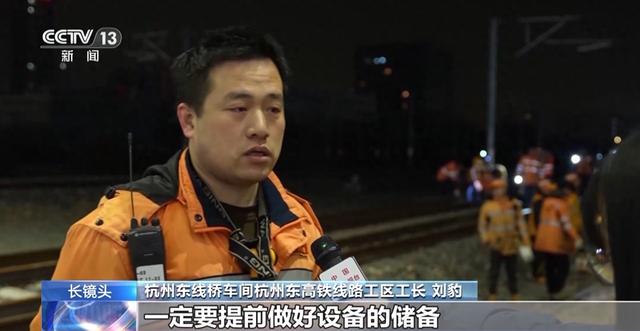
Core Viewpoint - The article highlights the preparations and efforts made by the Hangzhou East Station to ensure smooth operations during the upcoming Spring Festival travel rush, focusing on the critical task of rail replacement to enhance safety and stability [1]. Group 1: Rail Replacement Operations - The rail replacement operation at Hangzhou East Station involves 84 workers who must complete the replacement of 300 meters of rail within a 240-minute window during the night when high-speed trains are not in operation [1]. - The process of rail replacement is compared to "changing parts in a precision watch," emphasizing the need for millimeter-level precision to avoid any impact on train operation stability [7]. - The operation includes several precise steps such as loosening fasteners, sawing old rails, removing old rails, and inserting new rails, all of which must be executed in a coordinated manner [5]. Group 2: Safety and Standards - High standards and safety are emphasized as the primary requirements for the operation, ensuring the safety of both passengers and trains [9]. - The final inspection phase involves meticulous checks of rail gauge, level, and fastener conditions, with real-time adjustments made to ensure compliance with safety standards [11]. - The commitment of the workers is highlighted, with a focus on their dedication to ensuring the safe return of millions of travelers during the Spring Festival [13].
申万宏源交运一周天地汇(20260118-20260123):期租租金跳涨春节淡季不淡进入验证期,造船关注中国动力,ST松发看好
Shenwan Hongyuan Securities· 2026-01-24 15:10
Investment Rating - The report maintains a positive outlook on the shipping industry, recommending companies such as China Merchants Energy and COSCO Shipping Energy [3]. Core Insights - The report highlights a significant increase in charter rates for VLCCs, which rose by 4.62% to $62,250 per day, and Cape rates increased by 5.37% to $26,475 per day, indicating a strong correlation between commodity prices and shipping rates [3]. - New ship prices are rising alongside second-hand ship prices, with the new ship composite index increasing by 0.07 to 184.76 points, suggesting a favorable market for shipbuilders [3]. - The report emphasizes the resilience of the shipping market, particularly in oil and bulk shipping, with expectations of continued demand driven by geopolitical factors and commodity price fluctuations [3]. Summary by Sections Shipping Market Performance - The shipping index increased by 1.76%, outperforming the CSI 300 index by 2.38 percentage points [4]. - The coastal dry bulk freight index in China rose by 0.84%, while the Shanghai export container freight index fell by 7.39% [4]. Oil Shipping - VLCC rates are currently around $100,000 per day, with a recent decline of 11% in average rates to $105,090 per day, indicating potential volatility in the market [3]. - The report notes that while VLCC rates may adjust, smaller oil tanker rates remain supported due to high demand [3]. Dry Bulk Shipping - The report indicates a rebound in dry bulk rates, particularly driven by increased grain exports from South America, with the BDI index recording a 12.4% increase [3]. - Capesize rates increased by 16.1%, reflecting strong demand in the Pacific market [3]. Container Shipping - The report observes a seasonal decline in container shipping rates as the peak season ends, with the SCFI index dropping by 7.4% [3]. - The resumption of services in the Red Sea has been noted, but the market remains cautious due to geopolitical uncertainties [3]. Air Transportation - The report highlights a significant supply constraint in aircraft manufacturing, with an aging fleet and increasing passenger demand expected to enhance airline profitability [3]. - Airlines are recommended for investment due to their strong demand elasticity and potential for significant earnings growth [3]. Logistics and Express Delivery - The report anticipates a concentration of market share and profits among leading express delivery companies, with a focus on ZTO Express and YTO Express [3]. - The logistics sector shows resilience, with steady growth in freight volumes reported [3].




申万宏源交运一周天地汇:期租租金跳涨春节淡季不淡进入验证期,造船关注中国动力,ST松发
Shenwan Hongyuan Securities· 2026-01-24 13:44
Investment Rating - The report maintains a positive outlook on the shipping industry, recommending stocks such as China Merchants Energy and COSCO Shipping Energy [4][5]. Core Insights - The report highlights a significant increase in charter rates for VLCCs, which rose by 4.62% to $62,250 per day, and Cape rates increased by 5.37% to $26,475 per day, indicating a strong correlation between commodity prices and shipping rates [4]. - New ship prices are rising alongside second-hand ship prices, with the new ship composite index increasing by 0.07 to 184.76 points, suggesting a favorable market for shipbuilders [4]. - The report notes that the oil tanker market remains robust, with VLCC rates averaging around $105,090 per day, despite a recent decline in rates due to increased supply [4]. - The dry bulk market is experiencing a rebound, with the BDI index recording a 12.4% increase to 1,762 points, driven by increased grain exports from South America [4]. - The air transport sector is expected to see significant improvements in profitability due to rising passenger volumes and constrained supply, marking a potential golden era for airlines [4]. Summary by Sections Shipping Market - The shipping market is experiencing a strong correlation with commodity prices, with VLCC and Cape rates showing significant increases [4]. - The report emphasizes the importance of geopolitical factors and supply constraints in maintaining high shipping rates [4]. New Ship Prices - New ship prices are on the rise, reflecting the overall health of the shipping market, with a slight increase in the new ship composite index [4]. Oil Tanker Market - The oil tanker market remains strong, with high average rates for VLCCs and a stable demand despite recent fluctuations [4]. Dry Bulk Market - The dry bulk market is witnessing a rebound, particularly in the Capesize segment, driven by favorable export conditions from South America [4]. Air Transport Sector - The air transport sector is poised for significant growth, with airlines expected to benefit from increased passenger volumes and a constrained supply of aircraft [4]. Logistics and Express Delivery - The logistics sector is seeing a concentration of market share among leading companies, with a focus on firms like ZTO Express and YTO Express, which are expected to maintain their competitive advantages [4].
一坐高铁就犯困”,铁路专家回应网传“高铁二氧化碳超标
Xin Jing Bao· 2026-01-24 08:58
Core Viewpoint - The reported CO2 concentration levels in high-speed train carriages have been clarified by experts, indicating that the standards for rail vehicles differ from those for civilian buildings, and the levels observed do not pose health risks to passengers [1][2]. Group 1: CO2 Concentration Standards - The standard limit for CO2 concentration in passenger trains in China is set at a maximum of 2500 ppm according to TB/T 3493-2017, while European standards allow up to 5000 ppm [1]. - The viral claims regarding CO2 levels were based on GB 50736-2012, which applies to civilian buildings and is not relevant to passenger trains [1]. Group 2: Air Quality Management in Trains - High-speed trains are designed with a fully sealed car body, relying on air conditioning systems for ventilation, providing over 15 m³/h of fresh air per person, with air exchange rates of 6 to 12 times per hour [1]. - During normal operation outside tunnels, CO2 levels typically do not exceed 1500 ppm, but can temporarily rise above 2000 ppm when passing through tunnels due to pressure protection measures [2]. Group 3: Public Reaction and Observations - A video showing CO2 levels rising in a second-class carriage sparked public discussion, with initial readings around 880 ppm increasing as passengers boarded, leading to a perception that high-speed travel induces drowsiness [2].