
加密货币

Search documents
2025稳定币产业生态、市场现状发展报告
Sou Hu Cai Jing· 2025-09-04 17:02
Group 1 - Stablecoins are evolving from crypto trading tools to a new infrastructure for cross-border payments, significantly reducing remittance times from two weeks to 5-10 minutes at a cost of less than 1% in emerging markets like Latin America and Africa [2] - The total market size of stablecoins has surpassed $250 billion, with annual transactions reaching $36.3 trillion, exceeding the combined total of Visa and Mastercard [4] - The USDT and USDC together account for over 80% of the circulation, while Ethereum, Solana, and Tron compete on settlement speed and costs [2][4] Group 2 - Regulatory frameworks are evolving, with the US GENIUS Act, EU MiCA, and Hong Kong's Stablecoin Regulation pushing the market towards compliance, requiring 100% reserves and T+0 redemption [4][8] - Despite a ban in mainland China, an underground USDT market thrives, driven by rigid demand for crypto entry and exit, low-cost settlement for small foreign trade, and asset outflow channels for high-net-worth individuals [6] - Traditional banks like Standard Chartered, HSBC, and JPMorgan are entering the stablecoin space through tokenization of deposits in Hong Kong, indicating a shift towards mainstream adoption [4][8] Group 3 - The total addressable market for stablecoins in non-G20 countries is estimated at $16.5 trillion, with B2B scenarios alone accounting for $13 trillion [2] - The compliance wave is pushing the market towards a new phase characterized by transparency in reserves and licensing, contrasting with the gray market dynamics in mainland China [9] - The future landscape of stablecoins is expected to feature a coexistence of compliant USD stablecoins, the underground USDT demand, and sovereign digital currencies [9]


美股,将迎密集IPO!
Zheng Quan Shi Bao· 2025-09-04 15:21
Group 1: Upcoming IPOs - Several significant IPOs are on the horizon, including Klarna, Gemini, Black Rock Coffee Bar, Figure, and Legence, all expected to debut in the U.S. capital markets in September [1] - Analysts believe that the period from early September to mid-October will be crucial for IPOs, as many well-known companies are waiting to assess investor confidence amid U.S. political and economic uncertainties [1] Group 2: Klarna's IPO Details - Klarna plans to raise up to $1.27 billion through its IPO, offering 34.3 million shares at a price range of $35 to $37 per share, potentially valuing the company at approximately $14 billion [3] - In the first half of this year, Klarna reported total revenue of $1.52 billion and a net loss of $153 million, compared to $1.33 billion in revenue and a net loss of $38 million in the same period last year [3] - Klarna's valuation peaked at $45.6 billion in 2021 but dropped to $6.7 billion after a funding round in 2022, reflecting an 85% decrease [4][5] Group 3: Crypto Industry IPOs - Gemini and Figure are preparing for IPOs, following the successful listings of Circle and Bullish, which may sustain investor interest in the crypto sector [7] - Gemini aims to raise up to $317 million by offering 16.67 million shares at a price range of $17 to $19, potentially valuing the company at $2.22 billion [7][8] - Figure, a blockchain-based lending institution, plans to sell 26.3 million shares at a price range of $18 to $20, potentially raising up to $526.3 million and achieving a market valuation of $3.37 billion [8] Group 4: Market Conditions for IPOs - The U.S. IPO market faced stagnation after the Trump administration announced tariffs, but concerns have eased, allowing companies to consider going public again [11] - IPOX CEO Josef Schuster anticipates strong sentiment for U.S. IPOs to continue into 2025, particularly for tech-focused companies related to U.S. consumers [11] - Nasdaq CEO Adena Friedman noted that more large private companies are willing to enter the stock market, indicating a stronger IPO pipeline for the second half of 2025 [11]
美股,将迎密集IPO!
证券时报· 2025-09-04 15:17
Group 1: IPO Overview - Klarna, a European payment giant, is the most anticipated IPO in the US market, aiming to raise up to $1.27 billion with a proposed share price of $35 to $37, potentially valuing the company at $14 billion post-IPO [3][4] - Other companies like Gemini, Black Rock Coffee Bar, Figure, and Legence are also preparing to go public, with expectations of a significant IPO window from early September to mid-October [1][6] Group 2: Klarna's Financial Performance - In the first half of the year, Klarna reported total revenue of $1.52 billion and a net loss of $153 million, compared to $1.33 billion in revenue and a net loss of $38 million in the same period last year [3] - Klarna's valuation peaked at $45.6 billion in 2021 but dropped to $6.7 billion after a funding round in 2022, reflecting an 85% decrease [4][5] Group 3: Cryptocurrency IPOs - Gemini, a digital asset exchange, plans to issue 16.67 million shares at a price range of $17 to $19, aiming to raise up to $317 million with a valuation of $2.22 billion [7] - Figure, a blockchain lending institution, is set to go public with existing shareholders selling 26.3 million shares at a price range of $18 to $20, potentially raising up to $526.3 million and achieving a valuation of $3.37 billion [8] Group 4: Market Conditions for IPOs - The IPO market faced stagnation after the Trump administration's tariffs announcement in April, but investor concerns have eased, leading to a resurgence in IPO activity [10] - Analysts believe that the strong sentiment for US IPOs will continue into 2025, particularly for tech-focused companies related to US consumers [10][11]
美股异动 | 遭纳斯达克新规打击 持币股走低 Bitmine Immersion Technologies(BMNR.US)跌超6%
Zhi Tong Cai Jing· 2025-09-04 15:05
Group 1 - The cryptocurrency ecosystem stocks are mostly declining, with Bitcoin-related stocks like Hut 8 Mining down over 2.9%, Mara Holdings down over 2%, and Strategy down over 2.4% [1] - Ethereum-related stocks such as Bitmine Immersion Technologies fell over 6%, and SharpLink Gaming dropped over 7% [1] - Leading stablecoin issuer Circle saw a decline of over 0.8% [1] Group 2 - Nasdaq is intensifying scrutiny on listed companies that use financing to purchase cryptocurrencies to inflate stock prices [1] - The exchange now requires some companies to obtain shareholder approval before issuing new shares to buy cryptocurrencies, which may slow down the current cryptocurrency craze [1] - Nasdaq's new requirements include shareholder voting procedures, which could delay transactions and introduce uncertainty into the cryptocurrency market [1]

美股异动|比特币跌破11万美元,加密货币概念股普跌
Ge Long Hui· 2025-09-04 14:26
Core Viewpoint - Bitcoin has fallen below $110,000 per coin, leading to a widespread decline in cryptocurrency-related stocks [1] Group 1: Market Impact - Bullish has dropped nearly 9% [1] - Bit Origin has decreased by over 5% [1] - CleanSpark, Hut 8, MARA Holdings, Riot Platforms, Canaan Creative, and Bitfarms have all fallen by more than 3% [1]

纳斯达克出手!加密概念股监管升级,发新股买币需股东“点头”
Hua Er Jie Jian Wen· 2025-09-04 13:44
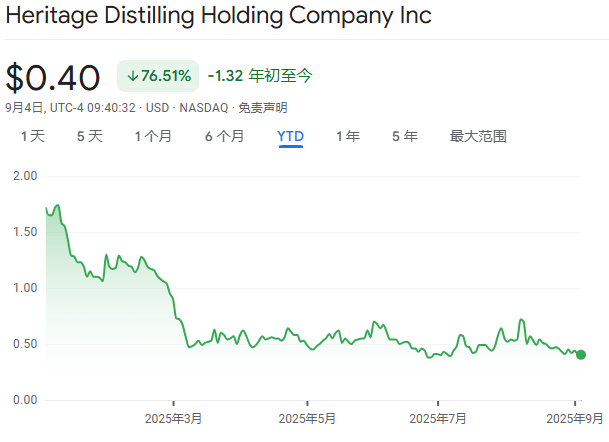
Group 1 - Nasdaq is intensifying scrutiny of listed companies that finance cryptocurrency purchases to boost stock prices, now requiring shareholder approval before issuing new shares for such purchases [1] - This regulatory move may slow down the current cryptocurrency frenzy, which is pushing more alternative tokens into the mainstream market, as most cryptocurrency concept stocks are traded on Nasdaq [1][2] - The new requirements include shareholder voting procedures, which could delay transactions and introduce uncertainty into the cryptocurrency market [1][2] Group 2 - As of this year, 124 U.S. listed companies have announced plans to raise over $133 billion to purchase cryptocurrencies, with 94 of these stocks listed on Nasdaq [2] - Companies are racing to accumulate as many tokens as possible, with their success largely dependent on the speed of financing and stock issuance, making any delays potentially costly [2] - Nasdaq's strict review represents a balancing act between profiting from company listings and fulfilling regulatory responsibilities [2] Group 3 - Companies are mimicking the strategy of MicroStrategy, which has accumulated $71 billion in cryptocurrencies over the past five years, primarily Bitcoin [3] - Many companies are now turning to smaller, newer, and less liquid tokens, which may be more volatile or susceptible to market manipulation [3] - Heritage Distilling serves as a case study of Nasdaq's new regulations, as it plans to accumulate a relatively new cryptocurrency IP and has had to modify its transaction structure to comply with Nasdaq rules [3][6] Group 4 - Nasdaq informed Heritage that its plans require shareholder approval, leading the company to offer pre-paid warrants instead of stock, which can only be exercised after shareholder approval [6] - This situation highlights the evolving nature of compliance with Nasdaq rules, as companies must be cautious to avoid potential issues that could lead to transaction cancellations [6]
上市首日一度暴涨110%!特朗普家族布局加密货币的又一步
第一财经· 2025-09-04 05:57
Core Viewpoint - The article discusses the listing of American Bitcoin, a cryptocurrency mining company supported by Donald Trump's sons, on the Nasdaq after merging with Gryphon Digital Mining, highlighting the family's increasing involvement in the cryptocurrency sector [2][3]. Group 1: Company Overview - American Bitcoin was formed through a merger with Gryphon Digital Mining and is now listed on Nasdaq under the ticker "ABTC" [2]. - Post-merger, Hut 8 and other shareholders of American Bitcoin will collectively hold approximately 98% of the new company's shares, with Hut 8 owning 80% [3]. - The company has accumulated about 2,443 bitcoins, following the financial strategy promoted by Michael Saylor [3]. Group 2: Market Performance - After its opening, American Bitcoin's stock surged by 31% to $9.04 per share, triggering a temporary trading halt, and later reached a peak increase of 110% [3]. - The trading price of bitcoin exceeded $112,000 on the day of the listing [3]. Group 3: Family Involvement and Controversies - The Trump family has expanded its cryptocurrency investments, including the decentralized finance project World Liberty Financial, which saw a significant increase in their wealth [4]. - The family is also involved in stablecoins and personal tokens, raising concerns about potential conflicts of interest and the influence on regulatory bodies like the SEC [4].

何一:那个曾经月薪800的农村女孩,如何成为加密世界的"铁娘子"
Sou Hu Cai Jing· 2025-09-04 05:42
Core Insights - The article highlights the transformative leadership of He Yi, co-founder of Binance, in the rapidly evolving global cryptocurrency landscape in 2024 [1] - It emphasizes the rise of female entrepreneurs in emerging markets, as exemplified by He Yi's journey from a rural background to leading a major cryptocurrency exchange [1] Background - He Yi was born in 1985 in rural Sichuan, China, and faced significant hardships, including the loss of her father at a young age [3] - Her early experiences taught her the importance of being results-oriented and creating value to change her circumstances [3] - She worked as a television host in the early 2000s, which helped her develop communication skills and market sensitivity [3] Turning Point - In 2014, He Yi recognized the disruptive potential of blockchain technology and personally invested in Bitcoin, while also recruiting Zhao Changpeng (CZ) to join OKCoin [4] - She played a crucial role in building the early team at Binance, identifying market opportunities and expanding user numbers significantly [4] - During her tenure at OKCoin, she introduced community engagement strategies that became foundational for Binance's growth [4] Binance's Establishment and Growth - Binance was co-founded by He Yi and Zhao Changpeng in July 2017, coinciding with the peak of the ICO boom [5] - Within 180 days, Binance became the largest cryptocurrency exchange by trading volume, a record in fintech history [5] User-Centric Strategy - He Yi implemented a "user-first" strategy, personally engaging with customers and rapidly expanding language support to cater to global markets [7] - During regulatory tightening from 2018 to 2020, she led Binance's globalization efforts, resulting in over 90% of users being non-Chinese by the end of 2020 [7] Crisis Management - In November 2023, Binance faced a $4.3 billion fine due to regulatory issues, marking the largest settlement in the cryptocurrency industry [8] - He Yi demonstrated exceptional crisis management by ensuring operational stability and user trust during this challenging period [8] - She opted for a decentralized management structure post-CZ, focusing on user experience and strategic planning while delegating daily operations [8] Business Philosophy - He Yi's business philosophy centers on maximizing user value, requiring employees to experience customer service firsthand [8] - She personally intervened in user issues, showcasing her commitment to customer satisfaction [8][11] Organizational Structure - Binance operates with a flat organizational structure, allowing rapid decision-making and direct communication across all levels [11] - The company has embraced a fully remote work environment, enhancing operational efficiency and resilience [11] Future Outlook - Under He Yi's leadership, Binance is evolving into a provider of Web3 infrastructure, with a focus on financial services in developing countries [12] - The company processes over 100TB of transaction data daily, relying on data-driven decision-making [12] - He Yi's long-term investment in Binance Coin (BNB) reflects her commitment to the company's future [12] Diversity and Inclusion - Binance has achieved a female employee representation of 43%, with over 35% in management, setting a benchmark in the tech industry [14] - He Yi's personal engagement with users exemplifies her dedication to understanding and addressing customer needs [14] Industry Context - The cryptocurrency sector is undergoing significant transformation, with major financial institutions beginning to embrace digital assets [15] - He Yi is positioned as a foundational figure in the new digital finance ecosystem, moving beyond traditional financial paradigms [15]

上市首日一度暴涨110%!特朗普家族布局加密货币的又一步
Di Yi Cai Jing Zi Xun· 2025-09-04 03:39
Group 1 - American Bitcoin, supported by Donald Trump Jr. and Eric Trump, went public on NASDAQ after merging with Gryphon Digital Mining, with the new stock symbol "ABTC" [1] - The combined company is primarily owned by Hut 8 and other American Bitcoin shareholders, holding approximately 98% of the shares, while Gryphon's investors retain the remaining shares [1] - American Bitcoin's stock surged by 31% to $9.04 per share shortly after opening, reaching a peak increase of 110% before triggering a trading halt [1] Group 2 - American Bitcoin has accumulated about 2,443 bitcoins, following the financial strategy promoted by Michael Saylor [1] - The trading price of bitcoin exceeded $112,000 on the day of the listing [1] - Hut 8's CEO indicated a shift in focus from crypto mining to energy infrastructure and data center operations after the formation of the new company [1] Group 3 - The Trump family's involvement in cryptocurrency assets has expanded, with the recent public trading of the WLFI token under World Liberty Financial, leading to a significant increase in their wealth [2] - The Trump family holds 157 million WLFI tokens valued at approximately $3.6 billion [2] - The family's engagement in various cryptocurrency projects has raised concerns about potential conflicts of interest, particularly regarding their influence on regulatory bodies like the SEC [2]
流通代币数远超此前计划,“特朗普家族核心代币”上市后连续暴跌
Hua Er Jie Jian Wen· 2025-09-04 00:23
Core Insights - WLFI token launched by the Trump family faced a significant drop of approximately 25% after its debut, with a market capitalization of about $5.4 billion, primarily due to the unexpected increase in circulating supply [1] - World Liberty Financial Inc. announced that 25 billion tokens would enter circulation, five times the previously expected 5 billion tokens, leading to a loss of investor confidence [1] - The Trump family controls over 20 billion WLFI tokens, with Eric Trump and Donald Trump Jr. as co-founders [1] Supply Controversy - Investors expressed strong dissatisfaction regarding the sudden change in WLFI's circulating supply, questioning the data changes and the ambiguity surrounding "early supporters" qualifications [2] - Out of a total supply of 100 billion tokens, most remain non-tradable and are primarily held by insiders, with billions allocated to Alt5 Sigma Corp., a closely associated crypto payment company [2] - The estimated circulating supply varied from 3% to 25%, exacerbating market confusion shortly after the launch [2] Market Stabilization Efforts - To stabilize market sentiment, World Liberty Financial has implemented measures such as the destruction of 47 million tokens, valued at approximately $11 million [1][3] - The team proposed additional token destruction from transaction fees to further reduce circulating supply, which has received broad support but awaits formal voting by WLFI holders [3] - Despite the poor performance on the first day, a spokesperson claimed the launch was a significant success, while Eric Trump highlighted that WLFI's trading price was still above early round prices [3] Ecosystem Development Challenges - Analysts believe the true test for the WLFI project lies in whether the World Liberty ecosystem can establish itself beyond speculation [4] - The stablecoin USD1 associated with WLFI has a market capitalization of about $2.7 billion, with plans to introduce lending and other services [4] Long-term Value Considerations - Market volatility on the issuance day is common, and the recently proposed fee destruction mechanism may create short-term speculation [5] - Long-term value will depend on ecosystem adoption, particularly for USD1, which faces fierce competition in the stablecoin market despite being listed on major centralized exchanges [5] - WLFI has received a more favorable reception compared to other similar crypto projects, with early holders expressing curiosity about the market's long-term reaction [5]