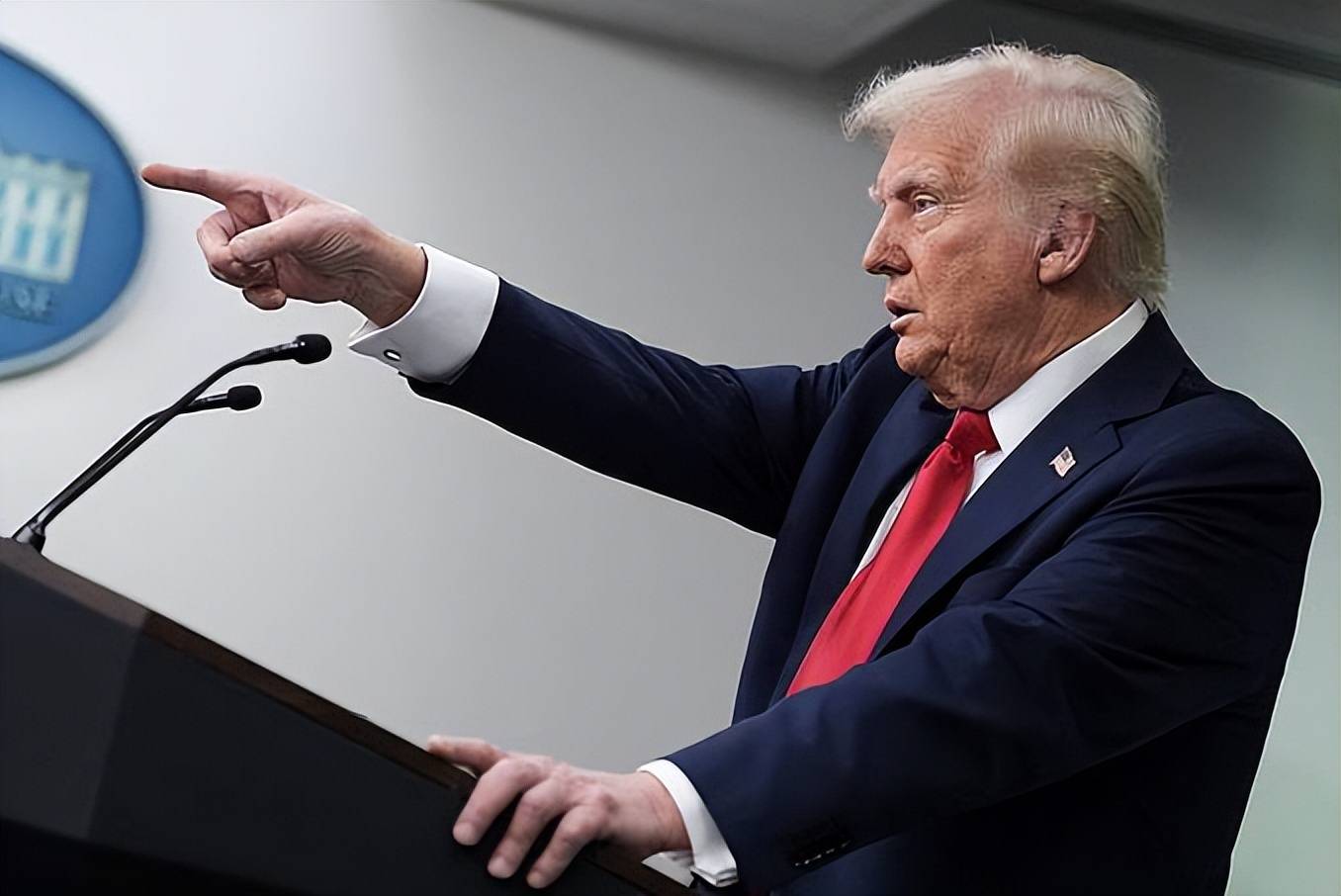
大豆种植

Search documents
【环球财经】美大豆协会呼吁尽早同中国达成协议缓解豆农危机
Xin Hua Cai Jing· 2025-08-20 22:19
Core Viewpoint - The U.S. soybean farmers are facing significant financial pressure due to declining soybean prices and rising production costs, exacerbated by ongoing trade disputes with China [1] Group 1: Financial Impact on Soybean Farmers - U.S. soybean prices continue to decline while production inputs and equipment costs have risen sharply [1] - The prolonged trade dispute with China is severely impacting U.S. soybean farmers, who are unable to sustain their operations [1] Group 2: Export Statistics - Prior to 2018, an average of 28% of U.S. soybeans were exported to China, accounting for 60% of total U.S. soybean exports during that period [1] - For the 2023-2024 marketing year, U.S. soybean exports to China are projected to be nearly 25 million tons, significantly higher than the 4.9 million tons exported to the European Union [1]
美大豆协会呼吁尽早同中国达成协议缓解豆农危机
财联社· 2025-08-20 19:23
Core Viewpoint - The U.S. soybean farmers are facing significant financial pressure due to ongoing trade disputes with China, which is their largest market, and the urgency for a resolution is increasing as the harvest season approaches [1] Group 1: Financial Pressure on Soybean Farmers - U.S. soybean prices continue to decline while production inputs and equipment costs are rising sharply, leading to unsustainable conditions for farmers [1] - The American Soybean Association emphasizes the need for prioritizing soybean issues in U.S.-China trade negotiations to alleviate the financial strain on farmers [1] Group 2: Export Statistics - Prior to 2018, an average of 28% of U.S. soybeans were exported to China, accounting for 60% of total U.S. soybean exports during that period [1] - For the 2023-2024 marketing year, U.S. soybean exports to China are projected to be nearly 25 million tons, significantly higher than the 4.9 million tons exported to the European Union, indicating China's critical role in the U.S. soybean market [1]


特朗普收到警告信,美国财长对中国示好,满意对华关税税率
Sou Hu Cai Jing· 2025-08-20 13:58
美国政坛最近的两件事闹得很热闹。一是美国大豆协会给特朗普发警告信,说豆农快扛不住了,要他赶 紧找中国谈大豆采购;二是美财长贝森特放话,中美经贸对话 "很好",11 月前再碰面,想借 90 天关税 暂停期敲定协议。看着没关系,其实是一回事,就是美国自己搞出来的麻烦,想让中国来收拾。 先看这封警告信。中国是全球最大的大豆买家,过去五年买走六成出口大豆,美国豆农以前靠中国市场 活得滋润。但特朗普一搞贸易战,对中国加高额关税,一切都变了。中国不傻,订单直接转去南美,尤 其是巴西。2023-2024年,中国还买了美国54%的出口大豆,总价值132亿美元;但是路透社的最新报道 中说,中国现在买的美国大豆,只有从巴西进口的15% 特朗普收到美国农民的警告信 秋收要到了,中国没给美国下新订单。美国豆农慌了,怕损失再扩大,只能逼特朗普。之前特朗普喊着 让中国多买美豆,豆农还高兴了一阵,大豆期货涨了点,结果没几天就打回原形。中国早有准备,不光 多买巴西大豆,还砸120亿美元帮巴西建港口铁路,把运输时间从45天缩到33天。这样一来,美国大豆 想要出口给中国就更难了。 在这样的情况下,美国财政部长贝森特只能一边吹特朗普的政绩,一边对 ...
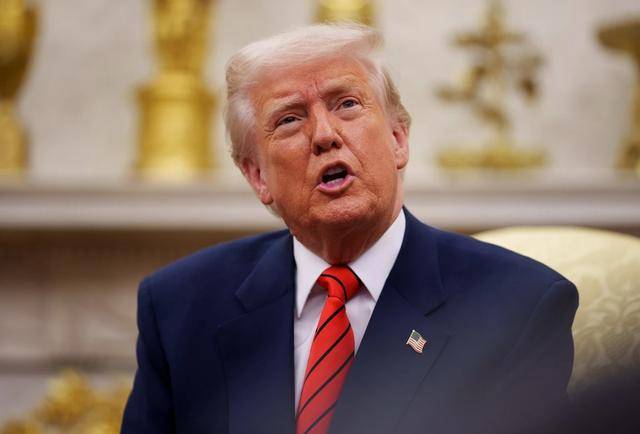
中国没买美国大豆,特朗普以退为进,取消对华报复,最大赢家浮现
Sou Hu Cai Jing· 2025-08-20 11:36
Group 1 - In August, data from the USDA and Chinese customs revealed that China's soybean purchases from the U.S. hit a new low, while Brazilian soybean exports to China increased by 28% year-on-year, reaching a historical high [1] - The American Soybean Association stated that U.S. soybean export losses to China could exceed $10 billion this year, highlighting a clear division between winners and losers in the global supply chain [2] - China's imports of soybeans from Brazil reached 71.5 million tons in the first seven months, surpassing the total for the previous year, while U.S. soybean exports to China plummeted to 9.95 million tons, a significant decrease [4] Group 2 - The USDA reported that U.S. soybean planting area has dropped to 32.42 million acres, a reduction of over 7% compared to the 2024/2025 season, with farmers expressing declining confidence due to trade policy uncertainties [2][6] - Analysts noted that the imposition of tariffs has led to a decrease in planting intentions among farmers, impacting the entire agricultural supply chain, including machinery, logistics, and fertilizers [6] - China has accelerated the development of soybean alternatives and increased domestic oilseed production capacity, emphasizing the importance of a stable and secure supply chain in its import strategy [4][12] Group 3 - The U.S. Trade Representative's office announced a suspension of secondary tariffs on Chinese purchases of Russian oil, seen as a strategic recalibration amid ongoing inflation and supply chain crises [8] - If the U.S. continues its high-pressure tactics against China, it may lead to further reductions in U.S. product imports by China, significantly impacting American farmers and the consumer market [10] - The trade adjustment has shifted the balance of power, with China gaining greater negotiation leverage through diversification of soybean imports and supply chain rebalancing [10][14] Group 4 - China's soybean supply has formed a new structure dominated by South America, with local production enhancements and supplementary imports from Russia and Mongolia, significantly improving risk resilience [12] - The agricultural sector in South America is experiencing growth due to increased Chinese orders, leading to upgrades in machinery, ports, logistics, and services [12] - The ongoing trade dynamics between China and the U.S. in agricultural products serve as a barometer for broader U.S.-China relations, with China's import structure becoming increasingly diversified [14][16] Group 5 - The global economic outlook indicates a restructuring of supply chains, with emerging markets and developing economies increasing their share of agricultural exports [16][18] - The soybean trade tensions between China and the U.S. highlight the complexities of global trade, with China seizing trade initiative through supply chain diversification, while South American countries upgrade their industries [18] - Both China and the U.S. recognize the complementary nature of their economies, suggesting that cooperation is essential for mutual benefit in the agricultural trade sector [18]

中国转向巴西大豆,美国豆农致信特朗普:尽快对华达成协议
Sou Hu Cai Jing· 2025-08-20 02:52
Core Viewpoint - The U.S. soybean farmers are urging President Trump to reach a trade agreement with China to secure significant soybean purchases, as they face rising costs and declining sales prospects due to China's shift towards Brazilian soybeans [1][3]. Group 1: Trade Relations - China, the world's largest soybean buyer, is currently purchasing soybeans from Brazil instead of the U.S. due to ongoing trade tensions [1][3]. - The U.S. soybean association highlighted the financial pressure on farmers, with rising costs for materials and equipment while soybean prices continue to decline [1]. Group 2: Economic Impact - The potential economic loss for the U.S. due to China's shift to Brazilian soybeans is estimated to be "tens of billions of dollars" [3]. - In the 2023-2024 marketing year, China purchased 54% of U.S. soybean exports, valued at $13.2 billion, but has increasingly diversified its imports, with Brazil becoming the largest supplier [3]. Group 3: Market Sentiment - U.S. soybean farmers are skeptical about Trump's claims of increasing Chinese purchases, as current data shows that U.S. soybeans account for only about 15% of China's total soybean imports [3]. - The urgency for a resolution is emphasized, as delays in reaching an agreement could lead to more severe impacts on U.S. farmers [3].
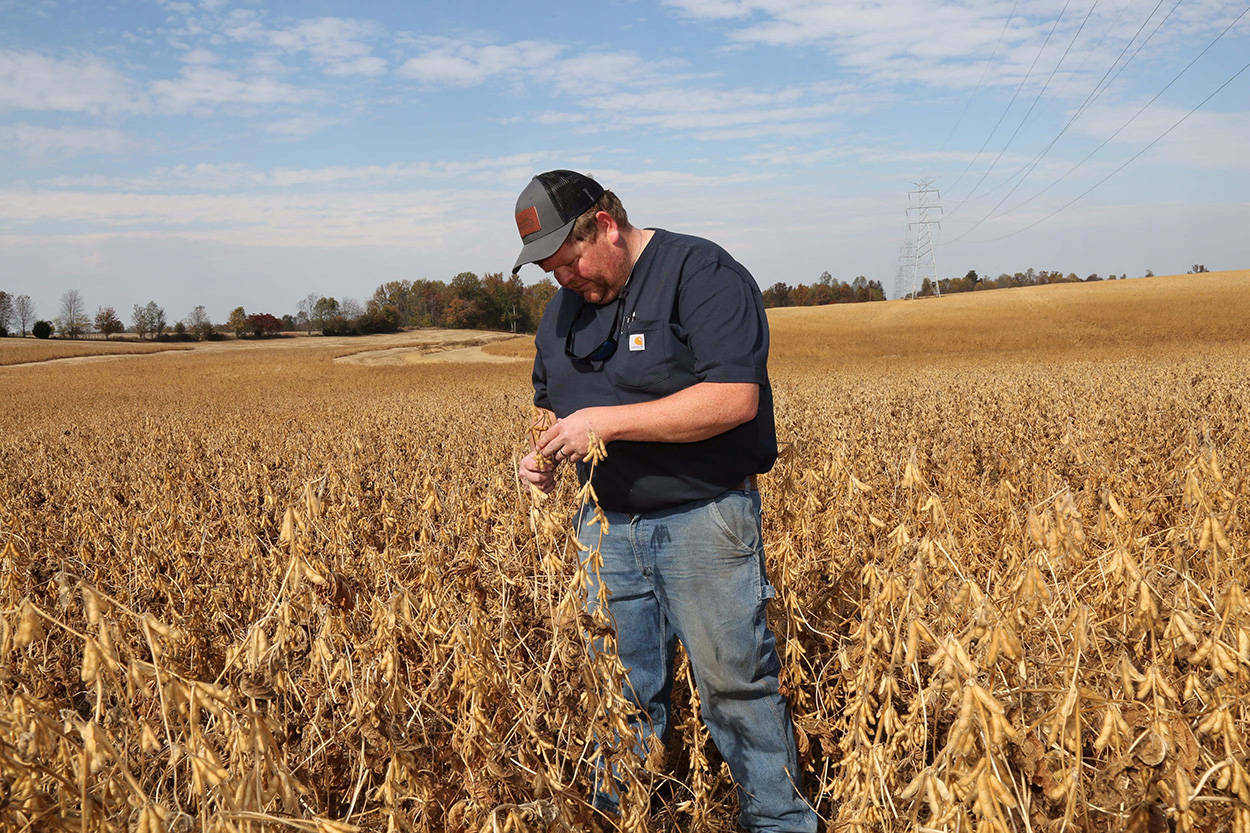
美国大豆协会致信特朗普:贸易战令农户濒临财务崩溃
Sou Hu Cai Jing· 2025-08-19 20:38
Core Viewpoint - U.S. soybean growers are on the brink of a "trade and financial cliff," struggling to cope with the prolonged trade war, as highlighted by the president of the American Soybean Association, Caleb Ragland [1] Group 1: Economic Pressure - U.S. soybean farmers are experiencing significant economic stress due to ongoing trade disputes with their customers [1] - Soybean prices have been continuously declining, exacerbating the financial strain on growers [1] - Simultaneously, farmers are facing substantial increases in costs for agricultural inputs and equipment [1]
中方终于翻脸,美国被踢出局,1200吨杂粮将入华,美农民财路被断
Sou Hu Cai Jing· 2025-08-19 16:52
Core Viewpoint - The article discusses the severe challenges faced by American soybean farmers due to the trade policies implemented by former President Trump, particularly the increased tariffs on Chinese imports, which have led to a significant loss of market access for U.S. soybeans. Group 1: Impact of Tariffs - Trump's announcement in April 2025 to raise tariffs on Chinese imports from 34% to 84% resulted in a total tax rate of 104%, which prompted China to retaliate with a 10% tariff on U.S. soybeans, eliminating the price advantage of American soybeans [3] - As a consequence, Chinese buyers signed contracts for 12 million tons of soybeans from Brazil, accounting for half of the demand for the next two months, leaving American farmers without any sales [3] Group 2: Agricultural Subsidies - In response to the crisis, Trump proposed a $61 billion subsidy plan, but most of the funds went to large farms and urban investors, while small farmers received minimal support, insufficient to cover rising costs [5] - Following the announcement of subsidies, soybean prices fell by 1.5%, indicating market skepticism about the effectiveness of these measures [5] Group 3: Market Dynamics - Trump's pressure tactics, including demands for China to purchase four times the amount of soybeans, were ineffective as China continued to secure supplies from Brazil, even establishing currency settlements to avoid exchange rate risks [7] - The reliance on Chinese orders has historically been significant, with over 40% of U.S. soybean exports going to China, but by August 2025, orders from Chinese buyers had completely ceased [9] Group 4: Consequences for Farmers - The financial strain on American farmers is evident, with 88 farms filing for bankruptcy, a 76% increase from the previous year, as subsidies failed to cover loan interests [11] - The article highlights the disparity in subsidy distribution, with funds benefiting Wall Street investors rather than actual farmers, leading to disillusionment among the agricultural community [11] Group 5: Competitive Landscape - China's investments in Brazil have strengthened its supply chain, with a 48% increase in Brazilian soybean shipments to Chinese ports, while American shipments have virtually disappeared [13] - The cost advantage of Brazilian soybeans, which are $31 per ton cheaper than U.S. soybeans, combined with shorter transportation times and reduced currency risks, has made American soybeans less competitive [15]
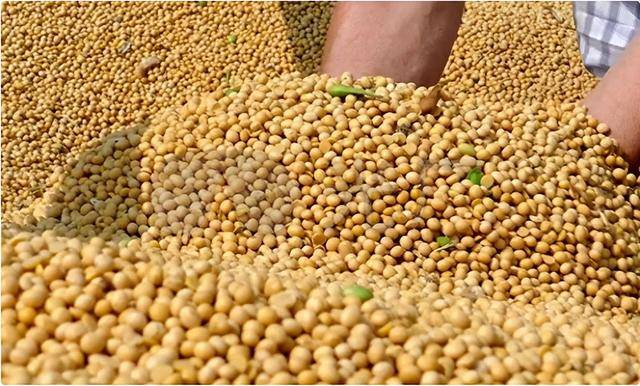
1200万吨大豆订单被抢!美国农民财路被断,特朗普却只发推装样子
Sou Hu Cai Jing· 2025-08-19 16:06
Group 1 - The core issue is the significant loss of U.S. soybean market share to Brazil and Argentina, with 12 million tons of orders directed to South America, representing half of China's soybean demand for the next two months, leaving U.S. farmers frustrated and with unsold stock [1] - The U.S.-China trade tensions have led to retaliatory tariffs, severely impacting U.S. farmers who rely on the Chinese market for exports of soybeans, corn, and pork, resulting in a drastic reduction in U.S. soybean export contracts [3] - As of the end of July, U.S. soybean export contracts for the new season were only 3 million tons, the lowest in nearly two decades, contrasting sharply with previous years when orders from China were filled well into the year [5] Group 2 - The U.S. agricultural sector is facing challenges not only from China but also from Canada and Mexico, as trade agreements like USMCA may lead to disputes over agricultural subsidies and market access, further complicating the situation for U.S. farmers [7] - The strategy of diversifying supply chains away from the U.S. has been effective for China, which has reduced its dependency on U.S. agricultural products, causing significant economic repercussions for American farmers [7] - The silence of U.S. political leadership, particularly from former President Trump, is viewed as a betrayal of the farmers who supported him, as their interests are being overlooked in favor of political posturing [7]

特朗普压力山大,美国大豆协会公开喊话:没有谁可以取代中国市场
Sou Hu Cai Jing· 2025-08-19 14:12
失去中国市场,美国大豆恐难以自救,特朗普面临巨大的农民压力 2025年8月16日,《卫报》报道了美国大豆产业的严峻困境。随着2025年10月大豆公开销售日期临近,美国大豆协会深感焦虑,因为失去了中国这个庞大的 市场后,美国农民开始担心大豆是否会"烂在地里"。美国大豆面临着多重威胁,而最根本的挑战依然是如何重新获得中国市场。对此,英国《卫报》分析了 美国大豆所面临的三大困境: 第一个威胁:气候变化与病虫害 随着气候变化的不断加剧,病虫害对大豆产量和质量造成了严重威胁。美国大豆协会深知,这一因素将导致今年的减产,进一步加剧农民的困境。为了保护 农民利益,大豆协会亟需找到应对之策。如何平衡农民利益和产量问题,成为协会最为迫切的任务。 第二个威胁:生产成本激增 美国农业机械化程度很高,但这也意味着生产成本日益增加,尤其是病虫害的蔓延使得投入更为庞大。化肥、种子和机械维护等成本不断攀升,使得美国农 民面临巨大压力。更为复杂的是,美国的通货膨胀问题加剧了这种压力,导致大豆种植户无力承担不断上涨的生产成本。如何在生产成本激增的情况下,通 过合理价格卖出大豆,成为了大豆协会的另一大忧虑。 第三个威胁:中国市场的丧失 美国大豆 ...
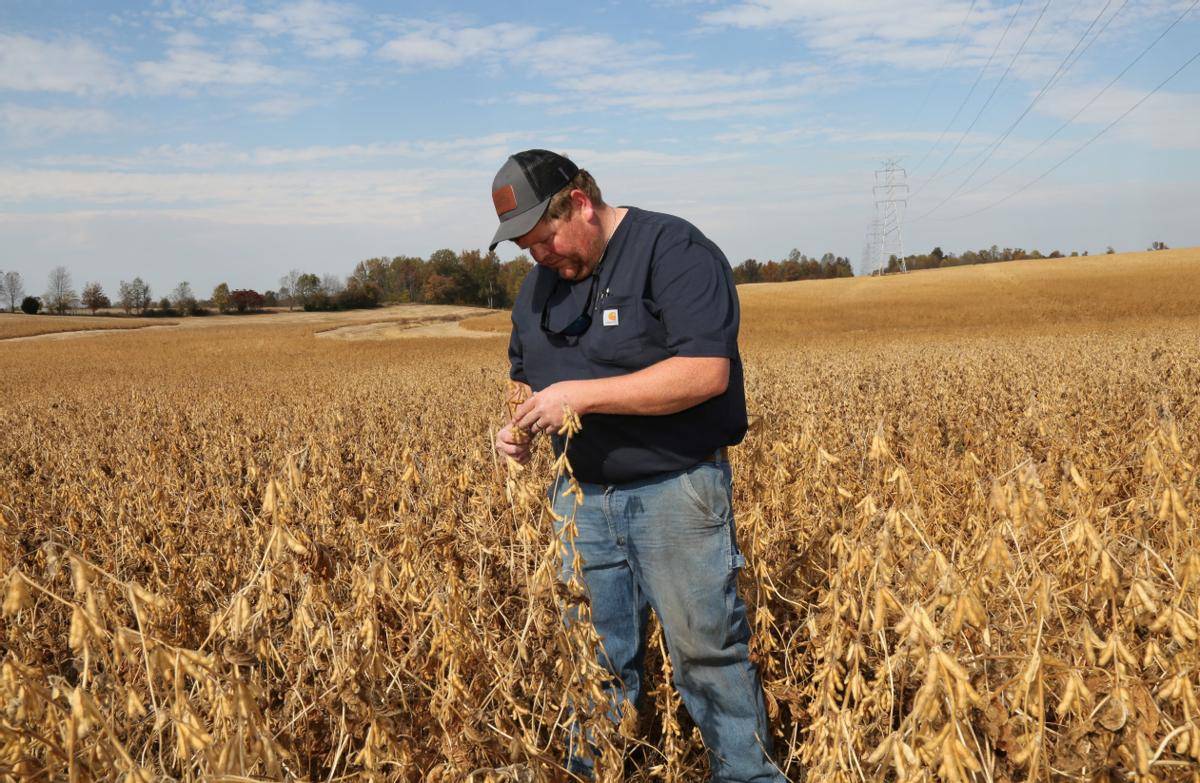
美国大豆市场遭重创,特朗普喊话无效,中国迟迟不下订单,豆农撑不住了!
Sou Hu Cai Jing· 2025-08-19 06:12
Core Viewpoint - The current situation in the U.S. soybean industry is described as a "multiple disaster," with farmers facing unprecedented challenges due to trade policies, climate issues, and rising costs [1][3][5]. Trade Policy Impact - Since the trade war with China began in 2018, U.S. soybean exports to China have plummeted, with only 22.13 million tons expected in 2024 compared to China's total soybean imports of 105 million tons [1][3]. - The U.S. soybean association has highlighted that no other market can match China's demand, emphasizing the critical role of China in U.S. soybean exports [3]. Climate Challenges - Extreme weather conditions have exacerbated the difficulties faced by U.S. soybean farmers, with persistent rainfall leading to severe pest and disease issues [3][5]. - Farmers in states like Indiana and Ohio have reported significant seed losses due to flooding, forcing them to invest more in pest control [3]. Economic Pressures - The overall decline in the U.S. agricultural market, coupled with rising costs for seeds, fertilizers, and land, has created a dual pressure on farmers, making it difficult for many small farms to operate sustainably [5]. - Many farmers are reducing their investments in hopes of survival, which threatens future yield and quality, leading to a vicious cycle in the agricultural supply chain [5]. Government Response - The Trump administration's response to the crisis has been criticized as ineffective, with calls for China to resume soybean purchases lacking substantive measures to address the underlying issues [5][6]. - Reports indicate that Brazil is strengthening its agricultural cooperation with China, further jeopardizing the position of U.S. soybean farmers in the market [5]. Future Outlook - The future of U.S. agriculture, particularly for soybean farmers, is uncertain, with climate change and inadequate trade policies posing long-term challenges [6]. - There is a pressing need for practical policies and deeper international cooperation to address the agricultural crisis, which is vital for the overall economy [6].